Best Books About the Brain
Understanding the science of brain function is the first step toward a sharper mind. Many wonder how to improve brain health and cognitive performance throughout their lives. This booklist offers clear answers, gathering the top brain books from leading neuroscientists and experts. Whether you want to boost memory, manage emotions, or protect your mind as you age, these are the essential brain books to read. Dive into science-backed strategies and actionable tips to unlock your brain's full potential. Curated by the VoxBrief team.
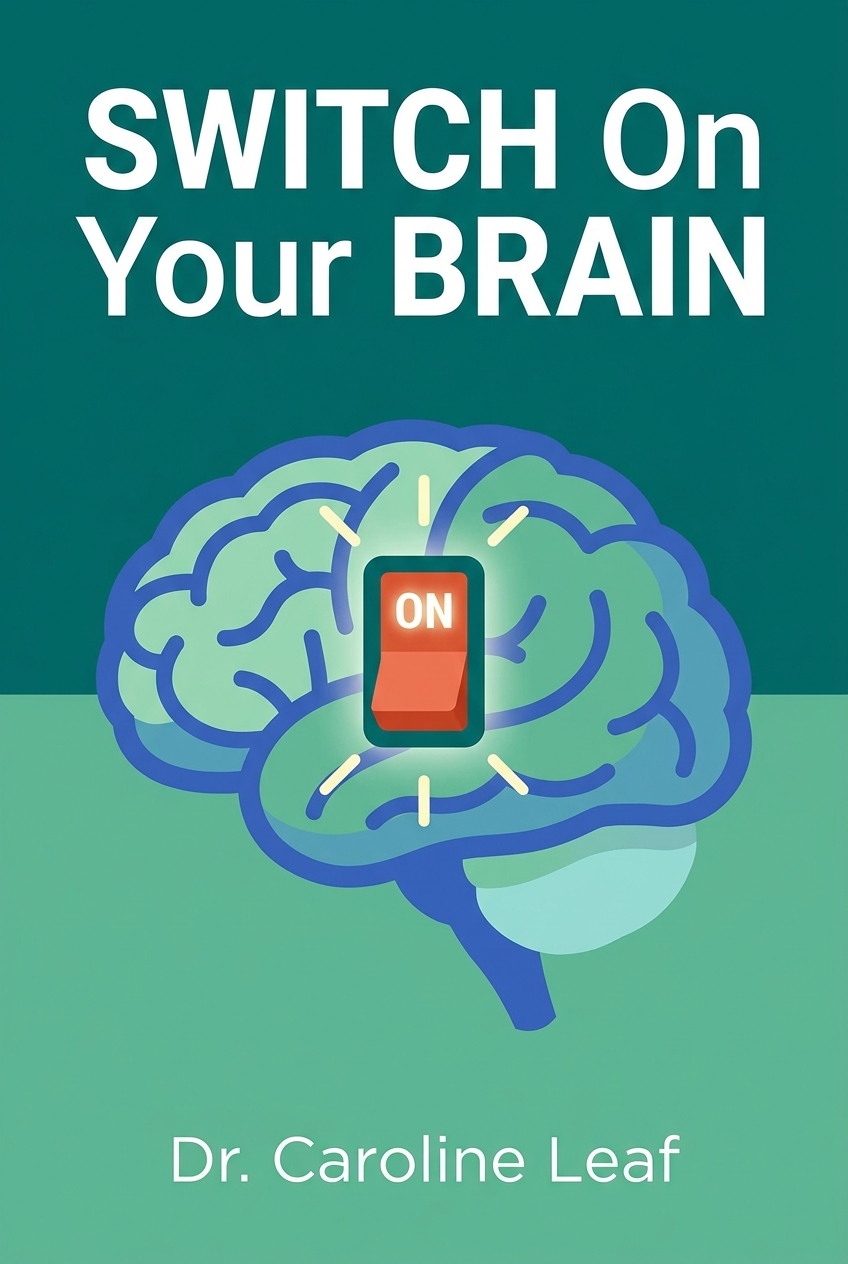
Switch On Your Brain
Rewire your brain for peak happiness by eliminating toxic thought patterns.
- You are the architect of your mind, not a victim of your biology.
- Toxic thoughts can physically damage your brain and body.
- The 21-Day Brain Detox helps build healthy new neural pathways.
Anyone feeling trapped by anxiety, stress, or negative thinking.
Rewire your brain for peak happiness by eliminating toxic thought patterns.
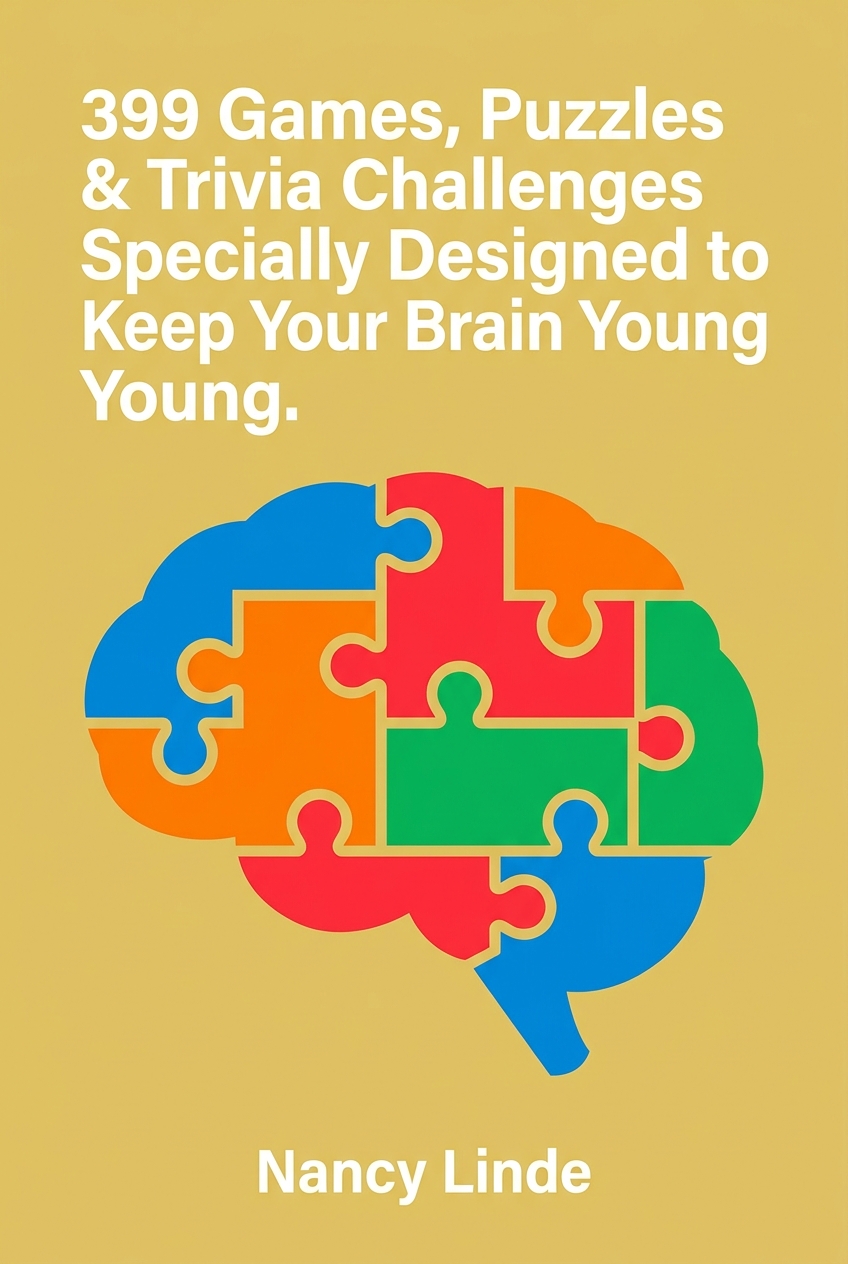
399 Games, Puzzles & Trivia Challenges Specially Designed to Keep Your Brain Young.
A daily gym workout for your brain to keep your mind sharp and memory strong.
- Daily mental exercises can strengthen different cognitive functions.
- Fun, varied puzzles are more effective than repetitive tasks.
- Targeted challenges can help boost focus and problem-solving skills.
Busy people seeking quick, daily challenges for their brain health.
A daily gym workout for your brain to keep your mind sharp and memory strong.
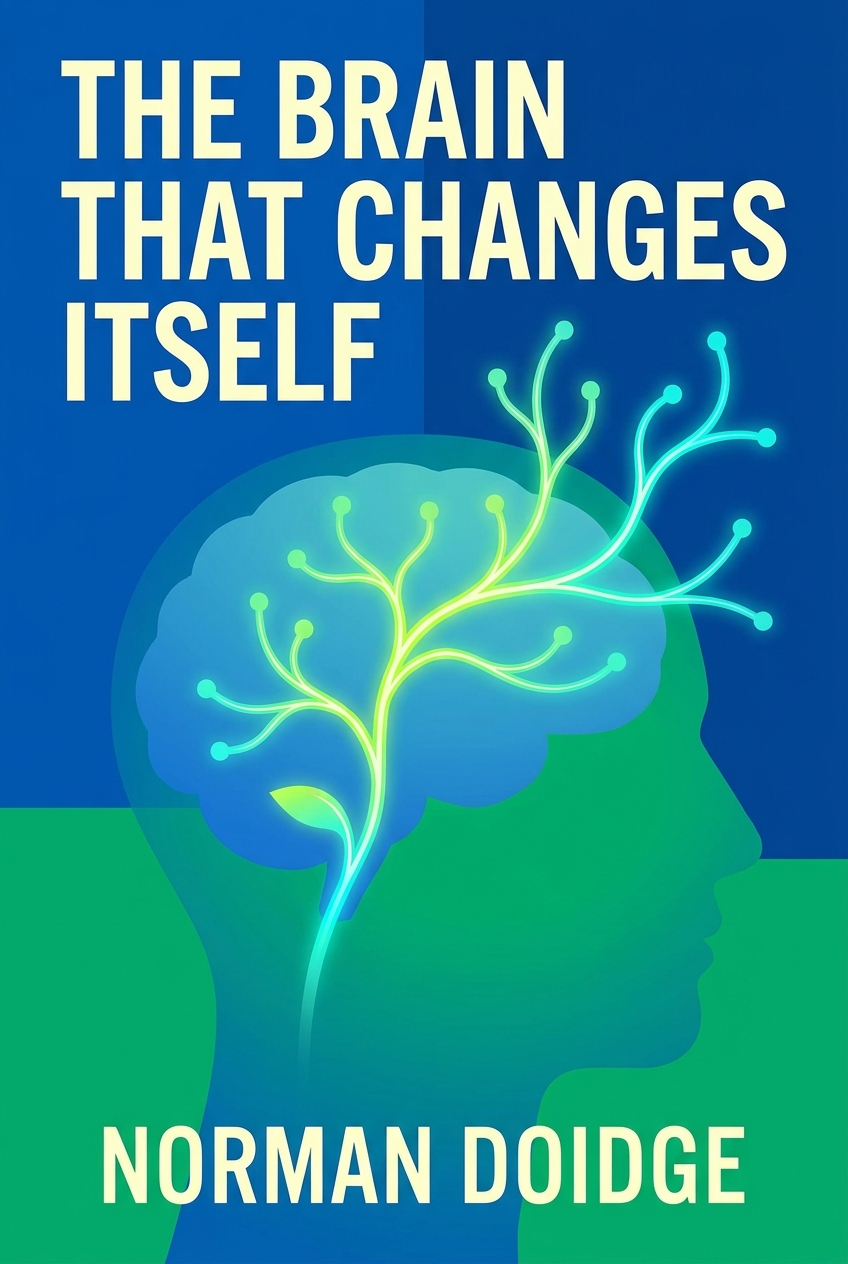
The Brain That Changes Itself
Discover how neuroplasticity allows you to rewire your brain at any age.
- Your brain is not fixed; it can change its own structure and function.
- Personal transformation is possible through targeted mental and physical exercises.
- Real-life stories show how people overcame significant brain-related challenges.
Beginners looking for a hopeful introduction to neuroplasticity.
Discover how neuroplasticity allows you to rewire your brain at any age.
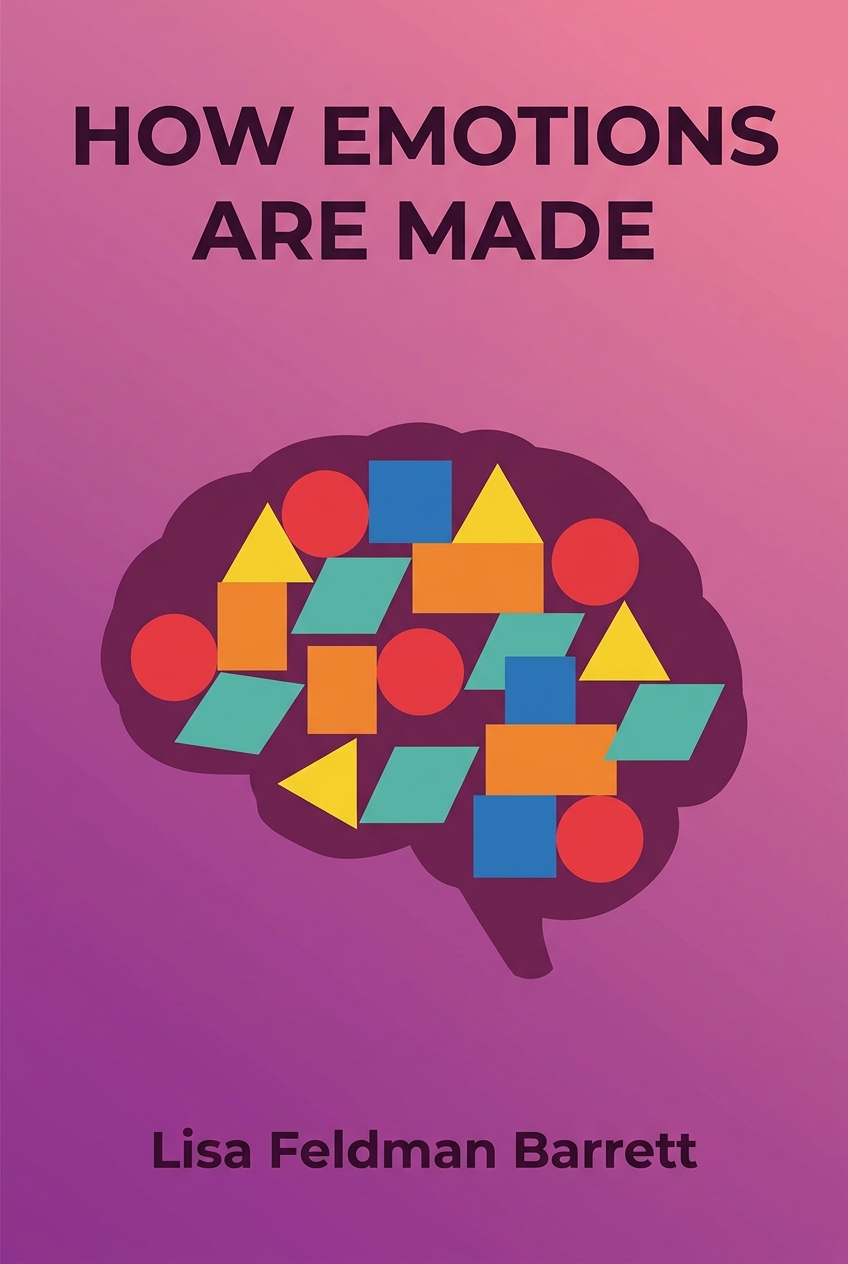
How Emotions Are Made
Learn that emotions aren't automatic; your brain actively constructs them.
- Emotions are not universal or hardwired into your brain.
- Your brain predicts and creates emotions based on past experience and concepts.
- You can gain control over your emotional life by changing your concepts.
Anyone wanting to understand and master their emotional responses.
Learn that emotions aren't automatic; your brain actively constructs them.
The Mind-Gut Connection
Uncover the hidden conversation between your gut and brain that shapes your health.
- Your gut microbiome directly influences your moods and decisions.
- The food you eat can alter your brain chemistry and emotional state.
- Optimizing gut health is a key strategy for improving mental well-being.
People exploring how diet and gut health impact mental clarity and mood.
Uncover the hidden conversation between your gut and brain that shapes your health.
Incognito
Explore the hidden world of your unconscious mind that runs on autopilot.
- Most of your mental operations happen outside of conscious awareness.
- The unconscious brain shapes your perceptions, attractions, and choices.
- Understanding your "hidden self" reveals why you act the way you do.
Curious readers interested in the secret workings of the unconscious mind.
Explore the hidden world of your unconscious mind that runs on autopilot.
The Brain's Way of Healing
Harness your brain's own neuroplastic power to heal from injury and pain.
- Neuroplastic healing can address seemingly incurable conditions.
- Non-invasive methods like light and sound can rewire brain circuits.
- The brain has an innate ability to repair itself when stimulated correctly.
Individuals with chronic pain or injuries seeking drug-free healing options.
Harness your brain's own neuroplastic power to heal from injury and pain.
Brain Energy
Treat mental disorders as metabolic issues of the brain for lasting health.
- Mental health is directly linked to your brain's metabolic function.
- Diet and lifestyle changes can restore brain energy and function.
- This approach targets the root cause of mental illness, not just symptoms.
People seeking a new, metabolic approach to treating mental health issues.
Treat mental disorders as metabolic issues of the brain for lasting health.
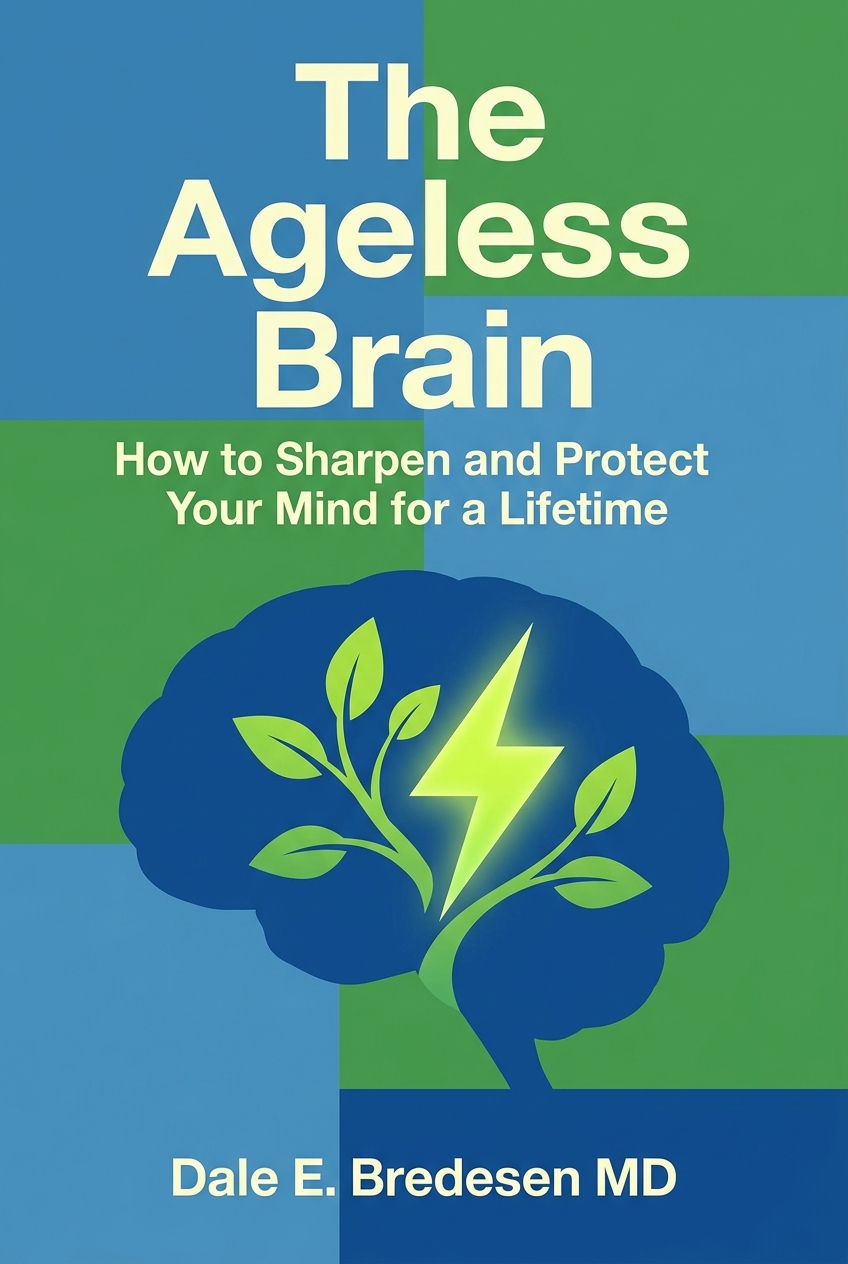
The Ageless Brain
A science-backed protocol to prevent and even reverse cognitive decline.
- Cognitive decline isn't inevitable and can often be reversed.
- The ReCODE program offers a personalized plan to fight Alzheimer's.
- Identifying and targeting specific risk factors is key to brain longevity.
Women over 40 and others concerned with preserving memory and cognition.
A science-backed protocol to prevent and even reverse cognitive decline.
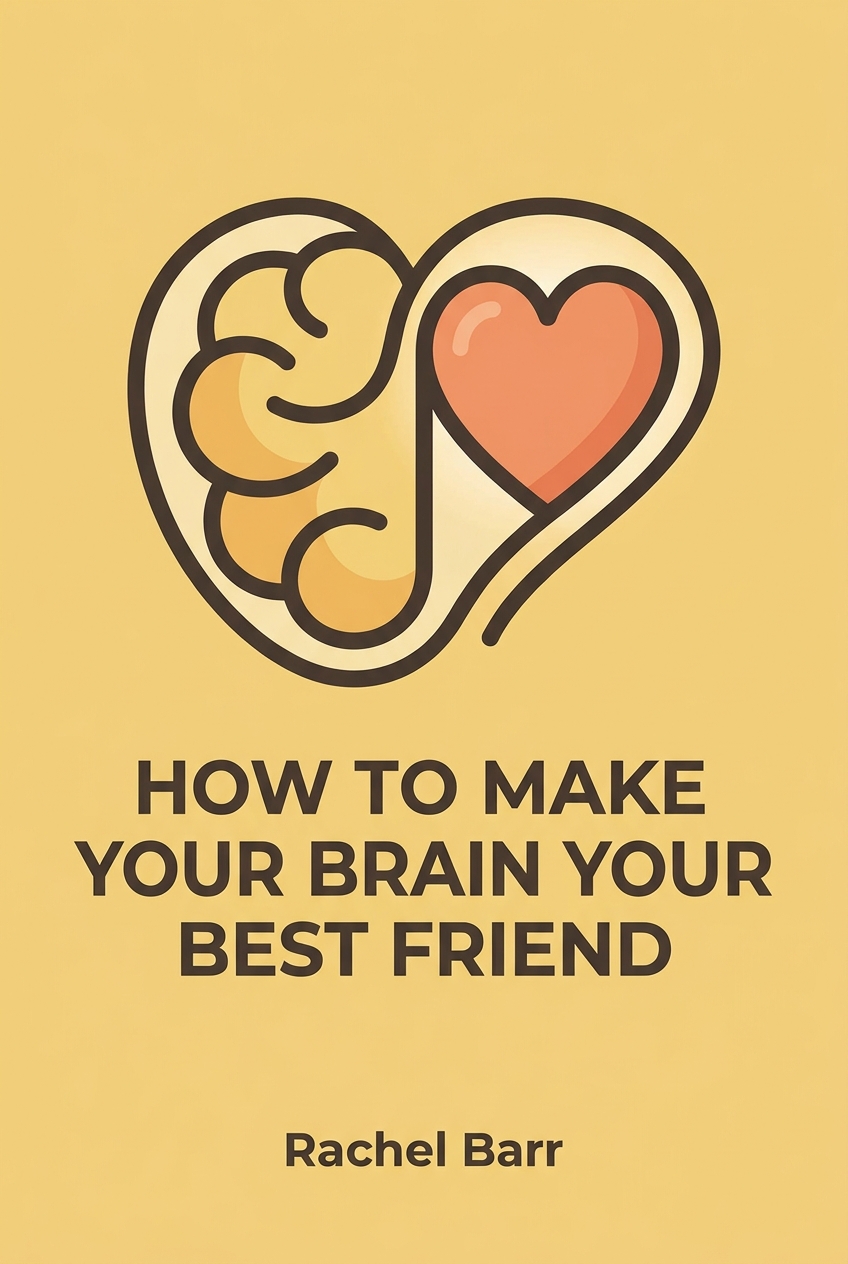
How to Make Your Brain Your Best Friend
Turn your brain from a critic into an ally for a calmer, happier life.
- You can break free from negative thought loops with simple techniques.
- Building emotional resilience is a learnable skill.
- Mastering your mental landscape leads to increased focus and calm.
Anyone battling self-criticism and seeking practical mental wellness tips.
Turn your brain from a critic into an ally for a calmer, happier life.
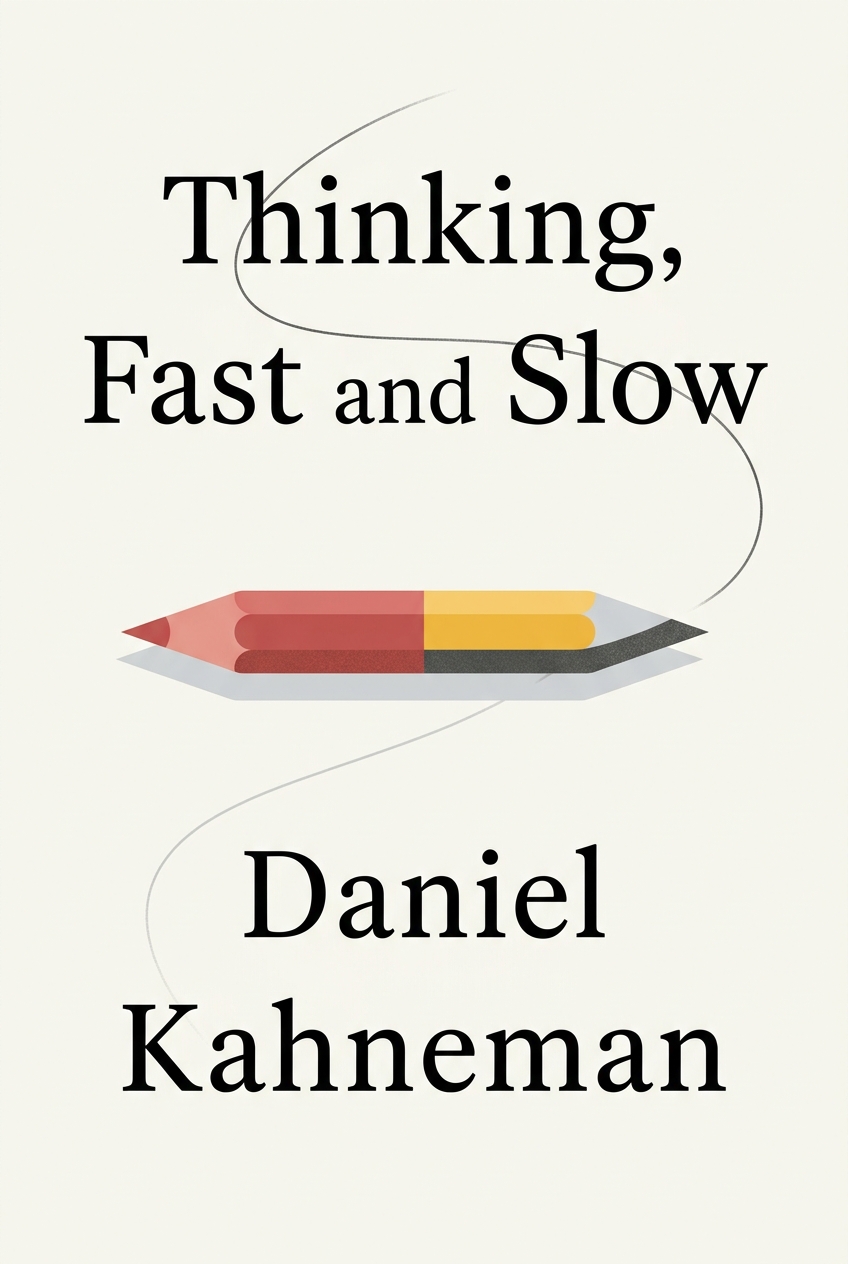
Thinking, Fast and Slow
Understand the two systems of thought that drive your choices and judgments.
- Your mind uses a fast, intuitive system and a slow, deliberate one.
- Cognitive biases and mental shortcuts often lead to irrational decisions.
- Recognizing these biases can help you make clearer, better judgments.
Decision-makers wanting to improve their critical thinking and avoid errors.
Understand the two systems of thought that drive your choices and judgments.
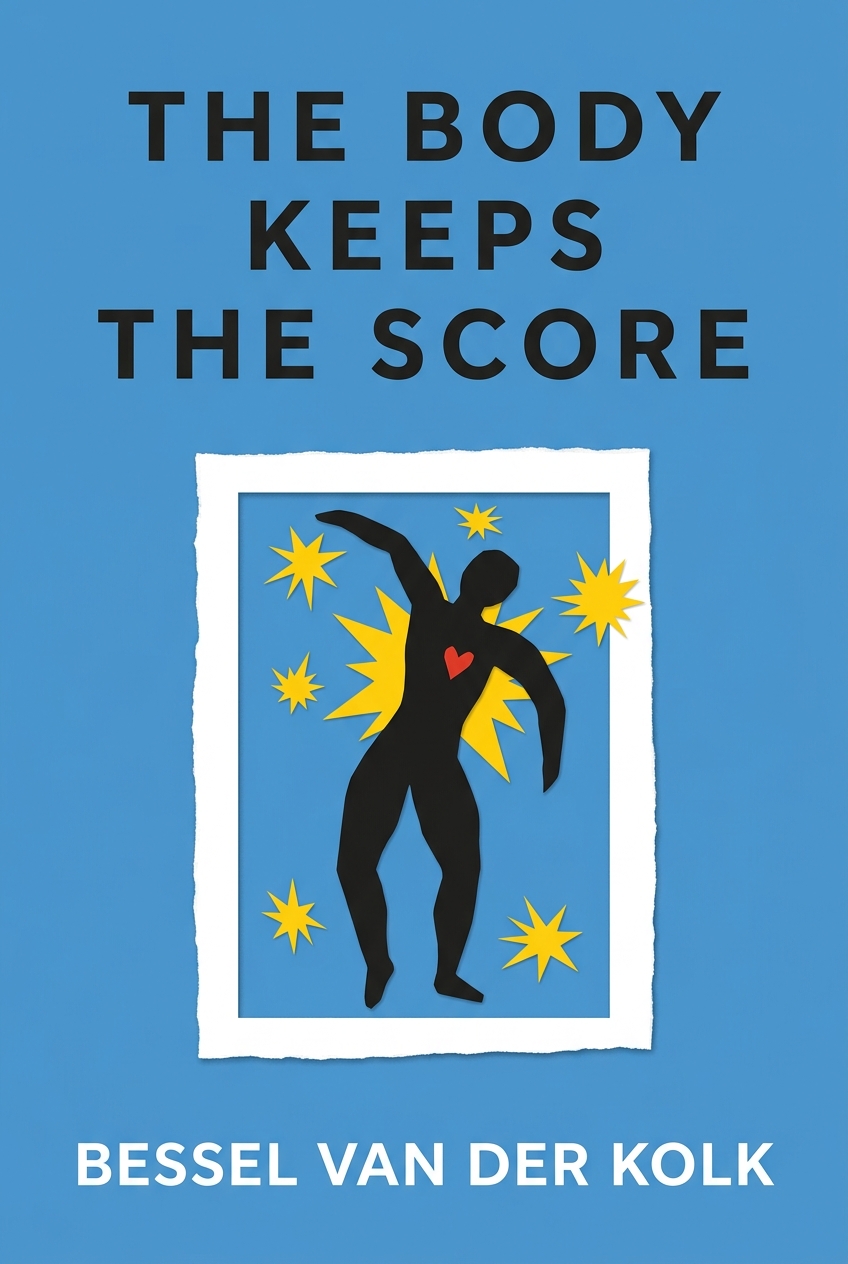
The Body Keeps the Score
Discover how trauma reshapes the brain and why body-based healing is key.
- Trauma is stored in the body, not just the mind.
- Talk therapy alone is often insufficient for deep trauma healing.
- Body-based practices like yoga help regulate a traumatized nervous system.
Trauma survivors and therapists seeking holistic healing methods.
Discover how trauma reshapes the brain and why body-based healing is key.
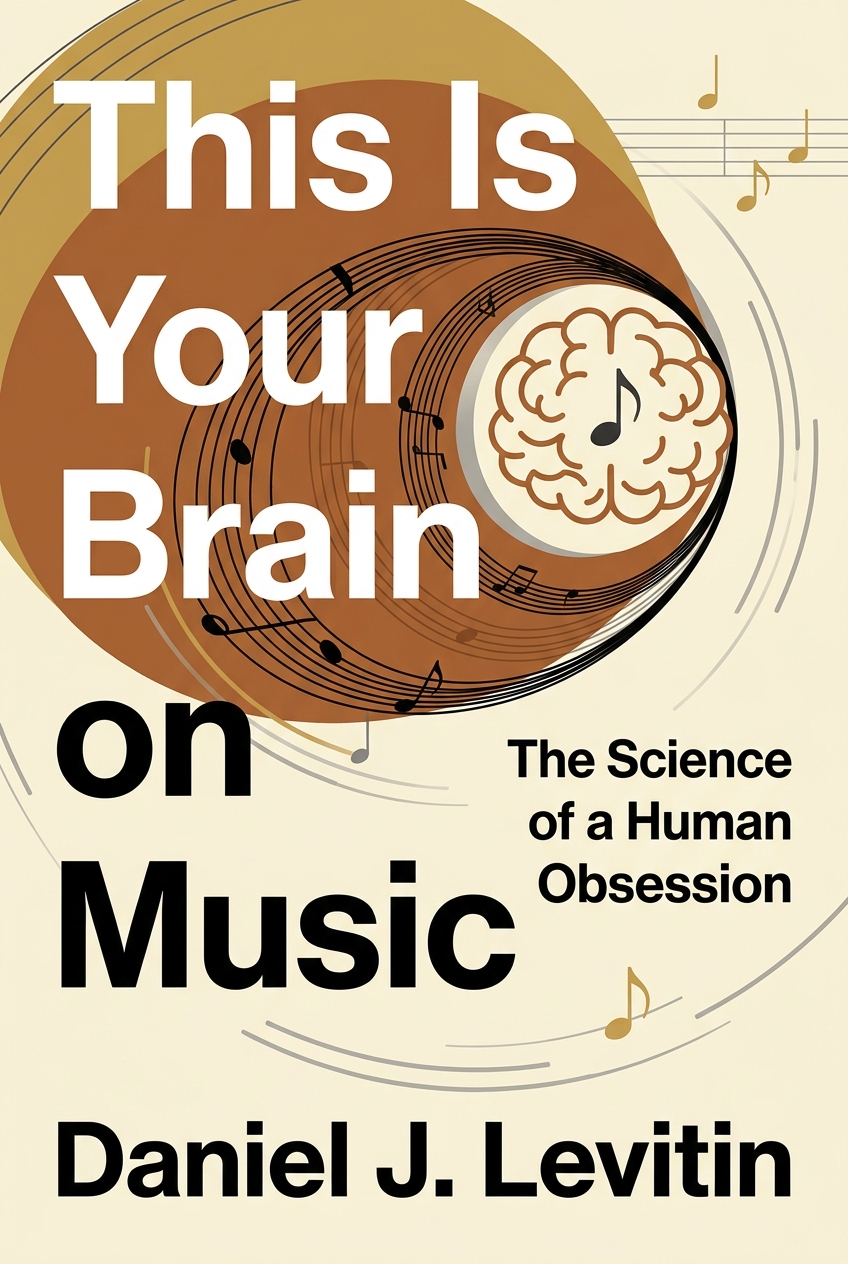
This Is Your Brain on Music
Uncover the neuroscience behind why music moves you, from rhythm to emotion.
- Your brain is uniquely wired to process and respond to music.
- Music has played a central role in human evolution and social bonding.
- Your personal musical taste is shaped by brain chemistry and experience.
Music lovers curious about the profound link between sound and emotion.
Uncover the neuroscience behind why music moves you, from rhythm to emotion.
Frequently Asked Questions
The core science is neuroplasticity—the brain's ability to rewire itself. By engaging in new learning, exercises, and healthy habits, you create new neural pathways and improve cognitive functions. Many of the best books for brain explore this principle, showing how you can actively guide this process.
Results vary, but consistency is key. Some people report feeling mentally sharper in a few weeks with daily practice, like with the 21-Day Brain Detox. For more significant changes, such as overcoming ingrained habits, it may take several months of dedicated effort.
Yes, the methods discussed in these books—like puzzles, mindfulness, diet changes, and learning new skills—are generally very safe and beneficial. They are non-invasive ways to support your brain's natural ability to change. Always consult a healthcare professional before making significant lifestyle changes.
Absolutely. Books like 'The Ageless Brain' and 'The Brain That Changes Itself' are built on research showing your brain can learn and adapt at any age. While some cognitive functions might change, proactive steps can protect brain health and keep your mind sharp for life.