Best Books on Decision-Making
Making confident choices is one of life's most critical skills. But how can you consistently improve your decision making skills and find the right decision making strategies? This list of the best books on decision making explores the psychology behind our choices and provides practical frameworks to improve judgment. Whether facing analysis paralysis or refining leadership abilities, these summaries offer powerful tools. Learn from the world's leading thinkers on how to act with clarity and stop second-guessing. Curated by the VoxBrief team.
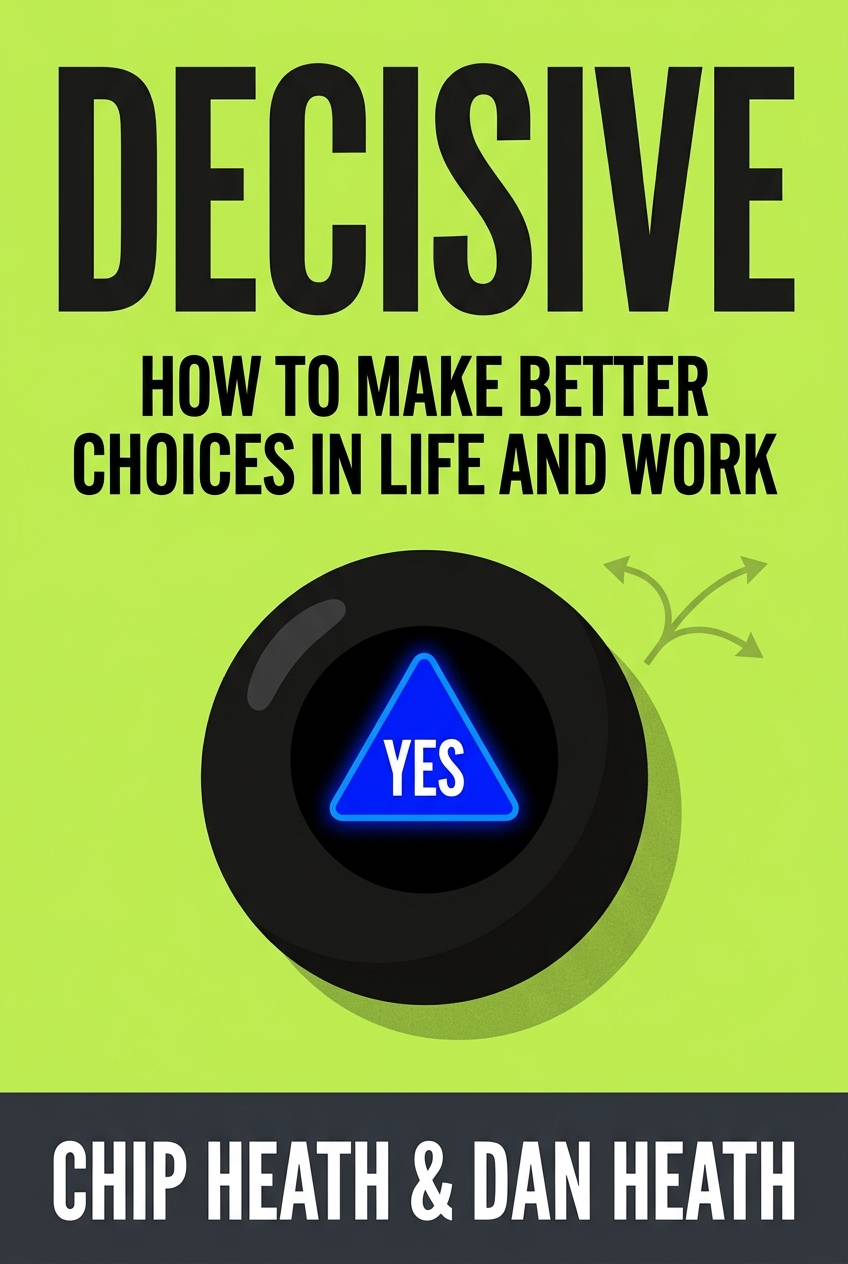
Decisive
Overcome analysis paralysis with a four-step process for making better choices.
- Use the WRAP method: Widen options, Reality-test, Attain distance, Prepare to fail.
- Avoid narrow framing by considering the opportunity cost of your choice.
- Break free from emotion by asking what a successor in your role would do.
Leaders and individuals who often get stuck in analysis paralysis.
Overcome analysis paralysis with a four-step process for making better choices.
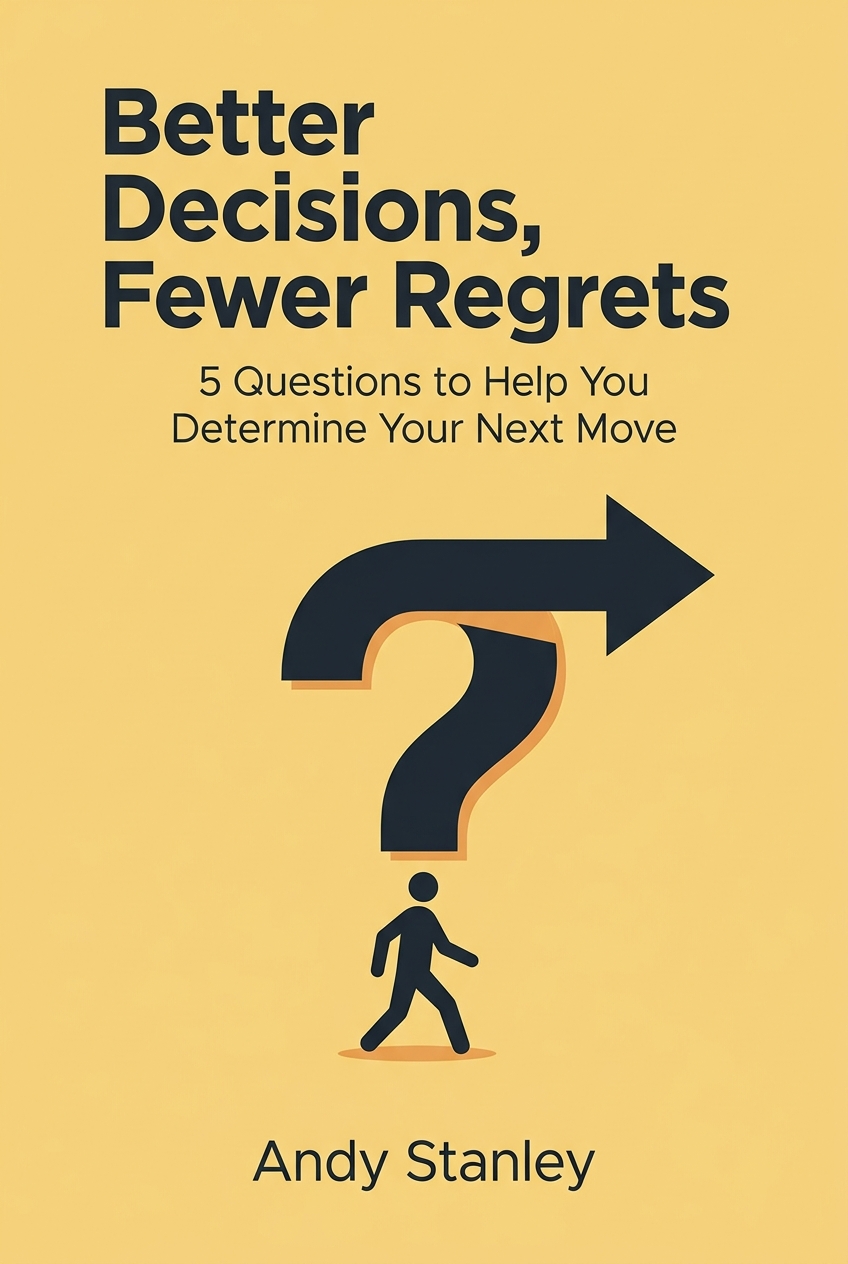
Better Decisions, Fewer Regrets
Make choices you won't regret using five simple, life-shaping questions.
- Ask five critical questions before any major choice to ensure long-term alignment.
- Consider the story you want to tell about your life to guide decisions.
- Filter choices through the lenses of maturity, integrity, and legacy.
Anyone seeking a practical framework for life's most important choices.
Make choices you won't regret using five simple, life-shaping questions.
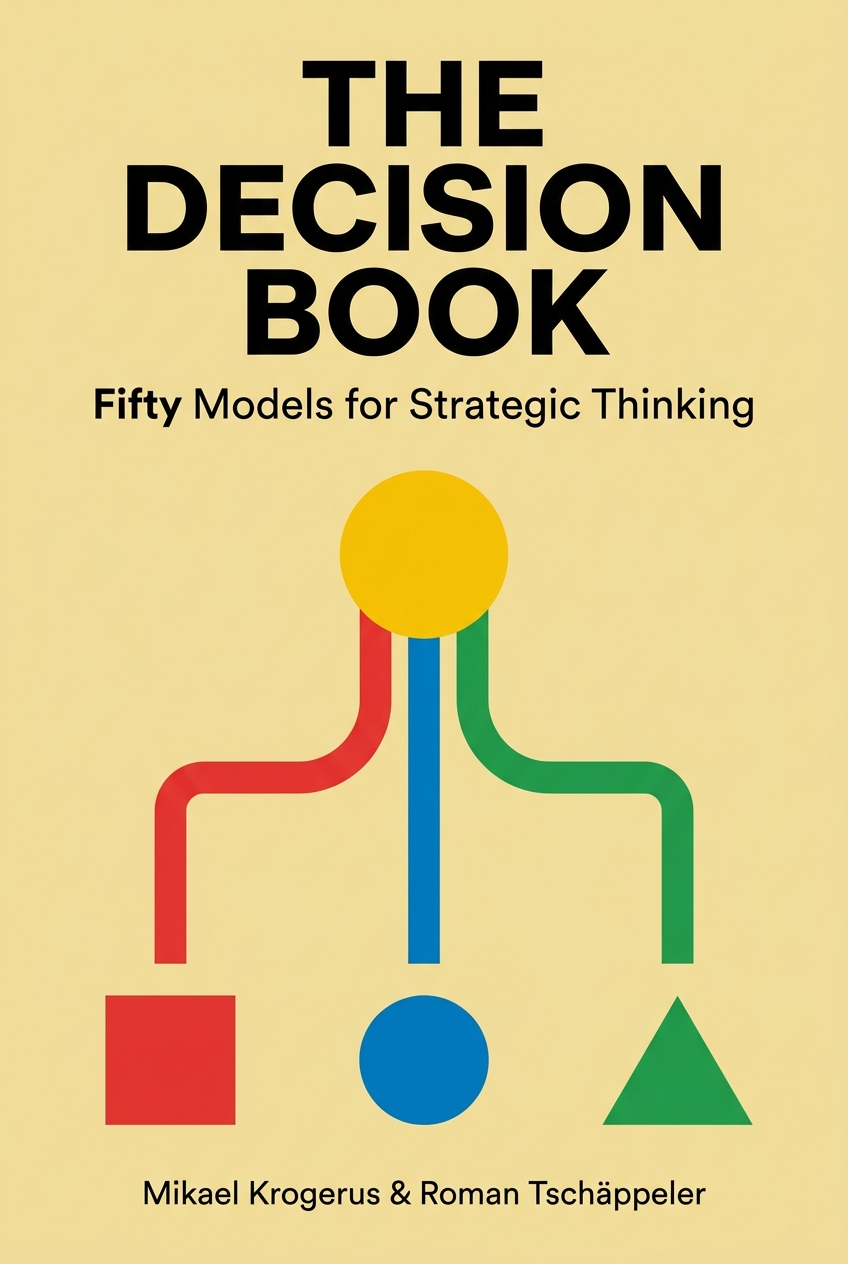
The Decision Book
Cut through the noise with fifty strategic models for clearer thinking.
- Apply mental models like the Eisenhower Matrix for better prioritization.
- Use the Johari Window to understand yourself and how others perceive you.
- Visualize project futures with the project management triangle model.
Consultants, managers, and visual thinkers who love structured frameworks.
Cut through the noise with fifty strategic models for clearer thinking.
How to Decide
Think like a professional poker player to master risk and uncertainty.
- Separate decision quality from the outcome to avoid being fooled by luck.
- Conduct a pre-mortem to identify potential failures before they happen.
- Acknowledge uncertainty by thinking in probabilities, not certainties.
Strategists and investors making choices with incomplete information.
Think like a professional poker player to master risk and uncertainty.
The Overthinker's Guide to Making Decisions
Break free from analysis paralysis with a simple, three-step framework.
- Recognize that overthinking is a mental habit, not a character trait.
- Quiet the mental chatter by focusing only on what you can control.
- Learn to trust your intuition for smaller, reversible decisions.
Chronic overthinkers who feel trapped and exhausted by indecision.
Break free from analysis paralysis with a simple, three-step framework.
Decision Time
Make high-stakes choices using the calm framework of bomb disposal experts.
- Identify four red flags that signal a flawed decision-making process.
- Avoid self-doubt by focusing on having a good process, not just good outcomes.
- Navigate options calmly by slowing down the process like a crisis negotiator.
First responders, managers, and anyone facing high-pressure situations.
Make high-stakes choices using the calm framework of bomb disposal experts.
Thinking, Fast and Slow
Uncover the two systems of thought that drive your every irrational choice.
- Your mind has two systems: an intuitive System 1 and a deliberate System 2.
- Cognitive biases like anchoring and loss aversion constantly distort your judgment.
- Slow down and engage System 2 for important, non-reversible decisions.
Anyone interested in psychology and improving their fundamental thinking.
Uncover the two systems of thought that drive your every irrational choice.
Predictably Irrational
Discover the hidden psychological forces that make your choices irrational.
- Recognize that the concept of "free" can lead you to make irrational choices.
- We consistently overvalue what we own due to the endowment effect.
- Our decisions are heavily influenced by context and comparison, not absolutes.
Marketers, consumers, and those curious about the psychology of daily choices.
Discover the hidden psychological forces that make your choices irrational.
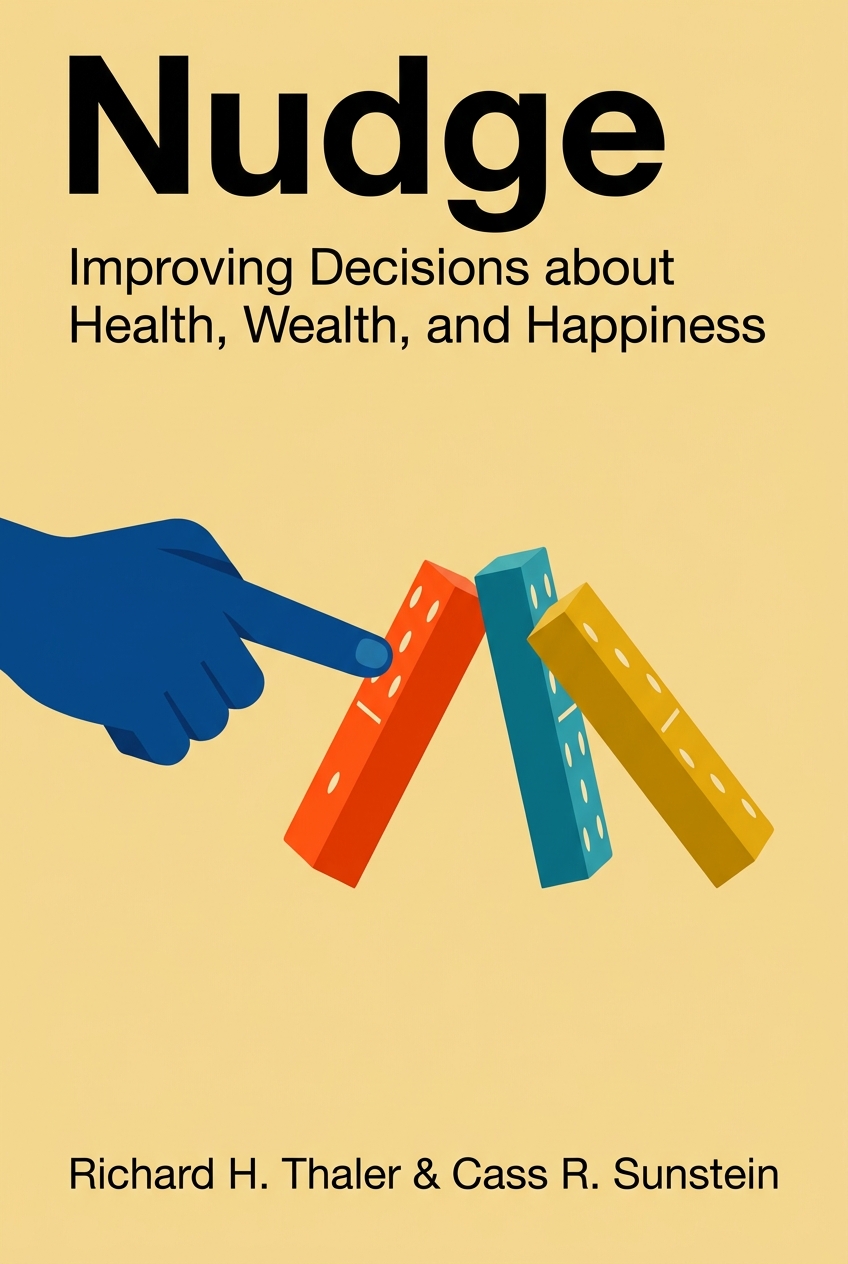
Nudge
Learn how small environmental changes can steer you toward better decisions.
- "Choice architecture" shapes decisions without restricting your freedom.
- Simple defaults can dramatically improve outcomes in health, wealth, and happiness.
- Tiny 'nudges' are small prompts that encourage better long-term behavior.
Policymakers, managers, and parents hoping to influence behavior for the better.
Learn how small environmental changes can steer you toward better decisions.
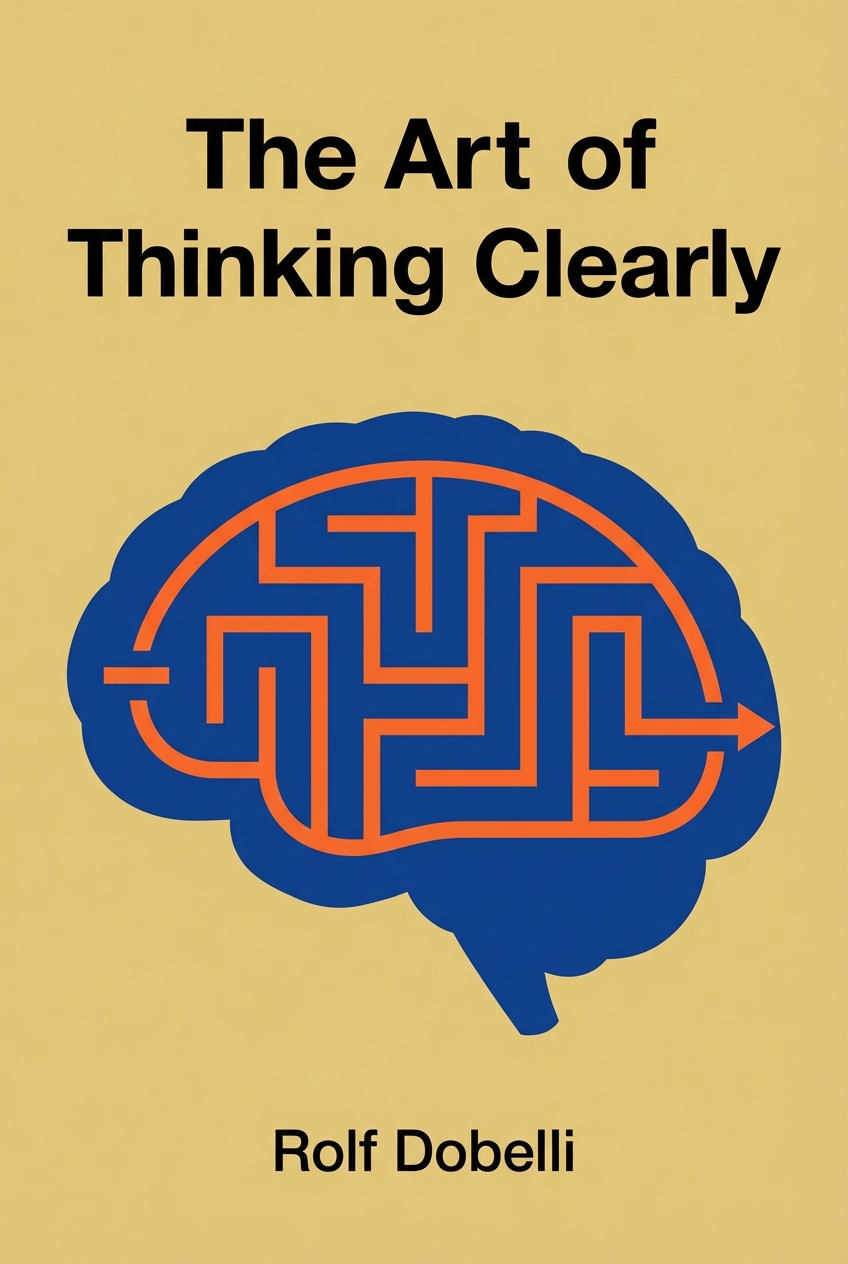
The Art of Thinking Clearly
Identify 99 cognitive biases that trip you up in daily life and business.
- Learn to spot common mental errors like survivorship bias and sunk cost fallacy.
- Use simple heuristics to counteract these biases in real-time.
- Prioritize hard data and evidence over compelling but misleading stories.
Investors and leaders who want a quick reference guide to cognitive biases.
Identify 99 cognitive biases that trip you up in daily life and business.
Frequently Asked Questions
Effective decision-making is the engine of a successful business. It impacts everything from strategy and resource allocation to hiring and product development, directly influencing profitability, growth, and market position. Decision making in business requires frameworks to make timely choices that navigate risk and seize opportunities.
Developing these skills involves practice and self-awareness. Start by studying decision making frameworks, learning to identify your cognitive biases, and separating the quality of a decision from its outcome. Practice by analyzing past choices and seeking feedback from trusted mentors or colleagues.
Several powerful frameworks are featured. Chip and Dan Heath's WRAP method in *Decisive* offers a four-step process for avoiding common traps. *The Decision Book* presents 50 visual models like the Eisenhower Matrix for prioritization, while Annie Duke's *How to Decide* teaches poker-inspired tools like pre-mortems to assess risk.
For leaders, *Decisive* by the Heath brothers is highly practical for team decision making. *How to Decide* by Annie Duke offers excellent tools for handling risk and uncertainty, key skills for any manager, especially in a startup environment. *Thinking, Fast and Slow* provides a foundational understanding of the biases that can affect leadership choices.