Best Books About Ecology
Understanding our planet's intricate connections is more critical than ever. For those looking for ecology explained simply, books are a powerful gateway. They show us how ecosystems function, the importance of biodiversity, and our role within the web of life. This collection of the top ecology books offers profound insights, from the hidden social lives of trees to the vast, unseen world of microbes. These must read ecology books will change how you see the world and inspire you to act. Curated by the VoxBrief team.
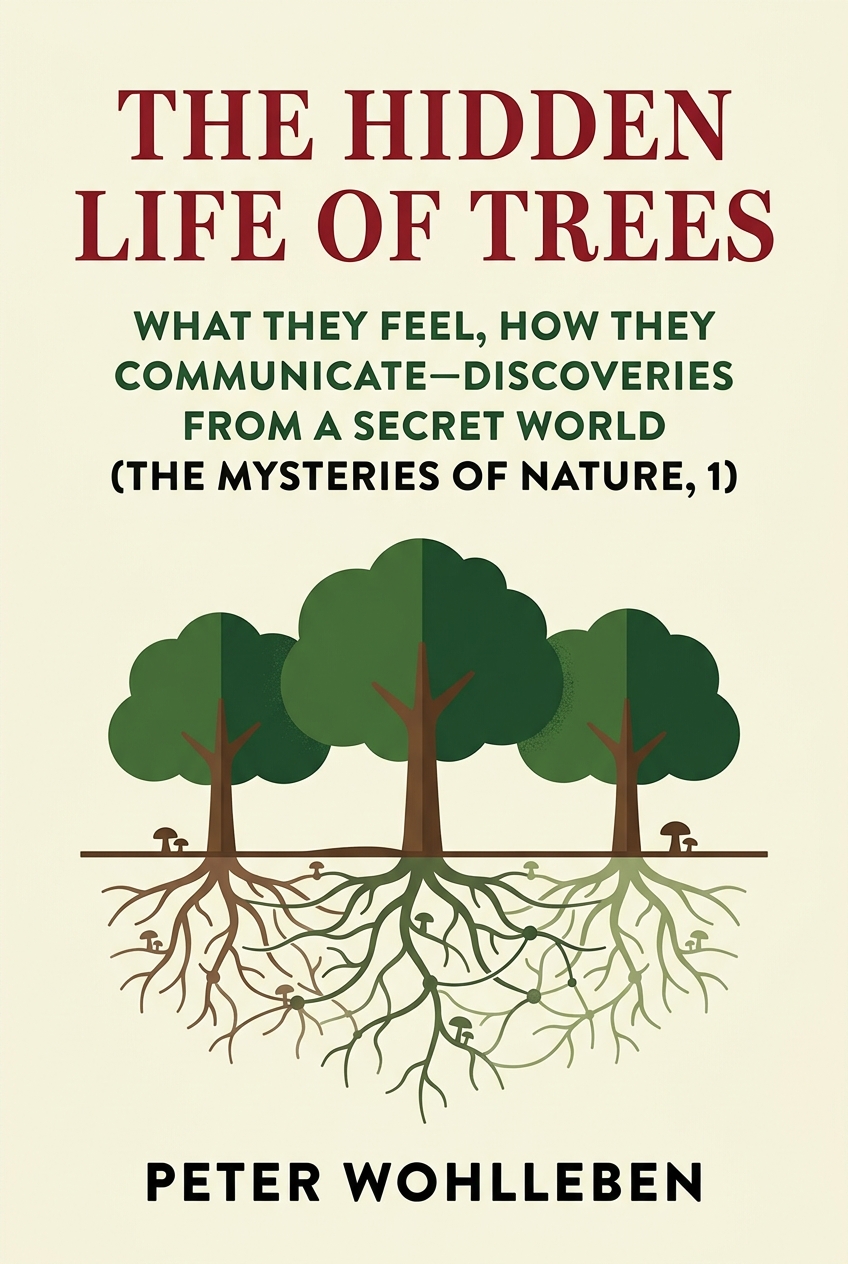
The Hidden Life of Trees
Discover the hidden social network of trees that communicate and care for each other.
- Trees form communities and share resources through underground fungal networks.
- Forests function like a superorganism, not just individual trees.
- Trees can communicate warnings and support their young.
Nature lovers curious about the secret lives of forests.
Discover the hidden social network of trees that communicate and care for each other.
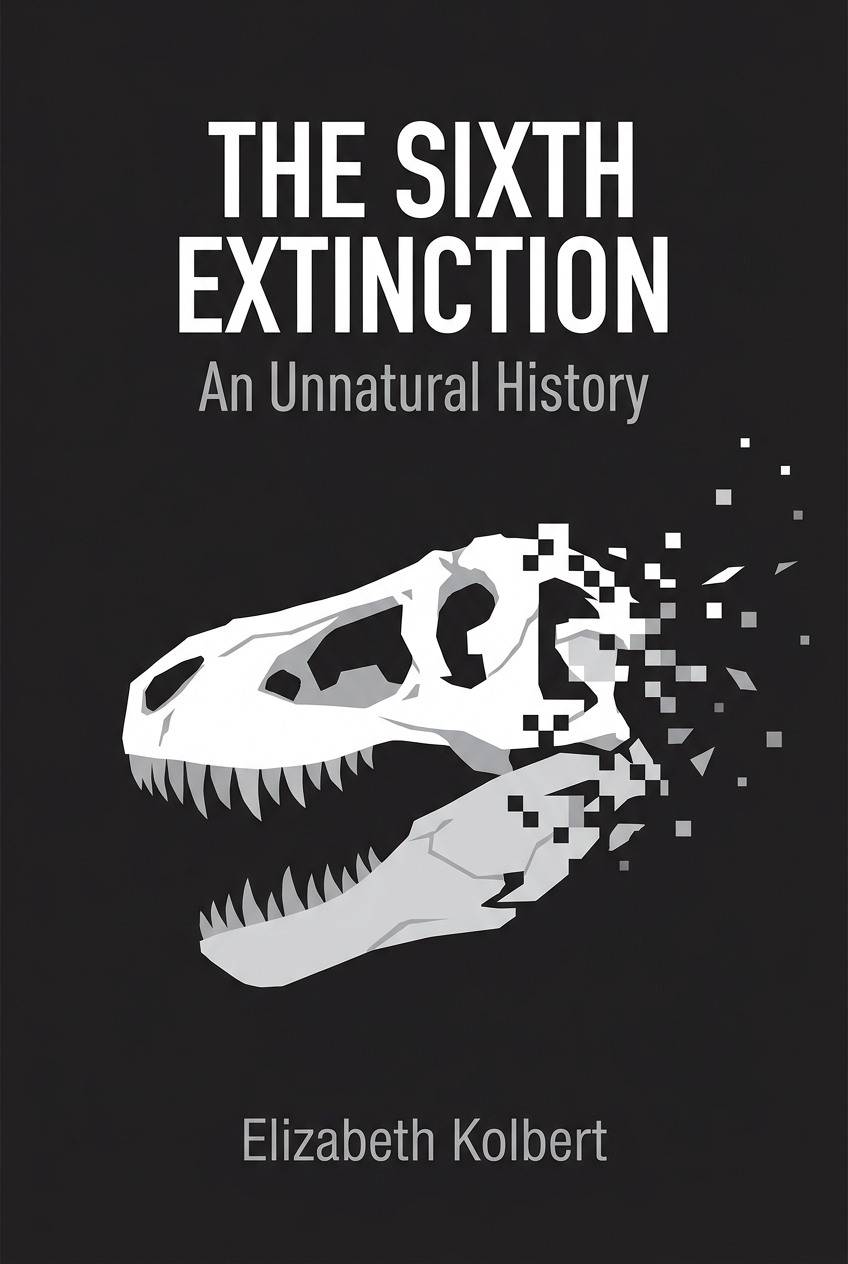
The Sixth Extinction
Confront the evidence that humanity is causing the sixth mass extinction event.
- Human activity is the primary driver of the current mass extinction.
- Our actions impact species across glaciers, oceans, and rainforests.
- Understand the science behind biodiversity loss and its consequences.
Readers ready to face truths about humanity's environmental impact.
Confront the evidence that humanity is causing the sixth mass extinction event.
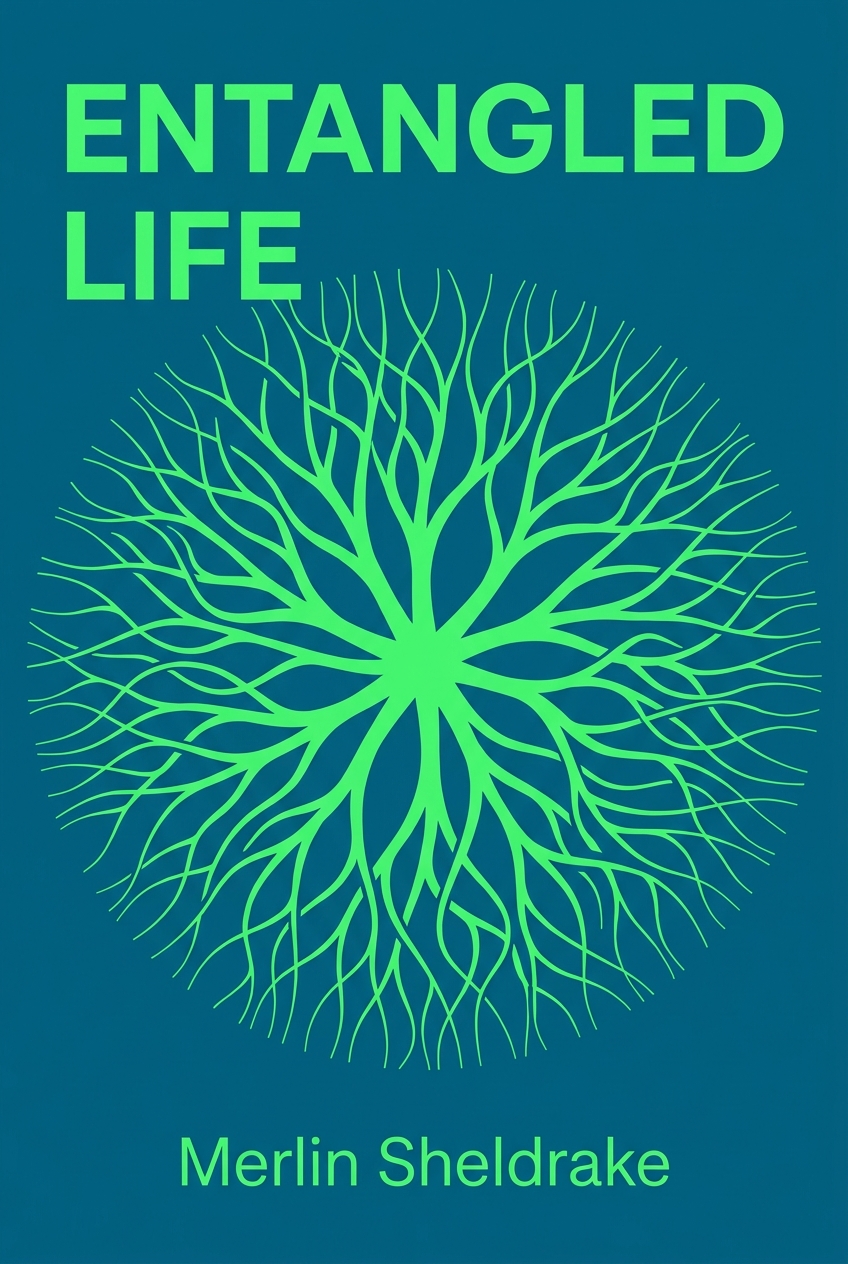
Entangled Life
Explore the astonishing, hidden world of fungi and its role in connecting all life.
- Fungi are a fundamental network that underpins most of life on Earth.
- These organisms can help solve human problems like pollution and disease.
- Fungi challenge our definitions of individuality and intelligence.
Anyone curious about the hidden forces that shape our world.
Explore the astonishing, hidden world of fungi and its role in connecting all life.
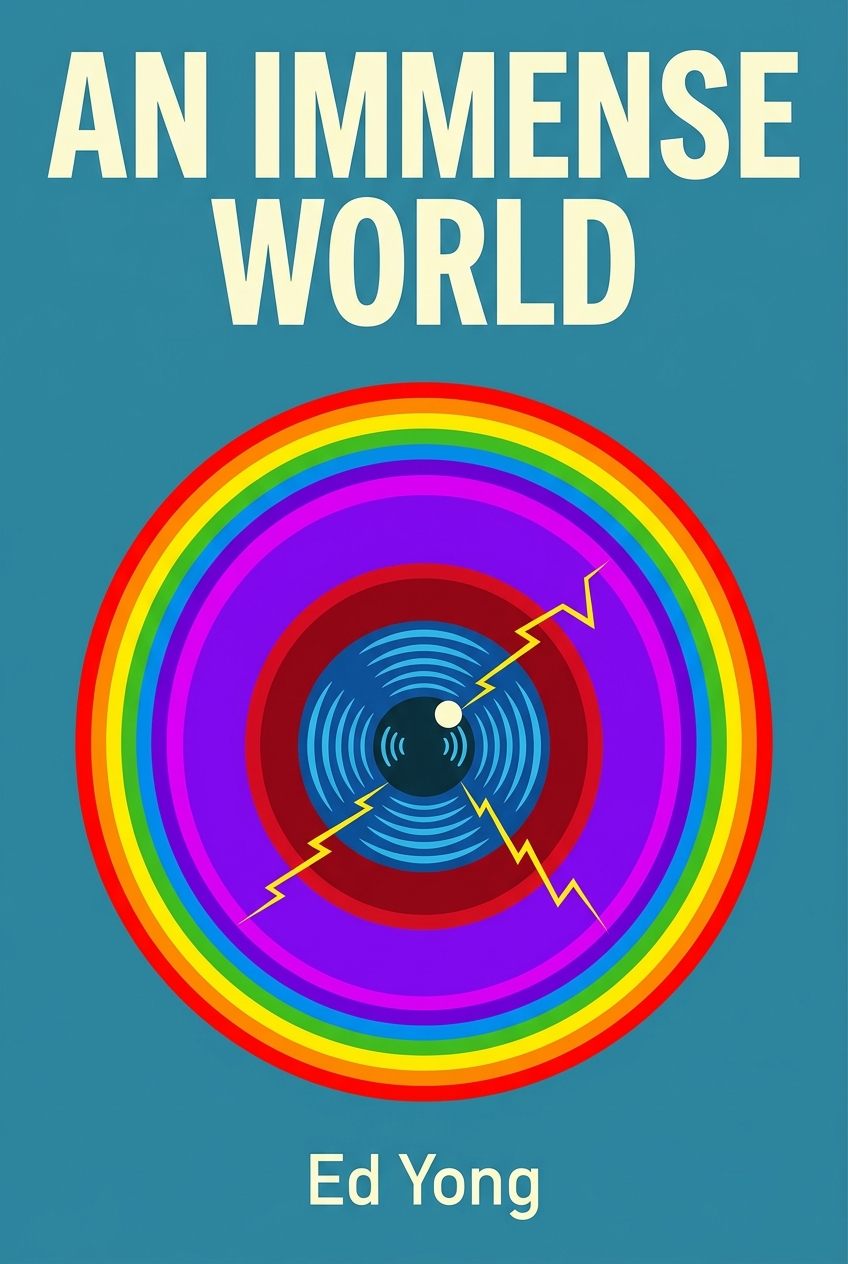
An Immense World
See the world through the astonishing senses of the animal kingdom.
- Each species perceives reality through its unique sensory bubble (Umwelt).
- Animals use senses like magnetic fields and electricity to navigate.
- Understanding other Umwelten expands our empathy for all life.
Animal lovers wanting to understand how creatures perceive the world.
See the world through the astonishing senses of the animal kingdom.
Finding the Mother Tree
Uncover the science behind how trees communicate and form cooperative networks.
- Forests are complex social networks connected by 'Mother Trees.'
- Trees share nutrients and information through underground fungal systems.
- This cooperation is vital for forest health and resilience.
Those inspired by scientific discovery and the wisdom of nature.
Uncover the science behind how trees communicate and form cooperative networks.
I Contain Multitudes
Discover how the trillions of microbes in your body shape your health and identity.
- Your body is a complex ecosystem powered by a microbiome.
- Microbes are essential partners for immunity, digestion, and health.
- Understanding our microbiome changes how we view disease and wellness.
Health-conscious readers interested in the science of the microbiome.
Discover how the trillions of microbes in your body shape your health and identity.
Nature's Best Hope
Learn how to turn your own yard into a powerful force for conservation.
- Backyard conservation is a critical tool for healing the planet.
- Traditional lawns are 'ecological dead zones' that harm wildlife.
- Planting native species creates vibrant, life-sustaining ecosystems.
Homeowners seeking practical ways to help the environment.
Learn how to turn your own yard into a powerful force for conservation.

Bringing Nature Home
Transform your garden into a wildlife sanctuary by planting native species.
- Native plants are essential for supporting local insect populations.
- Insects are the foundation of a healthy food web for birds and other life.
- Your gardening choices can directly combat habitat loss.
Gardeners who want their yards to support local birds and butterflies.
Transform your garden into a wildlife sanctuary by planting native species.
The Nature of Oaks
Discover why the mighty oak tree is a keystone species for biodiversity.
- A single oak tree supports hundreds of species of wildlife.
- Oaks are the most powerful plant for restoring local ecosystems.
- The book follows the life supported by an oak tree month-by-month.
Gardeners wanting to make a big impact with one simple choice.
Discover why the mighty oak tree is a keystone species for biodiversity.
Wilderness Long-Term Survival Guide
Master the skills to not just survive, but thrive long-term in the wild.
- Long-term survival requires sustainable practices, not just quick fixes.
- Learn to build shelters, source food, and make natural medicine.
- Shift your mindset from enduring the wilderness to living with it.
Survivalists and outdoor enthusiasts seeking advanced, long-term skills.
Master the skills to not just survive, but thrive long-term in the wild.
Human Nature
Transform your climate anxiety into hopeful action with new emotional frameworks.
- Embracing emotions like grief and anger is key to climate action.
- Climate change is a human story, not just a scientific problem.
- Find your unique role in the broader climate conversation.
People feeling overwhelmed by climate change and seeking a hopeful path.
Transform your climate anxiety into hopeful action with new emotional frameworks.
Biomes
Explore the world's ecosystems with fun, hands-on science projects for kids.
- Make science engaging for children through hands-on activities.
- Learn about food webs, climate change, and different biomes.
- Build your own functioning biome in a bottle at home.
Parents and educators looking for fun ways to teach kids about ecology.
Explore the world's ecosystems with fun, hands-on science projects for kids.
Braiding Sweetgrass
Reconnect with the Earth by blending Indigenous wisdom and scientific knowledge.
- View nature as a teacher and relative, not just a resource.
- A reciprocal relationship with the Earth brings profound joy.
- The concept of 'honorable harvest' guides sustainable living.
Anyone seeking a more spiritual connection with the natural world.
Reconnect with the Earth by blending Indigenous wisdom and scientific knowledge.
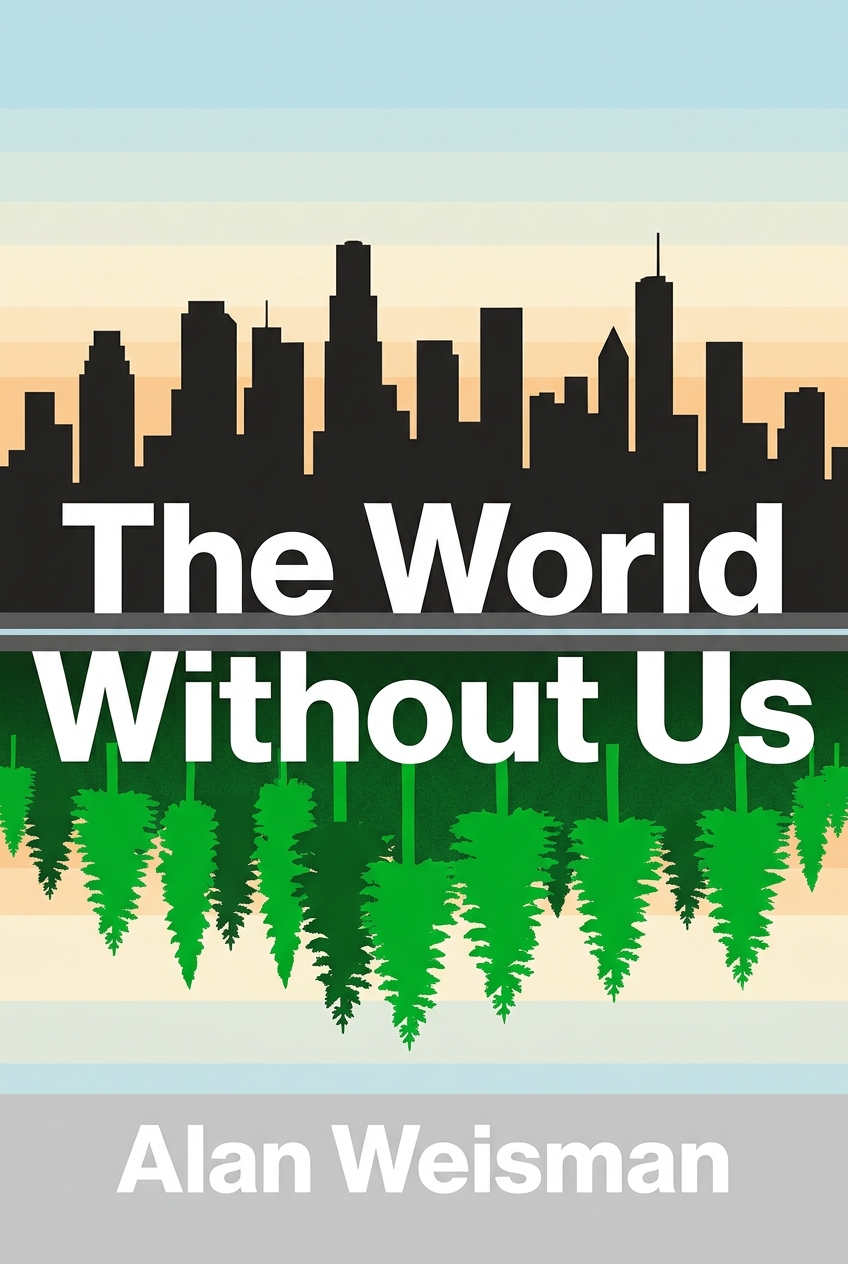
The World Without Us
A thought experiment on how nature would reclaim the Earth if humans vanished.
- Nature would quickly erase many signs of human civilization.
- Some human-made structures might last for millennia.
- The experiment highlights both our impact and nature's resilience.
Curious minds who enjoy big-picture 'what if' scenarios.
A thought experiment on how nature would reclaim the Earth if humans vanished.
Frequently Asked Questions
Ecology is crucial because it explains the relationships between living things and their environment. It helps us understand how our world works, from local ecosystems to global climate patterns. This knowledge is vital for solving environmental problems and ensuring the health of our planet.
Recent discoveries highlight nature's complex networks. Scientists are uncovering how trees communicate via 'wood wide webs' of fungi and the vital role of microbiomes in animal health. Many of the best books about ecology explore these cutting-edge fields.
Ecology affects the clean air you breathe, the water you drink, and the food you eat. It influences weather patterns, pollination for crops, and the stability of the natural systems we all depend on. Understanding it helps us make better choices to support our environment.
For a broad and inspiring introduction to ecology, *Braiding Sweetgrass* is an excellent choice as it weaves science with storytelling. For a practical approach to backyard conservation, Douglas Tallamy's books like *Nature's Best Hope* provide impactful first steps that are ideal for ecology for beginners.