Best Books About Film
Go beyond the screen and dive deep into the world of cinema with our curated selection of the best books on film. Whether you're curious about the science behind a blockbuster, the history of movie-making, or the secrets of your favorite director, these titles offer a new perspective on the art form. This list contains good film books that will turn any casual viewer into a true cinephile, offering insights into everything from directorial technique to color theory. Curated by the VoxBrief team.
The Science of Interstellar
Learn the real astrophysics behind the film's wormholes, black holes, and time travel.
- Gravity can genuinely warp space-time, enabling theoretical time travel.
- Traveling through a wormhole is theoretically plausible under specific conditions.
- The film's depiction of a black hole is based on real scientific equations.
Sci-fi fans and physics enthusiasts curious about cinematic science.
Learn the real astrophysics behind the film's wormholes, black holes, and time travel.
The Great Movies
Discover the hidden language of cinema through the eyes of legendary critic Roger Ebert.
- Great films are defined by artistry, technique, and cultural context.
- Analyzing a director's choices reveals deeper narrative layers and themes.
- Understanding film history enhances your appreciation of modern cinema.
Viewers wanting an introduction to film analysis and criticism.
Discover the hidden language of cinema through the eyes of legendary critic Roger Ebert.
Cinemaps
See the entire journeys of your favorite movie characters laid out on beautiful maps.
- Visualizing a character's path highlights narrative structure and pacing.
- Mapping a film reveals the importance of location and geography in storytelling.
- Iconic movie plots can be understood spatially, like a real journey.
Visual learners and film buffs who love unique art and movie trivia.
See the entire journeys of your favorite movie characters laid out on beautiful maps.
The Film Book, New Edition
Your all-access pass to the history, key genres, and language of the big screen.
- Cinema has evolved from the silent era to CGI through distinct movements.
- Key genres like film noir and sci-fi follow specific narrative conventions.
- Understanding cinematic language helps you analyze any film like a pro.
Beginners looking for a comprehensive introduction to film studies.
Your all-access pass to the history, key genres, and language of the big screen.
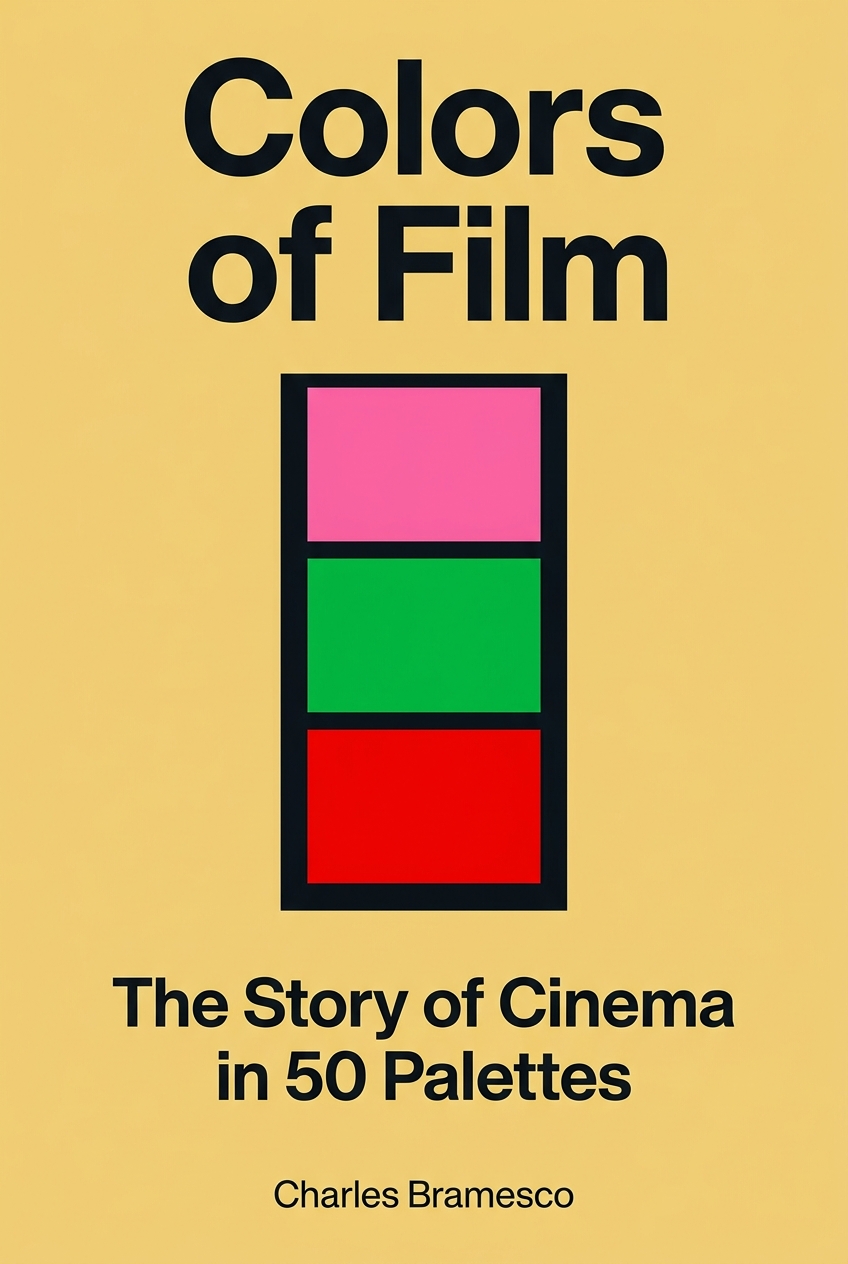
Colors of Film
Learn how filmmakers use color palettes to evoke emotion and tell a hidden story.
- Color is a deliberate tool for creating mood and directing attention.
- Specific palettes are often associated with genres, emotions, and character arcs.
- Analyzing a film's color reveals its subconscious visual language.
Aspiring filmmakers and designers interested in visual storytelling.
Learn how filmmakers use color palettes to evoke emotion and tell a hidden story.
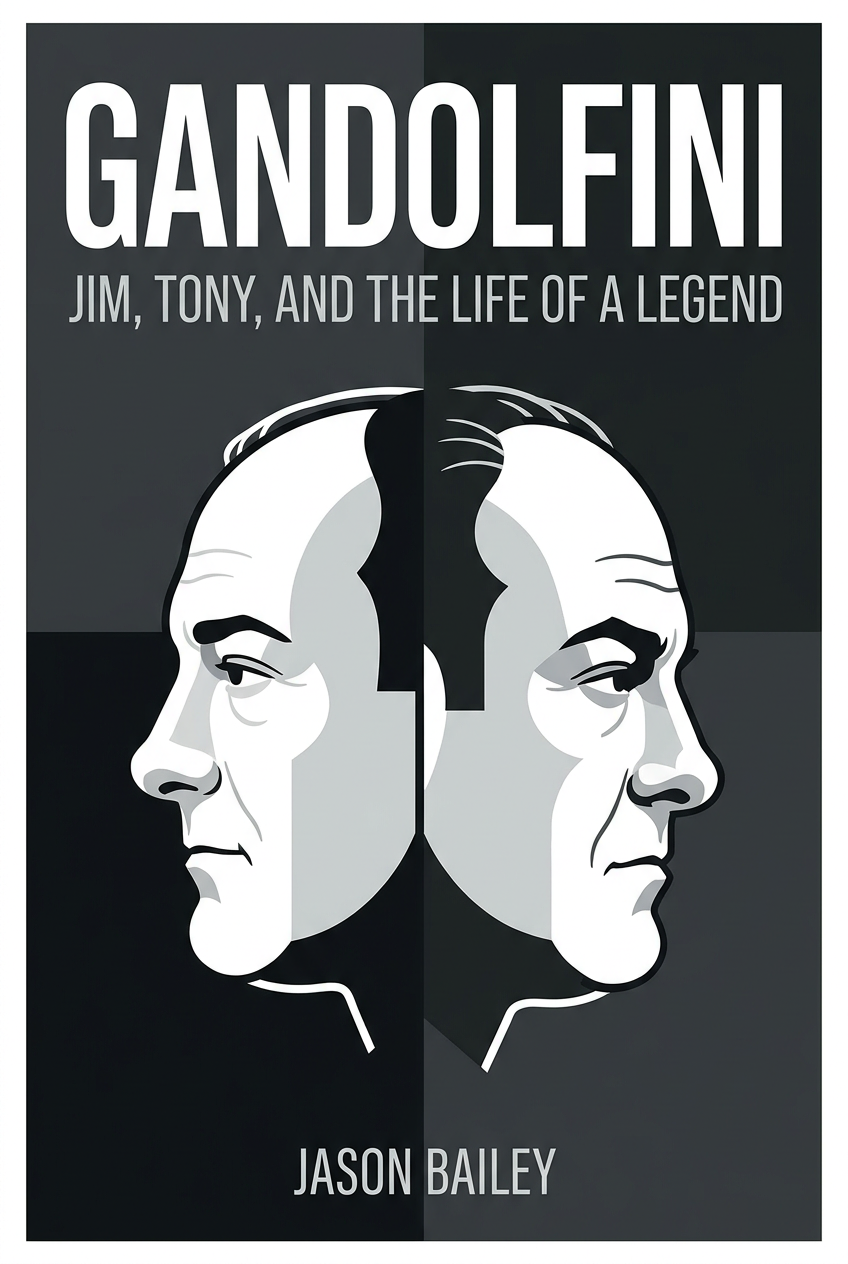
Gandolfini
Uncover the life and intense methods of the actor who became Tony Soprano.
- Gandolfini's personal struggles were intentionally channeled into his acclaimed performances.
- His intense method acting often blurred the line between actor and character.
- He revolutionized the television antihero, making them complex and human.
Fans of The Sopranos and those interested in the craft of character acting.
Uncover the life and intense methods of the actor who became Tony Soprano.
1001 Movies You Must See Before You Die
Your ultimate cinematic bucket list, curated by experts to cover movie history.
- This list provides a chronological roadmap through cinema's greatest achievements.
- Each film is chosen for its cultural impact or technical innovation.
- Discover essential classics and hidden gems you might otherwise miss.
Film lovers feeling overwhelmed and wanting a curated watchlist.
Your ultimate cinematic bucket list, curated by experts to cover movie history.
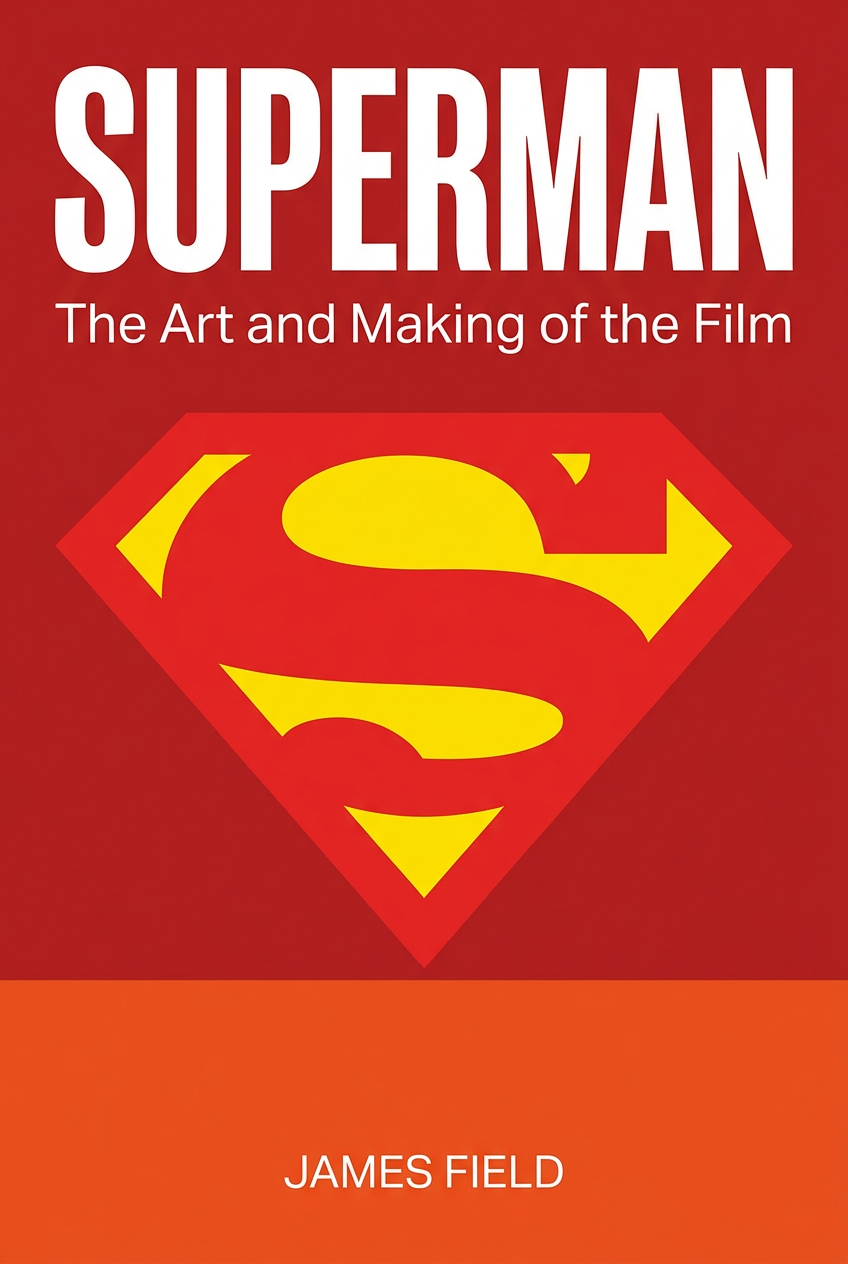
Superman
The untold story of how the troubled 1978 Superman film became a classic.
- The film overcame immense production, casting, and script challenges.
- Its special effects, particularly the flying sequences, were revolutionary for the era.
- The production proved a superhero film could be treated as serious art.
Fans of superhero movies and anyone who loves behind-the-scenes stories.
The untold story of how the troubled 1978 Superman film became a classic.
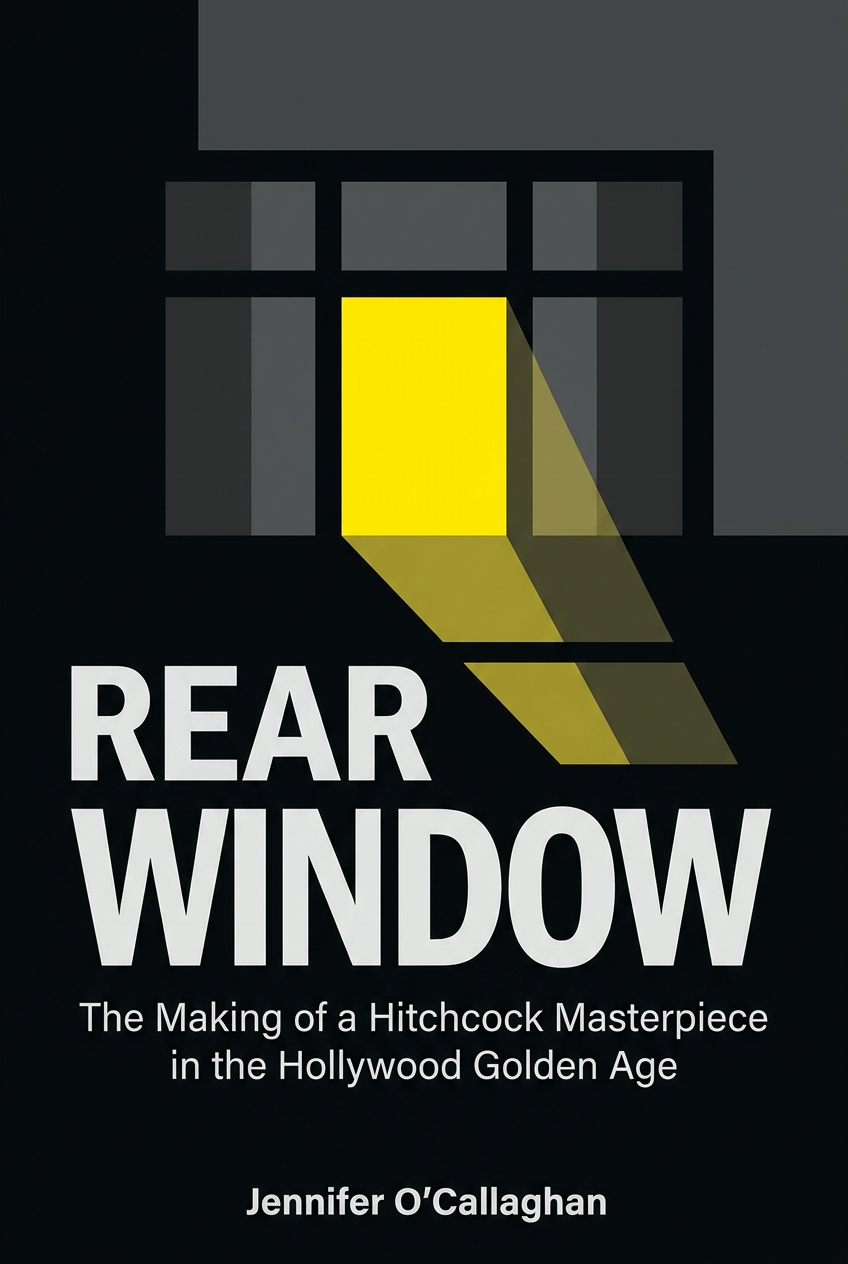
Rear Window
Learn how Hitchcock turned a single set into a masterclass in suspense.
- Creative limitations can fuel groundbreaking cinematic techniques.
- The film masterfully explores themes of voyeurism, ethics, and suspicion.
- Hitchcock used a confined space to build unprecedented audience tension.
Aspiring directors and fans of suspense who want to learn from a master.
Learn how Hitchcock turned a single set into a masterclass in suspense.
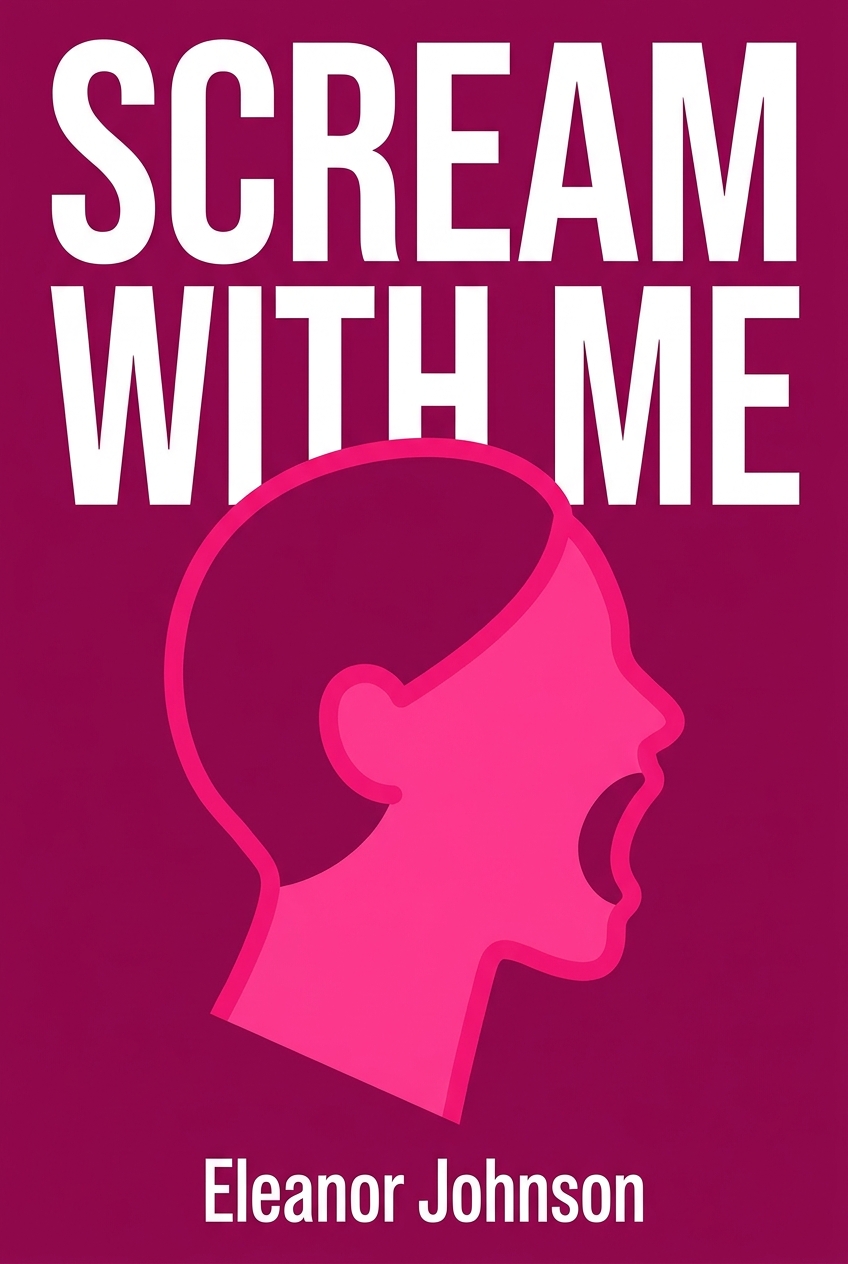
Scream with Me
Discover the surprising link between classic horror movies and second-wave feminism.
- The "final girl" trope reflects society's changing views on women's roles.
- Horror films often mirror contemporary social anxieties and hopes.
- Iconic horror heroines can be interpreted as symbols of female empowerment.
Horror fans and readers interested in feminist film theory.
Discover the surprising link between classic horror movies and second-wave feminism.
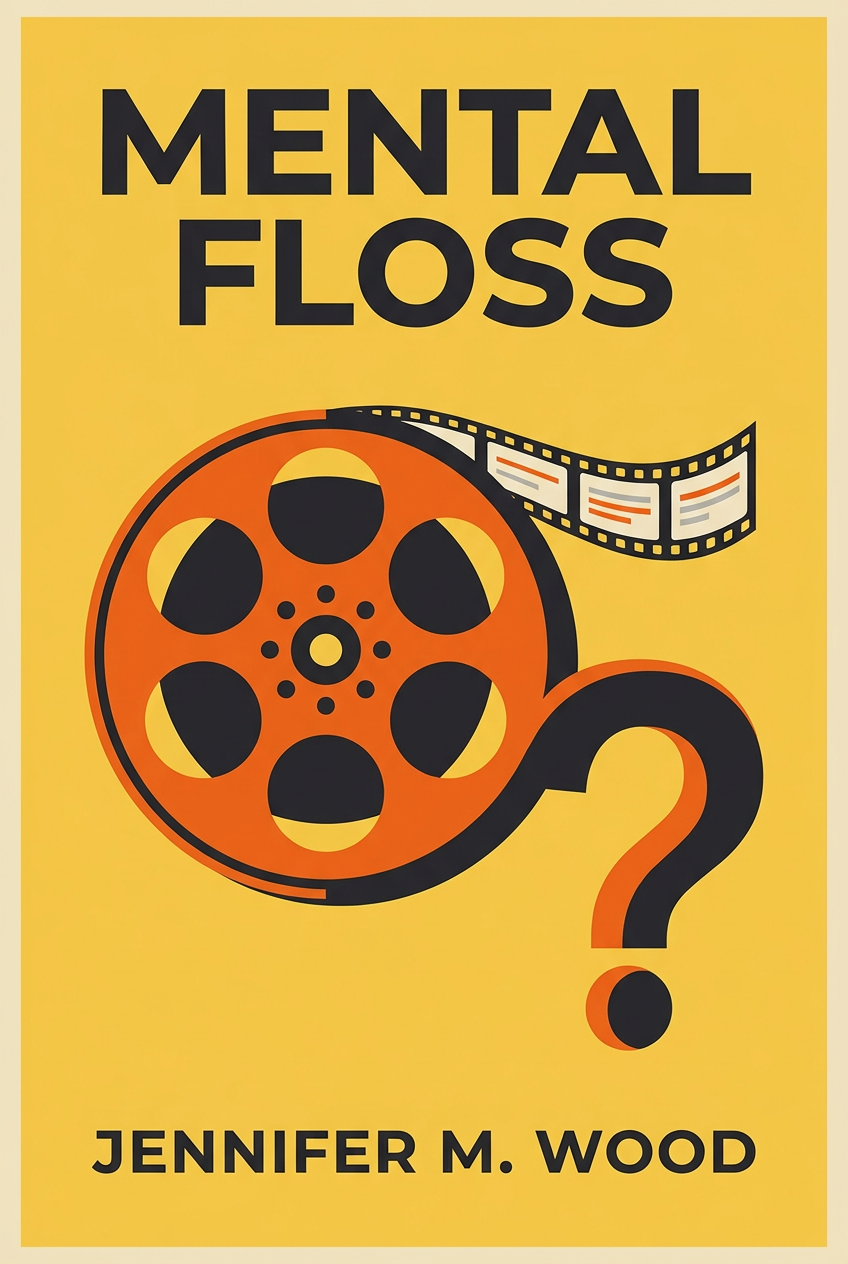
Mental Floss
Your all-access pass to weird, funny, and fascinating movie-making secrets.
- Many classic films were nearly ruined by production issues before being saved.
- Casting what-ifs could have drastically changed cinematic history.
- Behind-the-scenes stories reveal the chaos and creativity of filmmaking.
Movie trivia lovers who want to know the craziest on-set stories.
Your all-access pass to weird, funny, and fascinating movie-making secrets.
Frequently Asked Questions
Film is an art form that uses moving images and sound to tell stories, convey ideas, and evoke emotions. It is a powerful cultural force that serves as entertainment, a historical document, and a medium for artistic expression that both reflects and shapes our world.
Learning about film transforms you from a passive watcher into an active, discerning viewer. It deepens your appreciation by revealing the techniques directors use to build worlds and guide emotions, and it provides the historical context to understand a movie's true cultural impact.
For those seeking an introduction to film, *The Film Book* offers a fantastic, comprehensive overview of cinema's history, genres, and key figures. For a more critical approach, *The Great Movies* by Roger Ebert is a masterclass in how to analyze and appreciate what makes a movie truly great.