Kazuo Ishiguro Books
Exploring the work of Kazuo Ishiguro offers a masterclass in subtle storytelling. A key fact about Kazuo Ishiguro is his Nobel Prize win, a testament to his unique literary voice. His acclaimed writing style often involves unreliable narrators, memory, and identity, creating deeply moving and thought-provoking narratives. This guide to the best Kazuo Ishiguro books will help you navigate his incredible fiction, from haunting sci-fi to historical allegories, showcasing why this kazuo author is a modern master. Our definitive Kazuo Ishiguro book list is perfect for new and longtime readers alike. Curated by the VoxBrief team.
Pachinko
An epic saga of a Korean family's resilience and identity in Japan.
- Discover the enduring power of family ties against all odds.
- Learn about resilience and finding strength in your identity.
- Explore themes of sacrifice, discrimination, and belonging.
Readers looking for a multi-generational family epic full of history.
An epic saga of a Korean family's resilience and identity in Japan.

Klara and the Sun
What does it mean to love in a world with perfect AI companions?
- Explore love and sacrifice through the eyes of an 'Artificial Friend'.
- Question the true nature of consciousness and human connection.
- See how technology reflects and shapes our deepest needs.
Readers pondering the future of AI and human relationships.
What does it mean to love in a world with perfect AI companions?
Never Let Me Go
What if your entire life was carefully designed for a secret, shocking purpose?
- Cherish friendship and love in the face of a predetermined fate.
- Confront the heavy ethical questions of a dystopian society.
- Understand what it means to live a full life, no matter its length.
Fans of speculative fiction that raises deep ethical questions.
What if your entire life was carefully designed for a secret, shocking purpose?
No Longer Human
Feel like you're wearing a mask? This reveals the fear of being truly seen.
- Dive into a mind haunted by a profound sense of alienation.
- Explore how trauma can create a lifelong feeling of being an outsider.
- Understand the struggle of performing for society while feeling empty.
Those who appreciate dark, philosophical explorations of the human psyche.
Feel like you're wearing a mask? This reveals the fear of being truly seen.
The Buried Giant
In a land of collective amnesia, can love survive a forgotten past?
- Examine the powerful link between memory, identity, and peace.
- Consider whether forgetting painful histories is a curse or a blessing.
- Journey through a mythic, post-Arthurian England of ogres and knights.
Lovers of high-concept fantasy who enjoy allegorical, philosophical tales.
In a land of collective amnesia, can love survive a forgotten past?
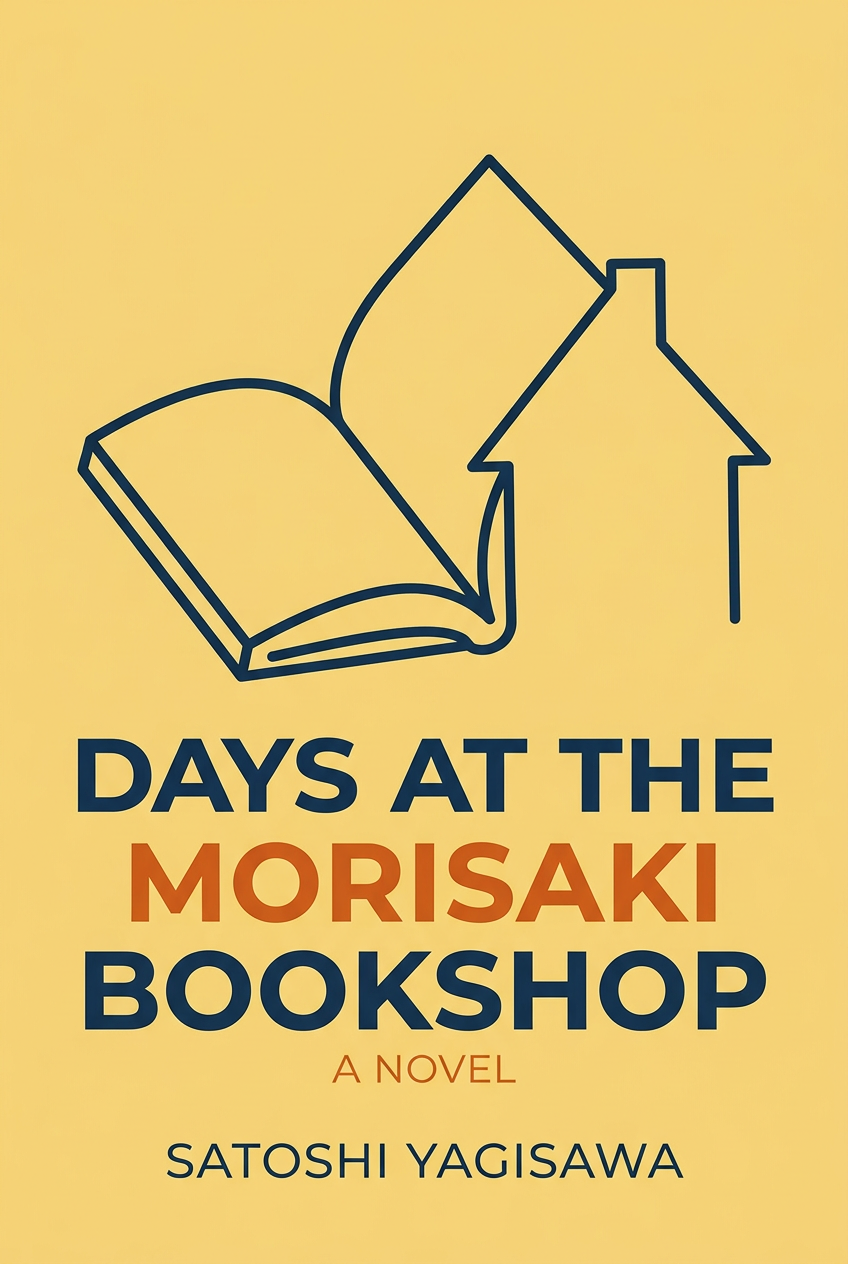
Days at the Morisaki Bookshop
A quiet, forgotten bookshop becomes the key to healing a broken heart.
- Discover the comforting and healing power of books and reading.
- Learn how simple environments can spark profound personal change.
- Embrace unexpected friendships and the magic of a new start.
Book lovers seeking a gentle, heartwarming story about finding yourself.
A quiet, forgotten bookshop becomes the key to healing a broken heart.
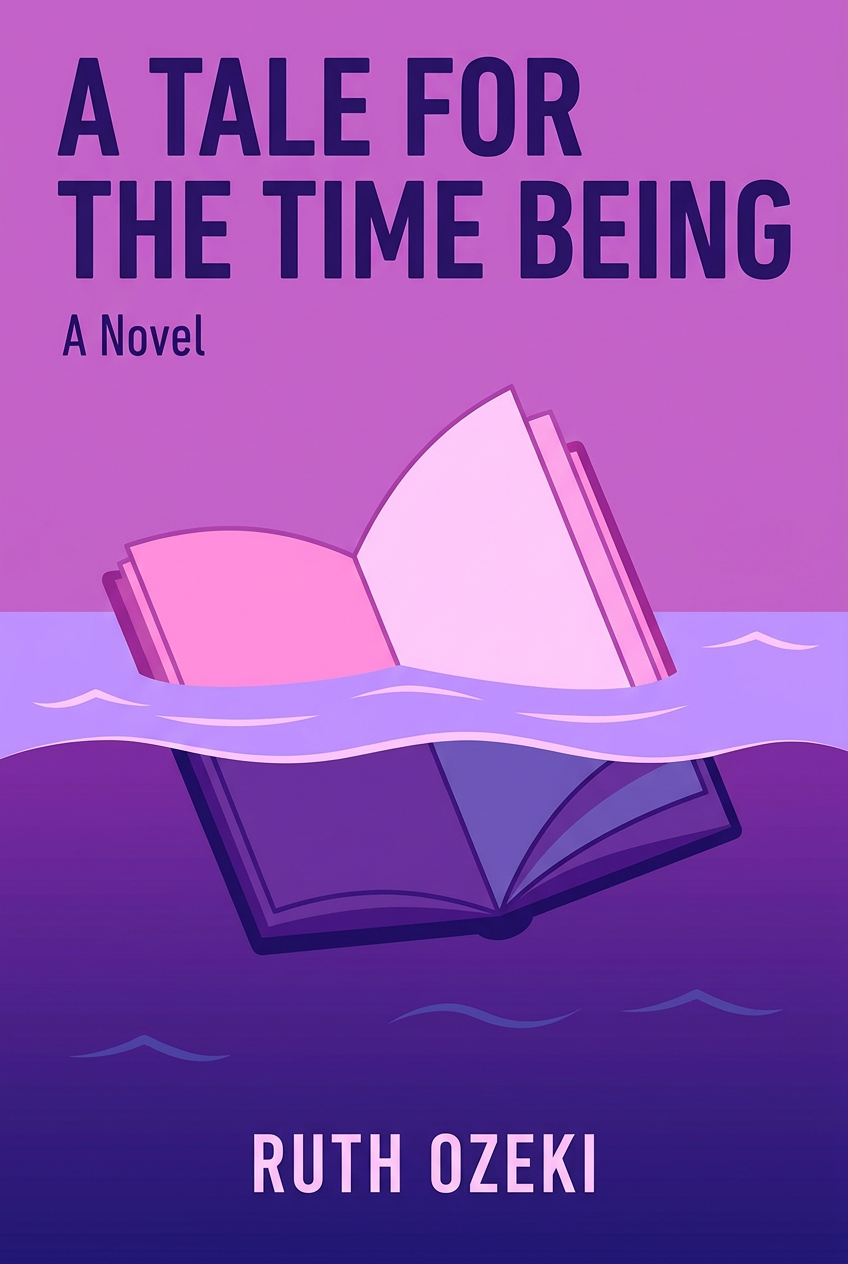
A Tale for the Time Being
A writer and a teen connect across time and space through a washed-up diary.
- Explore how storytelling can bridge vast physical and emotional distances.
- Unpack Zen Buddhist principles and quantum physics in a narrative.
- Find profound connection in a seemingly disconnected world.
Readers who enjoy complex, metaphysical narratives and layered storytelling.
A writer and a teen connect across time and space through a washed-up diary.
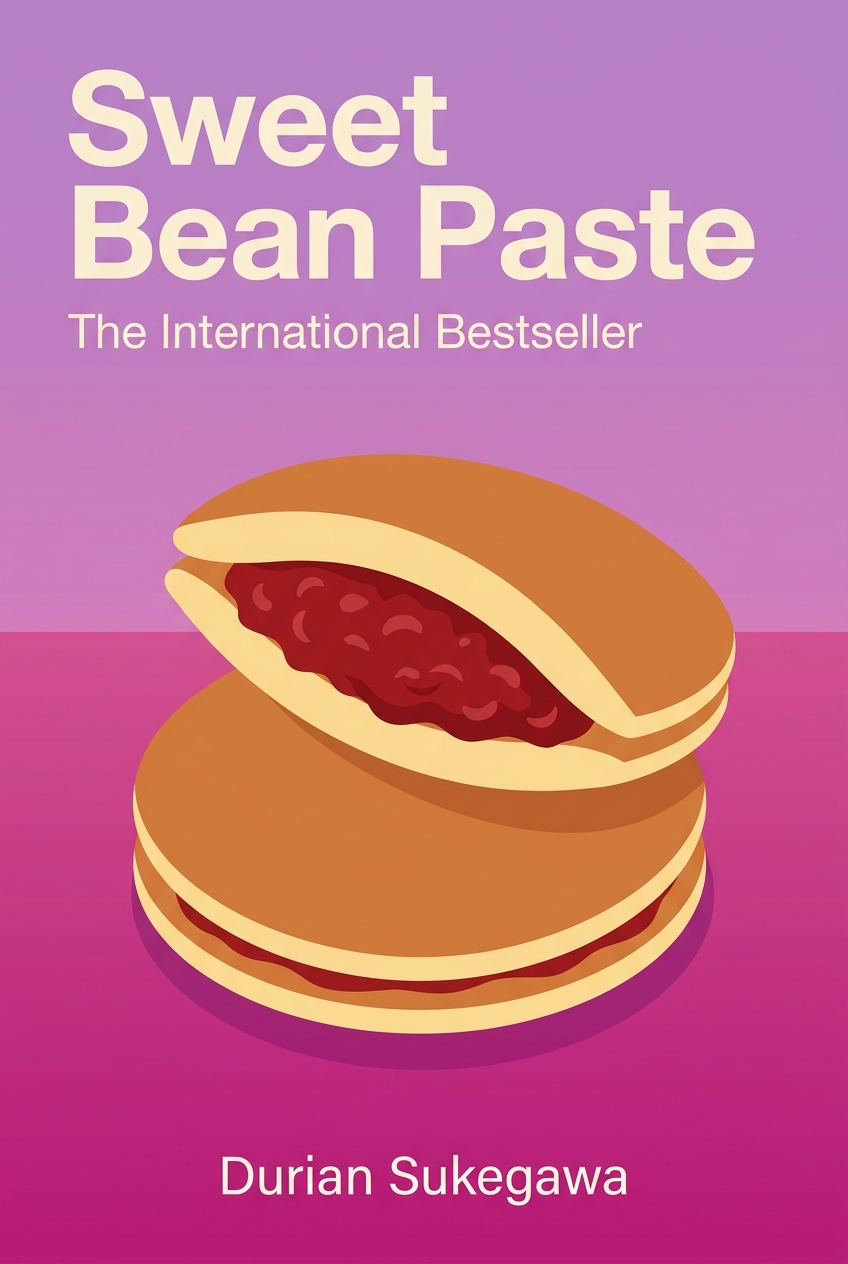
Sweet Bean Paste
A secret recipe teaches empathy, connection, and embracing life's imperfections.
- Learn to listen to the stories that others carry with them.
- Find profound meaning and purpose in simple, everyday acts.
- Understand the power of empathy to heal past wounds.
Those seeking a touching story about kindness, food, and human connection.
A secret recipe teaches empathy, connection, and embracing life's imperfections.
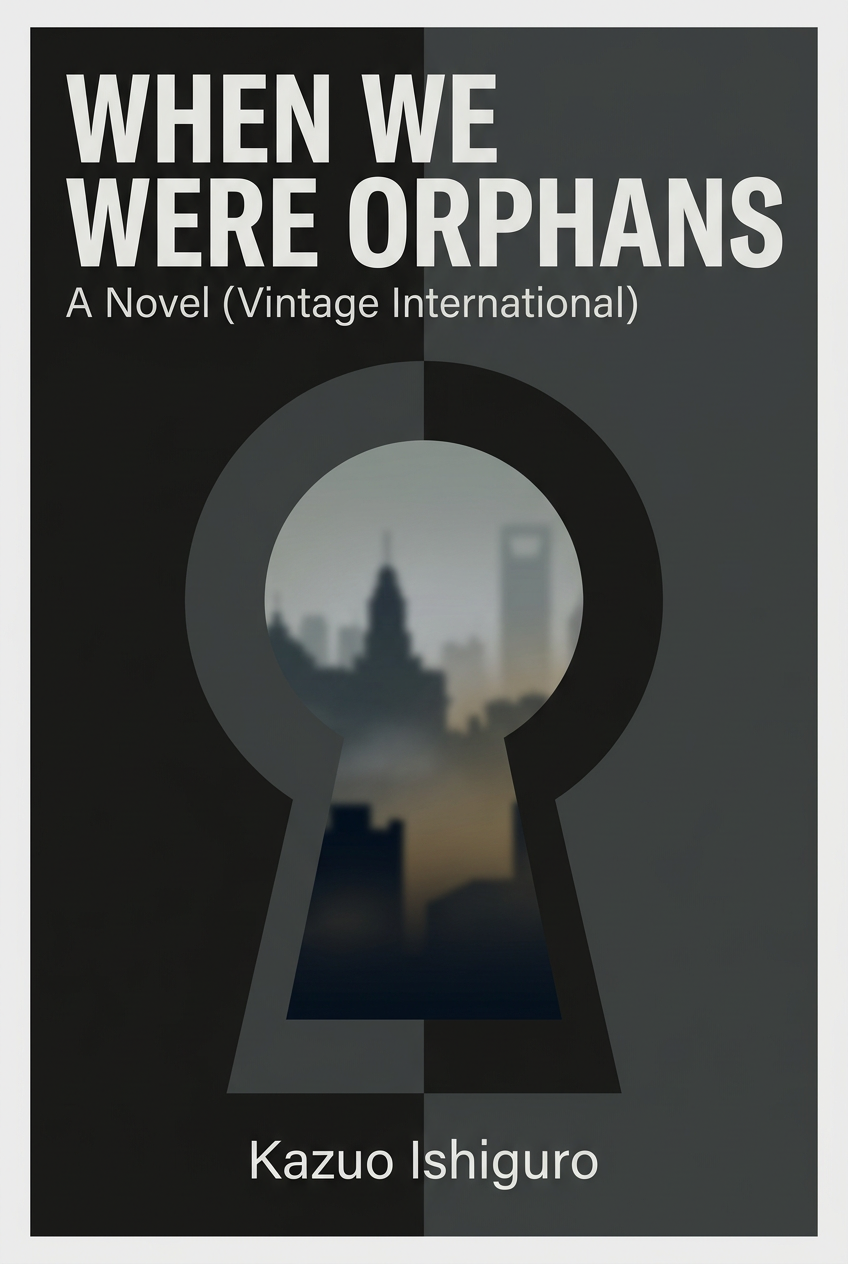
When We Were Orphans
A detective returns to pre-war Shanghai to solve his parents' disappearance.
- Follow a mystery where memory and identity are constantly questioned.
- Uncover a labyrinth of political intrigue and personal secrets.
- Explore how childhood mysteries can shape an entire adult life.
Fans of detective stories blended with historical and psychological fiction.
A detective returns to pre-war Shanghai to solve his parents' disappearance.
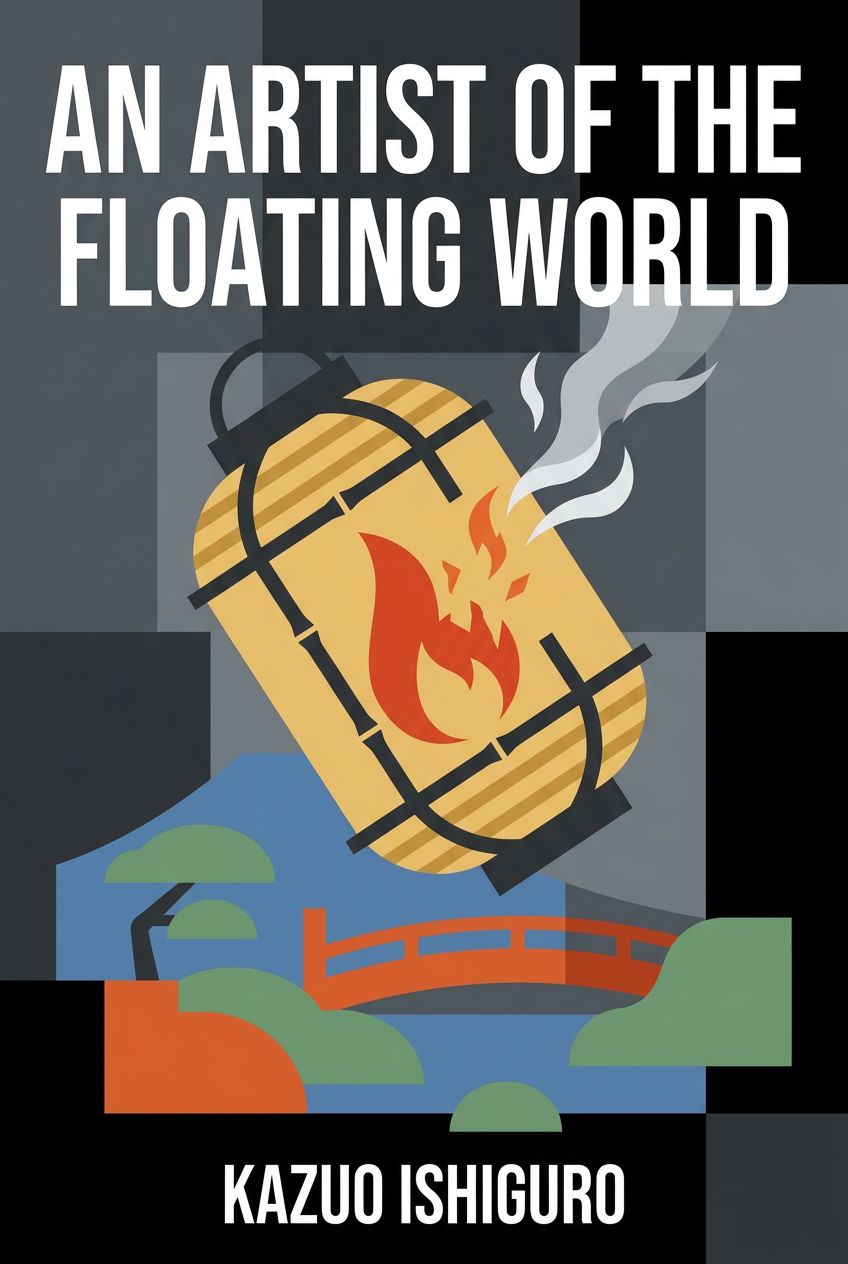
An Artist of the Floating World
An aging painter confronts his controversial past and shifting reputation after WWII.
- Explore how personal ambition can clash with national identity.
- Understand why we rewrite our own histories to fit a better narrative.
- Witness the fragile nature of memory and personal legacy.
Those interested in historical fiction and the complexities of memory.
An aging painter confronts his controversial past and shifting reputation after WWII.
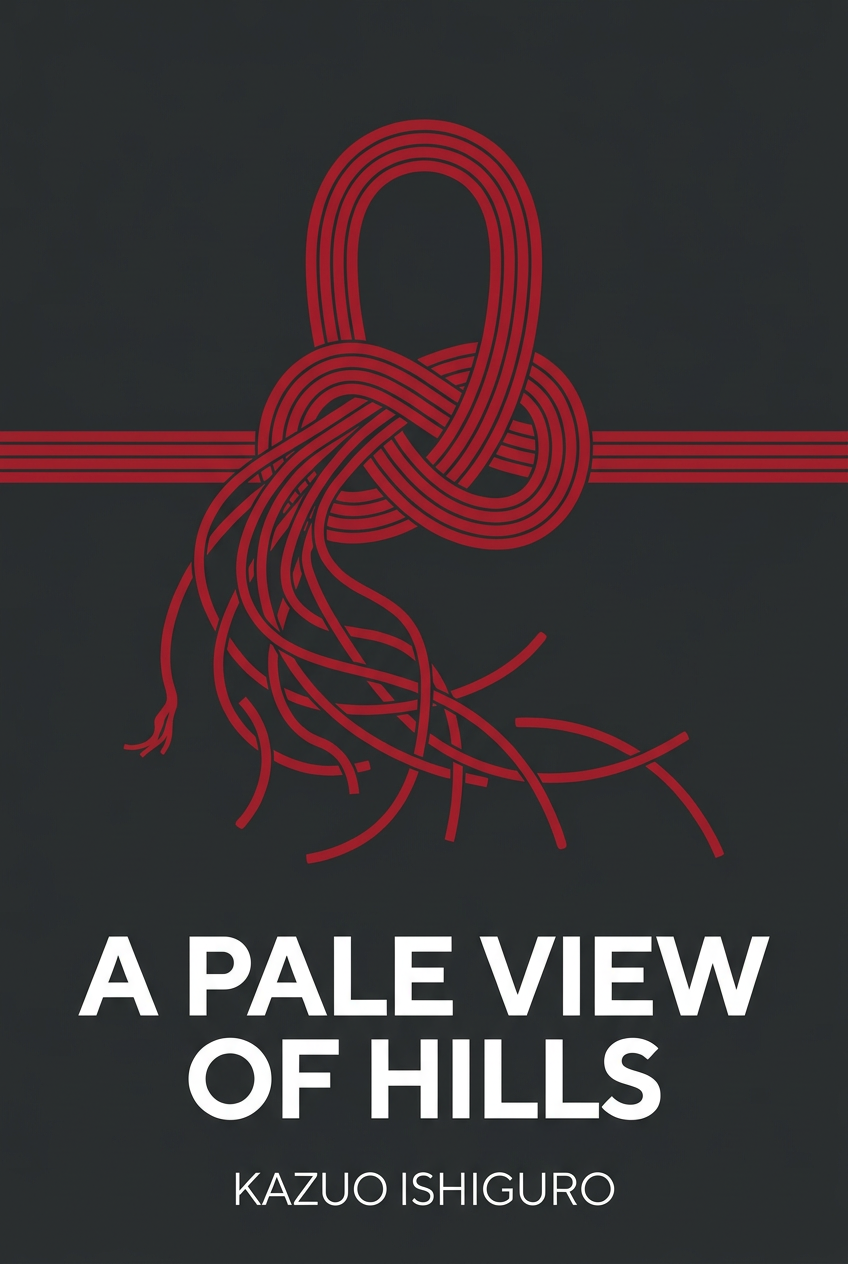
A Pale View of Hills
A woman in England is haunted by memories of post-war Nagasaki.
- Navigate a story where memory is unreliable and truth is elusive.
- See how personal trauma and historical catastrophe intertwine.
- Uncover the profound secrets we often keep from ourselves.
Readers who appreciate subtle, psychological narratives with chilling undertones.
A woman in England is haunted by memories of post-war Nagasaki.
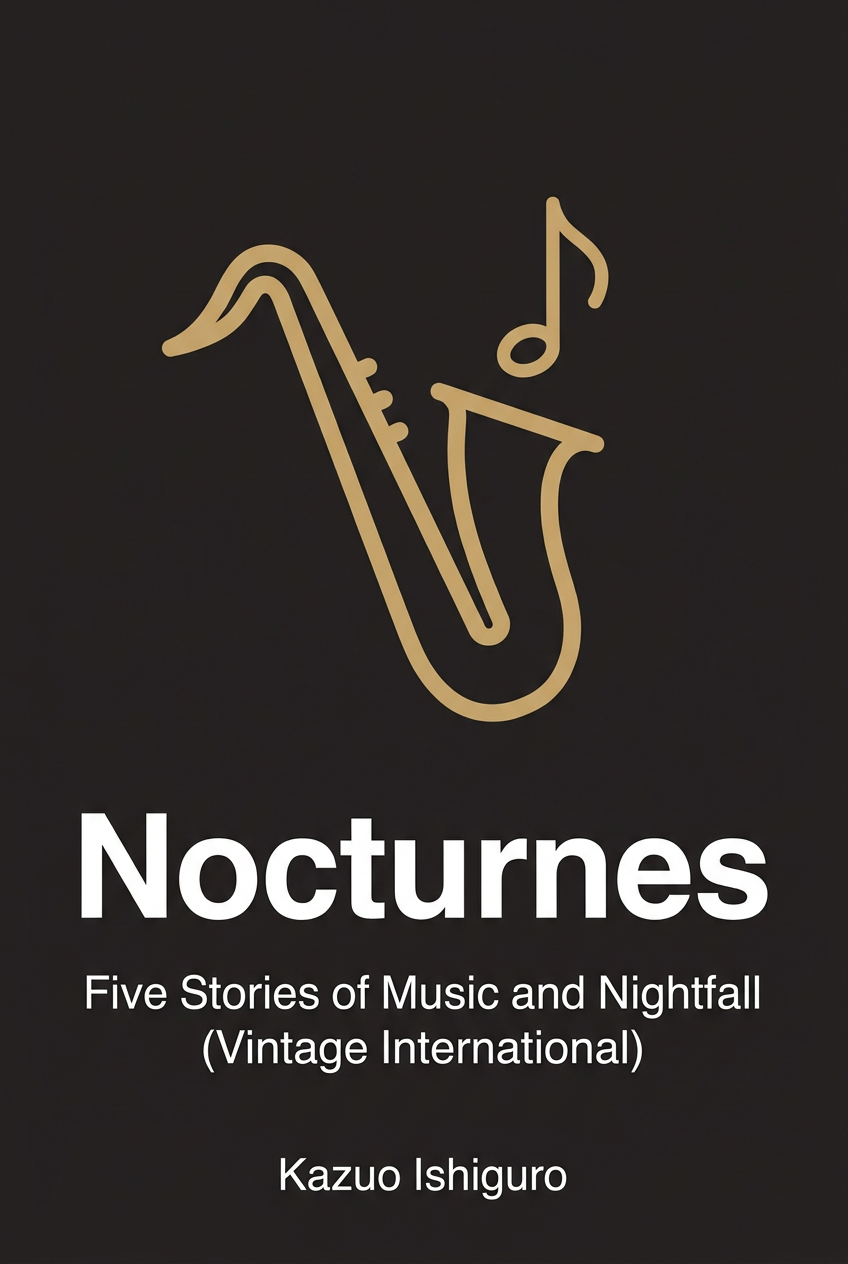
Nocturnes
Five musicians grapple with the twilight of their careers and faded dreams.
- Explore the bittersweet melody of regret, hope, and ambition.
- Witness the delicate dance between artistic talent and reality.
- Find beauty in the quiet moments of unfulfilled potential.
Anyone who has ever chased a dream or felt their best days are behind them.
Five musicians grapple with the twilight of their careers and faded dreams.

Kokoro
A young man uncovers the hidden sadness and guilt of his enigmatic mentor.
- Explore the heavy price of guilt, betrayal, and loneliness.
- Understand the unspoken secrets that can define a relationship.
- Delve into a classic of Japanese literature about the human heart.
Fans of classic literature and psychological dramas about the human condition.
A young man uncovers the hidden sadness and guilt of his enigmatic mentor.
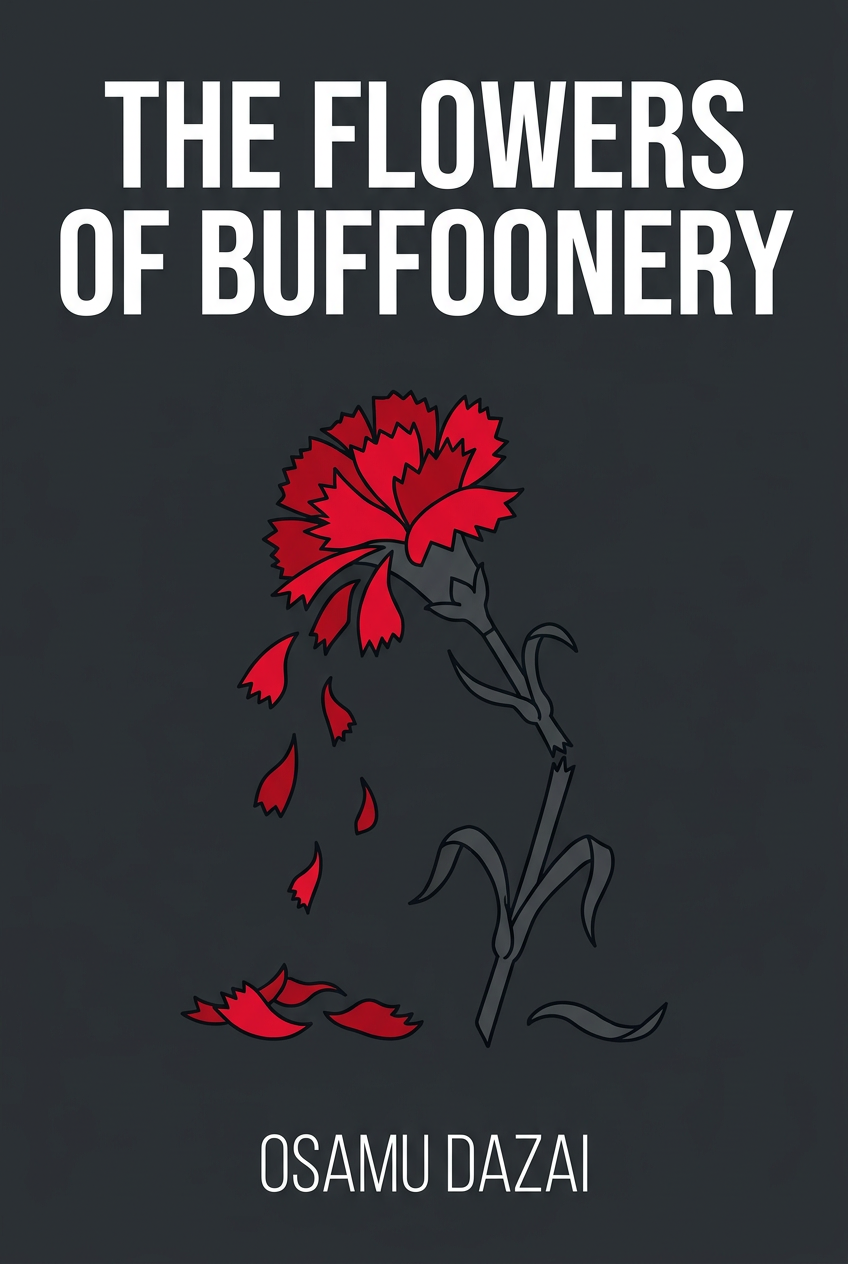
The Flowers of Buffoonery
Humor becomes a shield for a young man grappling with absurdity and existence.
- Discover the surprising strength found in vulnerability and humor.
- Explore why we perform roles for others to navigate social absurdities.
- Embrace life's ridiculousness to find genuine connection.
Admirers of dark comedies and existential fiction from post-war Japan.
Humor becomes a shield for a young man grappling with absurdity and existence.
Frequently Asked Questions
While 'best' is subjective, many critics and readers point to 'The Remains of the Day' as his masterpiece for its perfect emotional restraint. 'Never Let Me Go' is also a phenomenal contender, beloved for its powerful emotional impact and haunting speculative premise.
For beginners, 'Never Let Me Go' is an excellent starting point. It's accessible, emotionally resonant, and a perfect introduction to his thematic obsessions with memory and identity. If you prefer more straightforward science fiction, 'Klara and the Sun' is also a fantastic choice.
No, there is no required reading order for his books as they are all standalone novels. You can start with any book that interests you. Some readers enjoy reading them in publication order to see his evolution as a writer, but it is not necessary to enjoy them.