Best Books On Loneliness
Understanding what is loneliness is the first step toward connection. While it's a universal human experience, learning how to overcome loneliness can feel like a solitary journey. This collection of the best books about loneliness provides a roadmap, offering wisdom from therapists, psychologists, and spiritual thinkers. Our summaries of these top loneliness books distill practical strategies for building meaningful relationships with yourself and others. Find solace and actionable advice in these powerful reads. Curated by the VoxBrief team.

Maybe You Should Talk to Someone
A therapist reveals universal human struggles from both sides of the couch.
- Everyone shares universal truths about love, loss, and change.
- Reframing your story is key to finding meaning in life's messiness.
- Vulnerability is a powerful tool for connection and growth.
Those feeling isolated and seeking a relatable look at human struggles.
A therapist reveals universal human struggles from both sides of the couch.

The Courage to Be Disliked
Live freely by letting go of the need for others' approval.
- Separate your tasks from others' to stop worrying what they think.
- You are not defined by your past; you can change at any moment.
- True freedom comes from living without seeking external validation.
People-pleasers who want to build self-worth and confidence.
Live freely by letting go of the need for others' approval.

Don't Believe Everything You Think
Find effortless peace by understanding how your thoughts create your reality.
- Feelings originate from your thinking, not your external circumstances.
- You can detach from anxious thoughts by simply observing them.
- Inner peace is your natural state, accessible at any moment.
Overthinkers and anxious individuals seeking a simple path to calm.
Find effortless peace by understanding how your thoughts create your reality.

Uninvited
Overcome rejection and find your sense of belonging through faith.
- Identify and challenge the destructive beliefs rooted in rejection.
- Embrace the truth that you are inherently worthy of love.
- Cultivate a deep sense of belonging based on God's acceptance.
Those struggling with feelings of rejection, seeking spiritual comfort.
Overcome rejection and find your sense of belonging through faith.

Lost Connections
Discover the nine real, overlooked causes of depression and anxiety.
- Depression is often caused by a lack of social and a-social connections.
- Causes include loss of meaningful work, values, and community.
- Reconnect with people, nature, and purpose to find healing.
Anyone feeling disconnected despite having a seemingly "good" life.
Discover the nine real, overlooked causes of depression and anxiety.
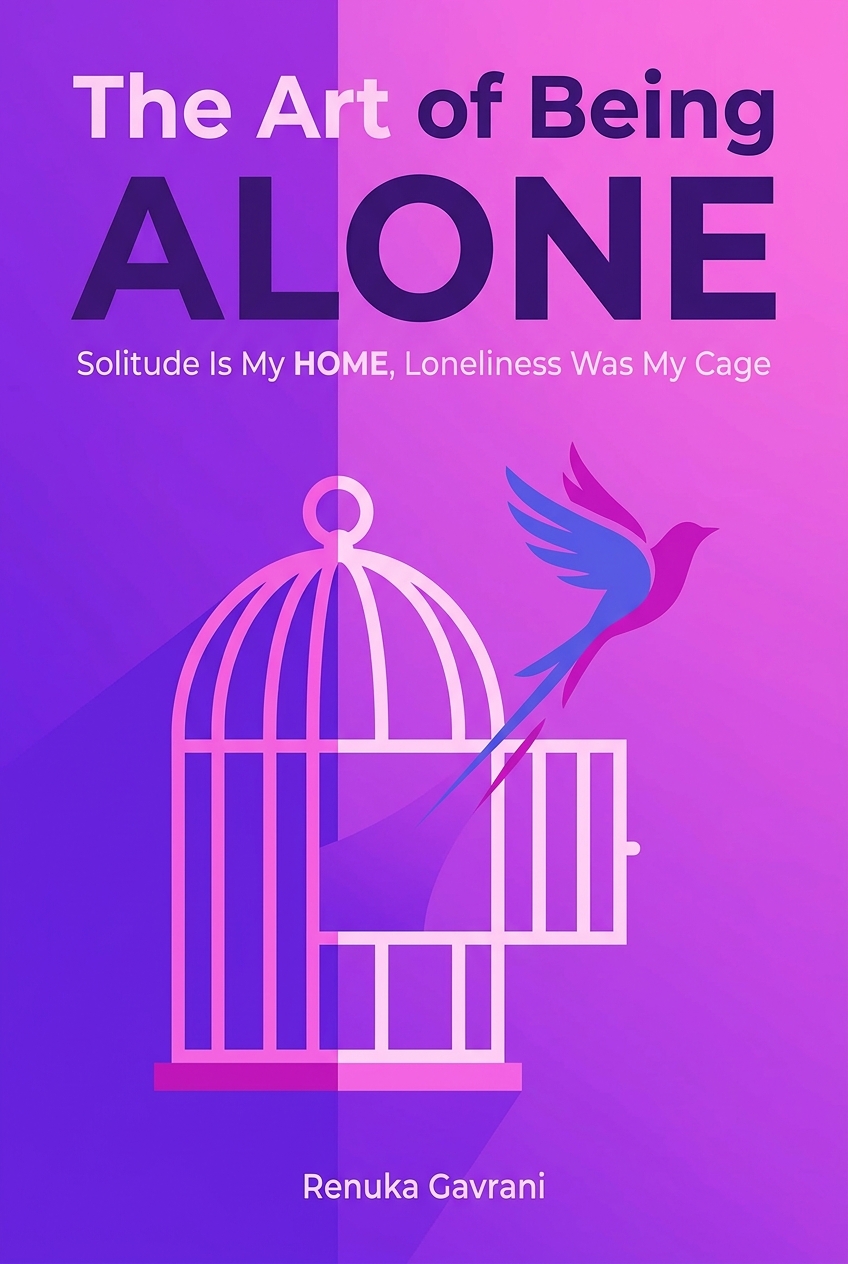
The Art of Being ALONE
Transform solitude from a source of fear into your greatest strength.
- Reframe your mindset to distinguish loneliness from being alone.
- Cultivate fulfilling solo habits to build a home within yourself.
- Stop depending on others for your happiness and find self-love.
Individuals who fear being alone and want to find peace in solitude.
Transform solitude from a source of fear into your greatest strength.

The Opposite of Loneliness
A poignant reminder that you have the power to create a life of purpose.
- Embrace the uncertainty of the future with hope, not fear.
- You have the power to define your purpose and create a meaningful life.
- We are all connected by shared feelings of potential and uncertainty.
Young adults and students navigating the transition into the future.
A poignant reminder that you have the power to create a life of purpose.

Come Together
Use science-based strategies to build amazing sexual connection.
- Great sex is built on confident communication and teamwork.
- Understand the science of pleasure to enhance intimacy.
- A simple framework can create fulfilling sexual experiences every time.
Couples seeking to deepen their physical and emotional intimacy.
Use science-based strategies to build amazing sexual connection.
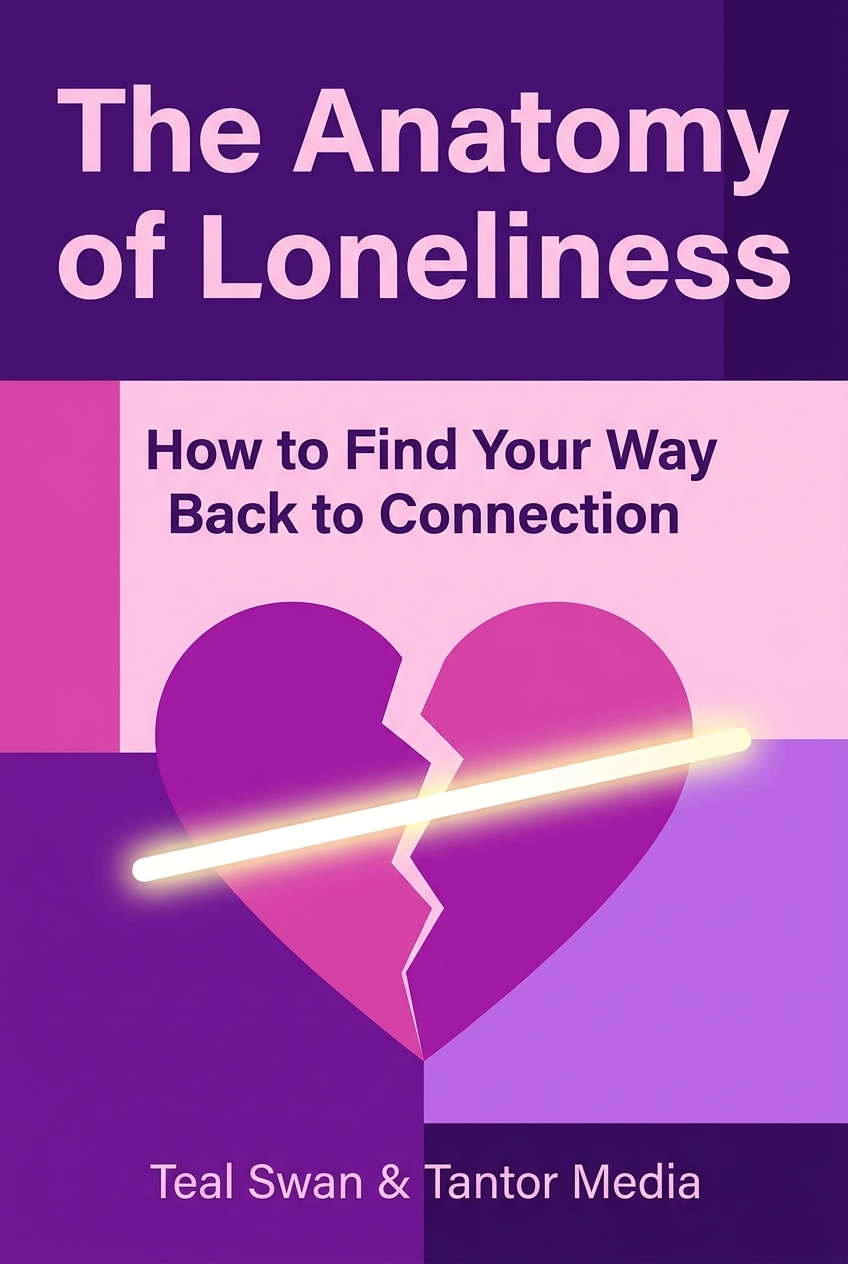
The Anatomy of Loneliness
Uncover the root of your isolation and find your way back to connection.
- Loneliness is a fundamental disconnect, not just sadness.
- Heal relationships with yourself, others, and the world.
- Use practical tools to heal past wounds that cause isolation.
Those who feel lonely even when surrounded by other people.
Uncover the root of your isolation and find your way back to connection.
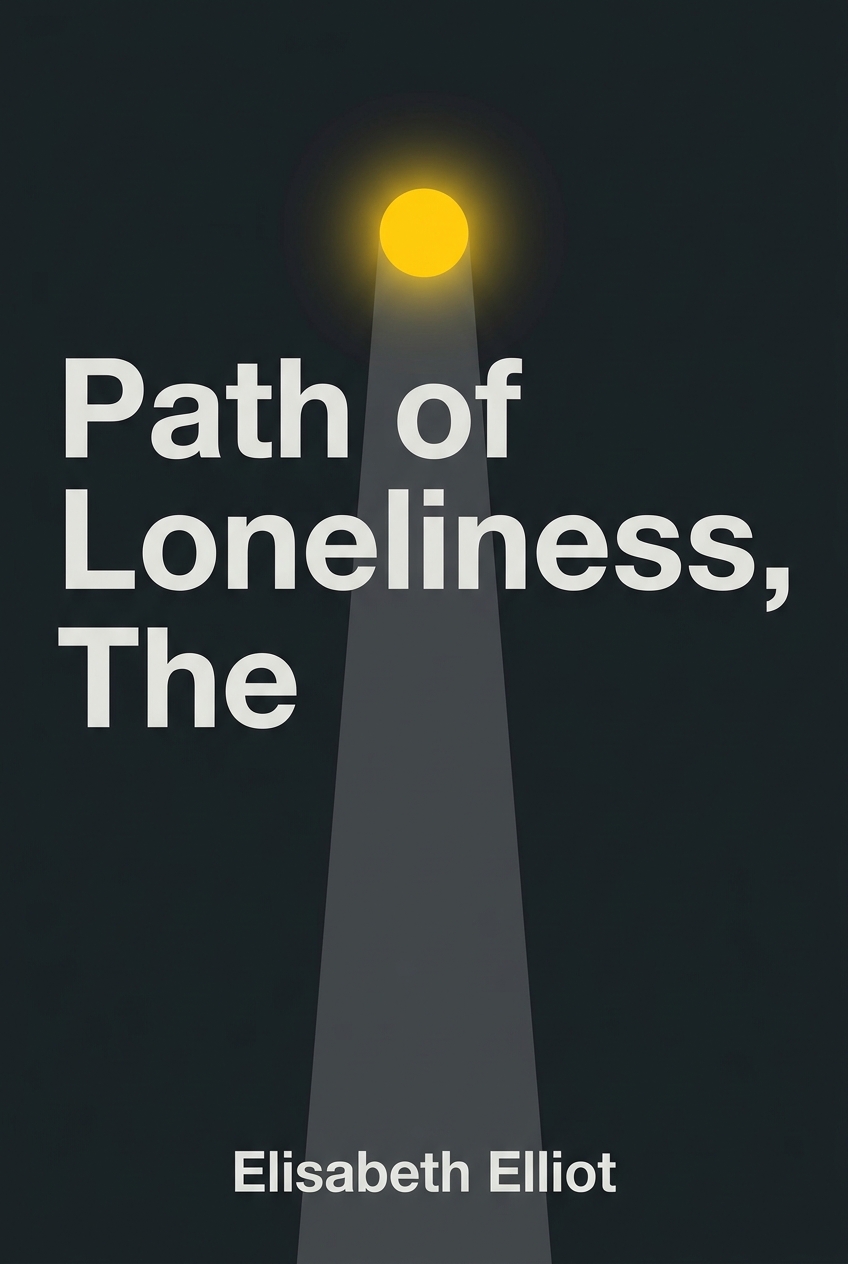
Path of Loneliness, The
See loneliness not as a curse, but as a sacred path to God.
- Embrace solitude as a unique space for spiritual renewal.
- Your lonely seasons can be powerful opportunities for growth.
- Find a deeper connection with God through personal trials.
Individuals of faith seeking purpose in their periods of isolation.
See loneliness not as a curse, but as a sacred path to God.

On Love and Loneliness
Break the cycle of loneliness by understanding the nature of true love.
- Our search for love often creates dependency, fear, and isolation.
- Distinguish between genuine love and attachment to find freedom.
- Ending loneliness starts with cultivating a rich inner life.
People who feel isolated in relationships and seek true connection.
Break the cycle of loneliness by understanding the nature of true love.
Frequently Asked Questions
Loneliness can stem from many causes, including major life changes like moving or starting a new job, a lack of meaningful social connections, or underlying feelings of not being understood. Books like 'Lost Connections' explore how societal shifts and personal history contribute to these feelings.
Yes, absolutely. Loneliness is a feeling, not a permanent state, and it can be improved by taking intentional steps. This involves understanding its root causes, changing your mindset, and developing practical skills for connection, as outlined in books like 'The Art of Being ALONE'.
Overcoming loneliness long-term involves building a strong relationship with yourself and cultivating a few deep, meaningful connections with others. This means moving beyond superficial interactions to share your authentic self, a journey explored in books like 'The Anatomy of Loneliness'. It's a continuous practice, not a one-time fix.