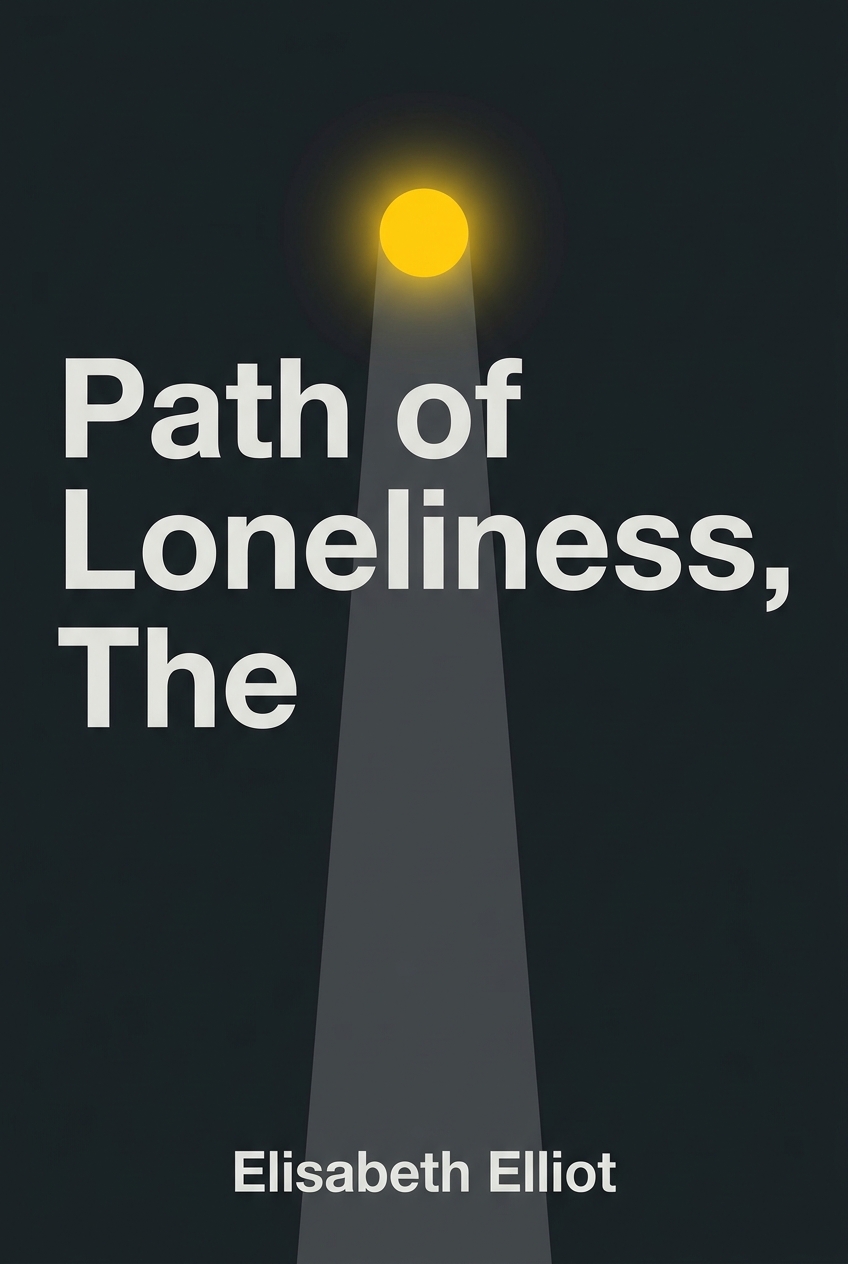
Path of Loneliness, The
What's it about
Feeling lost in the crowd or misunderstood even by those you love? What if your seasons of loneliness weren't a curse, but a sacred path to deeper connection with God and a stronger sense of self? Discover how to transform your most isolating moments into powerful opportunities for growth. Elisabeth Elliot shares her own profound experiences with loss and solitude to guide you. You'll learn to embrace loneliness not as an enemy, but as a unique space for spiritual renewal. Uncover how to find purpose in solitude, cultivate resilience, and see your loneliness as an invitation to a more intimate and fulfilling relationship with God.
Meet the author
Elisabeth Elliot was one of the most influential Christian writers and speakers of the twentieth century, shaping the faith of millions through her unflinching honesty and profound wisdom. Her perspective on suffering was forged in the crucible of personal tragedy, most notably the spearing death of her first husband, Jim Elliot, a missionary to an unreached people group in Ecuador. Rather than retreat, she chose to live among her husband's killers, offering a stunning example of forgiveness. This experience, along with a lifetime of devotion, gave her a unique and deeply credible voice on finding God's presence in the midst of profound loneliness and loss.
What's it about
Feeling lost in the crowd or misunderstood even by those you love? What if your seasons of loneliness weren't a curse, but a sacred path to deeper connection with God and a stronger sense of self? Discover how to transform your most isolating moments into powerful opportunities for growth. Elisabeth Elliot shares her own profound experiences with loss and solitude to guide you. You'll learn to embrace loneliness not as an enemy, but as a unique space for spiritual renewal. Uncover how to find purpose in solitude, cultivate resilience, and see your loneliness as an invitation to a more intimate and fulfilling relationship with God.
Meet the author
Elisabeth Elliot was one of the most influential Christian writers and speakers of the twentieth century, shaping the faith of millions through her unflinching honesty and profound wisdom. Her perspective on suffering was forged in the crucible of personal tragedy, most notably the spearing death of her first husband, Jim Elliot, a missionary to an unreached people group in Ecuador. Rather than retreat, she chose to live among her husband's killers, offering a stunning example of forgiveness. This experience, along with a lifetime of devotion, gave her a unique and deeply credible voice on finding God's presence in the midst of profound loneliness and loss.
The Script
You've reached the end of the free preview.