Morgan Housel Books
Known for his clear and compelling writing style, Morgan Housel demystifies the psychology behind financial decisions. While his ideas feel biographical, his work provides deep insights about Morgan Housel's philosophy on wealth and well-being. This morgan housel book list explores his foundational ideas on behavior, luck, and risk. We've compiled the essential morgan housel books to help you understand timeless truths and make better choices, not just with money, but in life. Curated by the VoxBrief team.
The Psychology of Money
Learn the simple behaviors that build lasting wealth and give you peace of mind.
- Financial success is more about behavior than raw intelligence.
- The magic of compounding requires patience and a long-term view.
- True wealth is the freedom and control over your own time.
Anyone looking to build a healthier, less stressful relationship with money.
Learn the simple behaviors that build lasting wealth and give you peace of mind.
Same as Ever
Master the future by understanding the timeless patterns of human behavior.
- Human behavior, like greed and fear, remains constant through history.
- Long-term success comes from focusing on what never changes.
- Stories are more powerful than statistics in shaping our beliefs.
Strategic thinkers who want to make better long-term decisions.
Master the future by understanding the timeless patterns of human behavior.
The Art of Spending Money
Use the money you have to buy back your time and build genuine happiness.
- Spend money to gain more control over your time and schedule.
- Experiences often provide more lasting happiness than possessions.
- Use wealth to fund independence, not just to buy more stuff.
Individuals who want to align their spending with their personal values.
Use the money you have to buy back your time and build genuine happiness.
You Need a Budget
Finally gain control of your finances with a proven, guilt-free system.
- Give every dollar a specific job before you spend it.
- Embrace your true expenses by planning for them in advance.
- Let your money "age" to break the paycheck-to-paycheck cycle.
People feeling overwhelmed by debt or the paycheck-to-paycheck cycle.
Finally gain control of your finances with a proven, guilt-free system.
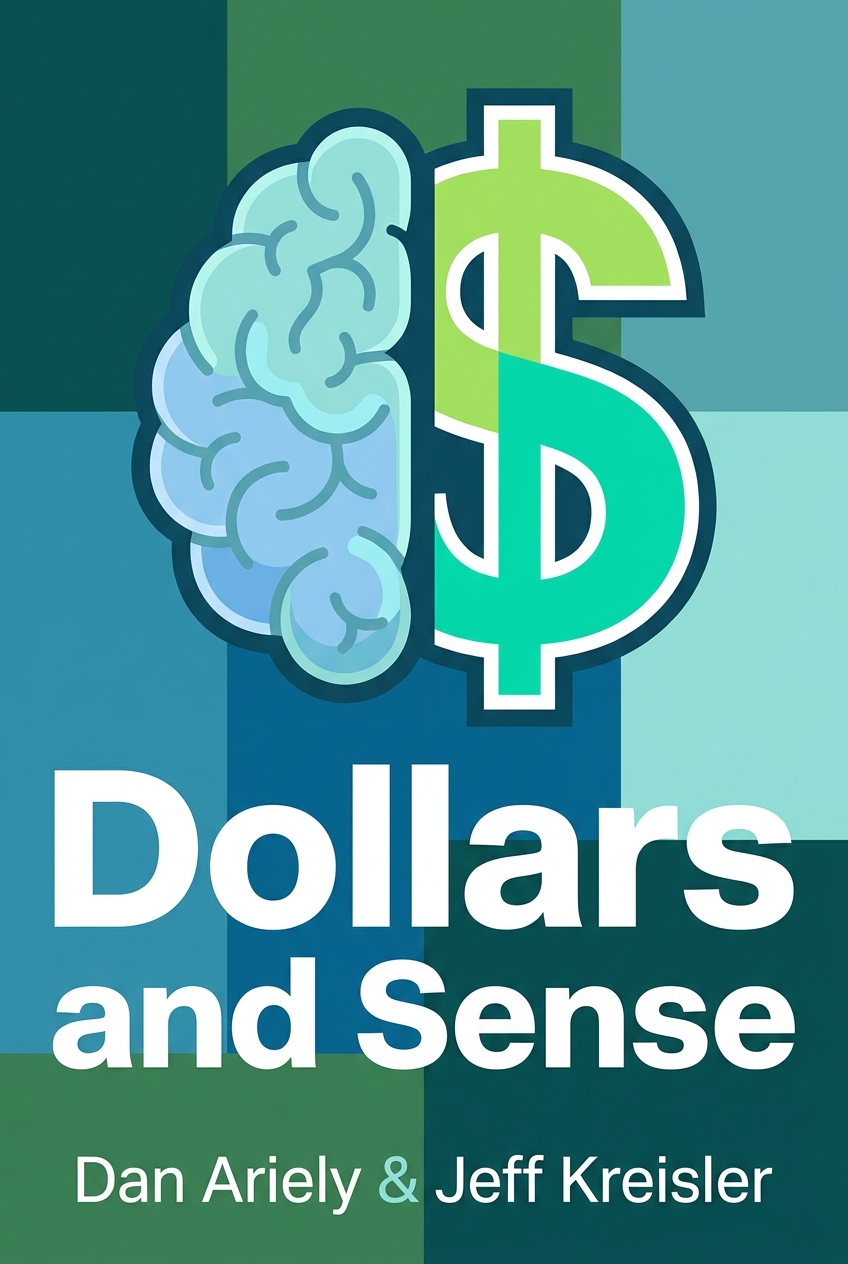
Dollars and Sense
Uncover the hidden psychological forces that sabotage your financial decisions.
- Recognize the "pain of paying" and how it affects your choices.
- Understand how relativity and anchoring manipulate your spending.
- Avoid common money traps by understanding your own mental biases.
Anyone curious to learn the behavioral psychology behind spending habits.
Uncover the hidden psychological forces that sabotage your financial decisions.
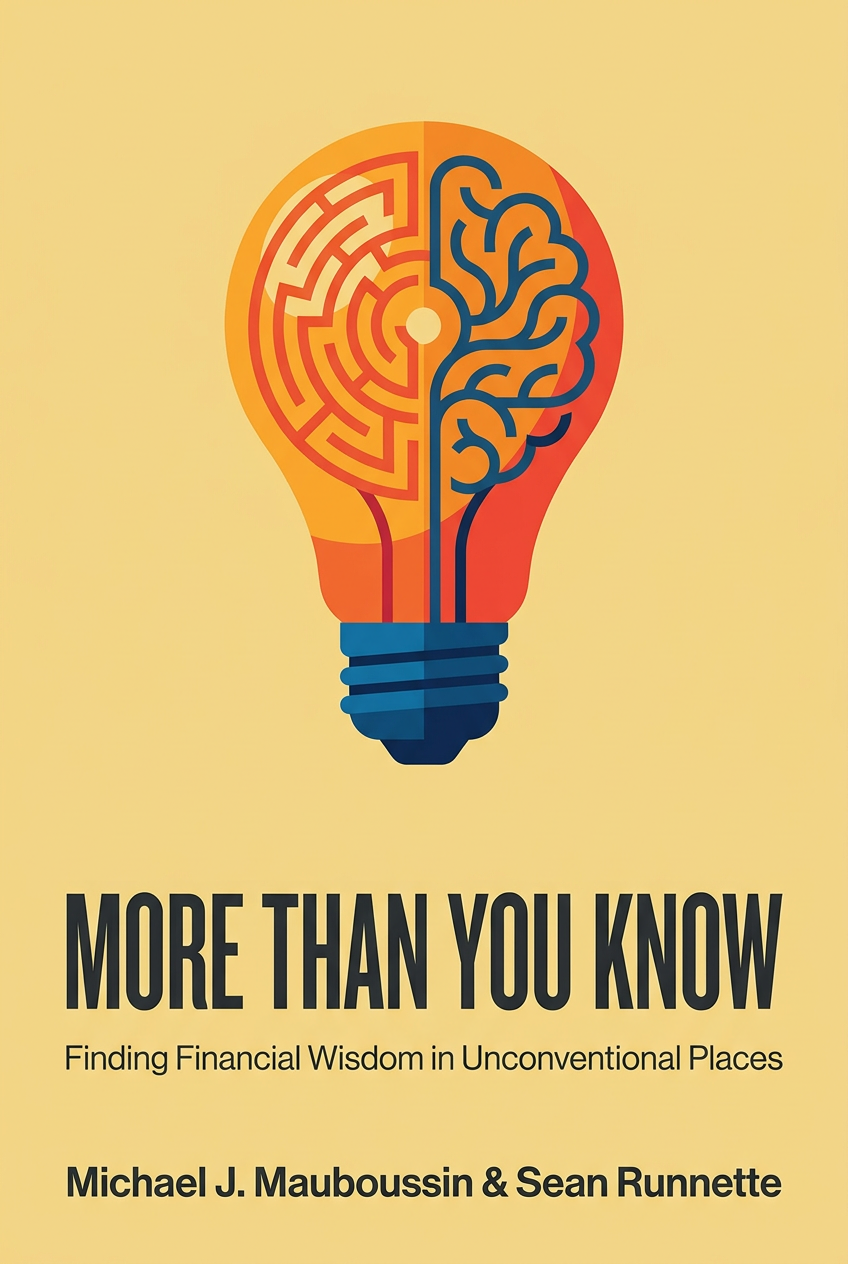
More Than You Know
Gain a unique investing edge by using wisdom from multiple disciplines.
- Apply mental models from science and psychology to investing.
- Overcome common biases that lead to poor investment decisions.
- Distinguish between skill and luck in market outcomes.
Investors who want to expand their thinking beyond traditional finance.
Gain a unique investing edge by using wisdom from multiple disciplines.
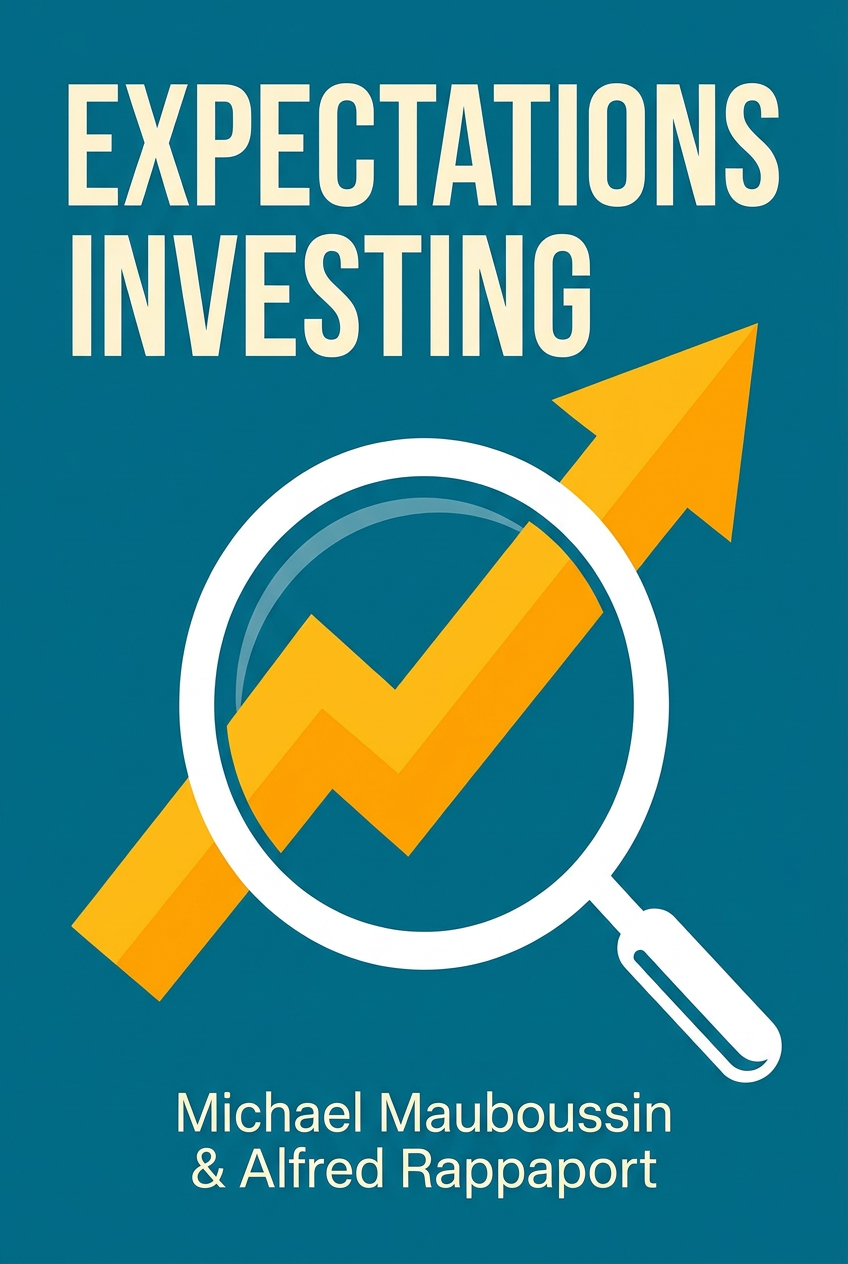
Expectations Investing
Reverse engineer a stock’s price to see what expectations are built in.
- Analyze the market's expectations, not just try to predict the future.
- Identify gaps between current price and realistic future performance.
- A stock price reflects expectations, not just historical data.
Serious investors looking for a disciplined framework for stock analysis.
Reverse engineer a stock’s price to see what expectations are built in.
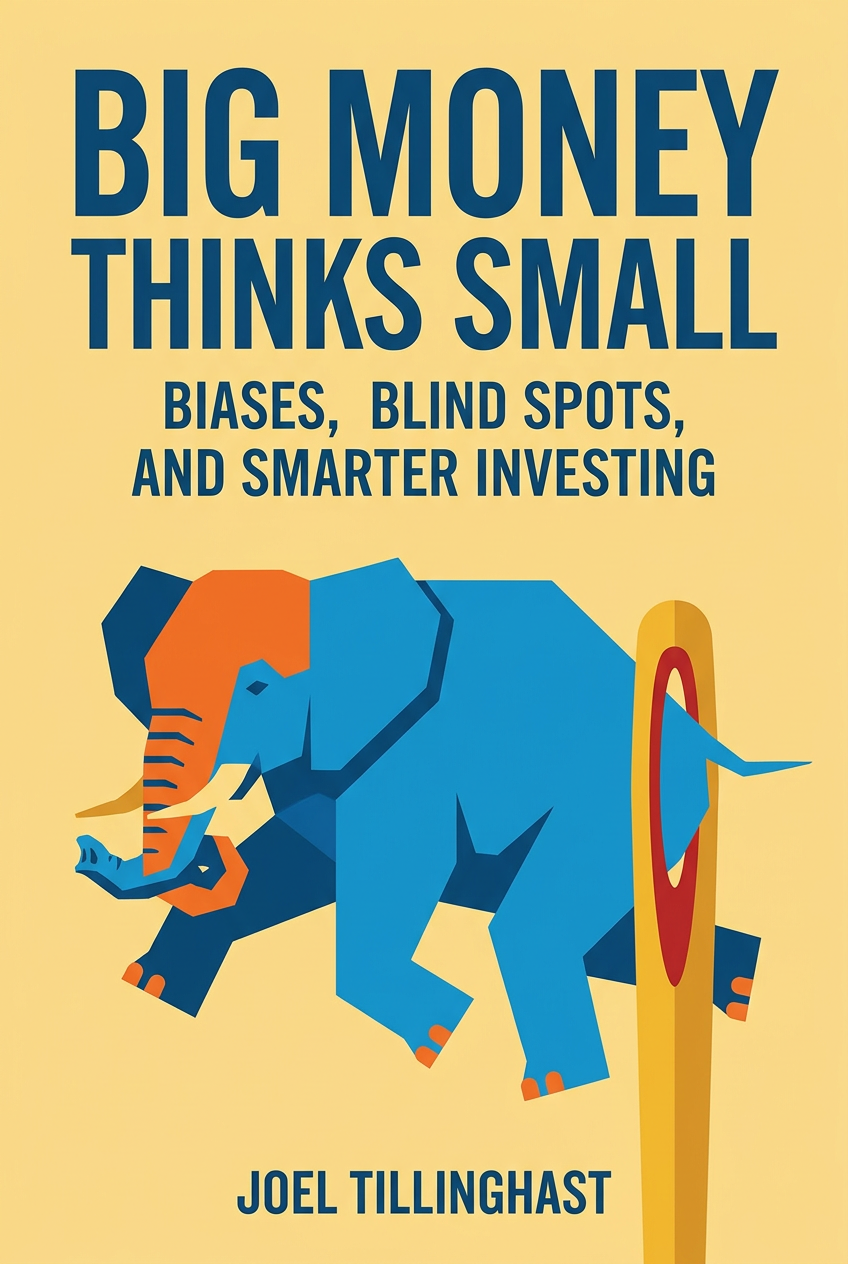
Big Money Thinks Small
Learn the disciplined, small-scale thinking of a legendary fund manager.
- Avoid big mistakes rather than seeking huge, risky wins.
- Invest with humility and avoid emotional decision-making.
- Focus on identifying a company's true, durable value.
Value investors seeking a practical guide to spotting undervalued companies.
Learn the disciplined, small-scale thinking of a legendary fund manager.
The Great Mental Models, Volume 4
Use principles from economics and art to make smarter life decisions.
- Apply economic concepts like incentives to understand human behavior.
- Use artistic principles like constraints to solve problems creatively.
- Build a toolkit of mental models for clearer thinking.
Lifelong learners who want versatile tools for better decision-making.
Use principles from economics and art to make smarter life decisions.
Intentionality
Transform your life by mastering your breath and your consciousness.
- Intentional breathing can regulate your emotions and nervous system.
- Break free from limiting beliefs by changing your physical state.
- Connect your breath to your deepest personal and professional goals.
Individuals seeking to overcome mental blocks and enhance their focus.
Transform your life by mastering your breath and your consciousness.
Frequently Asked Questions
While "best" is subjective, *The Psychology of Money* is widely considered Morgan Housel's most influential work. It has sold millions of copies and is celebrated for making complex financial psychology accessible to everyone, making it the perfect starting point.
For anyone new to his work, *The Psychology of Money* is the definitive place to start. If you are already familiar with his core ideas, his latest book, *Same as Ever*, expands on them by exploring the timeless patterns of human behavior that shape our world.
Yes, all of Morgan Housel's books are written for a general audience, making them excellent for beginners. *The Psychology of Money* is the ideal first read, as it lays the foundation for his entire philosophy on wealth, psychology, and living a good life.
A great approach is to read them chronologically by publication. Start with *The Psychology of Money* (2020) to grasp his core financial psychology concepts, then move to *Same as Ever* (2023) to see how those ideas apply to broader historical trends.