Noam Chomsky Books
Diving into Noam Chomsky's work reveals a thinker who reshaped linguistics and political critique. More than just a name in a noam chomsky biography, his incisive analysis of power, media, and language challenges readers to question everything. His direct noam chomsky writing style makes complex ideas accessible, exposing the mechanisms that shape our world. This collection of the best noam chomsky books offers a roadmap to his most influential ideas, from political dissidence to the nature of the human mind. Curated by the VoxBrief team.
Who Rules The World
Uncover the hidden forces and power structures shaping international politics.
- Powerful nations often use humanitarian crises for political gain.
- International law is frequently disregarded by dominant world powers.
- Economic and military might are used to maintain global control.
Citizens wanting to understand the truth behind foreign policy news.
Uncover the hidden forces and power structures shaping international politics.
Optimism over Despair
Find practical reasons for hope and strategies for meaningful action.
- You can identify and challenge hidden structures of power.
- Media narratives and corporate influence shape society's views.
- Ordinary people can enact change through critical thinking.
Activists and citizens feeling overwhelmed by global problems.
Find practical reasons for hope and strategies for meaningful action.
The Responsibility of Intellectuals
Learn how public opinion is manipulated and how to see through it.
- Intellectuals often help manufacture consent for powerful interests.
- It's a moral duty to question authority and expose propaganda.
- Governments frequently act against the public's best interest.
Students and anyone seeking to develop critical thinking skills.
Learn how public opinion is manipulated and how to see through it.
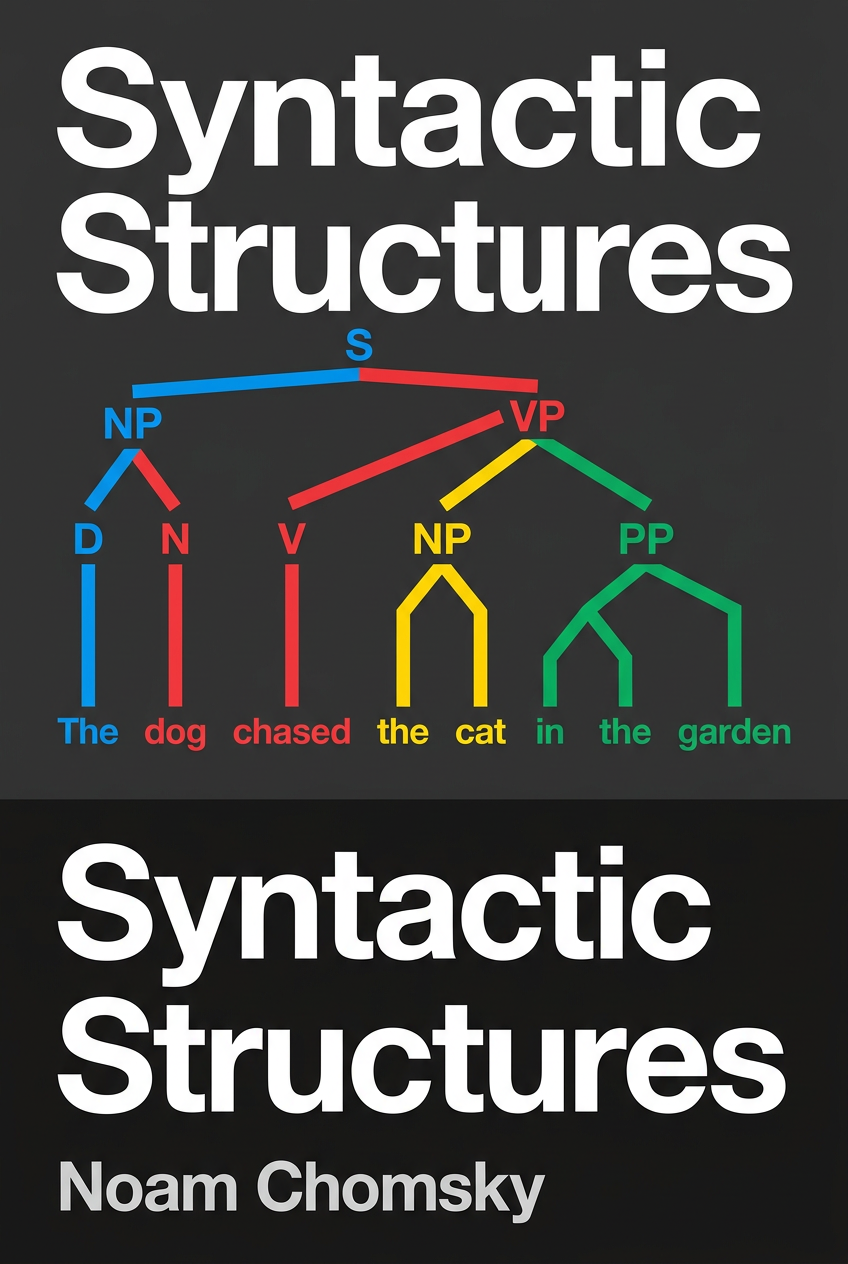
Syntactic Structures
Discover the hidden rules your brain uses to generate infinite sentences.
- Language isn't learned by memorization but generated by rules.
- "Transformational-generative grammar" explains language creation.
- The human mind has an innate capacity for complex language.
Linguistics students and those curious about the mind-language link.
Discover the hidden rules your brain uses to generate infinite sentences.
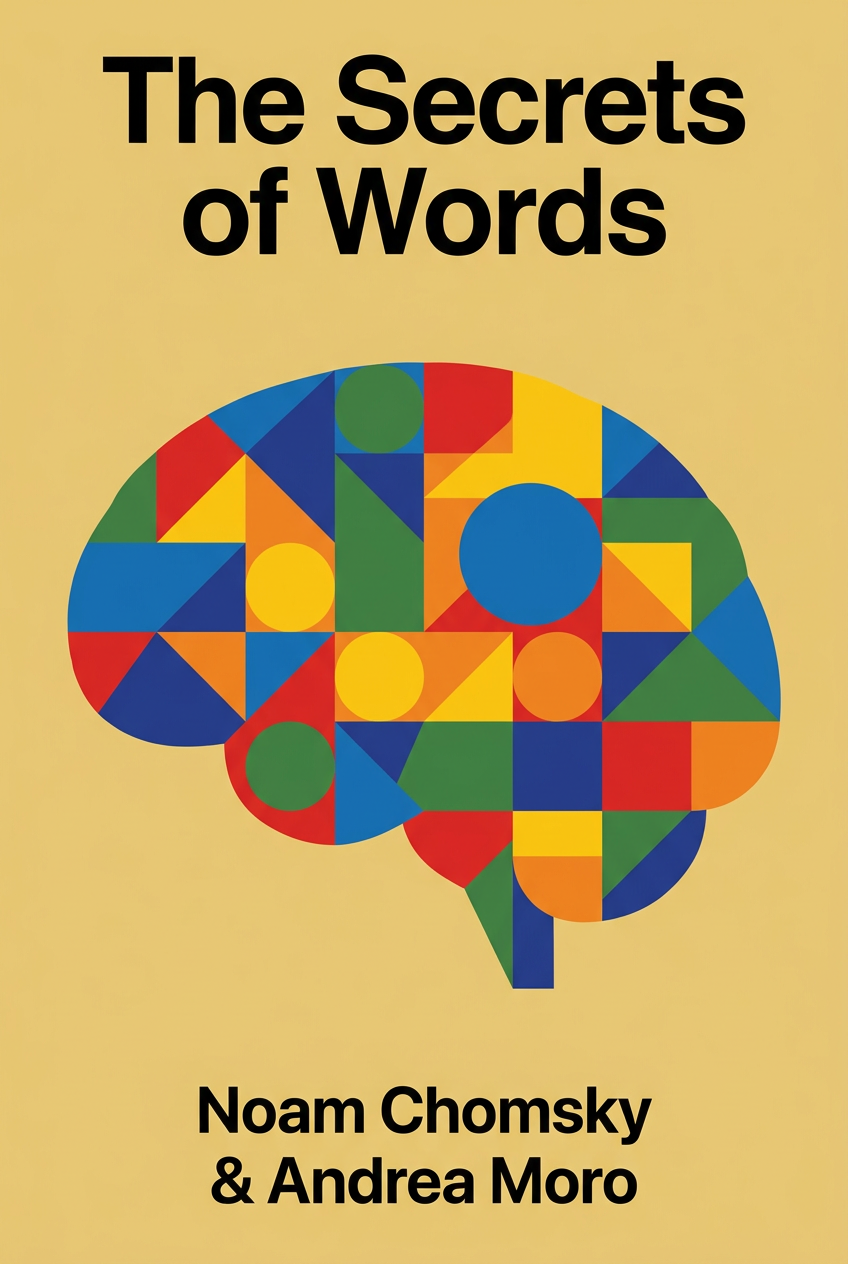
The Secrets of Words
Unlock the secrets of your innate ability to understand language.
- A universal grammar is hardwired into every human brain.
- A finite set of simple rules allows for infinite expression.
- All human languages share fundamental underlying principles.
Anyone curious about how human language and thought are connected.
Unlock the secrets of your innate ability to understand language.

Gaza in Crisis
Uncover the hidden political context behind the Gaza conflict.
- International policies have directly created the crisis on the ground.
- Military operations often have strategic goals beyond security.
- The conflict's narrative is shaped by powerful political motivations.
Readers seeking a critical perspective on the Israeli-Palestinian conflict.
Uncover the hidden political context behind the Gaza conflict.
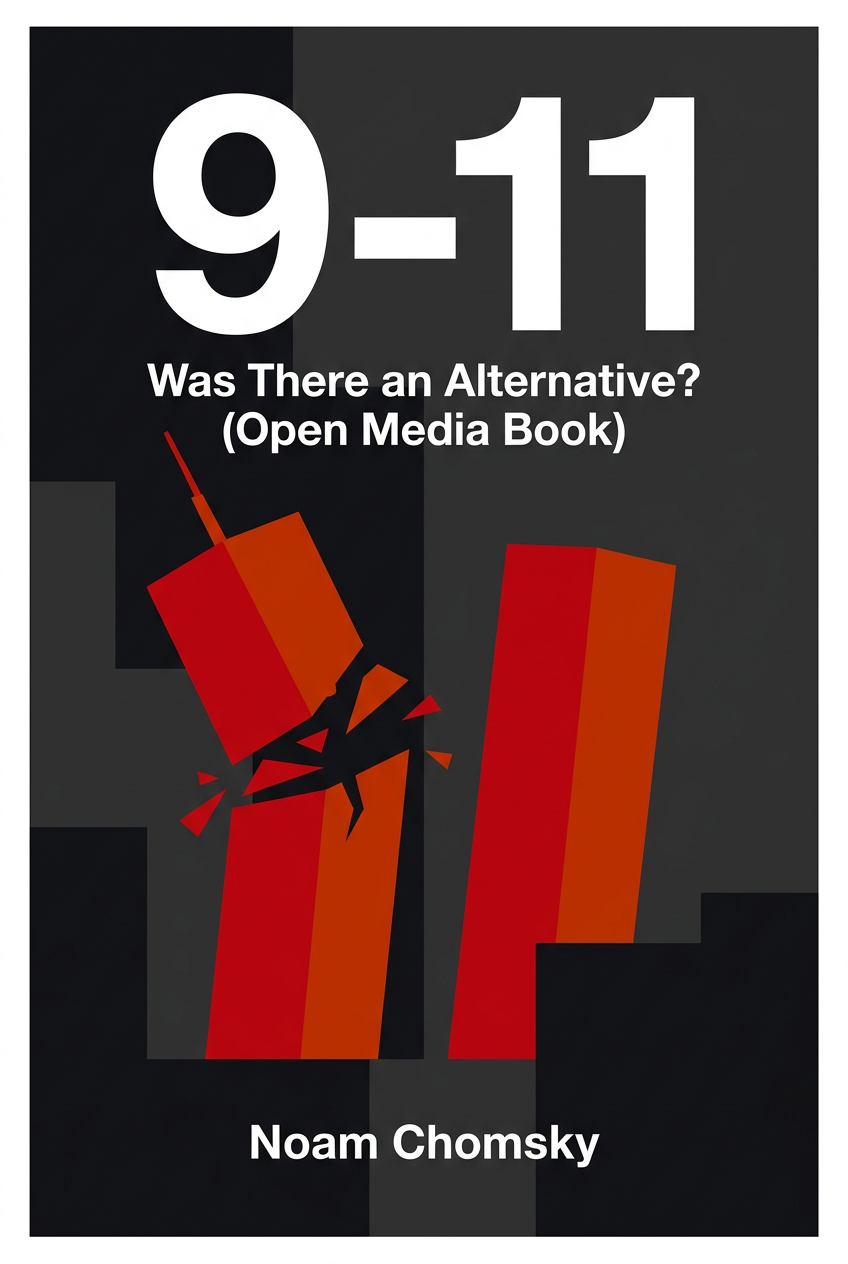
9-11
Reconsider the official narrative of 9/11 and its aftermath.
- US foreign policy created conditions ripe for extremist violence.
- Cycles of retaliation often escalate conflicts rather than solve them.
- Justice is better pursued through international law than warfare.
Anyone questioning the consequences of the "War on Terror".
Reconsider the official narrative of 9/11 and its aftermath.
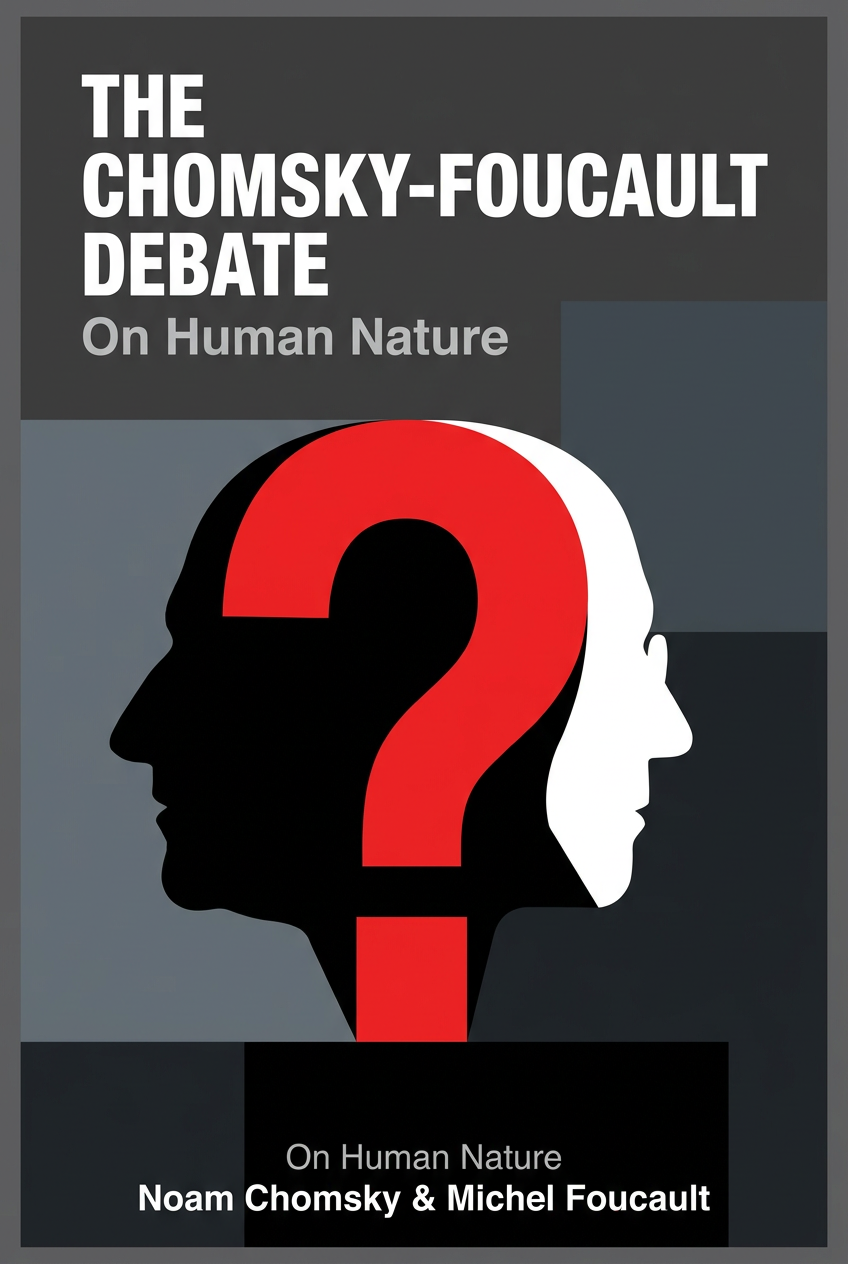
The Chomsky-Foucault Debate
Challenge your ideas on human nature, justice, and freedom.
- Chomsky argues for an innate, biological basis for morality.
- Foucault argues that power structures define all our beliefs.
- The debate highlights two opposing views on human nature itself.
Philosophy lovers who enjoy foundational intellectual debates.
Challenge your ideas on human nature, justice, and freedom.
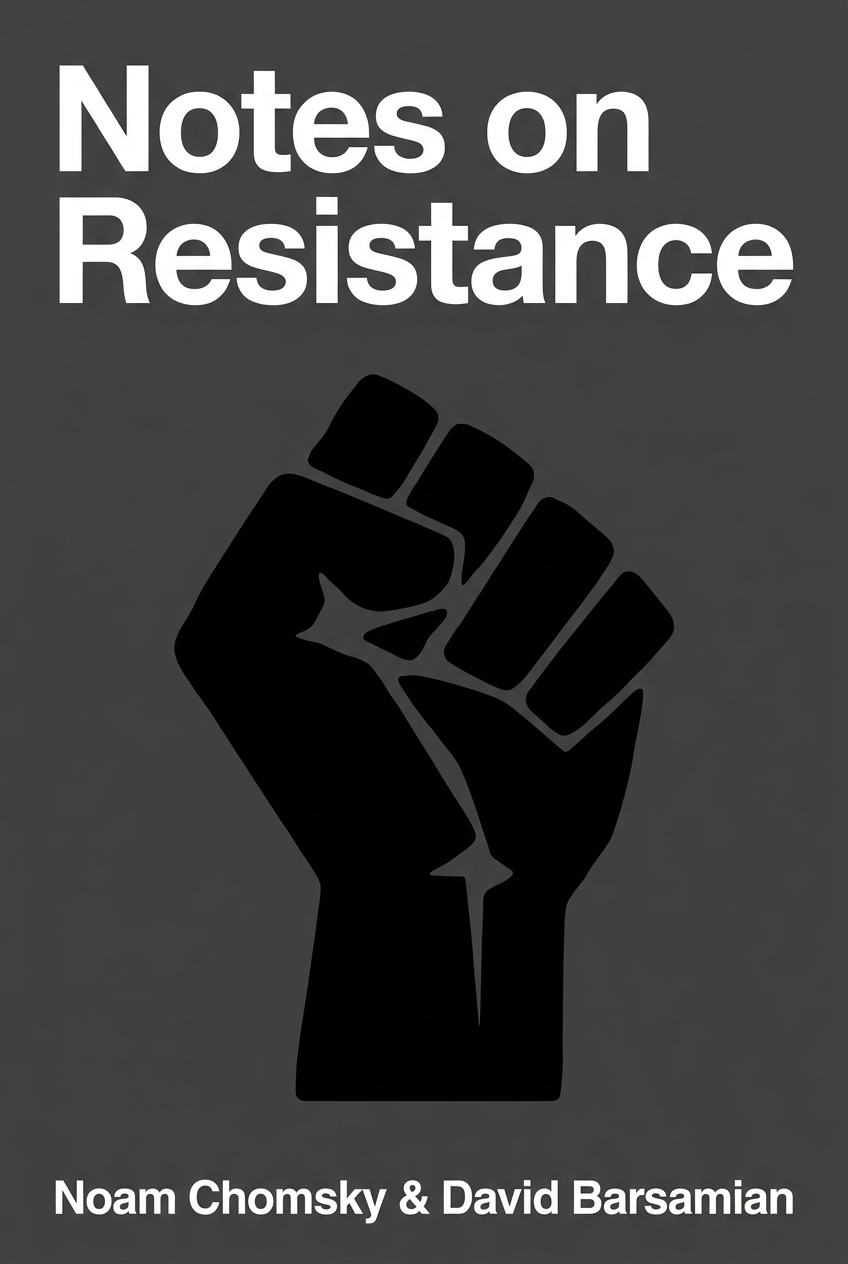
Notes on Resistance
Discover Chomsky's blueprint for effective activism and social change.
- Learn to dissect media narratives to find the truth.
- Understand the historical roots of current social crises.
- Individual actions can contribute to collective movements for change.
Aspiring activists looking for a practical framework for resistance.
Discover Chomsky's blueprint for effective activism and social change.
Language and Mind
Grasp Chomsky's revolutionary ideas on language and the mind.
- Humans are born with an innate blueprint for language (universal grammar).
- Language ability reveals the unique structure of the human mind.
- This theory challenges traditional views of learning by imitation.
Students of psychology or linguistics exploring foundational theories.
Grasp Chomsky's revolutionary ideas on language and the mind.
On Cuba
Learn how Cuba has maintained its sovereignty against a superpower.
- Cuba's survival is a story of revolutionary spirit and strategy.
- The island has a long history of internationalism and mutual aid.
- Go beyond the propaganda to see Cuba's complex reality.
Readers interested in Cold War history and anti-imperialist struggles.
Learn how Cuba has maintained its sovereignty against a superpower.
Language and Politics
See how language is used to shape thoughts and control public opinion.
- Simple word choices can be used to manufacture political consent.
- Grammatical structures can obscure or hide inconvenient truths.
- Analyzing political discourse is a crucial critical thinking skill.
Anyone wanting to become a more critical consumer of news and media.
See how language is used to shape thoughts and control public opinion.
Frequently Asked Questions
For his political thought, *Who Rules The World?* is a great, accessible entry point. If you're interested in his groundbreaking work on linguistics, *Language and Mind* provides a clear overview of his core theories without being overly technical.
This depends on your interest. For politics, many consider *Manufacturing Consent* (co-authored with Edward S. Herman) his magnum opus, while in linguistics, *Syntactic Structures* is the revolutionary work that changed the field forever.
There is no required order to read them. We suggest starting with a general political overview like *Who Rules The World?* and then diving into specific topics that interest you, such as *Gaza in Crisis* for the Middle East or *Optimism over Despair* for activism.