Sports Psychology Books
Understanding why is sports psychology important is the first step to gaining a competitive edge against any opponent, including yourself. Whether you're looking for practical sports psychology exercises or a new mental framework, the right book can be a game-changer. We've compiled a list of the must read sports psychology books that distill decades of wisdom from top coaches and athletes. These essential sports psychology books to read offer powerful lessons for anyone looking to master their mindset, on and off the field. This collection of sports psychology books covers everything from a champion's mentality to the science of elite performance. Curated by the VoxBrief team.
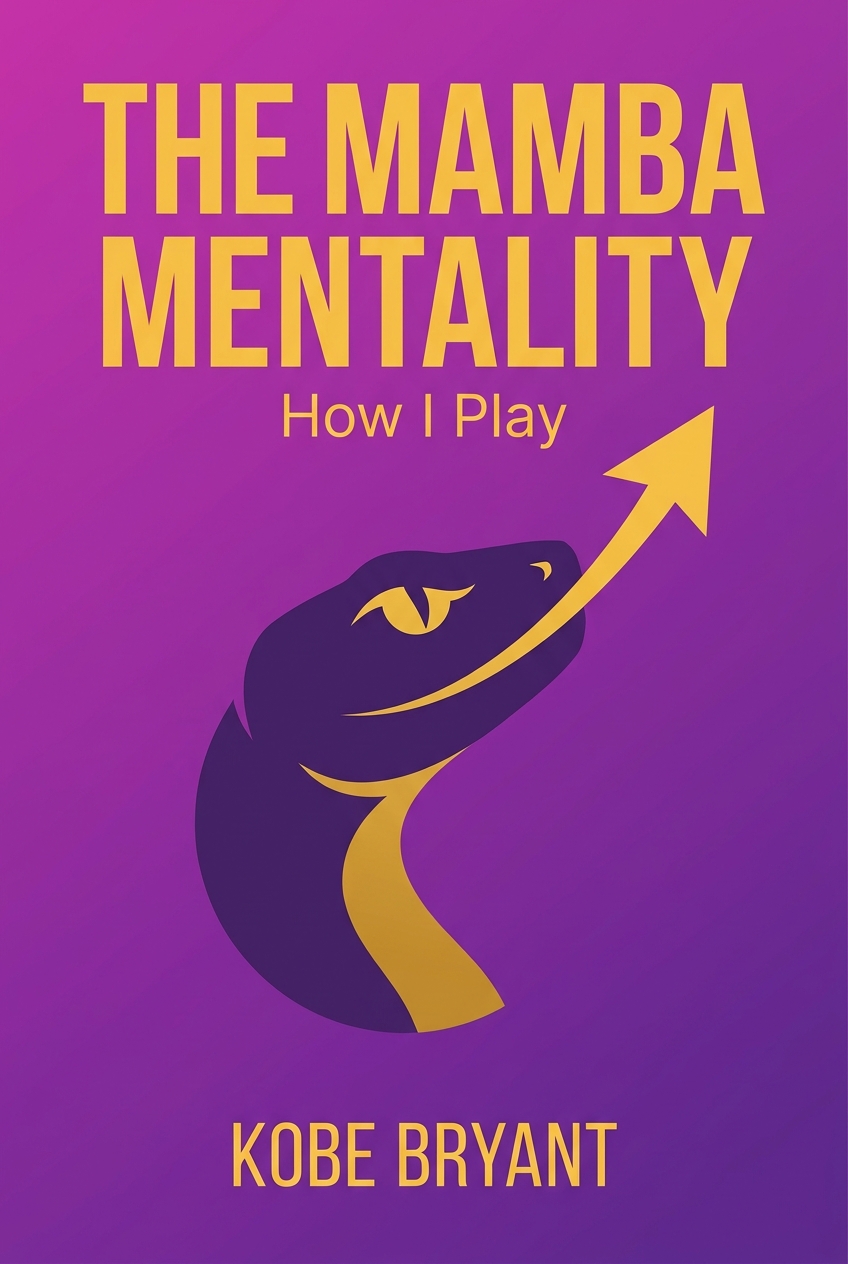
The Mamba Mentality
Learn Kobe Bryant's exact framework for achieving greatness on and off the court.
- Meticulous preparation of body and mind is non-negotiable for success.
- Study your opponents to understand their weaknesses and exploit them.
- Transform passion into a relentless, detail-oriented drive for excellence.
Athletes and professionals aiming to adopt a champion's work ethic.
Learn Kobe Bryant's exact framework for achieving greatness on and off the court.

Mindset
Discover how shifting from a 'fixed' to a 'growth' mindset unlocks your potential.
- A fixed mindset sees ability as static; a growth mindset sees it as developable.
- Embrace challenges and view failures as crucial learning opportunities.
- Focus on praising effort and process, not just innate talent or outcomes.
Anyone feeling stuck and looking to embrace challenges for personal growth.
Discover how shifting from a 'fixed' to a 'growth' mindset unlocks your potential.
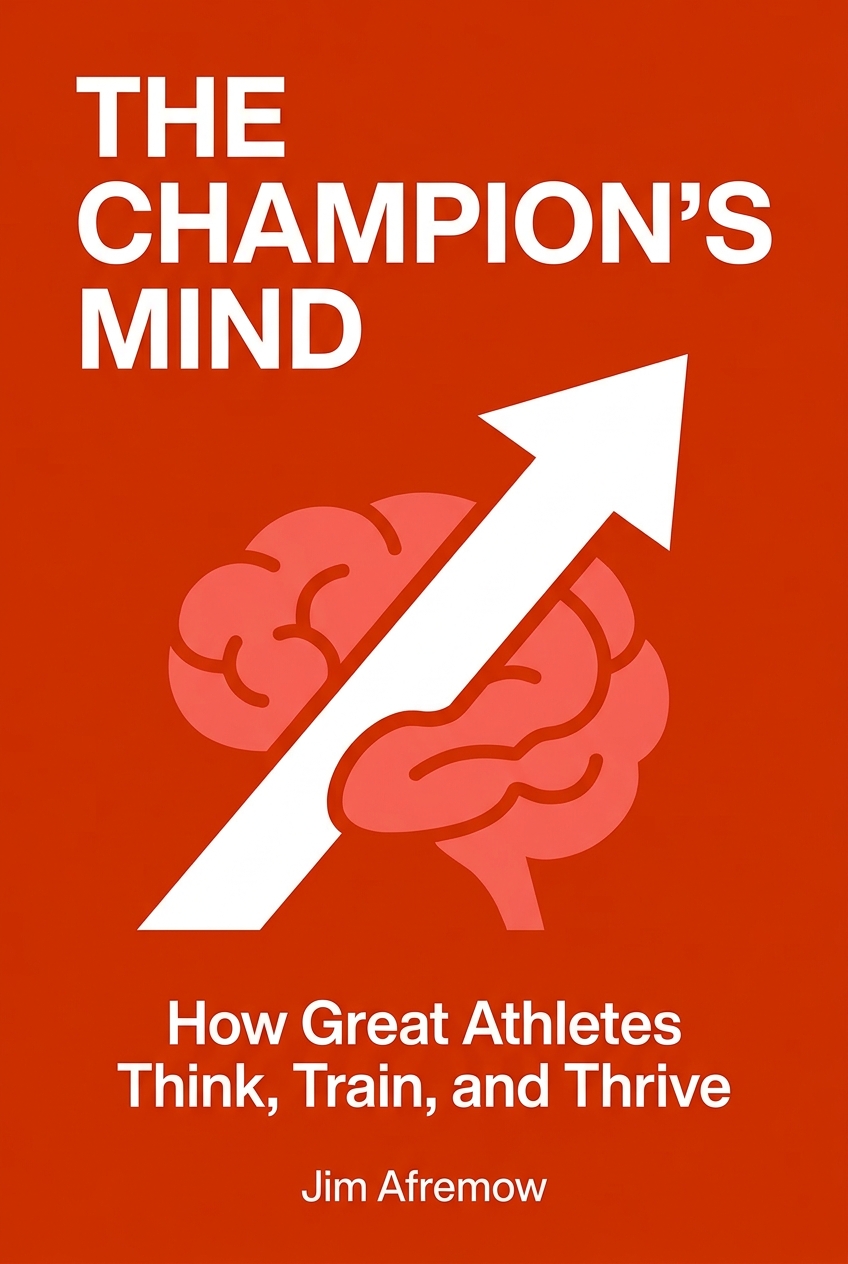
The Champion's Mind
Unlock the mental secrets used by elite athletes to perform under pressure.
- Use powerful goal-setting to create a clear and actionable path to victory.
- Practice visualization to mentally rehearse success and build confidence.
- Develop pre-game routines to eliminate anxiety and sharpen your focus.
Athletes who want practical techniques for building mental toughness.
Unlock the mental secrets used by elite athletes to perform under pressure.

The Sports Gene
Explore the science of athletic greatness and the debate of nature vs. nurture.
- The 10,000-hour rule is an oversimplification; genetic predispositions matter.
- Specific genes can provide clear advantages in certain sports and physical activities.
- Success is a complex interplay between genetic hardware and dedicated practice.
Analytically-minded readers curious about the science behind athletic talent.
Explore the science of athletic greatness and the debate of nature vs. nurture.

Wooden
Learn John Wooden's timeless leadership philosophy for building winning teams.
- The 'Pyramid of Success' is a blueprint for achieving greatness built on character.
- True success is having peace of mind from knowing you gave your best effort.
- Focus on process and fundamentals, and the scoreboard will take care of itself.
Coaches, managers, and leaders seeking to build a strong, values-based team.
Learn John Wooden's timeless leadership philosophy for building winning teams.

Sports Psychology For Dummies
Get step-by-step techniques to build confidence and conquer performance anxiety.
- Mental toughness can be learned and strengthened through practical exercises.
- Turn fear into fuel by reframing your relationship with pressure.
- Use visualization and pre-performance routines to achieve a state of focus.
Beginners looking for an accessible, practical introduction to mental skills.
Get step-by-step techniques to build confidence and conquer performance anxiety.

Playing in the Box
Master your thoughts and emotions under pressure with the 'Playing in the Box' method.
- Define your 'Box' as the ideal mental state for peak performance.
- Learn to recognize when you're 'out of the Box' and quickly refocus.
- Develop consistent routines to get in the zone when it matters most.
Competitors who feel their own mind is often their biggest opponent.
Master your thoughts and emotions under pressure with the 'Playing in the Box' method.
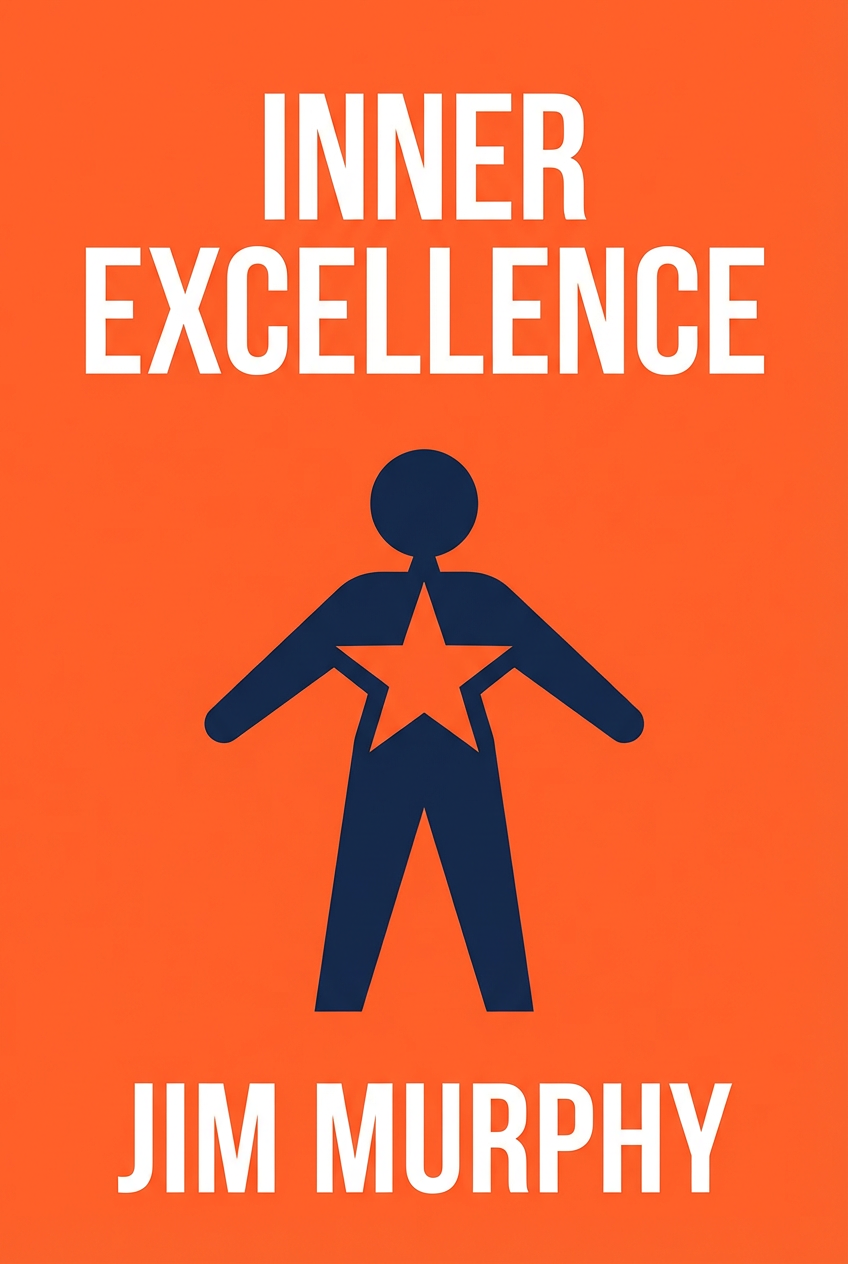
Inner Excellence
Move beyond surface-level motivation to unlock deep performance on demand.
- True confidence comes from connecting with your authentic self, not just your ego.
- Develop an 'inner operating system' to conquer pressure and self-sabotage.
- Sharpen focus by mastering your internal state before attempting external actions.
High-achievers struggling with self-sabotage or internal mental conflict.
Move beyond surface-level motivation to unlock deep performance on demand.

It Takes What It Takes
Replace toxic positivity with neutral thinking to win under immense pressure.
- Neutral thinking focuses on facts and controllable actions, not optimism or pessimism.
- Your verbal and nonverbal behavior directly influences your outcomes.
- Replace destructive negative thoughts with neutral, actionable ones.
Individuals tired of motivational fluff who want a pragmatic mental framework.
Replace toxic positivity with neutral thinking to win under immense pressure.
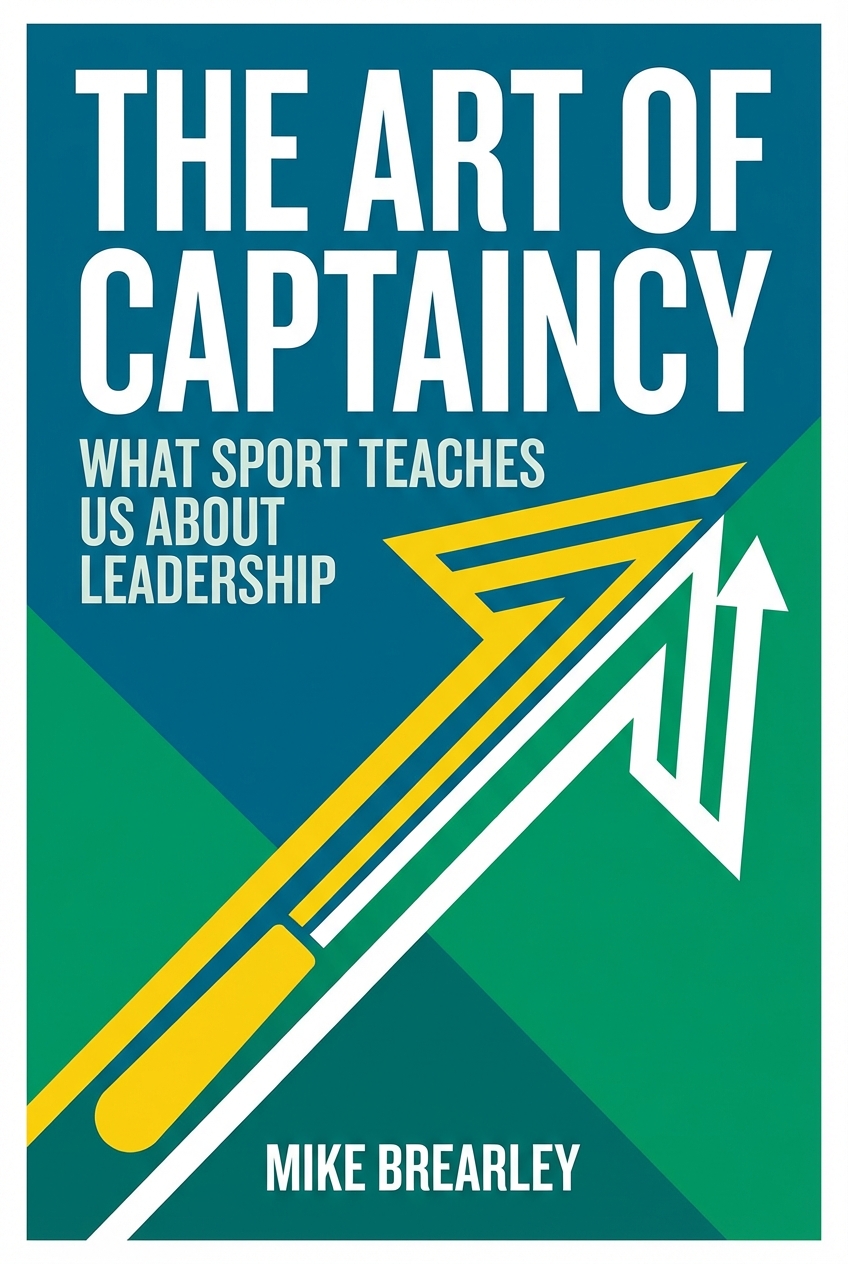
The Art of Captaincy
Learn the art of people management and motivating a team from a legendary captain.
- Great leadership requires understanding individual personalities and motivations.
- Foster a winning team culture by managing people, not just strategic plays.
- Make tough decisions with empathy while maintaining authority and respect.
Team captains and managers looking to improve their leadership and people skills.
Learn the art of people management and motivating a team from a legendary captain.
Frequently Asked Questions
Many athletes struggle with sports psychology due to immense pressure, fear of failure, or a simple lack of mental skills training. It's common to focus only on physical practice while neglecting the mental game, which can lead to performance anxiety, confidence slumps, and burnout.
Yes, absolutely. Just like physical skills, mental skills such as focus, confidence, and resilience can be trained and improved through consistent practice. Techniques like visualization, positive self-talk, and goal-setting are proven methods for strengthening your mental game and performing better under pressure.
Long-term improvement involves creating a consistent mental training routine. This means identifying your specific mental weaknesses, working with a coach or using resources like good sport psychology books, and integrating mental exercises into your daily practice until they become second nature. It's about building durable mental habits, not just looking for a quick fix.