All Books
Self-Growth
Business & Career
Health & Wellness
Society & Culture
Money & Finance
Relationships
Science & Tech
Fiction
Topics
Blog
Download on the App Store

Best Conversationalist Books

Mastering communication is crucial for building stronger relationships and advancing your career, which is why understanding why the art of conversation is important is a key first step. The good news is that anyone can discover how to learn the art of conversation with the right guidance. This curated list contains the best books on the art of conversation, offering practical strategies to improve your interactions. These must read the art of conversation books cover everything from active listening to navigating difficult discussions with confidence. Explore summaries of these essential reads and transform how you connect with others. Curated by the VoxBrief team.

#1
How to Talk to Anyone About Anything cover

How to Talk to Anyone About Anything

by James W Williams

Turn awkward silences into genuine connections with simple, actionable techniques.

Key Takeaways
  • Overcome social anxiety with proven methods for starting conversations.
  • Listen actively to make others feel seen, heard, and valued.
  • Ask open-ended questions to keep dialogue flowing naturally.
Who Should Read

Shy individuals aiming to build confidence and rapport in social settings.
#2
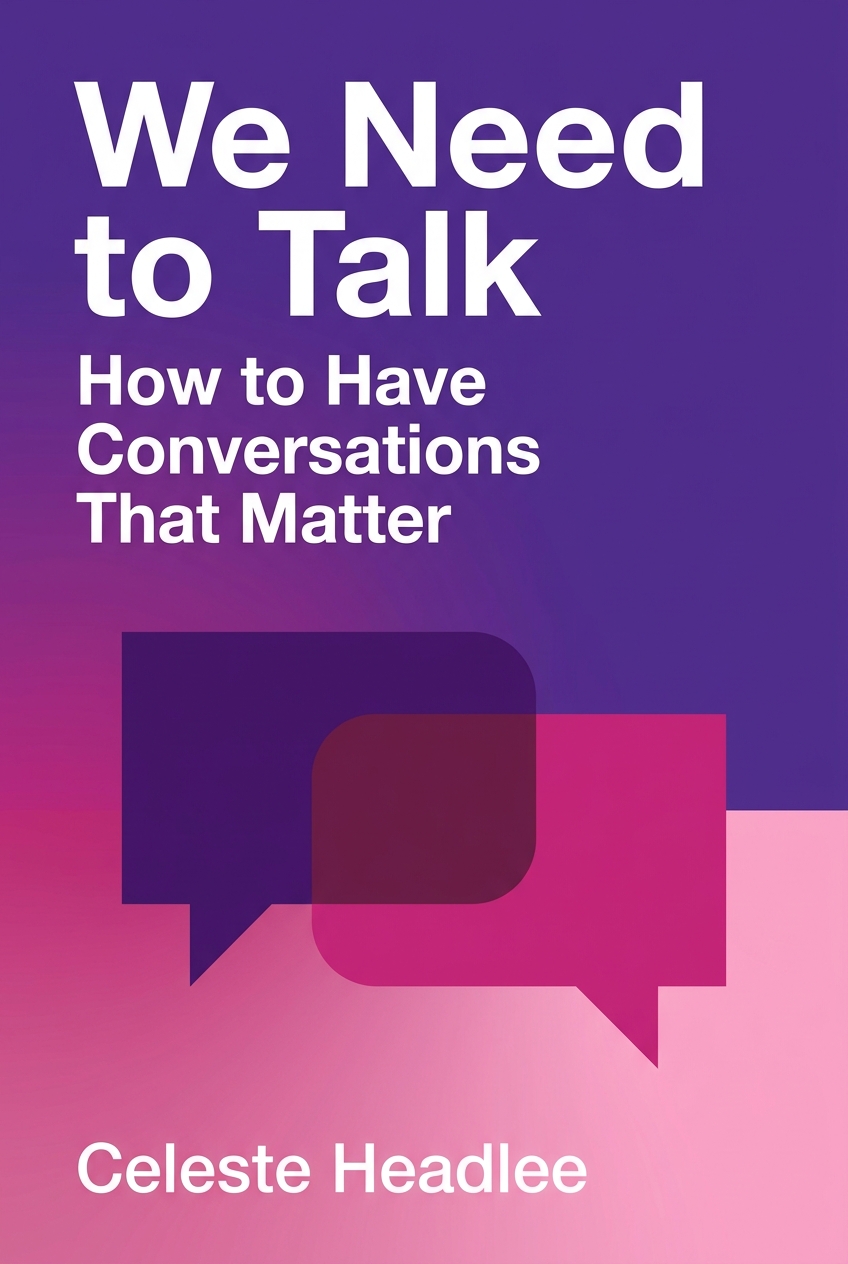
We Need to Talk cover

We Need to Talk

by Celeste Headlee

Make every conversation meaningful and productive with 10 simple, powerful rules.

Key Takeaways
  • Stop multitasking to be fully present and engaged in conversations.
  • Use your natural curiosity to ask better, more insightful questions.
  • Enter every conversation assuming you have something to learn.
Who Should Read

Anyone who feels their conversations at work or home lack depth.

#3
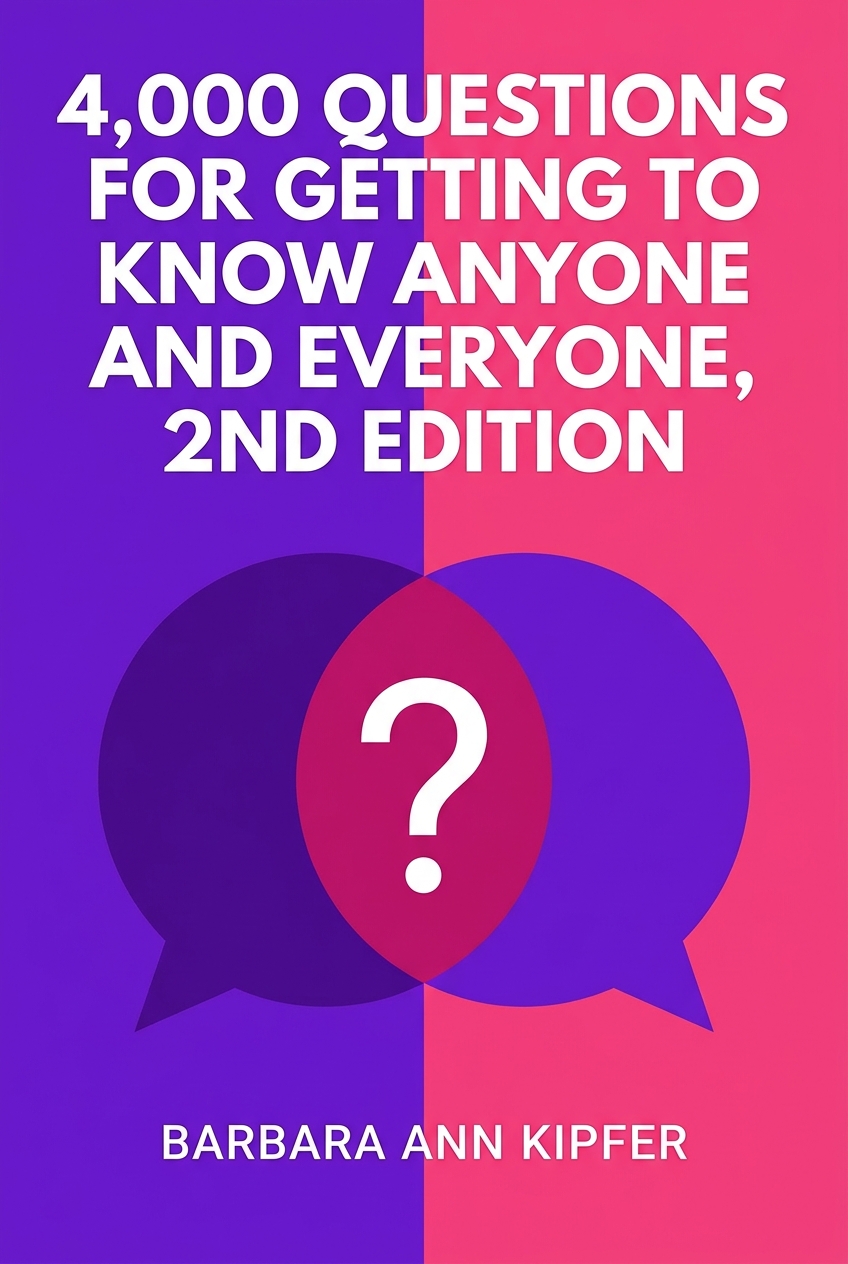
4,000 Questions for Getting to Know Anyone and Everyone, 2nd Edition cover

4,000 Questions for Getting to Know Anyone and Everyone, 2nd Edition

by Barbara Ann Kipfer

Spark genuine connection with the perfect question for any social situation.

Key Takeaways
  • Use targeted questions to easily break the ice with new people.
  • Move beyond surface-level small talk to build deeper relationships.
  • Strengthen bonds with friends by discovering new things about them.
Who Should Read

People looking for a practical toolkit to never run out of things to say.

#4
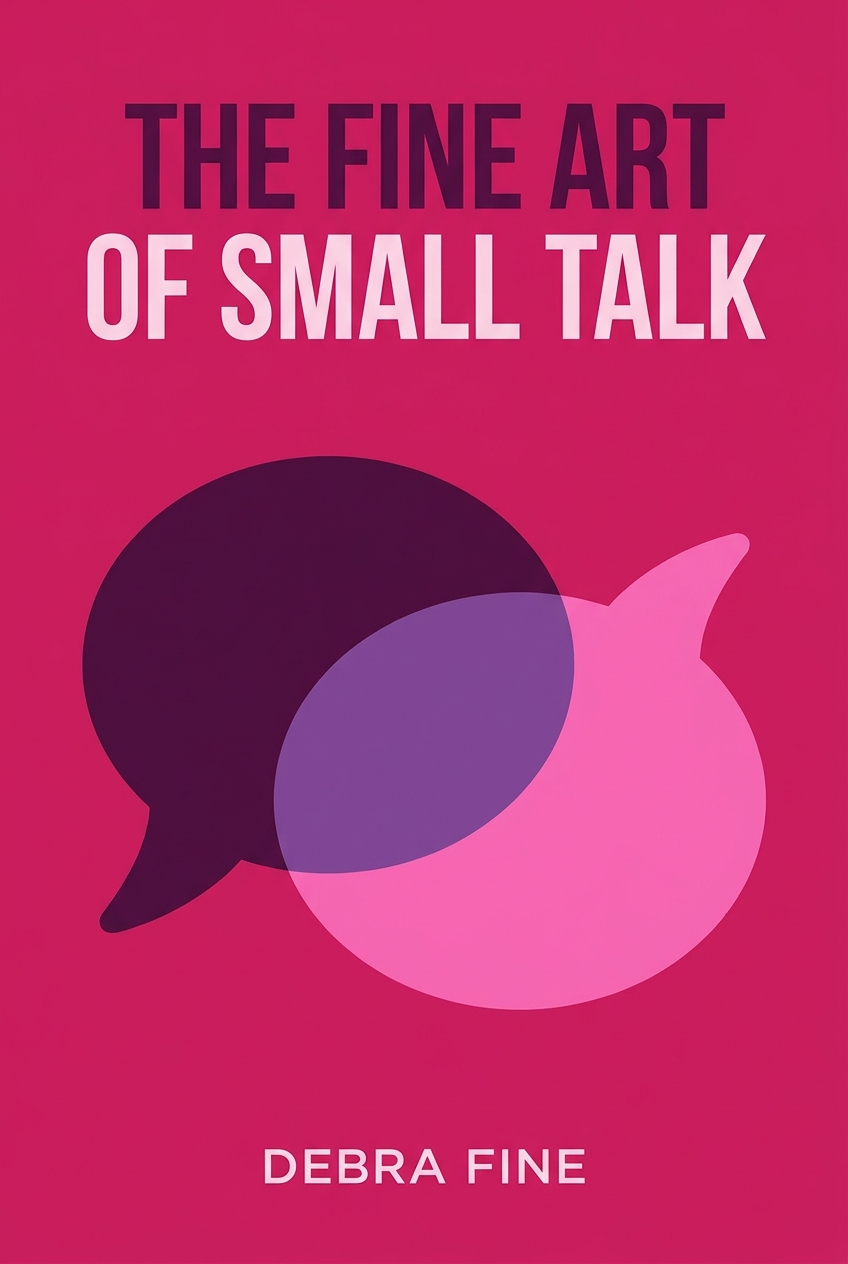
The Fine Art of Small Talk cover

The Fine Art of Small Talk

by Debra Fine

Conquer social anxiety and master small talk at networking events and parties.

Key Takeaways
  • Learn effective icebreakers to confidently start conversations.
  • Gracefully enter and exit group conversations without feeling awkward.
  • Turn simple small talk into opportunities for meaningful connections.
Who Should Read

Professionals who dread networking and want to navigate events with ease.

#5
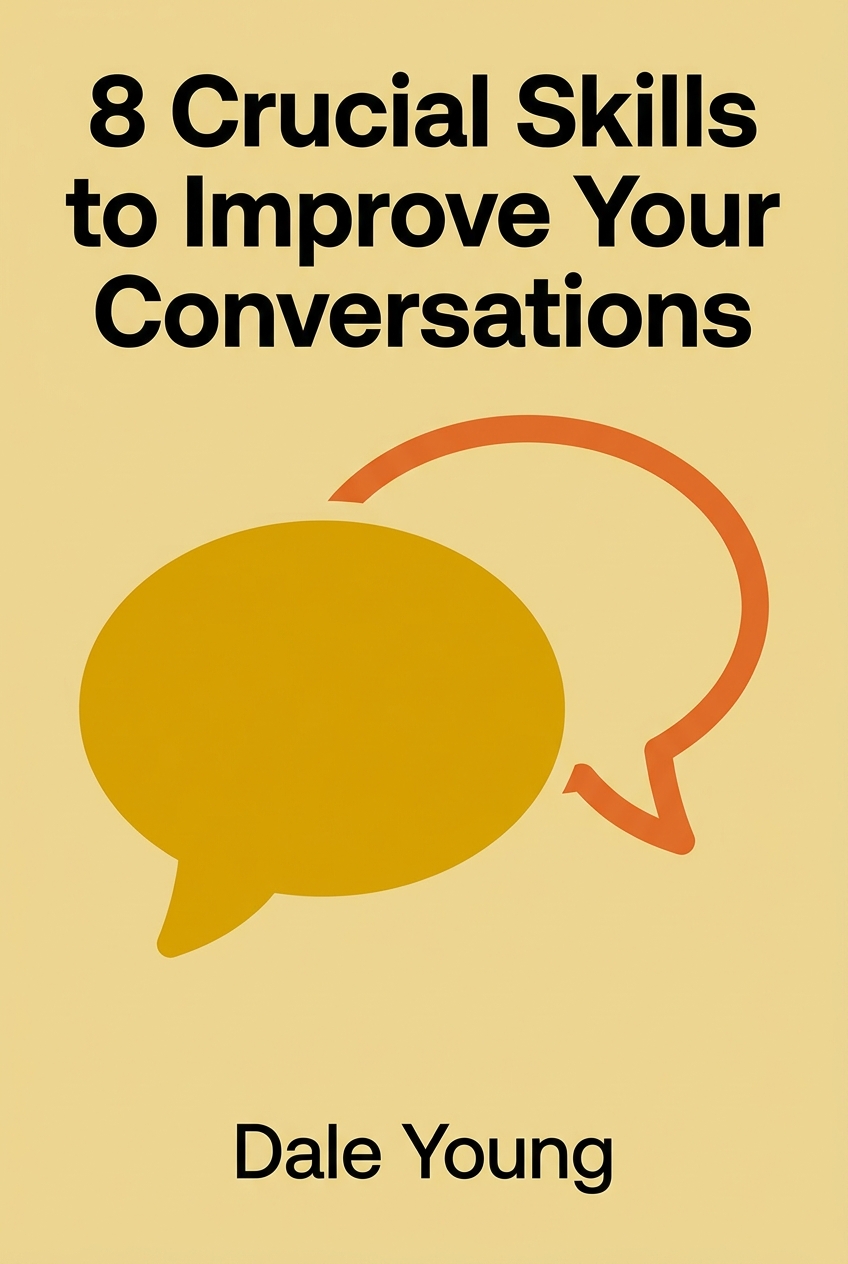
8 Crucial Skills to Improve Your Conversations cover

8 Crucial Skills to Improve Your Conversations

by Dale Young

Transform stressful interactions into successful connections with eight core skills.

Key Takeaways
  • Build instant rapport through active listening and genuine empathy.
  • Tell captivating stories that hold people's attention.
  • Steer conversations with purpose and confidence.
Who Should Read

Individuals who want a step-by-step guide to improve their social skills.

#6
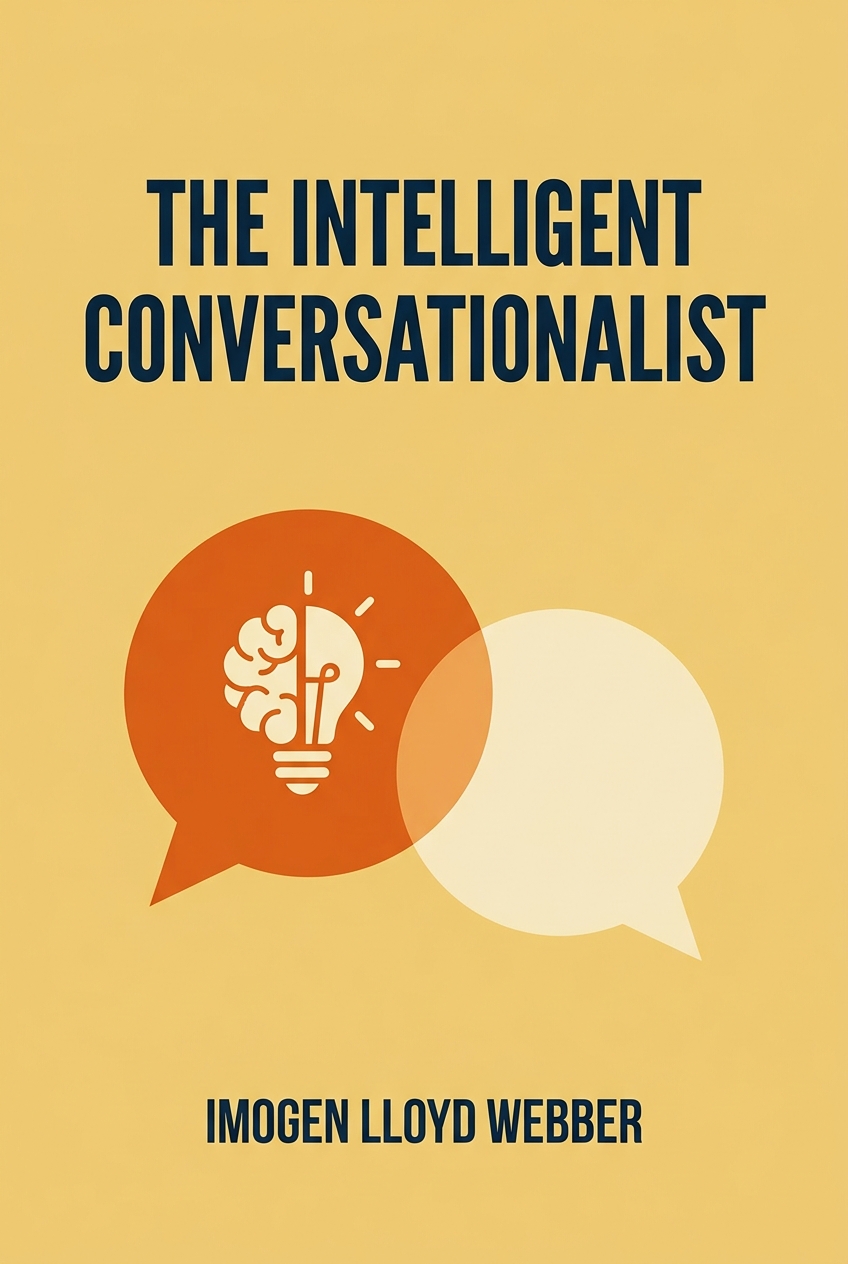
The Intelligent Conversationalist cover

The Intelligent Conversationalist

by Imogen Lloyd Webber

Confidently discuss any topic with cheat sheets on everything from sports to art.

Key Takeaways
  • Master 31 condensed guides on a wide range of popular topics.
  • Gain key facts and talking points to sound knowledgeable in any discussion.
  • Learn to contribute witty insights even on unfamiliar subjects.
Who Should Read

Socialites who want to feel prepared for any conversation, no matter the topic.

#7
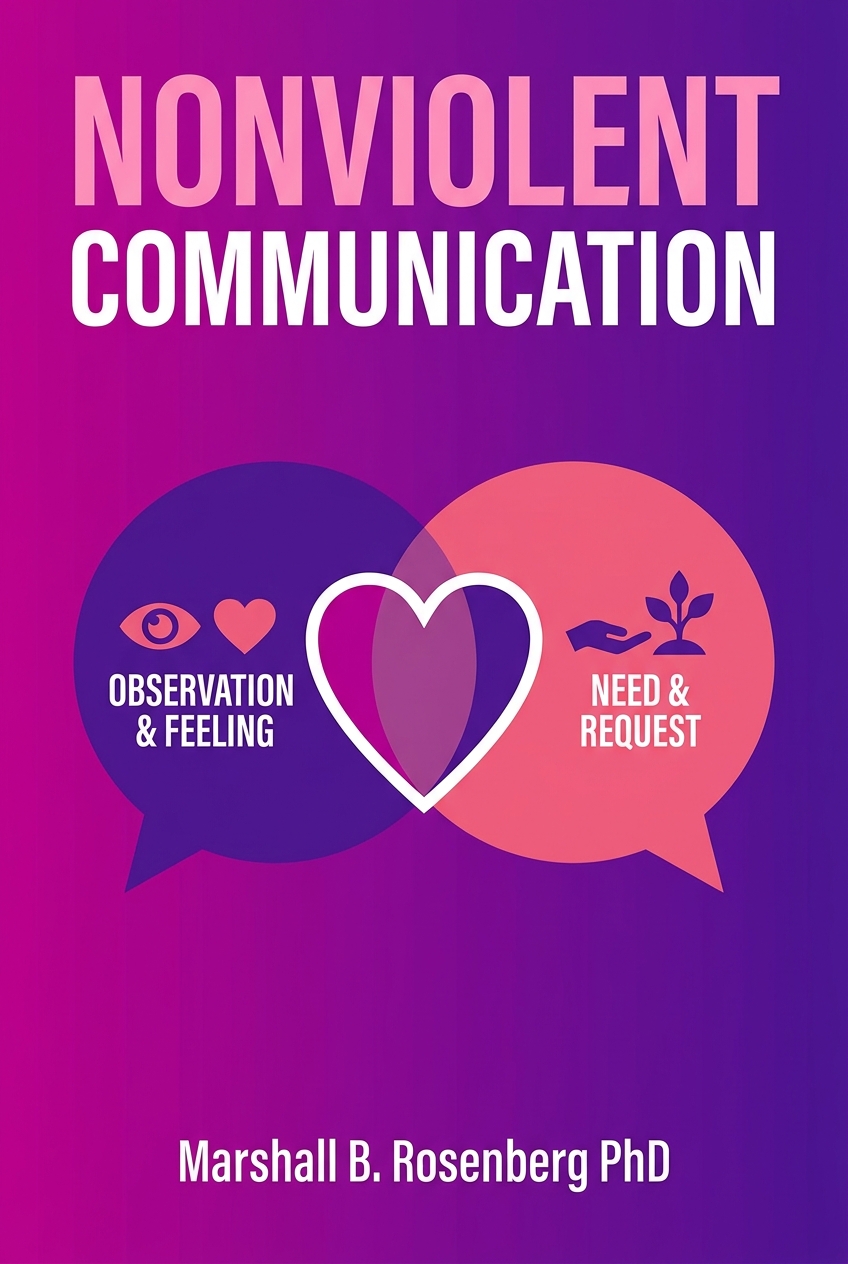
Nonviolent Communication cover

Nonviolent Communication

by Marshall B. Rosenberg PhD

Transform conflict into connection by expressing your needs without blame or judgment.

Key Takeaways
  • Follow a four-step framework: Observations, Feelings, Needs, and Requests.
  • Express yourself honestly without criticizing or attacking others.
  • Listen with empathy to understand the needs behind others' words.
Who Should Read

People seeking to resolve conflicts and improve communication in tense situations.

#8
Difficult Conversations cover

Difficult Conversations

by Douglas Stone,Bruce Patton,Sheila Heen

Turn high-stakes talks into productive dialogues with a proven framework.

Key Takeaways
  • Identify the three hidden structures present in every difficult conversation.
  • Manage your emotions and the other person's to stay productive.
  • Shift from blame to contribution to find collaborative solutions.
Who Should Read

Leaders and individuals who need to navigate tough talks at work or home.

#9
How to Win Friends & Influence People cover

How to Win Friends & Influence People

by Dale Carnegie

Unlock timeless secrets to master human interaction and build strong relationships.

Key Takeaways
  • Become genuinely interested in other people to make a great impression.
  • Avoid criticism and instead use sincere appreciation to motivate others.
  • Win people to your way of thinking without causing resentment.
Who Should Read

Anyone searching for foundational principles of influence and charisma.

Frequently Asked Questions

The art of conversation is the ability to communicate effectively and engagingly with others. It involves more than just talking; it includes active listening, empathy, asking thoughtful questions, and building a genuine connection, turning simple exchanges into meaningful interactions.

Learning this skill is important because strong conversational abilities are fundamental to success in both personal and professional life. They help you build stronger relationships, resolve conflicts, influence others, and expand your network, leading to greater opportunities and fulfillment.

For social anxiety, 'The Fine Art of Small Talk' and 'How to Talk to Anyone About Anything' are excellent starts. They offer practical techniques for starting talks and building confidence, making them some of the best conversationalist books for that specific goal.

For workplace conflict, 'Difficult Conversations' provides a direct framework for navigating high-stakes talks with colleagues or managers. Additionally, 'Nonviolent Communication' offers powerful tools for de-escalating tension and finding mutually agreeable solutions with empathy.

Browse all topics →