Habit Formation Books
Understanding why the psychology of forming habits is important is the first step toward lasting change. This field explains the mental loops that drive our daily actions, offering a clear path for how to learn the psychology of forming habits and use it to your advantage. Whether you're looking to break a bad pattern or build a positive new routine, our curated selection offers good the psychology of forming habits books to guide you. This list of top habit formation books provides actionable strategies for personal transformation. Curated by the VoxBrief team.
12 Rules for Life
Find meaning and create order in a chaotic world with twelve profound rules.
- Take personal responsibility for your life's circumstances.
- Pursue what is meaningful, not just what is expedient.
- Create order by adopting profound, practical life rules.
Anyone feeling lost or seeking a framework for personal responsibility.
Find meaning and create order in a chaotic world with twelve profound rules.
Beyond Order
Learn to find stability and meaning when your world feels uncertain.
- Balance the forces of order and chaos in your life.
- Cultivate gratitude and find meaning even in suffering.
- Embracing truth is the ultimate path to a meaningful life.
People navigating chaos and seeking to turn challenges into strengths.
Learn to find stability and meaning when your world feels uncertain.
Maps of Meaning
Understand ancient psychological patterns to build a more meaningful life.
- Myths and religion contain universal maps for navigating life.
- Confronting chaos is necessary to create personal order.
- Understand your own life through the lens of timeless stories.
Intellectuals curious about the deep structures of myth and psychology.
Understand ancient psychological patterns to build a more meaningful life.

We Who Wrestle with God
Anchor your life with meaning by confronting ultimate existential questions.
- Explore the psychological significance of biblical stories.
- Find meaning and purpose in a secular, modern world.
- Confronting difficult truths leads to a more robust existence.
Individuals seeking meaning beyond traditional religious frameworks.
Anchor your life with meaning by confronting ultimate existential questions.
The 7 Habits of Highly Effective People
A principle-centered approach to achieve personal and professional goals.
- Be proactive and take ownership of your choices and responses.
- Prioritize tasks based on importance, not just urgency.
- Seek synergistic, win-win outcomes in your interactions.
Professionals and individuals seeking a framework for effectiveness.
A principle-centered approach to achieve personal and professional goals.
Better Than Before
Discover your personality type to build habits that actually stick.
- Identify your 'Four Tendency' type: Upholder, Questioner, Obliger, or Rebel.
- Use strategies tailored to your tendency for better results.
- Lasting change comes from self-knowledge, not just willpower.
Anyone who has failed to form habits and wants a personalized approach.
Discover your personality type to build habits that actually stick.
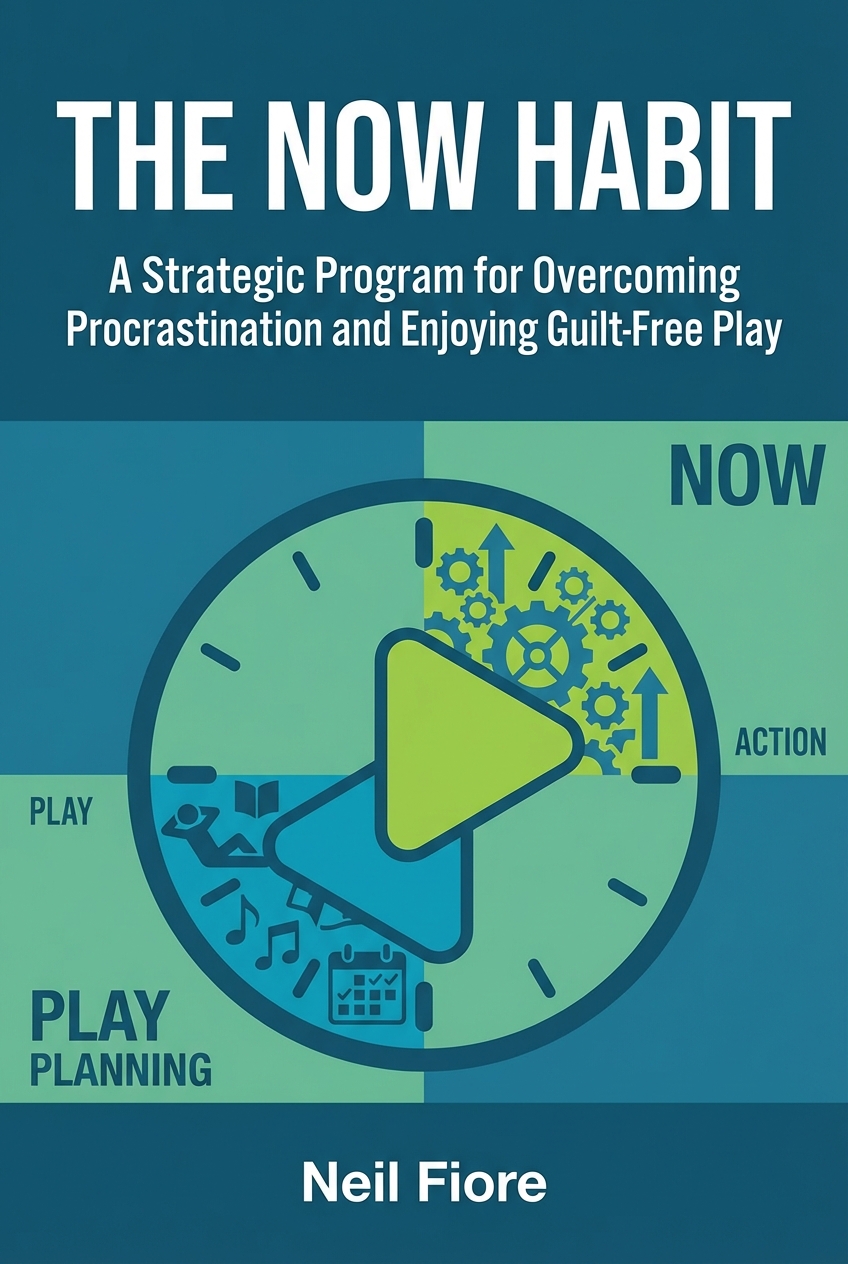
The Now Habit
Overcome procrastination by tackling its surprising psychological roots.
- Procrastination is often a coping mechanism, not laziness.
- Use the 'Unschedule' to prioritize guilt-free play and relaxation.
- Start tasks without fear by focusing on small, manageable steps.
Chronic procrastinators seeking to reduce stress and get more done.
Overcome procrastination by tackling its surprising psychological roots.
Breaking the Habit of Being Yourself
Rewire your brain and break free from self-limiting thoughts and emotions.
- Your personality creates your personal reality.
- Use meditation to access new states of being and mind.
- Break emotional addictions tied to past experiences.
People feeling stuck and ready for deep personal transformation.
Rewire your brain and break free from self-limiting thoughts and emotions.
The High 5 Habit
Build unshakable confidence with a simple, science-backed morning ritual.
- Start your day by high-fiving yourself in the mirror.
- Rewire your brain for positivity and self-encouragement.
- Become your own biggest cheerleader to overcome self-doubt.
Individuals struggling with self-criticism and low confidence.
Build unshakable confidence with a simple, science-backed morning ritual.
Frequently Asked Questions
The psychology of forming habits explores the mental processes behind our repeated actions. It often involves a 'habit loop' of a cue, a routine, and a reward. Understanding this loop helps explain why habits are so powerful and how they can be intentionally changed or created.
Learning about the psychology of forming habits is crucial because it gives you control over your life. Instead of being driven by unconscious routines, you can consciously design behaviors that align with your goals for health, productivity, and happiness. This knowledge empowers you to make lasting, positive changes.
Most experts agree the easiest way is to start incredibly small, a technique often called 'atomic habits.' Instead of aiming to meditate for 30 minutes, start with one minute. This 'minimum viable habit' reduces resistance and builds momentum, making it easier to stick with the behavior long-term.