Victorian Literature Novels
Dive into the tumultuous world of the 19th century, a time of sweeping industrial change and rigid social hierarchies. The best victorian books offer more than just gripping stories; they are powerful works of social commentary that explore themes of class, ambition, love, and rebellion. From sprawling London epics to haunting gothic romances, our collection of victorian literature novels captures the heart of an era defined by its contradictions and enduring influence on the modern world. Curated by the VoxBrief team.
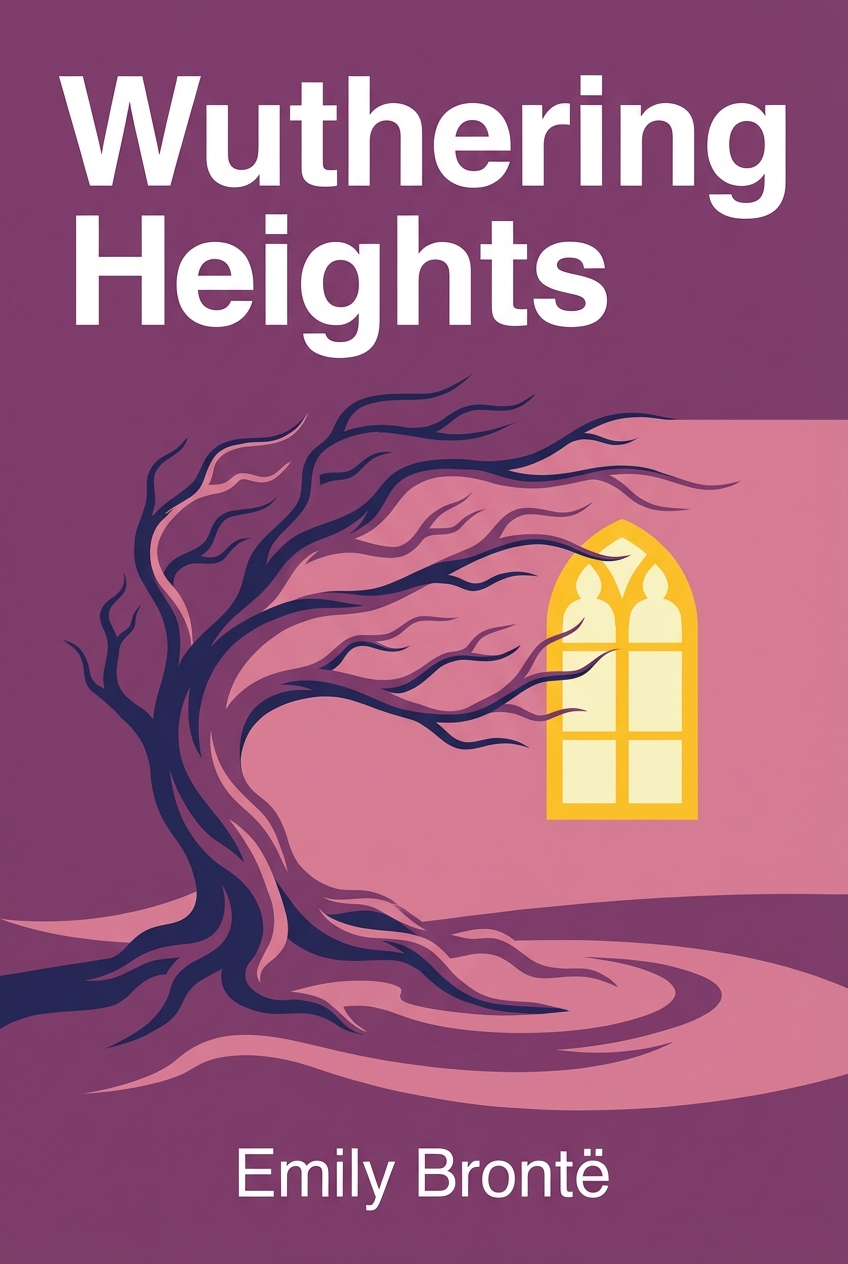
Wuthering Heights
Unpack the dark side of obsessive love and how it can poison generations.
- Obsessive love can become a destructive, all-consuming force.
- Social class and personal betrayal fuel cycles of revenge.
- Childhood wounds can shape an individual's entire life path.
Readers fascinated by dark romance and complex character psychology.
Unpack the dark side of obsessive love and how it can poison generations.

The Picture of Dorian Gray
A man trades his soul for eternal youth while his portrait ages horribly.
- The pursuit of pleasure without morality leads to deep corruption.
- Vanity and external beauty are poor substitutes for inner virtue.
- Every action, good or bad, ultimately has a consequence.
Anyone questioning the price of vanity and the nature of morality.
A man trades his soul for eternal youth while his portrait ages horribly.
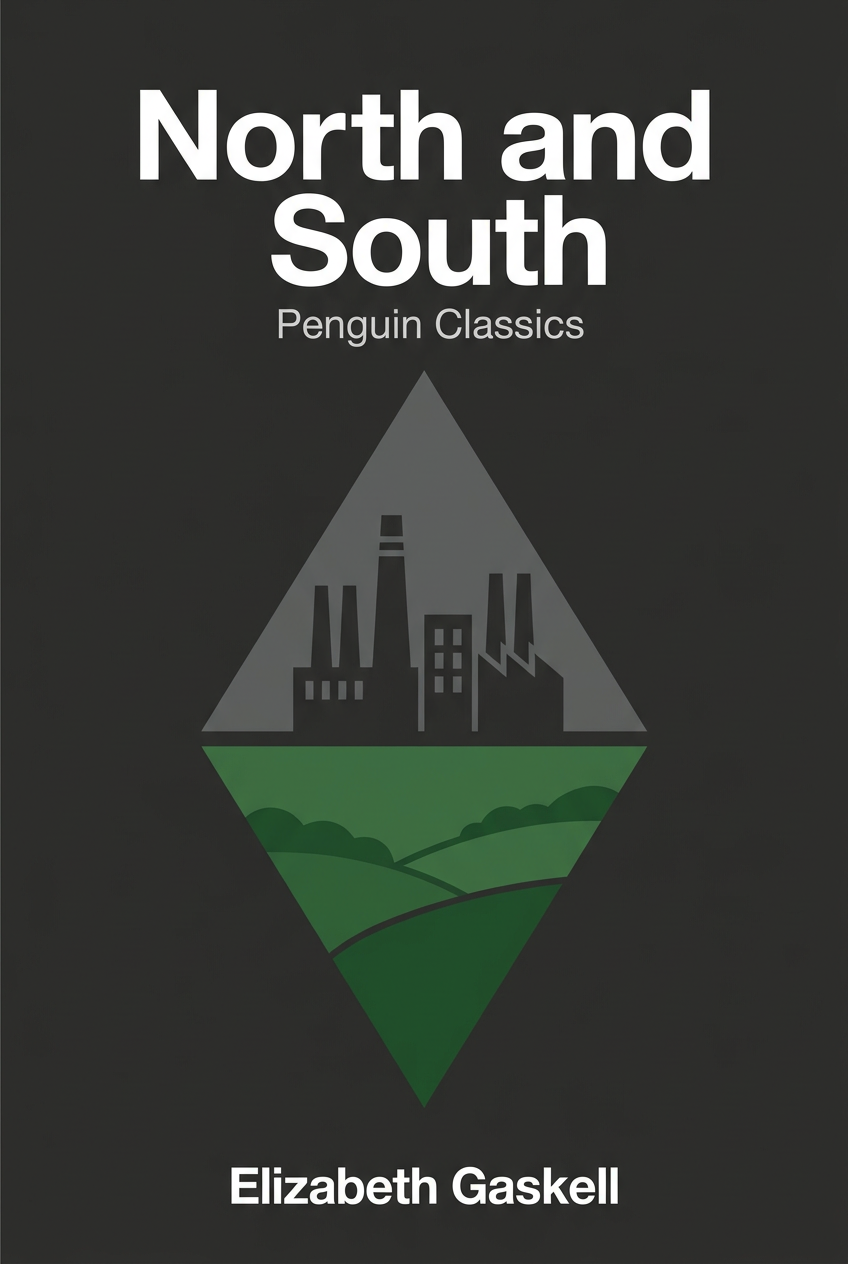
North and South
A proud southern woman confronts the harsh realities of industrial England.
- Prejudice often stems from a lack of mutual understanding.
- True growth comes from challenging your own firm beliefs.
- Social progress requires empathy between different classes.
Lovers of social commentary and slow-burn, intelligent romance.
A proud southern woman confronts the harsh realities of industrial England.
Charles Dickens
Explore the unforgettable world of Dickens, from desperate poverty to wealth.
- Society's institutions often fail the most vulnerable.
- Human compassion can be found in the most unlikely of places.
- Personal ambition must be tempered with integrity and kindness.
Readers wanting a grand tour of Victorian London and its social issues.
Explore the unforgettable world of Dickens, from desperate poverty to wealth.
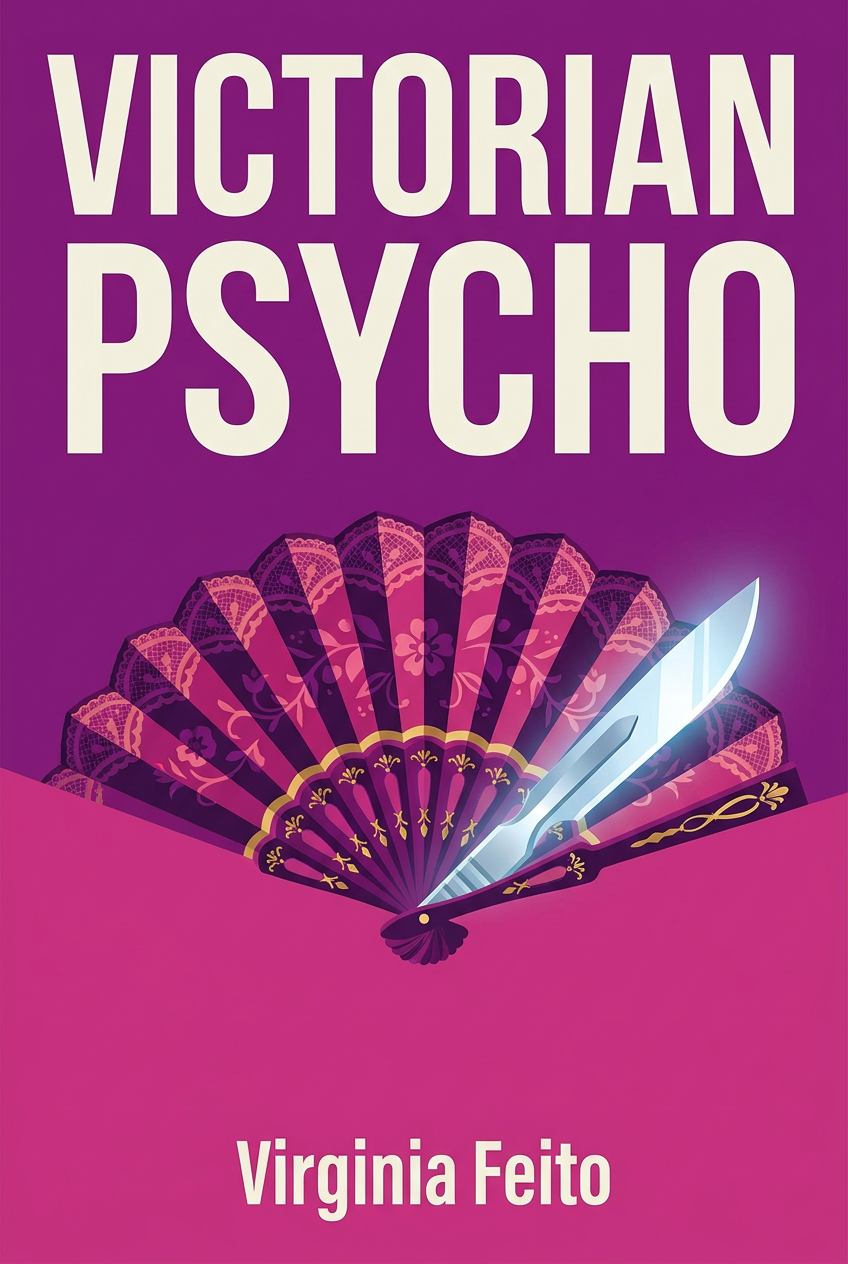
Victorian Psycho
A woman's obsession with perfection turns quiet desperation into horror.
- Societal pressure to be perfect can have a sinister dark side.
- A desperate need for control can warp one's sense of reality.
- Small lies can spiral into an inescapable web of deceit.
Fans of psychological thrillers and modern gothic horror.
A woman's obsession with perfection turns quiet desperation into horror.
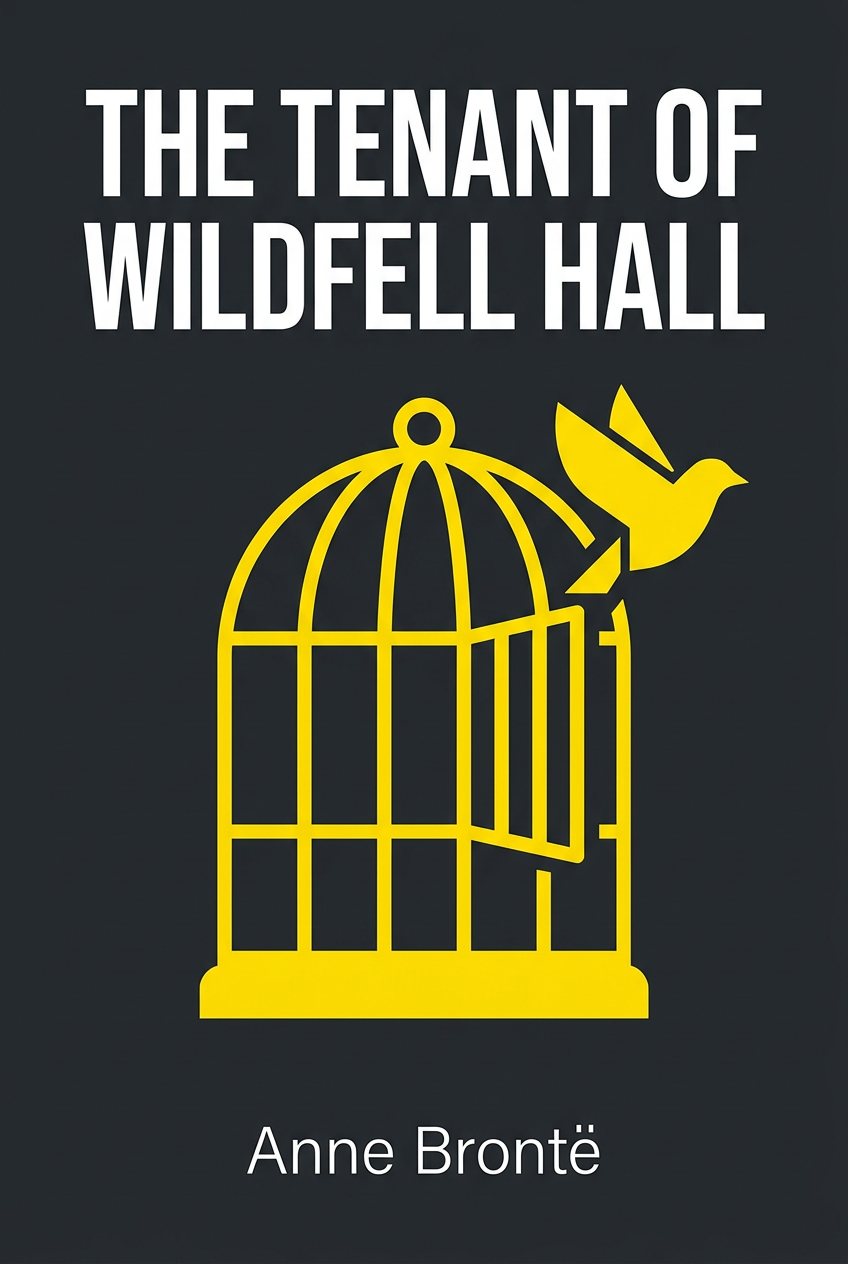
The Tenant of Wildfell Hall
A mysterious widow defies society to escape a toxic past on her own terms.
- Women can achieve independence through courage and talent.
- Defying unjust social conventions is a radical act of self-worth.
- Escaping a destructive relationship is crucial for self-preservation.
Readers interested in early feminist themes and stories of resilience.
A mysterious widow defies society to escape a toxic past on her own terms.
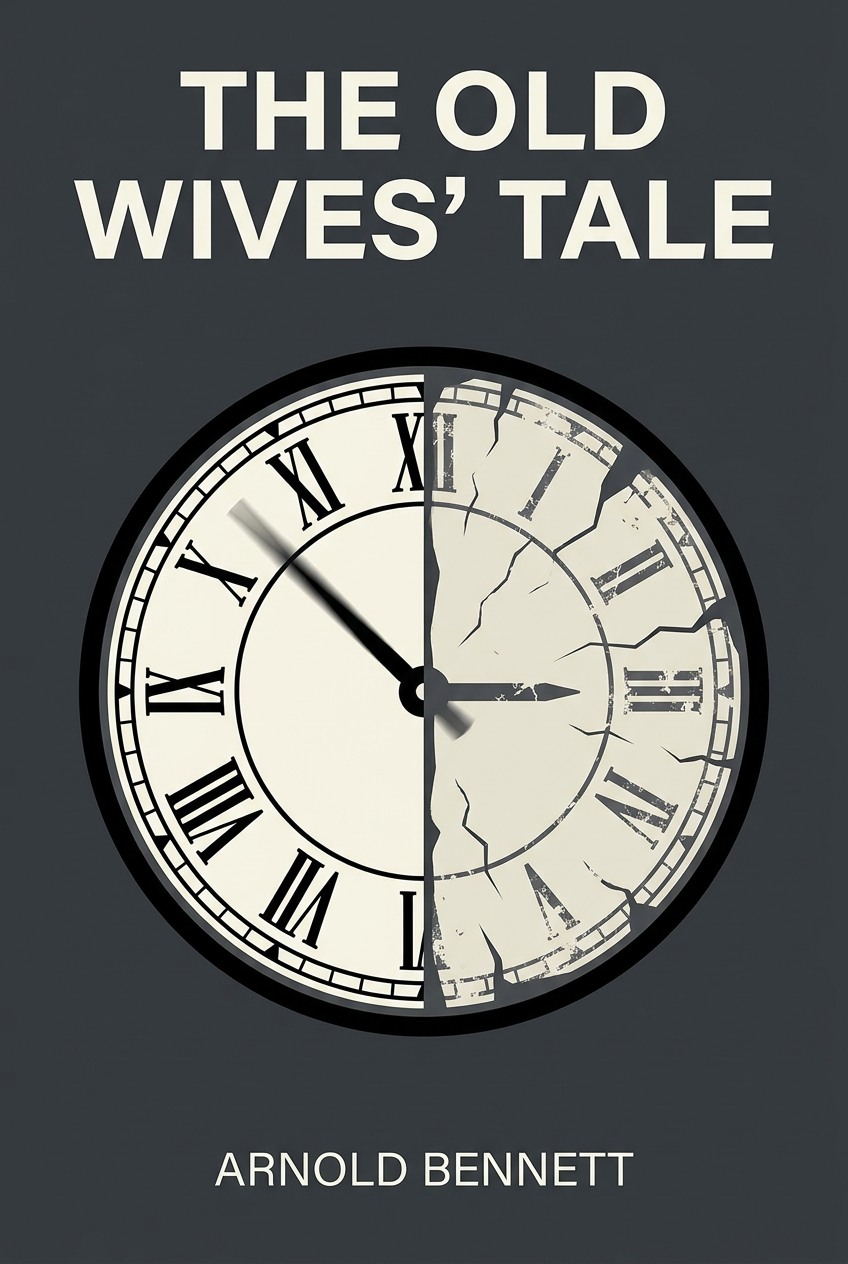
The Old Wives' Tale
Traces the diverging 60-year paths of two sisters, one cautious, one daring.
- Small choices can compound into vastly different life outcomes.
- Time and experience reshape youthful ideals and ambitions.
- Personal identity is shaped by both place and circumstance.
Those who enjoy sprawling, multi-generational family sagas.
Traces the diverging 60-year paths of two sisters, one cautious, one daring.
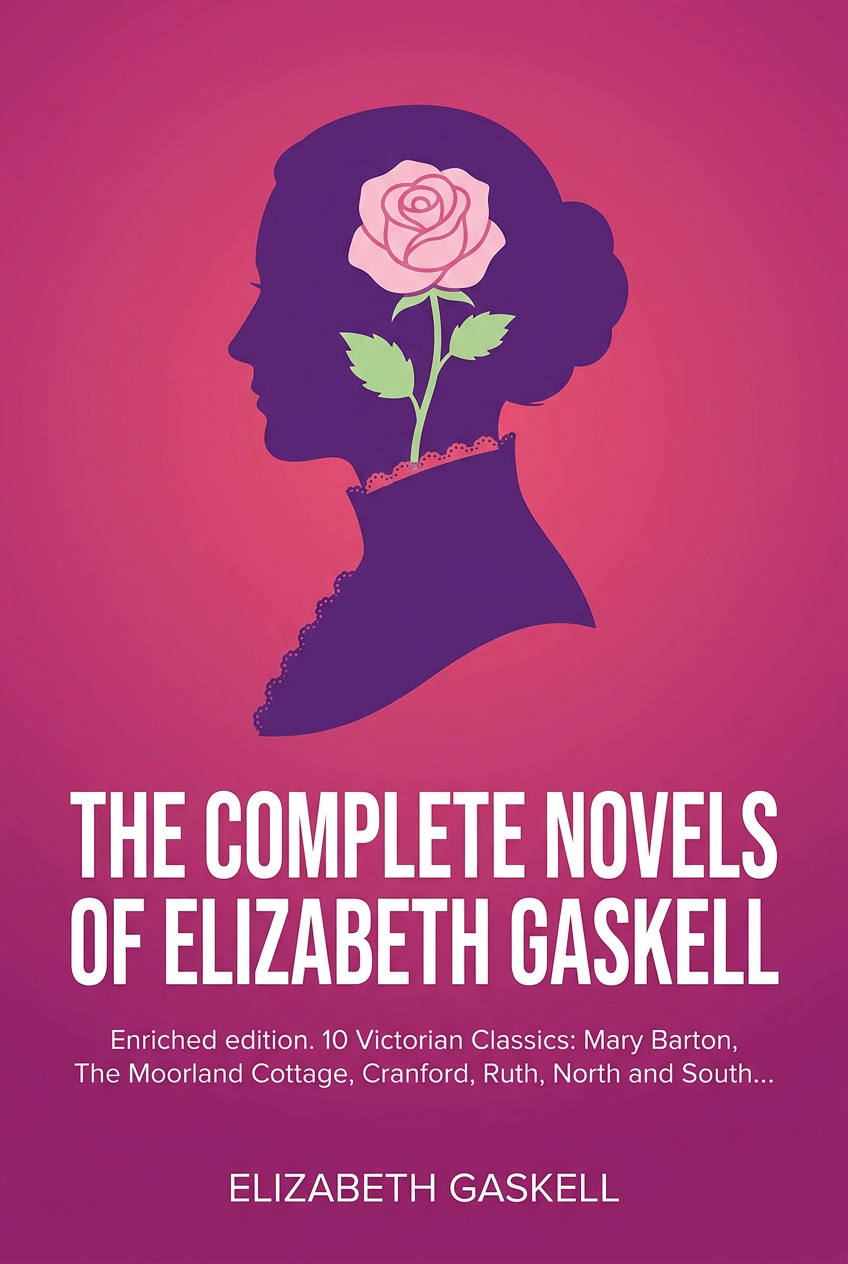
The Complete Novels of Elizabeth Gaskell
Masterful stories of social challenges and the complex lives of women.
- Industrialization created deep divides between the rich and poor.
- Women's lives were often constrained by rigid societal expectation.
- Empathy is the key to bridging social and class differences.
Readers looking for a victorian series focused on women and justice.
Masterful stories of social challenges and the complex lives of women.

The Pretty Lady
A wealthy man's ordered life is upended by a woman who defies convention.
- Human desire often clashes with rigid social rules and expectations.
- Wartime can disrupt and challenge established moral codes.
- Love can blossom across seemingly impassable class divides.
Readers who enjoy social satire and unconventional romance.
A wealthy man's ordered life is upended by a woman who defies convention.
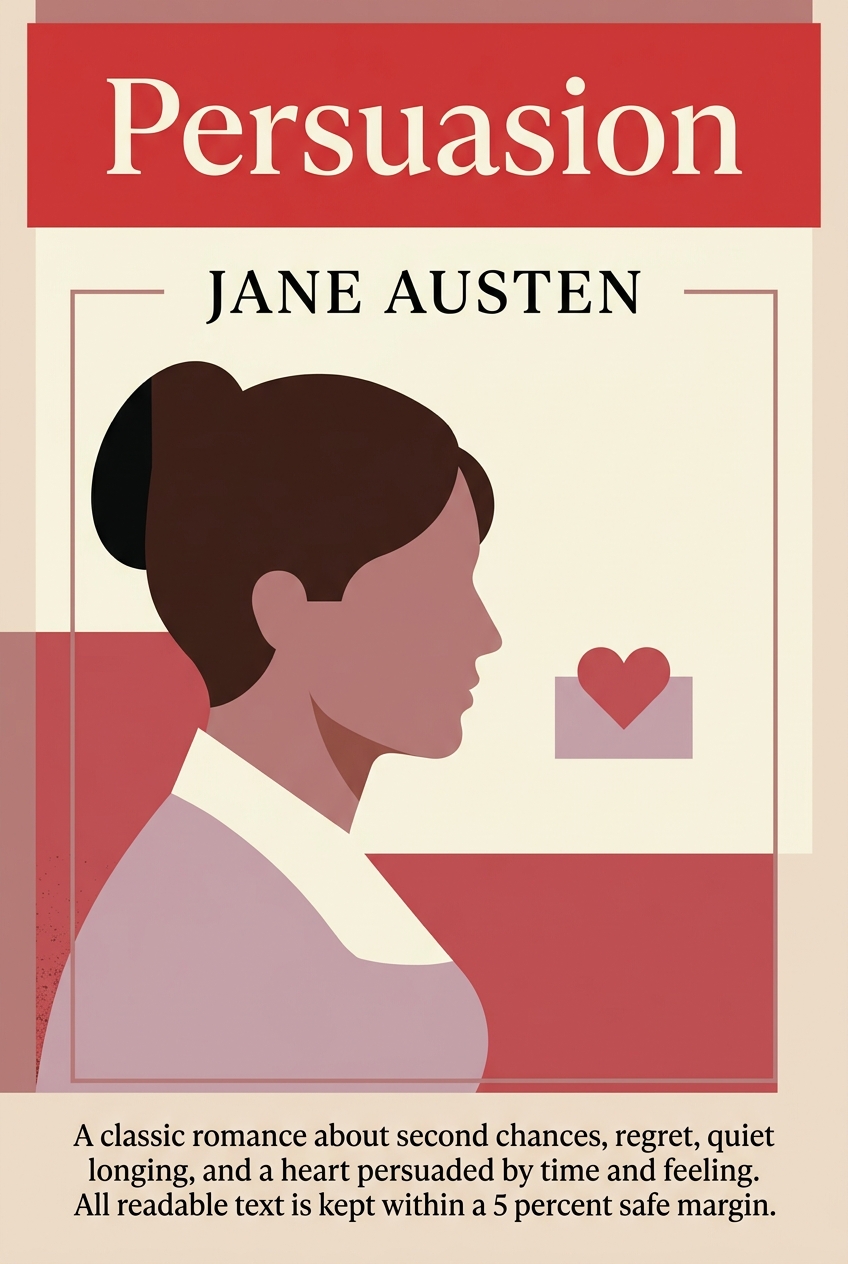
Persuasion
A woman gets a second chance at love after regretting a past decision.
- Trusting your own judgment is vital for long-term happiness.
- Patience and quiet confidence can lead to remarkable second chances.
- Societal pressure can lead to choices you regret for a lifetime.
Anyone who believes in second chances and wants a mature love story.
A woman gets a second chance at love after regretting a past decision.
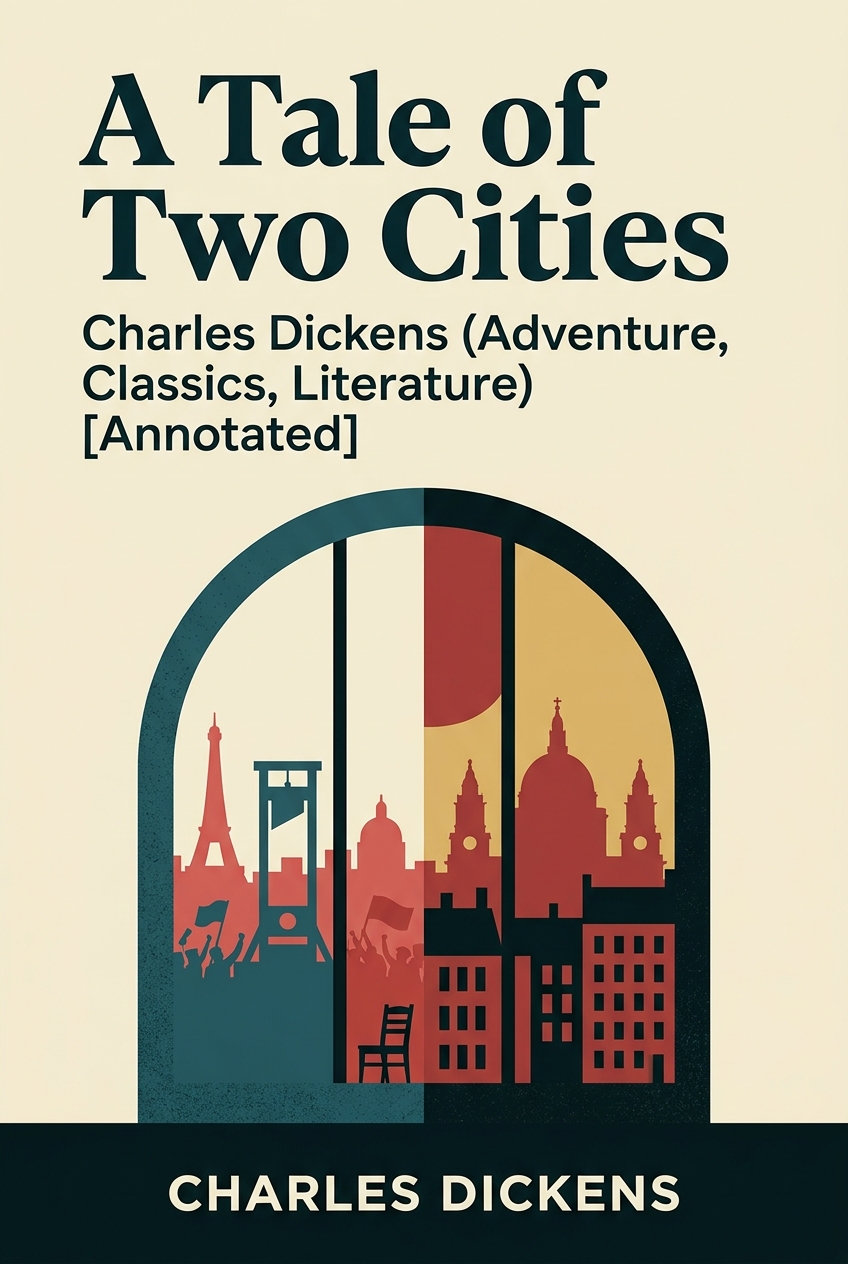
A Tale of Two Cities
An epic story of love and ultimate sacrifice during the French Revolution.
- Personal sacrifice is the ultimate expression of love.
- Revolutions often blur the line between justice and vengeance.
- Redemption is possible even for the most cynical souls.
History buffs and readers who appreciate epic themes of sacrifice.
An epic story of love and ultimate sacrifice during the French Revolution.
Great Expectations
An orphan's new fortune forces him to confront love, class, and ambition.
- True wealth is not measured by money or social status.
- Ambition can come at the cost of personal integrity.
- Unexamined expectations often lead to disappointment.
Anyone exploring themes of identity, ambition, and social mobility.
An orphan's new fortune forces him to confront love, class, and ambition.

Uncle Toms Cabin
A powerful story that exposed the brutal reality of slavery to the world.
- Storytelling can be a powerful tool for profound social change.
- Human cruelty is often enabled by indifferent systems.
- Faith and resilience can endure hardships beyond measure.
Those interested in influential historical fiction and social justice.
A powerful story that exposed the brutal reality of slavery to the world.
Sense and Sensibility
Two sisters must balance passion and prudence to find love and security.
- A balance of emotion and logic is key to navigating life.
- Societal pressure and finances often complicate matters of the heart.
- True character is revealed through adversity and disappointment.
Romantics who enjoy witty social commentary and contrasting heroines.
Two sisters must balance passion and prudence to find love and security.
A Woman of No Importance
A witty play challenging the hypocritical social standards of its time.
- Society often holds women to an unfair double standard.
- Past secrets have a way of inevitably coming to light.
- Defying unjust social judgment requires immense personal courage.
Fans of Oscar Wilde's sharp wit and dramatic social critiques.
A witty play challenging the hypocritical social standards of its time.
Frequently Asked Questions
A great Victorian novel often combines a compelling plot with sharp social commentary. They typically explore themes like class divides, industrialization, gender roles, and morality, all wrapped in rich prose and featuring memorable characters whose struggles reflect the era's rapid changes.
For a gothic and passionate story, Emily Brontë's *Wuthering Heights* is a fantastic start. If you prefer witty social observation, Oscar Wilde's *The Picture of Dorian Gray* is a brilliant choice. For a grand social epic, you can't go wrong with Charles Dickens's *Great Expectations*.
Classic victorian literature novels were written during the 19th century and directly address the issues of that time. Modern Victorian novels, like *Victorian Psycho*, are written today but set in the Victorian era, often using a modern psychological lens to explore and subvert the period's tropes.