World History Books
Grasping why is world history important is the first step to understanding our present. To have world history explained clearly, finding the right starting point is essential. We’ve sifted through countless titles to bring you the best books on world history, from sweeping overviews to focused narratives. Each summary offers a unique perspective on our shared past. These must read world history books connect the dots from ancient civilizations to modern global events, making complex topics accessible. Explore a world history book from our list and begin your journey. Curated by the VoxBrief team.
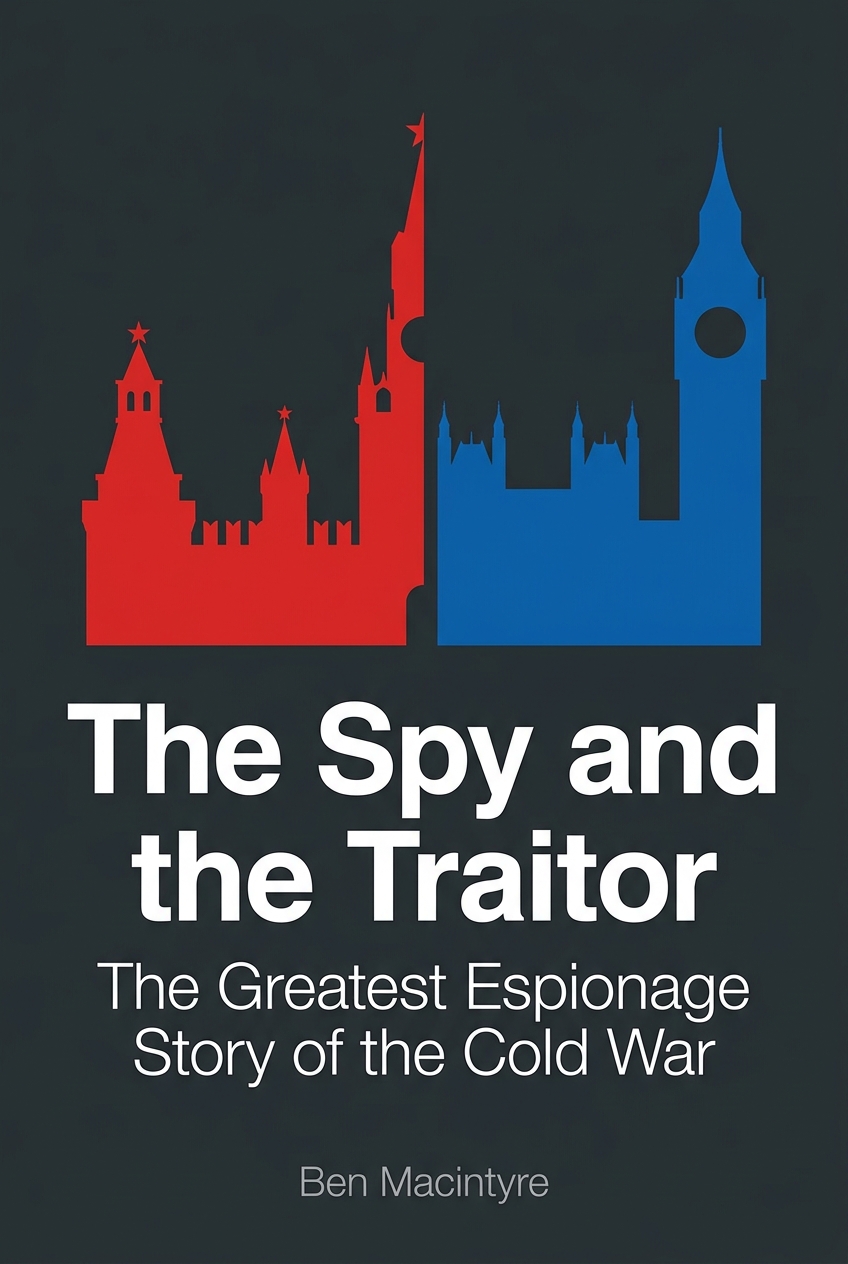
The Spy and the Traitor
A KGB officer's secret life as a double agent for Britain during the Cold War.
- One person's moral choices can dramatically alter major geopolitical events.
- Cold War espionage involved high-risk dead drops and clandestine meetings.
- Intelligence from insiders provided the West with crucial insights into Soviet plans.
Readers fascinated by true stories of espionage and Cold War tension.
A KGB officer's secret life as a double agent for Britain during the Cold War.
The Silk Roads
This summary re-centers history on Asia's influential trade routes.
- The Silk Roads were central to global development, not a historical footnote.
- Asia and Europe's histories have always been deeply interconnected.
- Trade, religion, and disease spread globally along these ancient networks.
Anyone tired of Eurocentric history seeking a more global perspective.
This summary re-centers history on Asia's influential trade routes.
The Penguin History of the World
Get the definitive story of human civilization from our origins to today.
- History is a continuous narrative connecting all societies on Earth.
- Major forces like empires, religion, and science drive civilizational change.
- Understanding the past is essential for grasping today's interconnected world.
Readers wanting a comprehensive, single-volume overview of all human history.
Get the definitive story of human civilization from our origins to today.
Short History of The World, A
H.G. Wells' classic guide makes the sweep of human history accessible.
- History can be understood as a single, coherent story of humanity.
- Key events and discoveries build upon each other across different eras.
- Great empires rise and fall, but human progress continues to evolve.
Beginners seeking an engaging and easy-to-digest introduction to history.
H.G. Wells' classic guide makes the sweep of human history accessible.
A People's History of the World
See history from the ground up, driven by ordinary people, not rulers.
- The struggles of common people are the real engine of historical change.
- Class conflict and technological shifts have shaped major societal transformations.
- History often overlooks the contributions and innovations of the masses.
Those interested in social movements and a non-traditional view of history.
See history from the ground up, driven by ordinary people, not rulers.
World History - Collection of 6 Books
A beautifully illustrated 6-book adventure through time for young readers.
- History can be an exciting journey through empires, wars, and inventions.
- Visuals and fun facts make complex historical events easier to grasp.
- Learning about the past gives children a head start in understanding their world.
Parents looking to make world history engaging and fun for their children.
A beautifully illustrated 6-book adventure through time for young readers.
World History 1
Master the key facts of world history from antiquity to the early modern era.
- History can be broken down into clear, digestible timelines and events.
- Understanding the rise and fall of ancient civilizations is crucial.
- The spread of major religions had a massive impact on global development.
Students or learners who need a concise review of historical facts and dates.
Master the key facts of world history from antiquity to the early modern era.
Annals of the World
A single, chronological timeline connecting biblical and secular history.
- History can be organized into a single, year-by-year chronological narrative.
- Biblical accounts and secular historical records can be cross-referenced.
- This work famously calculated the date of creation as 4004 BC.
Those interested in biblical history and chronological accounts of the ancient world.
A single, chronological timeline connecting biblical and secular history.
The History of the World
Condenses millions of years of human history into a single powerful narrative.
- Modern life is directly connected to events from ancient history.
- Societies have always been shaped by challenges, inventions, and cultural spread.
- Human history is a continuous story from stone tools to the digital age.
Individuals looking for a quick yet comprehensive story of human progress.
Condenses millions of years of human history into a single powerful narrative.
AP World History
An all-in-one toolkit for mastering the AP World History: Modern exam.
- Success on the AP exam requires both content knowledge and test strategy.
- The curriculum is divided into units from the global tapestry to globalization.
- Mastering document-based questions (DBQs) is key to a high score.
High school students preparing for the AP World History: Modern exam.
An all-in-one toolkit for mastering the AP World History: Modern exam.
Nexus
Discover how information has always been the ultimate source of power in history.
- Information networks, from myths to social media, shape human society.
- Control over information has been used to both unite and divide populations.
- Fake news and its rapid spread is not a new historical phenomenon.
Yuval Noah Harari fans curious about the role of information in civilization.
Discover how information has always been the ultimate source of power in history.
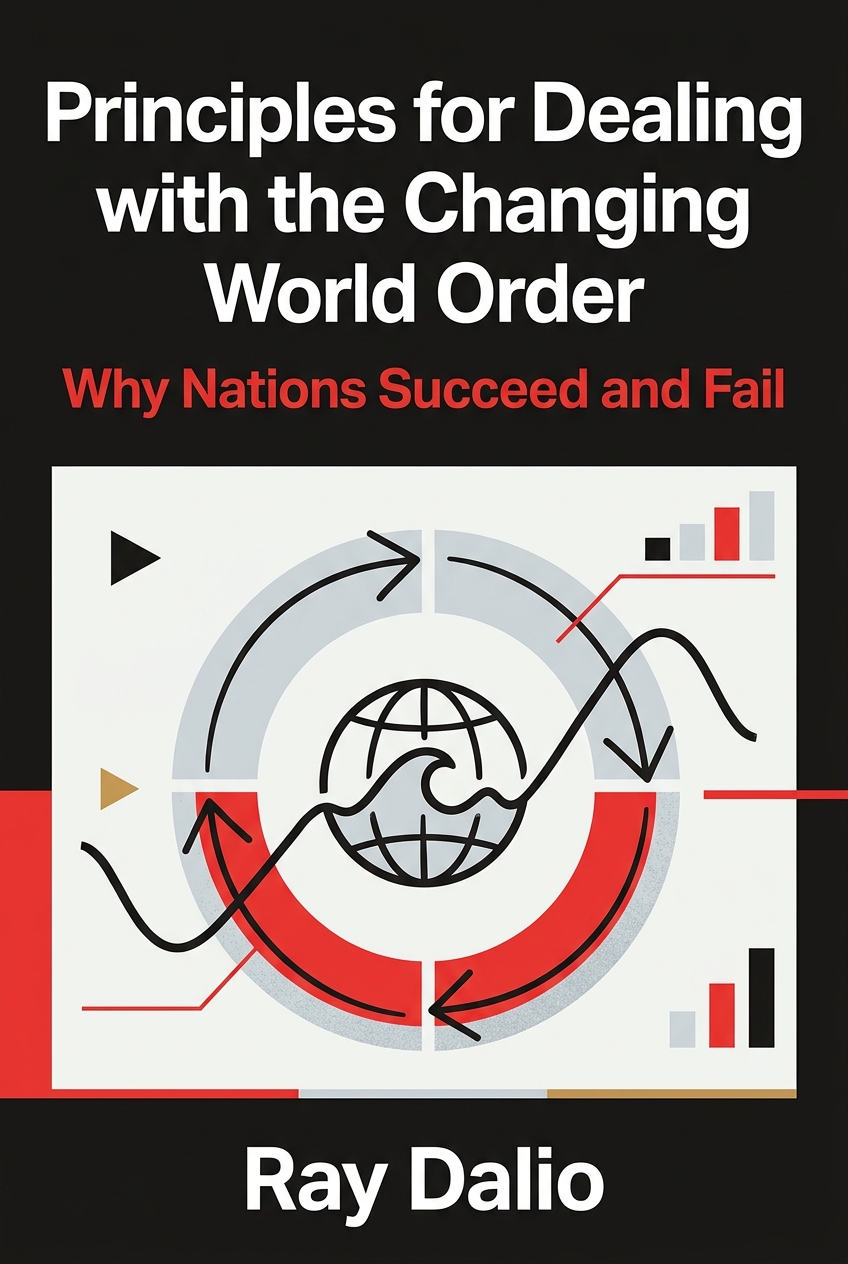
Principles for Dealing with the Changing World Order
Understand the historical cycles of rising and falling empires to anticipate the future.
- Nations follow a predictable 'Big Cycle' of rise, peak, and decline.
- A nation's power is determined by key indicators like debt, trade, and innovation.
- Historical patterns can help forecast major economic and political shifts.
Investors and leaders seeking to navigate future economic and political change.
Understand the historical cycles of rising and falling empires to anticipate the future.
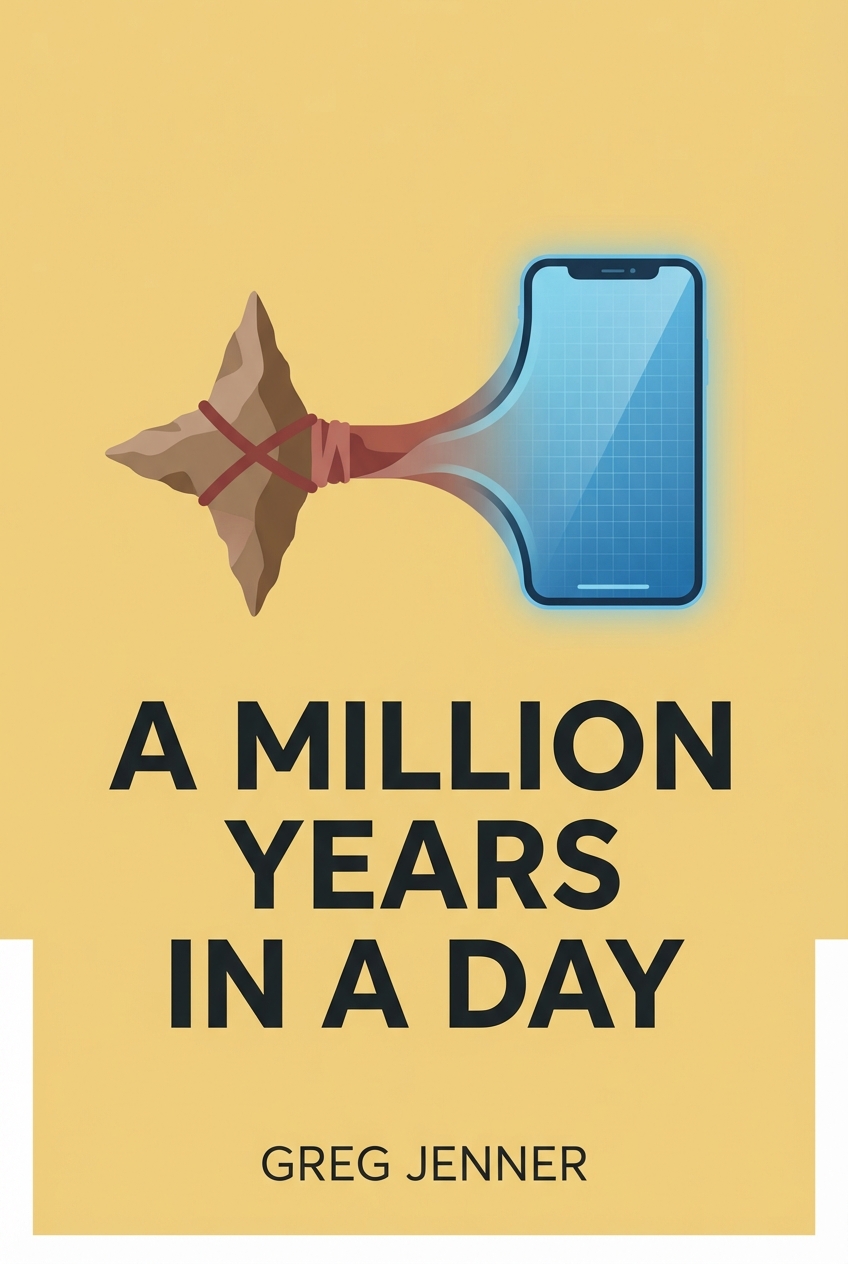
A Million Years in a Day
Uncover the surprising and hilarious history behind your everyday routines.
- Mundane objects like forks and beds have revolutionary histories.
- Your daily habits connect you to a million years of human innovation.
- History is hidden in the small, overlooked details of modern life.
Anyone who enjoys fun facts and wants a lighthearted approach to history.
Uncover the surprising and hilarious history behind your everyday routines.
Frequently Asked Questions
Studying world history is crucial because it explains how today's societies, technologies, and global relationships were formed. It provides context for current events, teaches lessons from past successes and failures, and fosters a better understanding of different cultures.
Key lessons include the cyclical nature of empires rising and falling, the profound impact of technological innovation, and the constant struggle for power and resources. It also shows how ideas—like democracy, religion, or science—can spread and reshape the world.
Every aspect of modern life, from the language you speak to the food you eat, is a product of world history. Events like the Industrial Revolution created our modern economy, global conflicts drew national borders, and movements for rights and independence define our political values.