Embarking on a journey to improve your relationship with yourself can feel overwhelming. You know you want to feel better, more confident, and less critical, but where do you even start? For many, the answer begins with a good book about self love. These are not just collections of feel-good quotes; they are powerful toolkits designed to help you dismantle old patterns of self-criticism and build a new foundation of inner strength and kindness. This guide serves as an introduction to books about self love, explaining what they are, why they matter, and how to harness their wisdom for lasting change.
Whether you're feeling stuck, battling a harsh inner critic, or simply want to cultivate a deeper sense of personal peace, understanding the principles within these books is the first step toward reclaiming your well-being. We’ll explore the core concepts and provide practical tips to help you get the most out of your reading.
What Exactly Qualifies as a Book About Self Love?
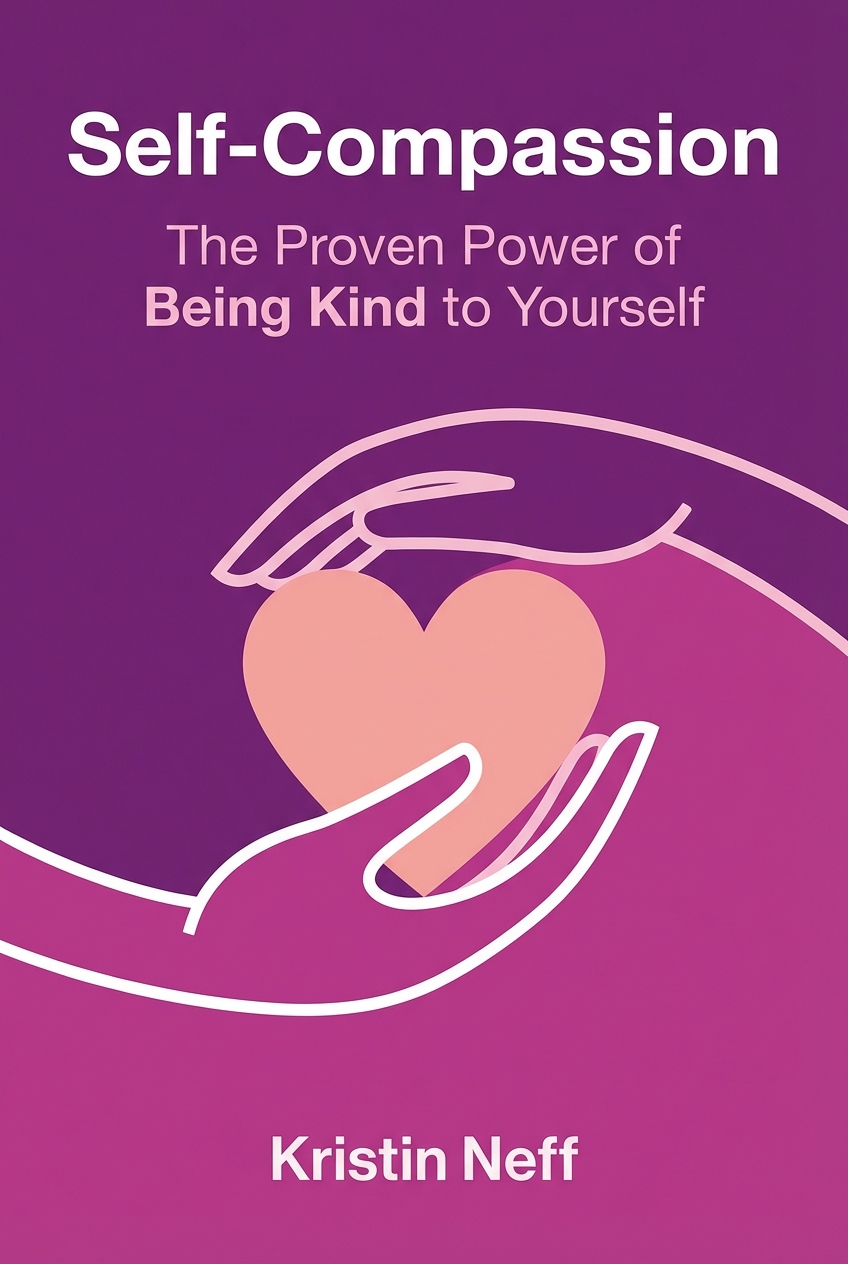
When we ask, "what is books about self love?", the answer is more complex than it might seem. These books challenge the common cultural narrative around success and happiness. For instance, many of us were taught that high self-esteem is the ultimate goal. However, as researcher Dr. Kristin Neff points out in her groundbreaking work, Self-Compassion, this pursuit can be a trap. She argues that self-esteem is often contingent on external validation—success, appearance, or a feeling of being "special." When we fail, our self-esteem plummets, leaving us vulnerable.
Self-love and self-compassion offer a more stable and resilient alternative. Books in this category teach you to be kind to yourself precisely when you feel you least deserve it. They focus on three core pillars Neff identifies: mindfulness (acknowledging your pain without over-identifying with it), common humanity (recognizing that suffering and imperfection are universal experiences), and self-kindness (treating yourself with the same warmth you would offer a friend).
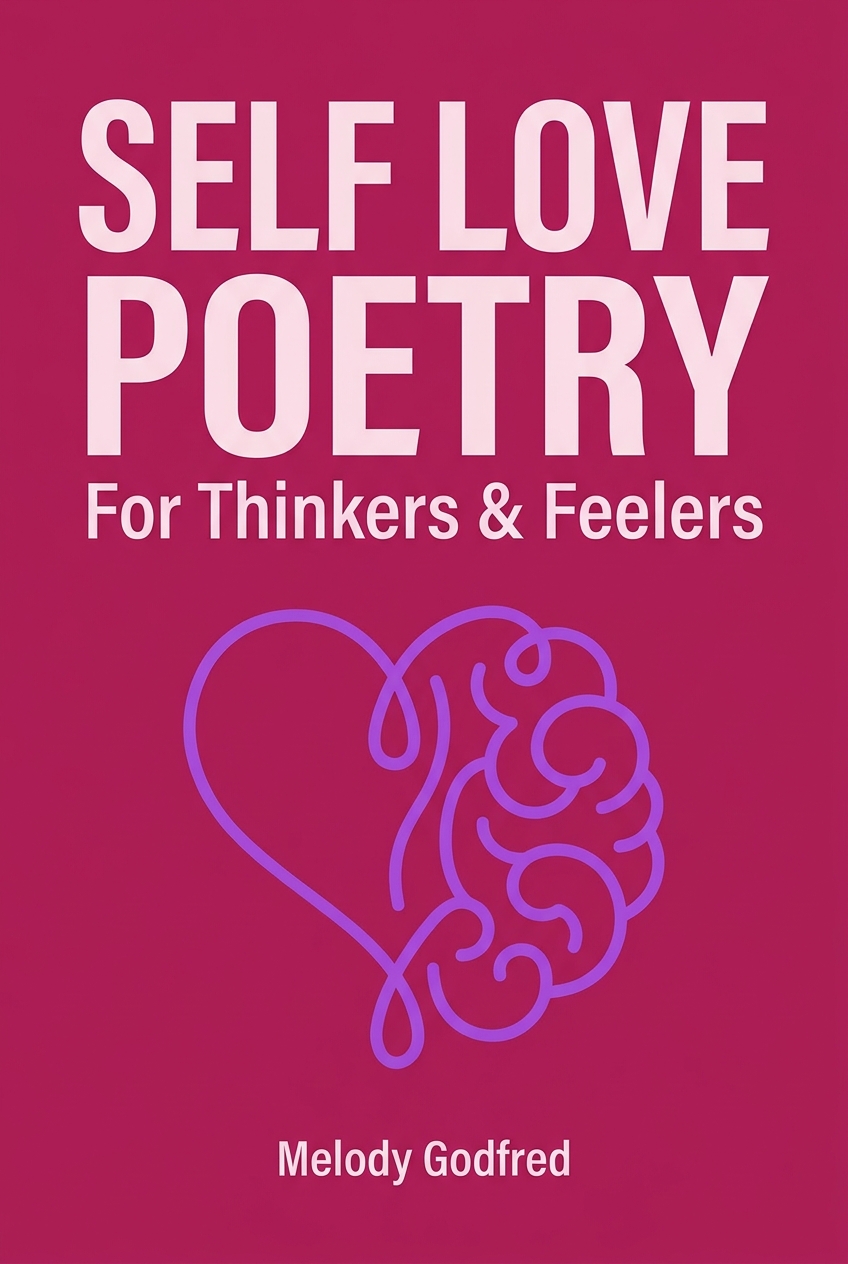
Furthermore, a transformative book on this topic often emphasizes that self-love is an ongoing practice. In Self Love Poetry, Melody Godfred frames it as an "active, courageous choice you make every single day." It’s not a passive state you achieve but a discipline you cultivate. This is a critical distinction for anyone exploring books about self love for beginners; the goal isn't to suddenly feel perfect but to commit to the daily work of showing up for yourself with compassion and acceptance.
Why Reading a Book About Self Love Is Important for Your Growth
The reason a book about self love can be so transformative is that it addresses the root cause of much of our anxiety and unhappiness: our own internal dialogue. Many people fear that being kind to themselves will lead to laziness or a loss of ambition. If you stop criticizing yourself for mistakes, won't you just let yourself off the hook? Why is learning about books about self love important if it might kill your drive?
The opposite is true. As Dr. Neff explains in Self-Compassion, relentless self-criticism activates our body's threat-defense system. This floods us with cortisol and adrenaline, leading to stress, anxiety, and a feeling of being under attack. Self-compassion, on the other hand, activates our care-and-attachment system, releasing oxytocin and creating a sense of safety and security. From this grounded state, we are far more capable of learning from our mistakes and moving forward with constructive energy. Self-kindness becomes a superior motivator to fear.
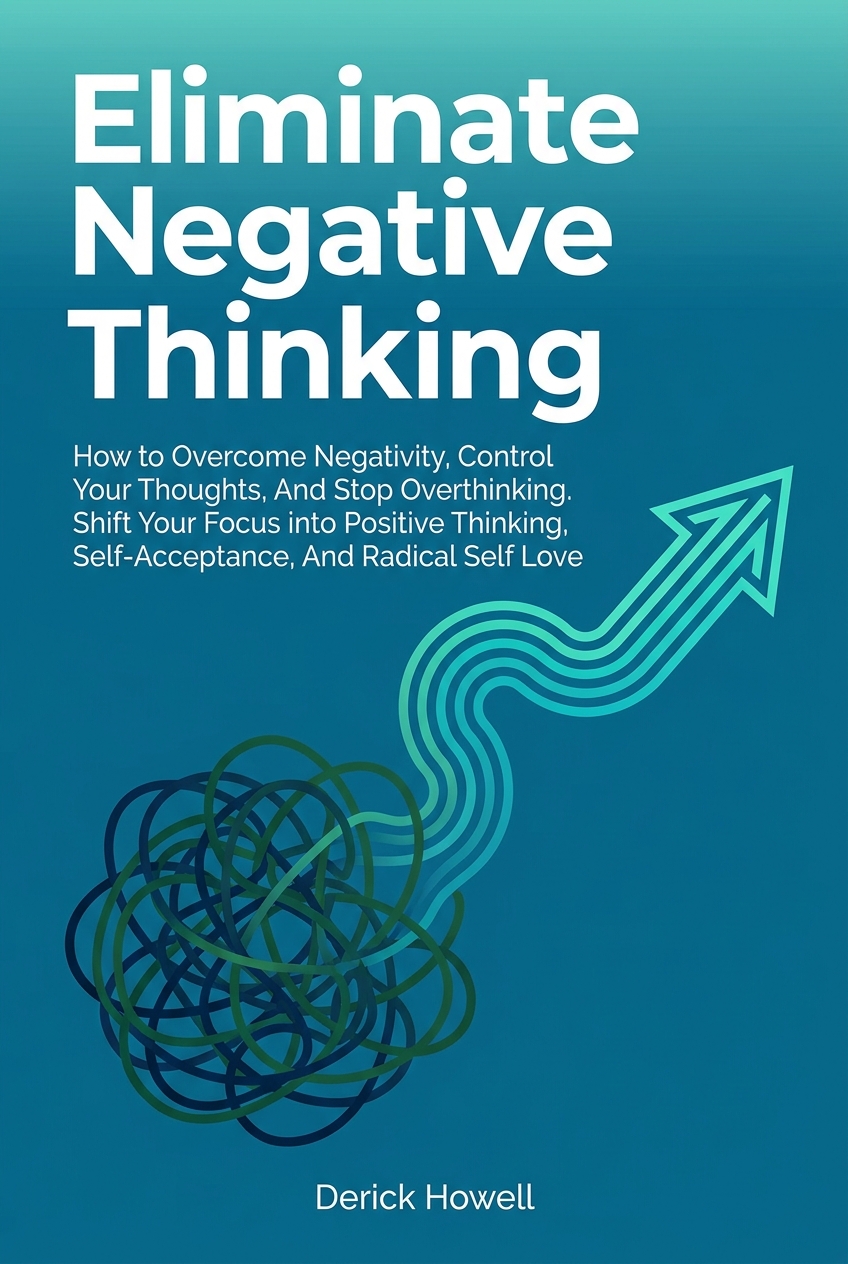
This is where books about self love offer tangible tips. For instance, in Eliminate Negative Thinking, Derick Howell explains that trying to simply suppress or fight negative thoughts often makes them stronger. Instead, he provides practical tools for a "mental reset," such as mindfulness exercises and cognitive reframing techniques. These books teach you to become an observer of your thoughts rather than a victim of them. You learn that negative thinking is a habit, not an identity—a habit that can be unlearned and replaced with more supportive patterns.
How to Learn from Self-Love Books: Key Concepts Explained
To truly benefit from these teachings, you need to understand and apply the core principles. The process is not about passive reading but active engagement. Here are some of the fundamental concepts explained in these books that show you how to learn books about self love effectively.
Understanding Your Inner World: Thoughts and Vibrations
Many books in this genre go beyond surface-level behavioral changes and delve into the energetic component of your being. In Good Vibes, Good Life, Vex King introduces a powerful framework called the Law of Vibration. He argues that everything in the universe, including our thoughts and feelings, is in a constant state of motion, or vibration. Your personal "vibe" is the overall energetic state you broadcast to the world.
According to King, this is more fundamental than the Law of Attraction. Instead of just thinking about what you want, the key is to feel the way you would feel if you already had it. By cultivating positive emotions like gratitude, joy, and love, you raise your vibrational frequency. This, in turn, attracts people, opportunities, and experiences that match that higher frequency. Your inner state directly creates your outer reality. This concept empowers you by placing responsibility for your life firmly in your own hands, showing that your emotional and mental hygiene is the single most important factor in your success and happiness.
From Acceptance to Action: The Two Sides of Self-Love
Self-love is often mistaken for passive self-indulgence, but this is a common misconception. A central theme in many self-love guides is the dynamic balance between radical acceptance and committed action. Vex King describes this beautifully in Good Vibes, Good Life, defining self-love as a combination of two elements: unconditional self-acceptance and the active pursuit of becoming the best version of yourself.
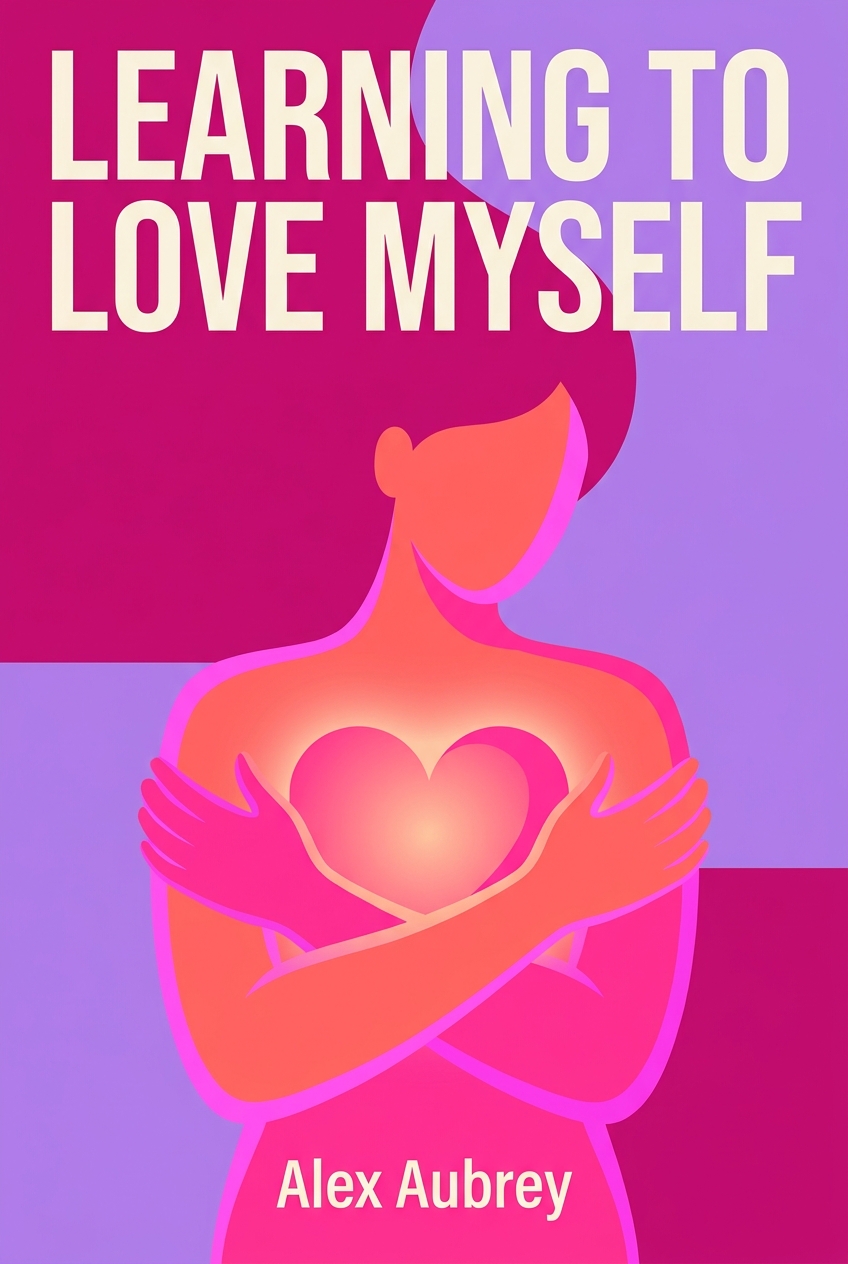
This duality is essential. You must first accept yourself completely, with all your flaws and past mistakes. This is the foundation. As Alex Aubrey explains in Learning To Love Myself, the first step is to "acknowledge the pain" and be brutally honest about where you are. Only from this place of acceptance can you move into the second phase: action. This involves actively letting go of what no longer serves you—be it toxic relationships, limiting beliefs, or unhealthy habits—and building self-reliance. It's about understanding that you are already whole and simultaneously committing to your own growth.
Perhaps the most practical and immediate benefit of reading a book about self love is gaining access to an arsenal of tools for managing your mind. When you're caught in a spiral of overthinking, you need something you can do in the moment. In Eliminate Negative Thinking, Derick Howell emphasizes that the goal isn't to get rid of negative thoughts entirely, as this is impossible. The goal is to change your relationship with them.
Howell provides a suite of techniques for a "mental reset," such as grounding exercises that bring you back to the present moment and cognitive restructuring to challenge distorted thoughts. He explains that lasting change comes from building a deep, underlying sense of self-acceptance. When you stop seeing your negative thoughts as a personal failing and start seeing them as mental noise, they lose their power over you.
This aligns with Dr. Neff's research in Self-Compassion, which shows that treating yourself with kindness during moments of pain fundamentally shifts your neurological state from one of threat to one of care. The next time you make a mistake, instead of berating yourself, you can learn to pause and speak to yourself as you would a dear friend. This simple shift is a revolutionary act of self-love.
The Final Takeaway
Ultimately, a book about self love is a roadmap, not a magic wand. The insights from authors like Vex King, Kristin Neff, and Derick Howell are incredibly powerful, but their true value is unlocked through consistent application. The core message that echoes across these works is one of radical personal responsibility and compassionate action. Your well-being is in your hands, and you have the power to reshape your inner world, one kind thought at a time. The journey starts with a single step—choosing a book, opening its pages, and beginning the practice.
Master key ideas in 15 minutes
Listen to audio summaries of these books on VoxBrief
Download Free