What Are the Best Books on Habits? A Beginner's Guide
By VoxBrief Team··6 min read
Are you stuck in a cycle of making and breaking resolutions? You decide to wake up earlier, exercise more, or finally stop procrastinating, but within a few weeks, you’re right back where you started. This frustrating loop isn't a sign of failure or a lack of willpower; it’s a sign that you’re fighting against your own brain's programming. The key to unlocking lasting change lies in understanding this programming, and for that, there's no better resource than the wisdom found in the best books on habits.
This guide serves as an introduction to best books on habits, explaining the core concepts you need to know. We’ll explore the science-backed frameworks that reveal how habits work, why they hold so much power, and how you can begin redesigning your daily routines for a more productive and fulfilling life. Think of this as your first step toward working smarter, not harder, on your personal growth.
Why Understanding Habits Is the Key to Personal Growth
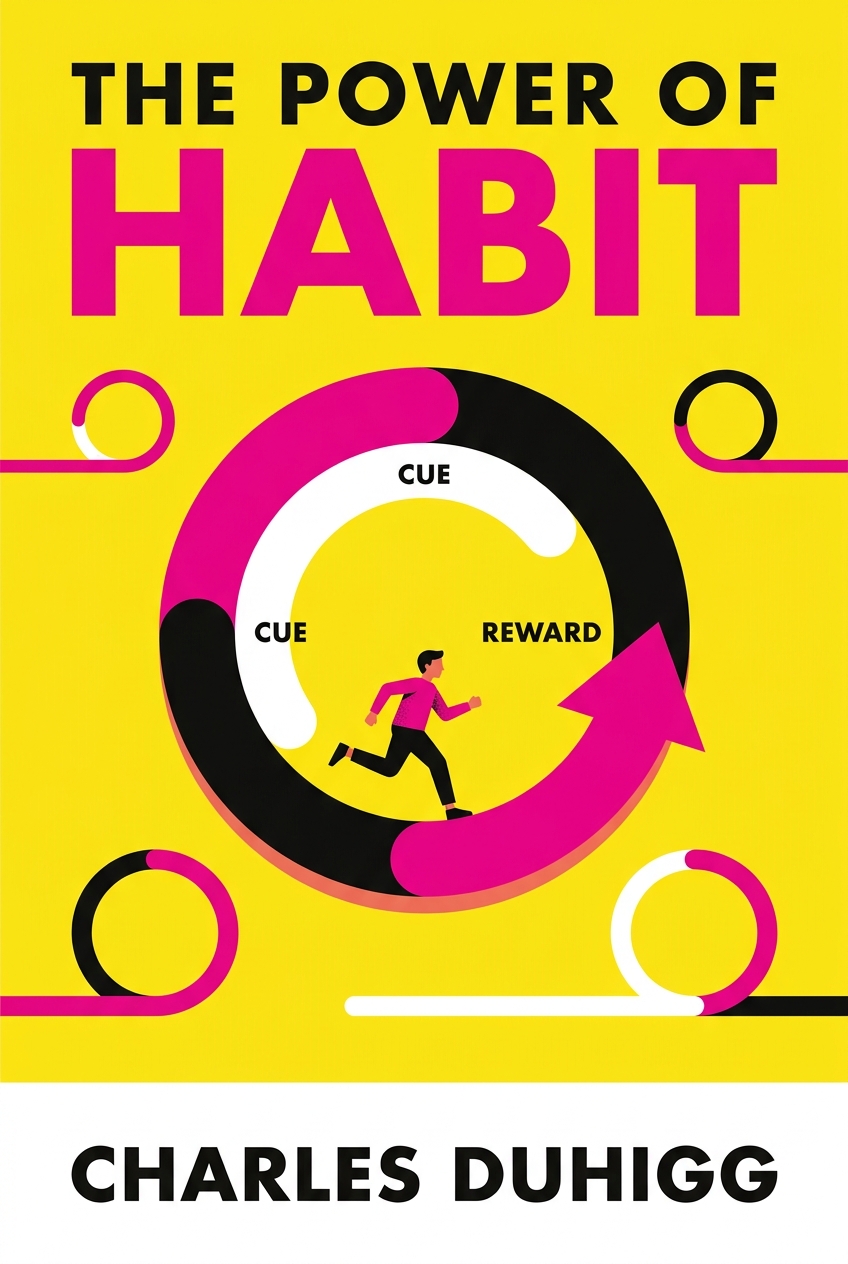
At its core, a habit is a neurological shortcut. As Charles Duhigg explains in The Power of Habit, our brains are constantly seeking ways to conserve effort. When we perform a sequence of actions repeatedly, the brain automates it into a habit, freeing up mental energy for other, more complex tasks. This is incredibly efficient, but it works for both good and bad routines. The mindless snacking, the compulsive phone-checking, the morning procrastination—these are all automated loops running in the background.
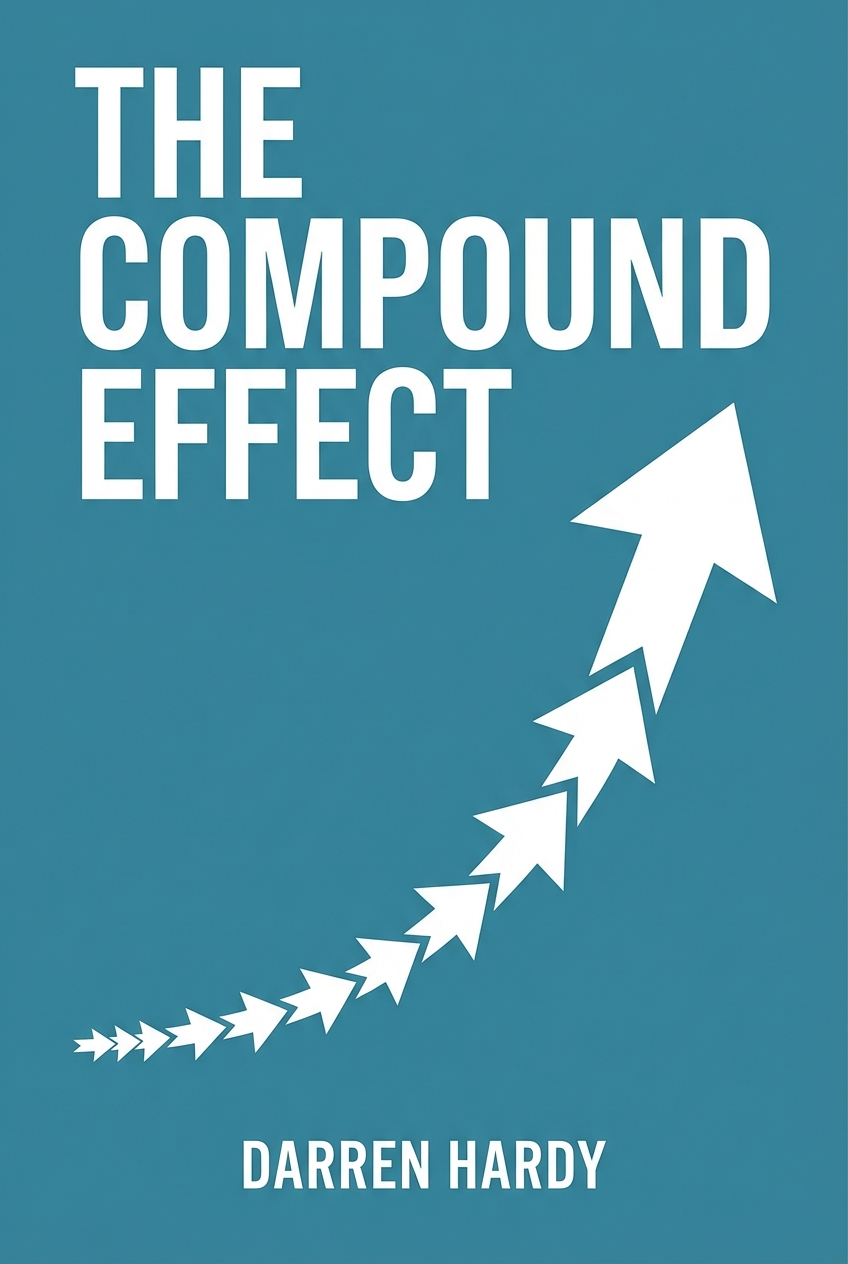
Why is best books on habits important to understand this? Because it shifts the problem from one of personal failing to one of system design. Change becomes less about brute-force willpower and more about cleverly re-engineering these automatic loops. This is where another powerful concept comes into play: the compound effect. In his book The Compound Effect, Darren Hardy illustrates that massive success is the product of small, seemingly insignificant choices practiced consistently over time. A single healthy meal doesn't transform your health, but a habit of healthy eating does. Reading ten pages a day might not feel like much, but it amounts to over a dozen books a year.
By learning from the masters of this topic, you learn how to identify these small choices and build the consistent systems that allow the compound effect to work for you, not against you.
Decoding the Architecture of Change: Frameworks from the Best Books on Habits
To effectively change a habit, you first need to see its architecture. The most influential books on this subject don't just offer tips; they provide clear models for understanding the mechanics of human behavior. This knowledge is what separates fleeting motivation from lasting transformation. Here, we'll explore some of the most powerful frameworks that have been explained to millions.
The Habit Loop: Cue, Routine, Reward
Perhaps the most foundational concept comes from Charles Duhigg's The Power of Habit. He breaks down every habit into a simple, three-part neurological loop:
The Cue: This is the trigger that tells your brain to go into automatic mode and which habit to use. It can be a time of day, a location, an emotional state, or the presence of other people.
The Routine: This is the physical, mental, or emotional behavior itself. It's the action you take, like grabbing a cookie, opening social media, or lacing up your running shoes.
The Reward: This is what satisfies the craving your brain was seeking. The reward reinforces the loop, telling your brain that this particular pattern is worth remembering and repeating.
Understanding this loop is the first step toward changing any habit. The golden rule of habit change is not to resist the cue, but to keep the cue and the reward, and consciously insert a new routine. If the cue is mid-afternoon sleepiness and the reward is a feeling of renewed energy, you can swap the routine of drinking a sugary soda for a brisk walk around the block.
Know Thyself: The Four Tendencies
Have you ever wondered why a habit-building strategy that worked wonders for a friend completely fails for you? Gretchen Rubin's Better Than Before provides a compelling answer. She argues that self-knowledge is the cornerstone of habit change. Her revolutionary framework, the "Four Tendencies," explains how we respond to expectations—both outer expectations (like a deadline from a boss) and inner expectations (like a New Year's resolution).
According to Rubin, you are either an Upholder, a Questioner, an Obliger, or a Rebel. Knowing your tendency is a superpower because it tells you which of the 21 habit-formation strategies in her book will actually work for you. For instance, an Obliger thrives on external accountability (a running buddy or a coach), whereas a Rebel will resist any attempt to be "forced" into a habit and must frame it as a choice of identity and freedom.
The Psychology of Procrastination
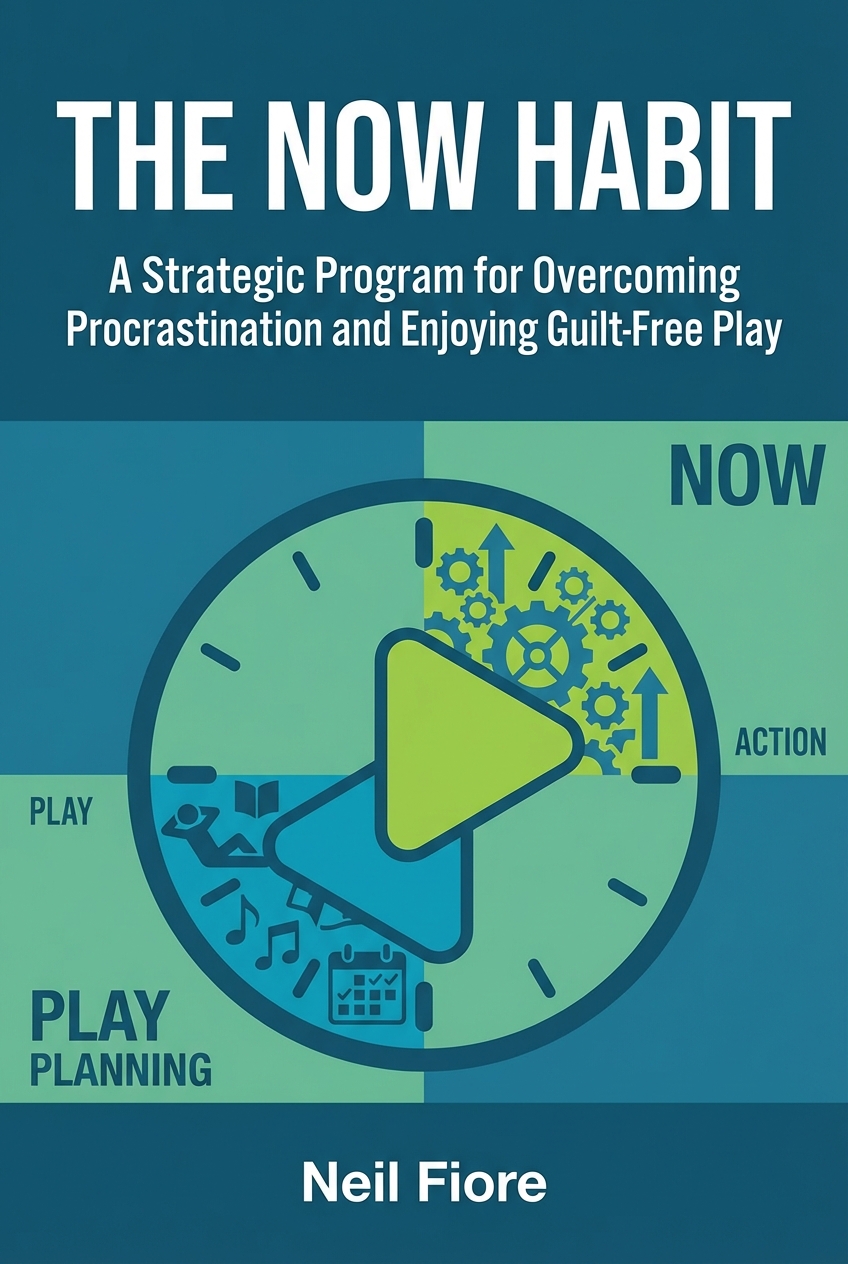
Procrastination is one of the most common habits people want to break. We often see it as a form of laziness, a character flaw to be overcome with discipline. However, in The Now Habit, Dr. Neil Fiore presents a groundbreaking perspective: procrastination is a coping mechanism. It's not a sign of laziness but a defense against the anxiety associated with a task—fear of failure, fear of imperfection, or feeling overwhelmed.
Fiore’s program focuses on shifting your mindset from one of pressure to one of production. He offers counterintuitive strategies like scheduling "guilt-free play" to ensure you get restorative breaks, and starting work for only 30 minutes at a time. This approach dismantles the anxiety that fuels procrastination, making it easier to start and sustain effort. It's a perfect set of tips for anyone whose biggest bad habit is putting things off until tomorrow.
From Personal Mastery to Public Success
Building better habits isn't just about personal hacks like drinking more water or waking up earlier. It’s a progressive journey that starts with internal change and expands outward to influence your effectiveness in the world. This is a central theme in Stephen R. Covey’s timeless classic, The 7 Habits of Highly Effective People.
Covey structures his habits in a profound sequence. The first three habits form the "Private Victory," a journey of self-mastery from dependence to independence. This is where you build your character, define your principles, and learn to manage yourself. Only after achieving this Private Victory can you move on to the "Public Victory"—the habits of effective collaboration, communication, and leadership.
This progression highlights a universal truth: you cannot be effective with others until you are first effective with yourself. Similarly, Charles Duhigg introduces the idea of "Keystone Habits" in The Power of Habit. These are small wins that create a ripple effect, creating a cascade of positive change. For many, exercise is a keystone habit; it doesn't just improve physical health but also boosts mood, increases focus, and improves sleep. By focusing on one transformative keystone habit, you can create momentum that makes other positive changes feel almost effortless.
Putting Knowledge into Action: Tips for Beginners
Learning the theory is one thing, but applying it is what truly matters. If you're looking for the best books on habits for beginners, the core advice often boils down to a few simple, actionable principles.
Start Smaller Than You Think
Drawing from The Compound Effect, your goal should not be a massive, immediate overhaul. Instead, identify one ridiculously small positive action you can take every single day. Want to read more? Start with one page a day. Want to meditate? Start with one minute. The goal isn't the immediate result; it's to build the muscle of consistency and make the new behavior automatic.
Identify Your Triggers and Rewards
Become a scientist of your own behavior. For the next week, simply observe one habit you'd like to change. Using Duhigg's framework, ask yourself: What was the cue that triggered this routine? Was it a time, a place, an emotion? And what was the immediate reward? By simply noticing the pattern without judgment, you begin to weaken its automatic hold on you.
Schedule Your Habits (and Your Breaks)
Treat your new habits with the same respect you'd give a professional appointment. Block out time in your calendar for your 10-minute walk, your writing session, or your planning routine. Just as importantly, follow Neil Fiore’s advice from The Now Habit and schedule your rewards and guilt-free leisure time. This prevents burnout and reinforces the idea that a productive life is a balanced and enjoyable one, not a grind.
Ultimately, the journey to better habits is one of empowerment and self-awareness. The central message from these profound books is that you are not broken. You simply need a better user manual for your brain. By understanding the principles of the habit loop, the power of compounding choices, and your own unique personality, you can stop fighting your own nature and start designing a life that moves you, almost automatically, toward your greatest goals.
Master key ideas in 15 minutes
Listen to audio summaries of these books on VoxBrief
Learning about habits is crucial because they form the invisible architecture of our lives. They are energy-saving shortcuts our brains use for everyday actions, and understanding them allows us to consciously design our behaviors for success, health, and happiness instead of running on autopilot.
The core takeaway is that lasting change is a result of systems, not just willpower. The best books on habits show that by understanding the underlying structure of a habit—how it's triggered, executed, and rewarded—we gain the power to consciously redesign it and achieve our goals more effectively.
Many great books reframe procrastination not as laziness, but as a complex emotional response to stress or fear of failure. They provide strategic programs, like in *The Now Habit*, to dismantle the anxiety behind putting things off, helping you start tasks with less mental friction and build momentum.
An excellent starting point for beginners is to focus on one 'keystone' habit—a small, foundational routine that triggers other positive changes. For example, instead of overhauling your entire life, commit to a 5-minute walk after lunch. This builds consistency and confidence, creating a ripple effect.