What Is Bible Study? An Essential Guide to Methods & Insights
By VoxBrief Team··5 min read
The Bible is not a single book; it's a library. It contains sixty-six books of history, poetry, prophecy, law, and letters, written over thousands of years by dozens of authors. For many, approaching this vast and ancient collection can feel overwhelming. This is where the practice of Bible study becomes essential. Far more than just reading the words on a page, it's an active and engaging process of discovery. This introduction to Bible study will explore the core principles of the practice, explain why it matters, and help you understand what makes the best bible study books and methods so effective for personal growth.
What is Bible Study? An Introduction for Beginners
So, what is Bible study explained simply? At its core, Bible study is the intentional and systematic examination of scripture to understand its meaning and apply its truths. It's the difference between passively floating on the surface of the water and putting on a scuba mask to explore the vibrant world beneath. For a Bible study for beginners, the goal is to move from a place of confusion or simple familiarity to one of genuine comprehension.
There are several fundamental approaches to studying the Bible, and many people use a combination of them:
Devotional Study: This focuses on a short passage for personal inspiration and reflection. The goal is heart-level application and connection with God.
Topical Study: This involves choosing a topic—like grace, forgiveness, or leadership—and finding all the passages in the Bible that speak to it. This helps build a comprehensive theological understanding of a specific concept.
Verse-by-Verse (Expository) Study: This is a deep dive into a single book of the Bible, moving through it verse by verse or chapter by chapter to understand the context, flow of argument, and original author's intent.
Character Study: This focuses on a specific person in the Bible, like David, Mary, or Paul, to learn from their life, their challenges, their faith, and their failures.
Understanding these different methods is a key part of your introduction to Bible study, as it gives you a toolkit to approach the text with a clear purpose.
Why Bible Study Is Important in Everyday Life
Engaging in regular Bible study is not just an academic exercise; its effects are meant to ripple out into every area of our lives. This is a core reason why Bible study is important. It transforms our thinking, shapes our character, and equips us to navigate the complexities of the world with wisdom and grace. The principles of Bible study in everyday life are about connecting ancient text to modern reality.
One of the most powerful applications is in the realm of our inner world—our thoughts, fears, and anxieties. In his book Don't Give the Enemy aSeat at Your Table, Pastor Louie Giglio presents a powerful framework based on Psalm 23 for winning what he calls the "battlefield of the mind." Giglio's central premise is that defeating negative and destructive thought patterns requires a proactive strategy rooted in God's promises. Bible study is the training ground for this battle. When you deeply study a passage like Psalm 23, you aren't just reading comforting poetry; you are arming your mind with the truth that God is your Shepherd who provides, protects, and is present with you. This knowledge, fortified by study, becomes a powerful weapon against thoughts of fear, anxiety, and self-doubt.
This is how scripture moves from being words on a page to a living force in your life. It provides the ultimate source of truth to counter the lies that can so easily take root in our minds. By studying God's character and promises, you build a mental and spiritual stronghold that can withstand life's challenges.
The Art of Practice: Bible Study Principles
If you want to get good at anything—playing the piano, learning a language, or mastering a sport—you need to practice. But not all practice is created equal. In their groundbreaking book Peak, Anders Ericsson and Robert Pool distinguish between "naive practice" and "deliberate practice."
Naive practice is simply repetition without a clear goal or method for improvement. For Bible study, this might look like reading a chapter every day without really thinking about it. Deliberate practice, on the other hand, is purposeful and systematic. It involves breaking down a skill, focusing on specific elements, and constantly seeking feedback to get better. This is a powerful model for how to practice Bible study effectively.
Moving from Naive to Deliberate Study
To apply the principles of deliberate practice from Peak, you need to approach your Bible study with intention. Instead of just reading, ask yourself: What am I trying to achieve? Exceptional performance is built through training, whether in sports or in spiritual disciplines. We can structure our study around a few key ideas:
Have a Specific Goal: Don't just open the Bible at random. Your goal could be to understand the historical context of the book of Romans, to trace the theme of covenant through the Old Testament, or to learn what Jesus taught about prayer. A clear goal turns passive reading into an active investigation.
Focus Intently: Deliberate practice requires focus, free from distraction. Set aside a specific time and place where you can concentrate on the text. Eliminate distractions so you can fully engage with what you are reading.
Get Feedback: In Bible study, feedback comes from using good tools and engaging in community. Cross-reference what you are reading with other parts of scripture. Use a concordance to see how a word is used elsewhere. Read a commentary to understand how scholars have interpreted a difficult passage. Discussing the text with others in a small group provides invaluable perspective and accountability.
By adopting a mindset of deliberate practice, you transform Bible study from a chore into a skill you can actively develop and improve over time.
Unlocking Scripture: How the Best Bible Study Books Can Help
No one studies the Bible in a vacuum. Throughout history, believers have relied on the wisdom of those who have gone before. While the scripture itself is the primary source, the best bible study books act as expert guides, providing tools, context, and methodologies to deepen our understanding. These aren't necessarily books you read once and put away; they are companions for your journey.
These resources fall into several categories:
Commentaries: Written by scholars, these books walk through a book of the Bible verse by verse, explaining grammatical nuances, historical context, and theological meaning.
Concordances: These are alphabetical indexes of every word in the Bible, allowing you to find every occurrence of a specific term.
Bible Dictionaries & Encyclopedias: These provide detailed articles on people, places, customs, and concepts mentioned in scripture.
Methodology Guides: Some of the most helpful books teach you how to study for yourself. They provide frameworks and ask probing questions to guide your personal discovery.
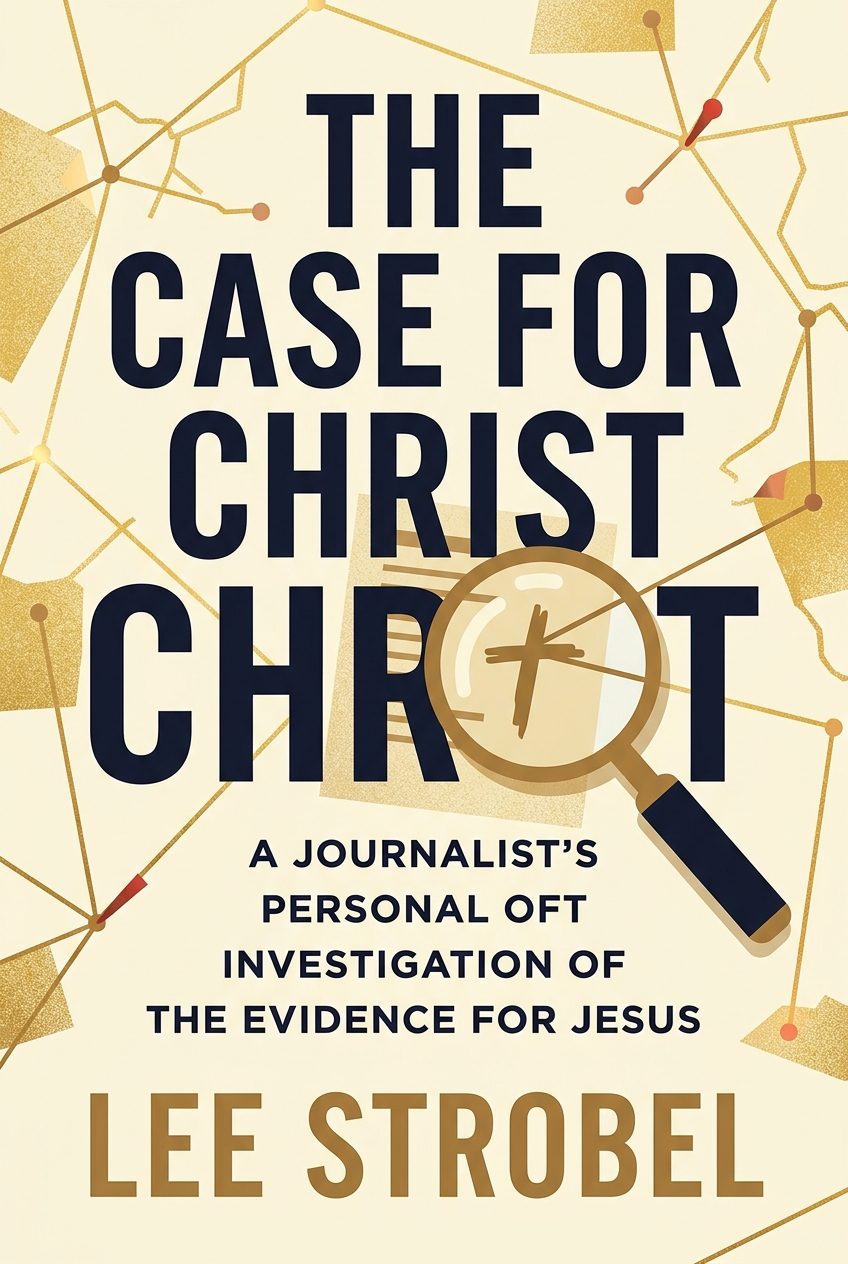
An excellent example of a book that embodies a specific study method is The Case for Christ by Lee Strobel. A former atheist and legal editor for the Chicago Tribune, Strobel applied his journalistic and legal training to investigate the claims of Christianity. His book isn't a commentary in the traditional sense; it's a model of investigative study. Strobel shows how to vet sources, look for corroborating evidence, and analyze claims critically. He starts by asking, "Can we trust the Gospels?" and proceeds to interview experts on manuscript evidence, archaeology, and non-biblical historical sources. This approach demonstrates a powerful way to engage with the Bible—not as a collection of fairy tales, but as a set of historical documents that can be examined and tested. Whether you agree with his conclusions or not, Strobel provides a masterclass in how to ask hard questions and follow the evidence where it leads.
Master key ideas in 15 minutes
Listen to audio summaries of these books on VoxBrief
The main ideas are to understand the original context of the text, discover the author's intended meaning, and apply its timeless truths to your own life. This involves observation (what does it say?), interpretation (what does it mean?), and application (what do I do?).
Bible study doesn't have a single founder; it has evolved over centuries as a core spiritual discipline. From early Jewish scholastic traditions to the methods developed by Reformation leaders and modern theologians, the practice of systematically studying scripture has always been central to faith.
Bible study applies directly to modern life by offering wisdom on relationships, purpose, ethics, and mental resilience. It provides a framework for navigating contemporary challenges with perspective and hope, connecting ancient truths to present-day questions and decisions.
A simple way for beginners to start is the "SOAP" method: Scripture (read a passage), Observation (write down what you notice), Application (how does this apply to your life?), and Prayer (talk to God about it). This provides a clear, manageable structure for daily engagement.