Biology Explained Simply: A Guide to Great Biology Books
By VoxBrief Team··4 min read
What connects a mushroom in the forest, the air you breathe, and the trillions of microbes in your gut? The answer is biology—the intricate, fascinating science of life. If you've ever wondered how life works or why biology is important, you're in the right place. This article provides an introduction to biology, not through dry textbooks, but by exploring the profound ideas found in some of today's great biology books.
What is Biology and Why Does It Matter?
In the simplest terms, biology is the study of living organisms. But this simple definition hides a universe of incredible complexity and wonder. It’s the science that explains why you get sick and how you get better, how a tiny seed grows into a giant tree, and how all life on Earth is interconnected. Understanding biology basics is not just for scientists; it’s for anyone who wants to understand themselves and the world more deeply.
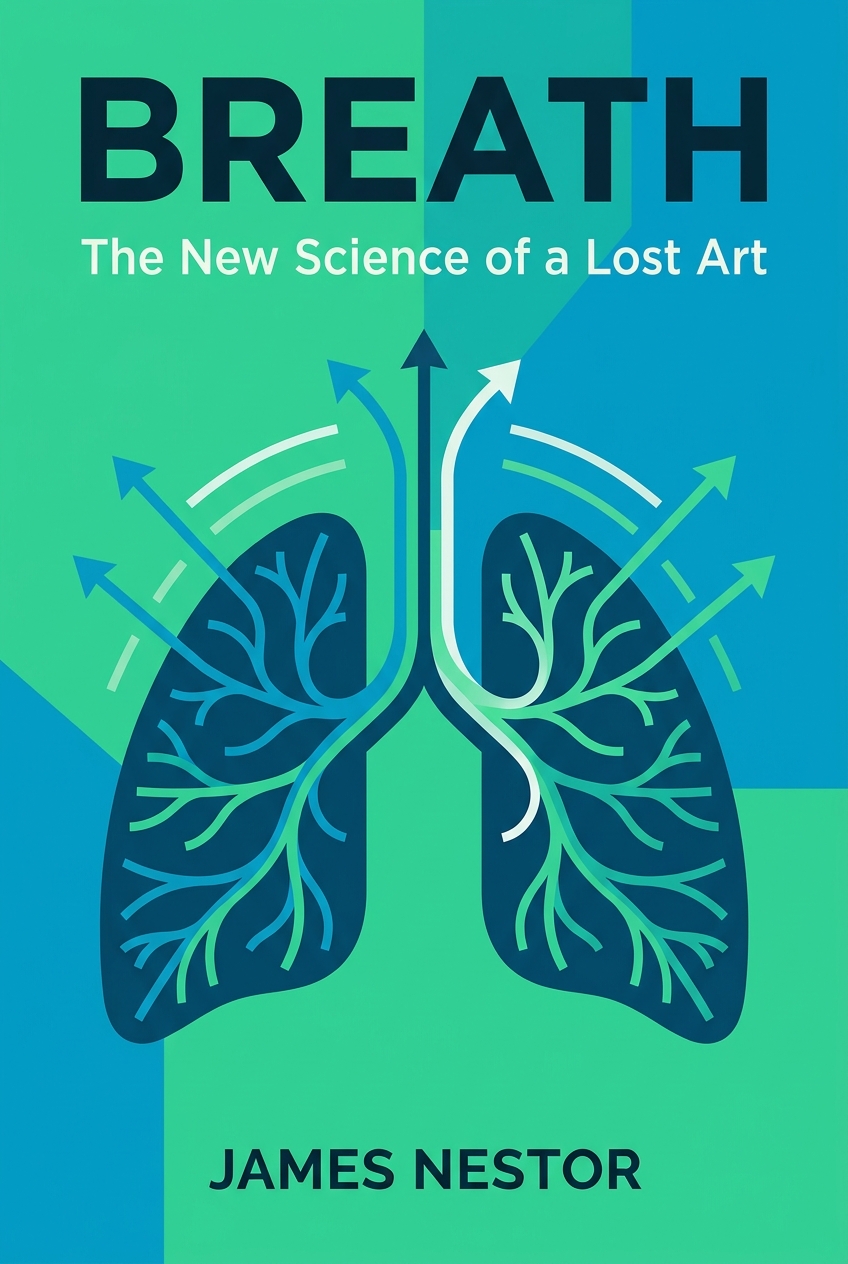
Many see biology as a subject confined to a lab, full of complex diagrams and memorization. But it’s much more personal than that. A perfect example of how biology affects daily life comes from James Nestor's Breath. He reveals that a process we do 25,000 times a day—breathing—is something most of us do incorrectly, impacting our health, sleep, and focus. By exploring the science behind this fundamental biological function, Nestor shows how simple shifts in our breathing can have profound effects on our well-being. This is a core lesson of human biology: the most basic processes hold the most powerful secrets.
Unveiling Life's Hidden Networks
One of the most exciting shifts in modern biology is the move away from studying organisms in isolation to understanding them as part of complex networks. The latest biology discoveries reveal a world built on relationships, partnerships, and hidden conversations happening all around us, and even inside us.
Microbiology and the Body as an Ecosystem
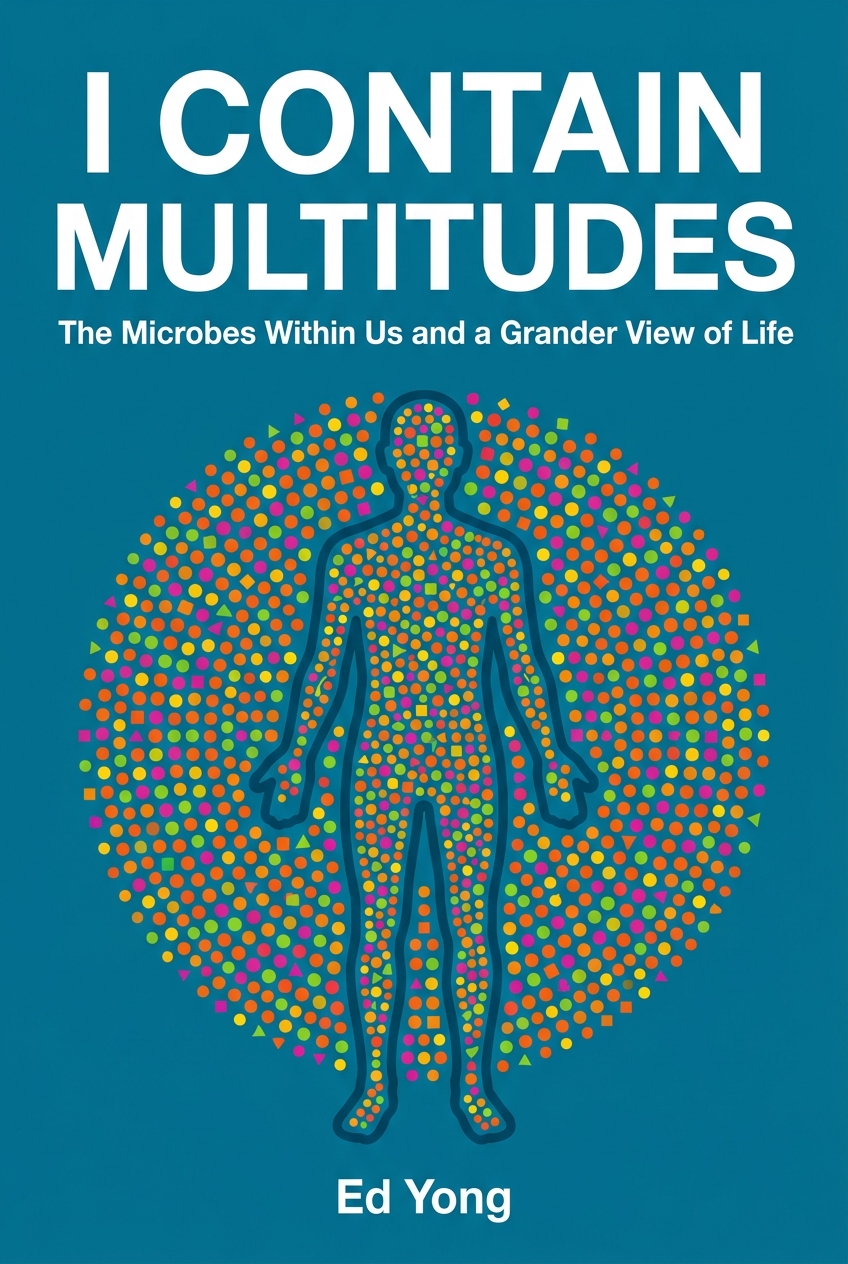
A fantastic entry point for any biology for beginners is understanding the world of microbes. For centuries, we saw microbes simply as dangerous germs to be eliminated. But as Ed Yong explains in I Contain Multitudes, this view is fundamentally wrong. He makes the case that we should stop seeing our bodies as sterile fortresses and instead view them as thriving ecosystems. Trillions of bacteria, fungi, and viruses live in and on us, and they are not invaders; they are essential partners. These microbes are "master architects" that help digest our food, train our immune systems, and even influence our moods. This reframes our entire understanding of what it means to be an individual.
The Intelligence of Fungi
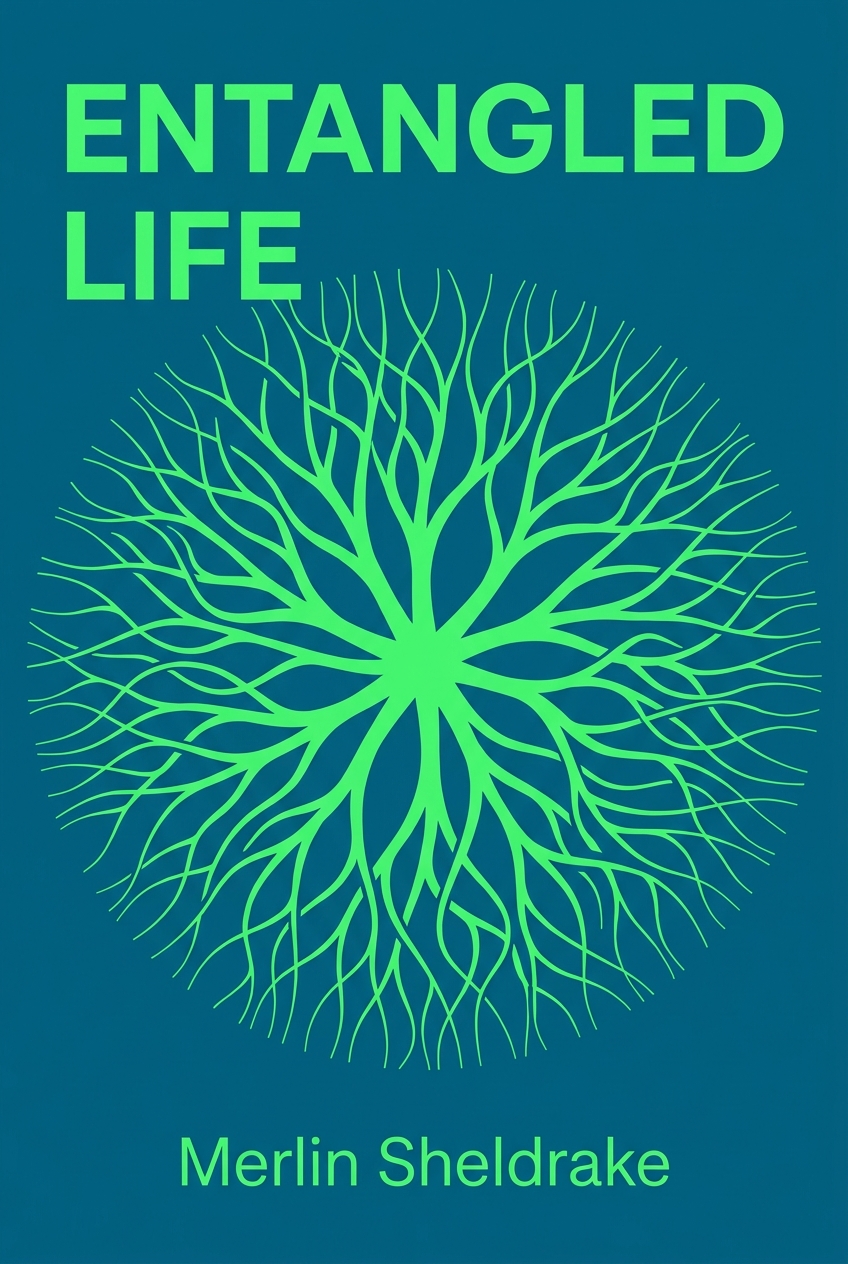
The idea of a connected web of life extends far beyond our own bodies. In Entangled Life, biologist Merlin Sheldrake pulls back the curtain on the astonishing world of fungi. He encourages us to see fungi not just as mushrooms but as vast, intelligent networks called mycelium. These sprawling networks are the "hidden architects of life," creating soil, digesting pollutants, and physically connecting individual plants in a forest into a shared community. Sheldrake even explores how these networks exhibit behaviors that resemble intelligence, solving problems and transmitting information. Biology explained simply through the lens of fungi shows us that life is less a collection of competing individuals and more a collaborative, interconnected web.
Exploring Core Ideas with Great Biology Books
Biology is a vast field with many branches, but a few core concepts form its foundation. Engaging with books that tackle these big ideas is an excellent way to build a solid understanding. From the gene-level mechanics of evolution to the sensory experience of other animals, these works expand our perspective on what life is.
Evolution and Genetics Basics: A Gene's-Eye View
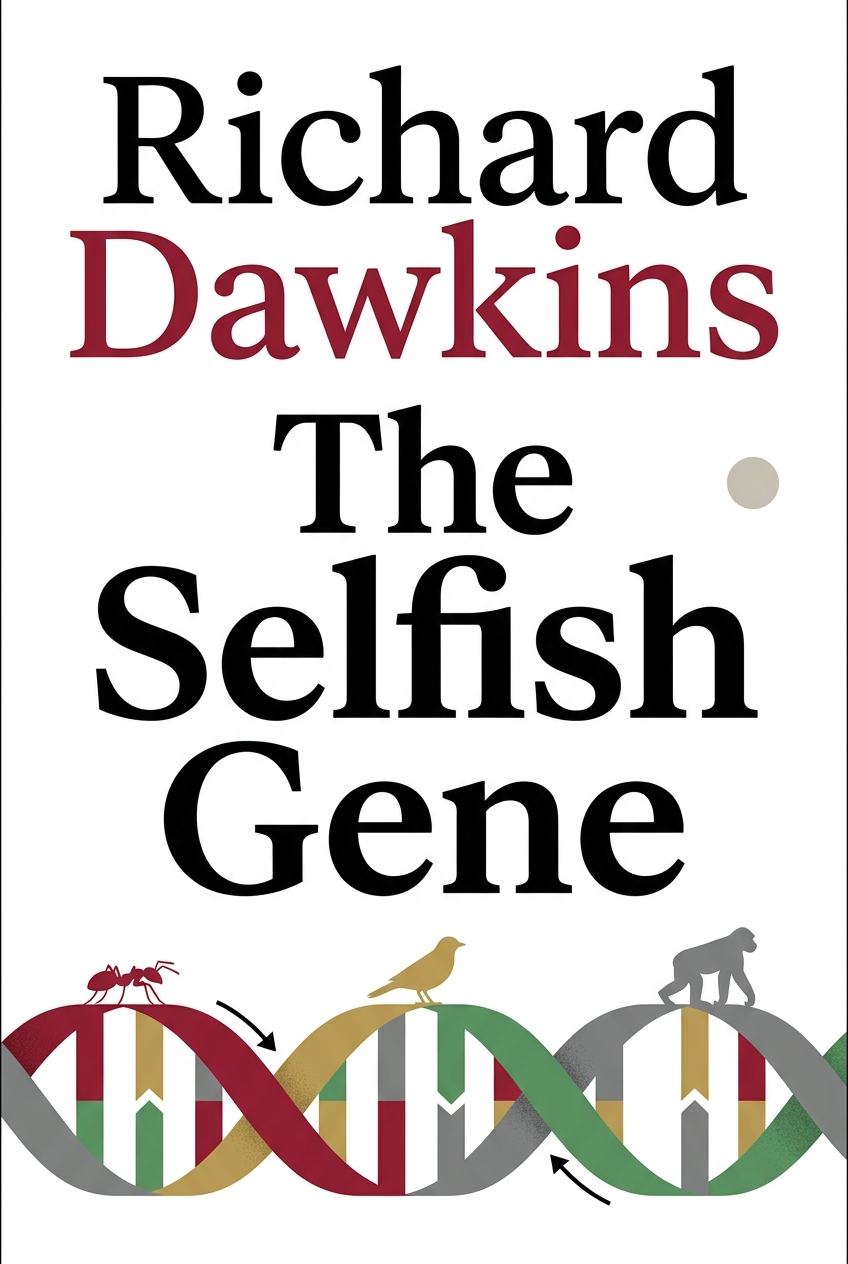
No introduction to biology is complete without discussing evolution and genetics, the twin pillars of the science. While the concept of evolution has been around for over 150 years, Richard Dawkins's The Selfish Gene offered a radical new perspective that changed the field forever. Dawkins proposed a "gene's-eye view" of life, arguing that we—and all living things—are merely "survival machines" built by our genes to ensure their own replication and survival.
This framework helps explain behaviors that otherwise seem puzzling, like altruism and conflict. From this perspective, an animal risking its life for its offspring makes perfect genetic sense, as its genes are ensuring their own copies survive in the next generation. This gene-centered view provides powerful clarity on the deep logic that drives life's diversity and complexity, offering a masterclass in genetics basics.
Seeing Through Another's Senses
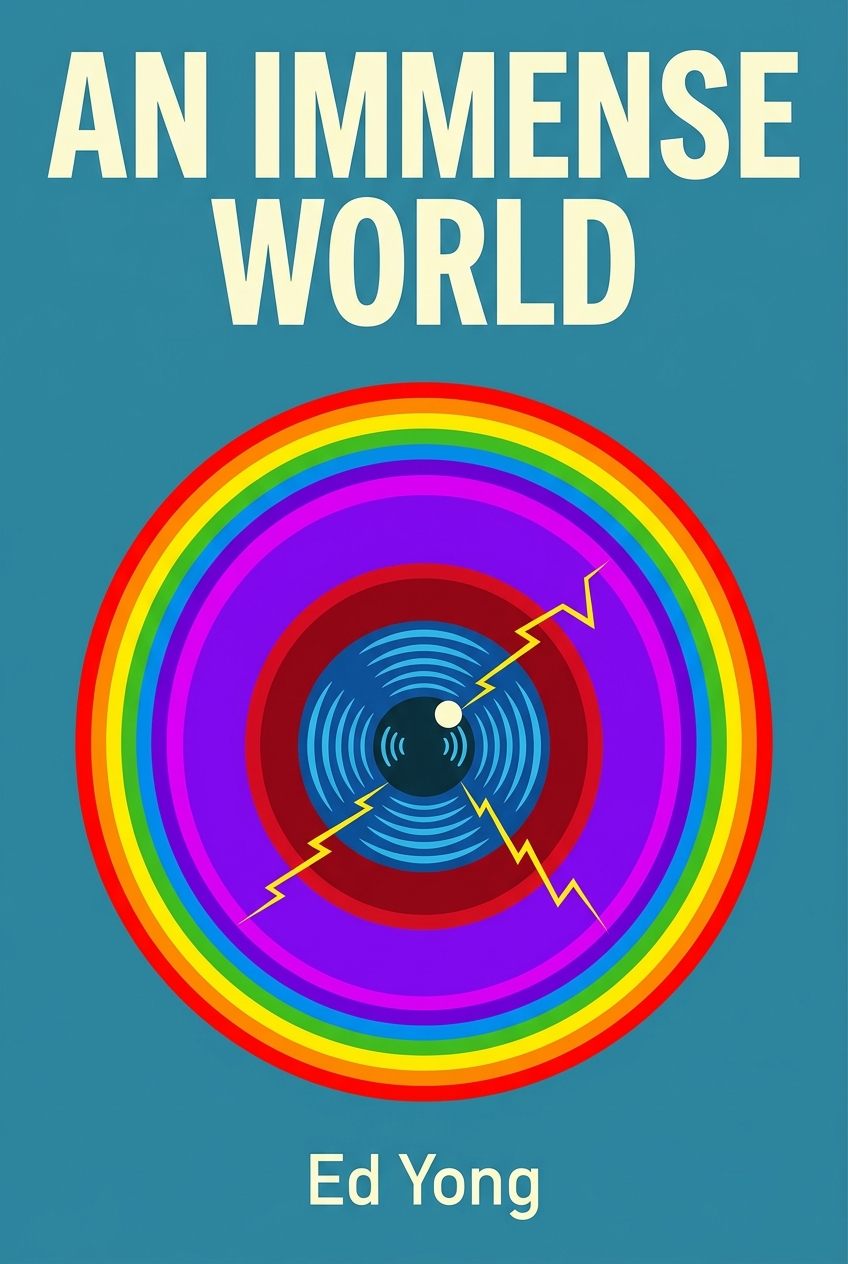
Once we understand the genetic engine driving life, another question arises: what is it like to be another organism? We experience the world through our limited human senses, but this is just one sliver of reality. In An Immense World, Ed Yong takes us on a breathtaking tour of the sensory realms of other animals, introducing the concept of the Umwelt—the unique perceptual world of a specific creature.
A bee sees patterns on flowers that are invisible to us, guided by ultraviolet light. A dog navigates a rich world of smells that tells a complex story on every street corner. Some fish can sense the electrical fields of their prey, and birds can detect Earth's magnetic field to navigate during migration. Yong’s exploration reveals that there isn’t one world, but a multitude of worlds, all happening in the same physical space. This is a profound biological lesson: to understand life, we must appreciate its incredible diversity of experience, not just its physical forms.
Ultimately, exploring biology is a journey of discovery. It asks us to look closer at our own bodies, to appreciate the unseen forces that connect ecosystems, and to imagine realities completely different from our own. Whether it’s understanding how does biology work at the genetic level or grasping the sheer wonder of animal perception, these ideas enrich our lives and deepen our connection to the living world.
Master key ideas in 15 minutes
Listen to audio summaries of these books on VoxBrief
Biology is crucial because it's the study of life itself. It helps us understand our own bodies, our health, the food we eat, and the environment we depend on, answering fundamental questions about how the world works and our place within it.
Biology is everywhere, from the yeast that makes bread rise to the microbes in our gut that digest food. Understanding biology basics helps us make better decisions about our health, diet, and even how we view the natural world around us.
Fields like genetics, microbiology, and neuroscience are advancing rapidly. Recent breakthroughs include new gene-editing techniques, a deeper understanding of the human microbiome's role in health, and discoveries about the intelligence of non-human organisms like fungi and octopuses.
To get started, look for writers who can explain complex topics clearly. Finding good biology books by leading science communicators is a fantastic way to learn, as they often use powerful stories and metaphors to make biology key concepts accessible and exciting.