What drives a person to commit a crime? Is it a product of their environment, a psychological flaw, or a failure of the systems meant to protect us? These questions are at the heart of a fascinating and vital field. For those looking to dive into this world, this article will serve as your introduction to criminology, exploring its core concepts and the powerful insights found within some of the best criminology books.
Criminology isn't just for detectives and lawyers; it’s for anyone who wants to understand the forces that shape our society. Whether you're a student, a true-crime enthusiast, or simply a curious citizen, this guide is designed as a primer on criminology for beginners, offering a window into how we study, respond to, and ultimately hope to prevent crime.
What is Criminology and Why is it Important?
Before we delve into specific cases and theories, it's essential to grasp the fundamentals. Criminology is a broad discipline that goes far beyond the flashing lights of a police car or the dramatic tension of a courtroom. It's a social science dedicated to understanding the complete picture of crime and justice.
Criminology Explained: More Than Just True Crime
At its core, criminology is the scientific study of crime as a social phenomenon. This includes examining the nature of crime, the causes of criminal behavior, the characteristics of criminals, and the societal reaction to crime. It pulls from sociology, psychology, law, economics, and political science to create a holistic view.
While true crime stories often focus on the 'who' and 'how' of a single event, criminology asks 'why'. Why do crime rates rise and fall? Why are certain communities more affected by crime than others? What makes laws and punishments effective or ineffective? Answering these questions is fundamental to creating a just and safe society. This field provides the most important criminology facts that drive policy and reform.
The Importance of Studying Crime
So, why is criminology important to study? Because crime affects us all. Understanding its roots allows us to move from a reactive to a proactive approach. Instead of only punishing offenders, criminology seeks to identify the risk factors—poverty, lack of education, social alienation, systemic bias—that contribute to criminal activity in the first place.
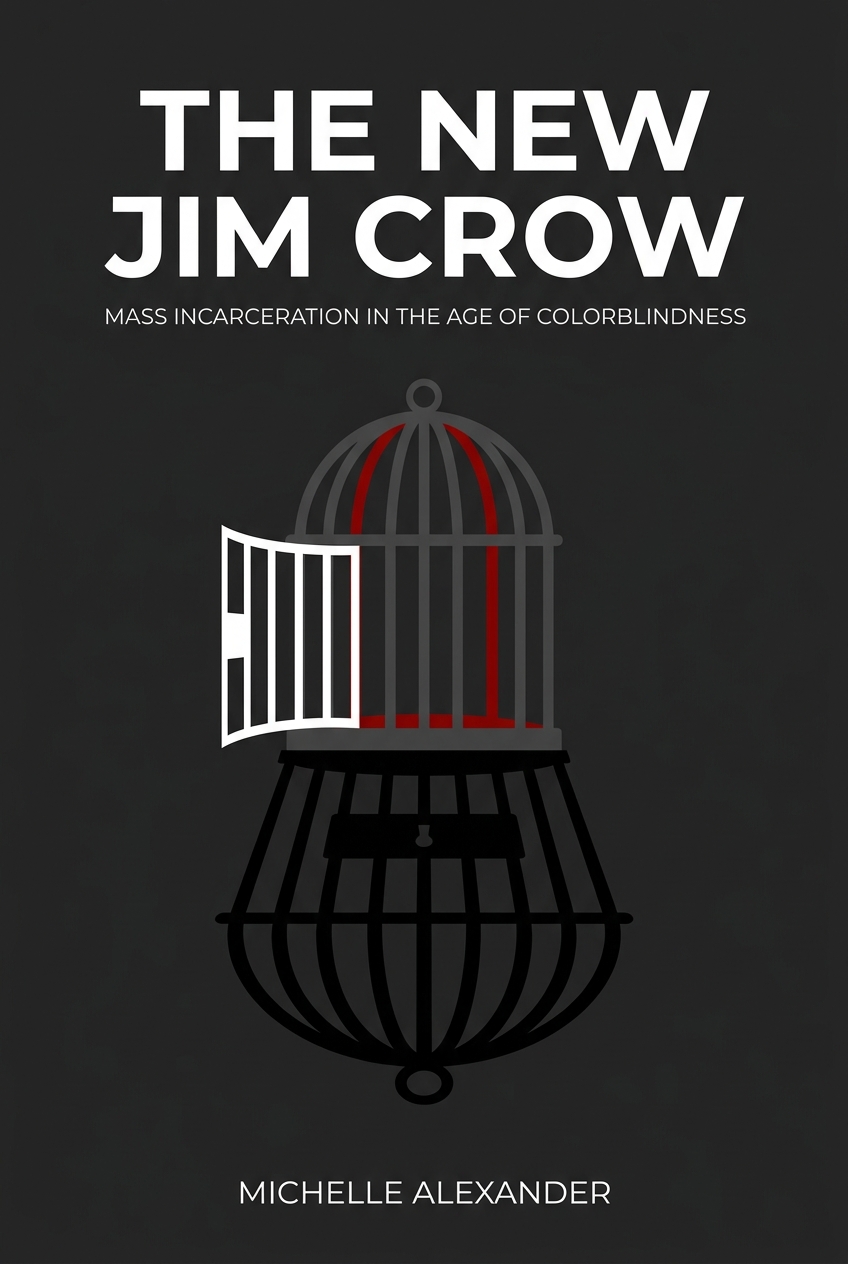
This knowledge is critical for evaluating our justice system. For instance, in The New Jim Crow, civil rights lawyer Michelle Alexander presents a powerful criminological argument. She reveals how the 'War on Drugs' wasn't just a campaign against narcotics but also the engine that drove mass incarceration, disproportionately affecting Black communities. Alexander argues that this system functions as a modern-day racial caste system, operating under a veneer of 'colorblindness.' Comprehending this criminological perspective is crucial for anyone interested in social justice and systemic reform.
A Journey Through the Criminology Timeline: Key Events and Ideas
The history of criminology is a story of evolving ideas about human nature and justice. Early theories focused on biological determinism, but modern criminology embraces a more nuanced understanding that balances individual psychology with social and environmental factors.
The Anatomy of a Criminal Mind
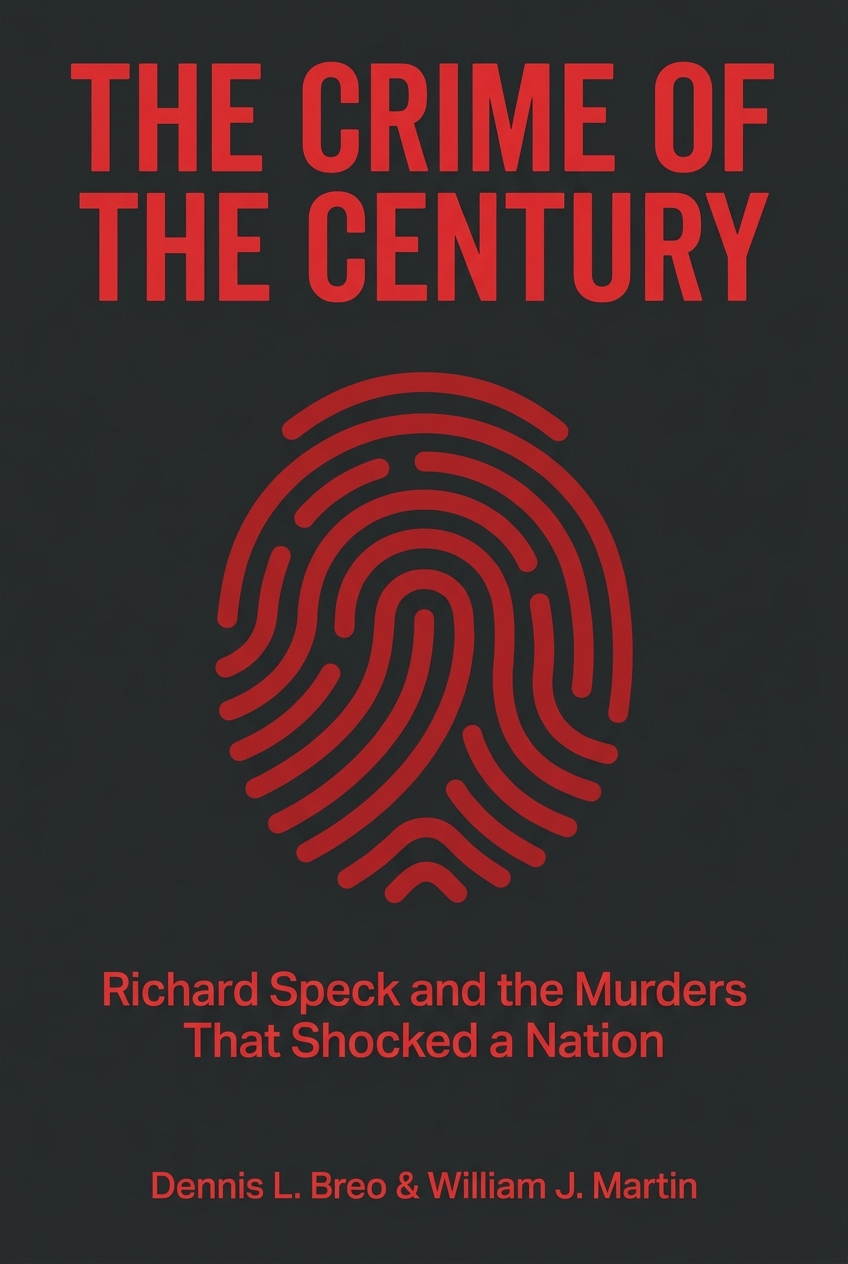
Understanding what leads an individual to commit a violent act is a central pursuit of criminology. While there's no single answer, examining specific cases can provide chillingly clear criminology lessons. The Crime of the Century, which details the 1966 Richard Speck massacre, offers a stark case study.
The book outlines the 'anatomy of a predator,' revealing that Speck's horrifying act of murdering eight student nurses was not a random explosion of violence. It was the culmination of a long history of escalating aggression and disregarded warning signs. This illustrates a key principle: extreme violence is often predictable because it is practiced. By studying the life histories of offenders like Speck, criminologists can identify patterns and risk factors that may help prevent future tragedies.
The Architecture of Justice
Just as important as understanding the criminal is understanding the system built to bring them to justice. The aftermath of a crime sets in motion a complex process of investigation and prosecution. The integrity of this process is paramount.
Here again, The Crime of the Century provides a valuable framework. The investigation's success didn't hinge on a single 'aha!' moment but on 'methodical, on-the-ground police work.' Detectives patiently canvassed neighborhoods and followed routine procedures, which ultimately led them to their suspect. The subsequent trial, led by a young prosecutor named William J. Martin, became a masterclass in legal discipline. Martin's strategy focused on the overwhelming evidence and the testimony of the sole survivor, carefully avoiding sensationalism to ensure the verdict was unassailable. This demonstrates how the architecture of justice relies on diligence, procedure, and ethics, not just brilliance.
The Science of Solving Crimes
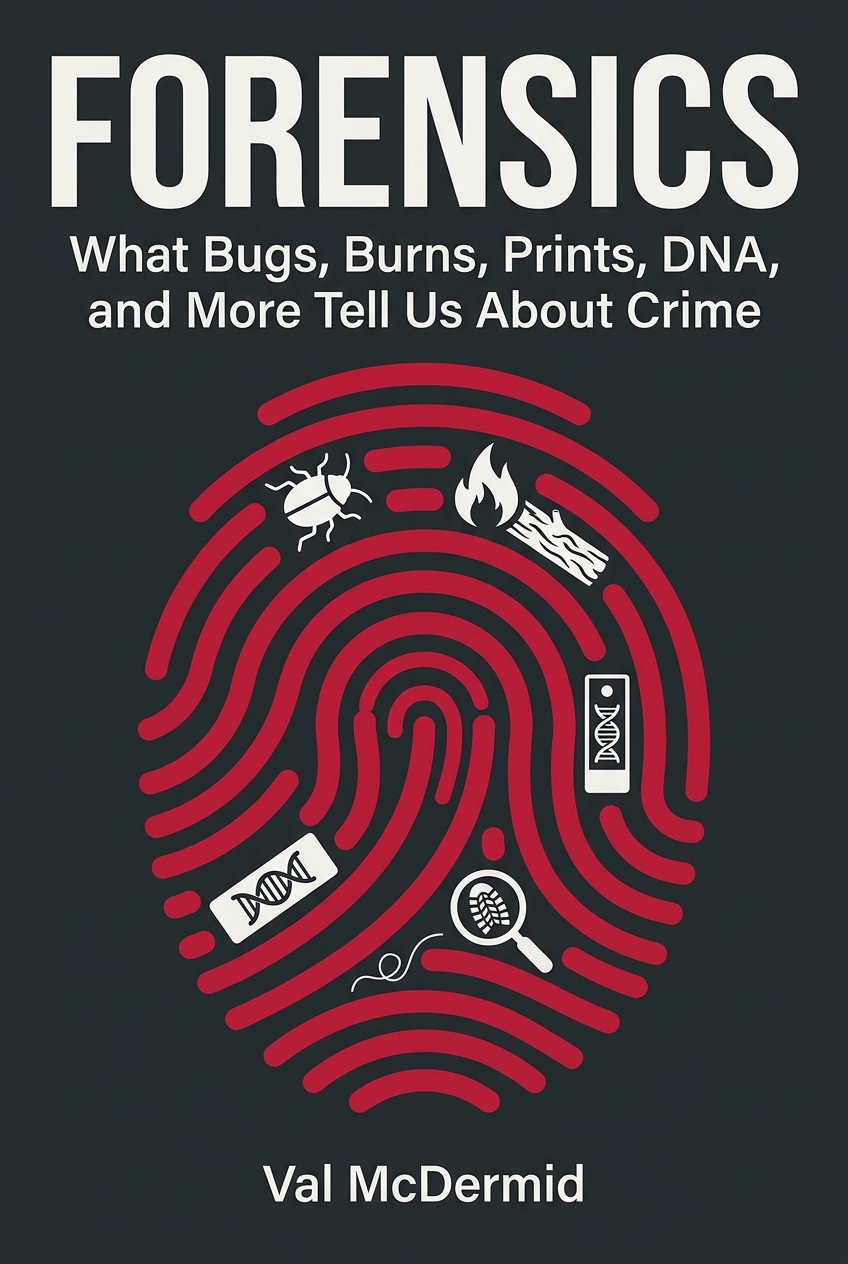
Over the past century, no development has revolutionized criminology more than the rise of forensic science. As bestselling author Val McDermid explains in Forensics, the crime scene is the 'silent witness'—it cannot lie or forget. The key is knowing how to listen.
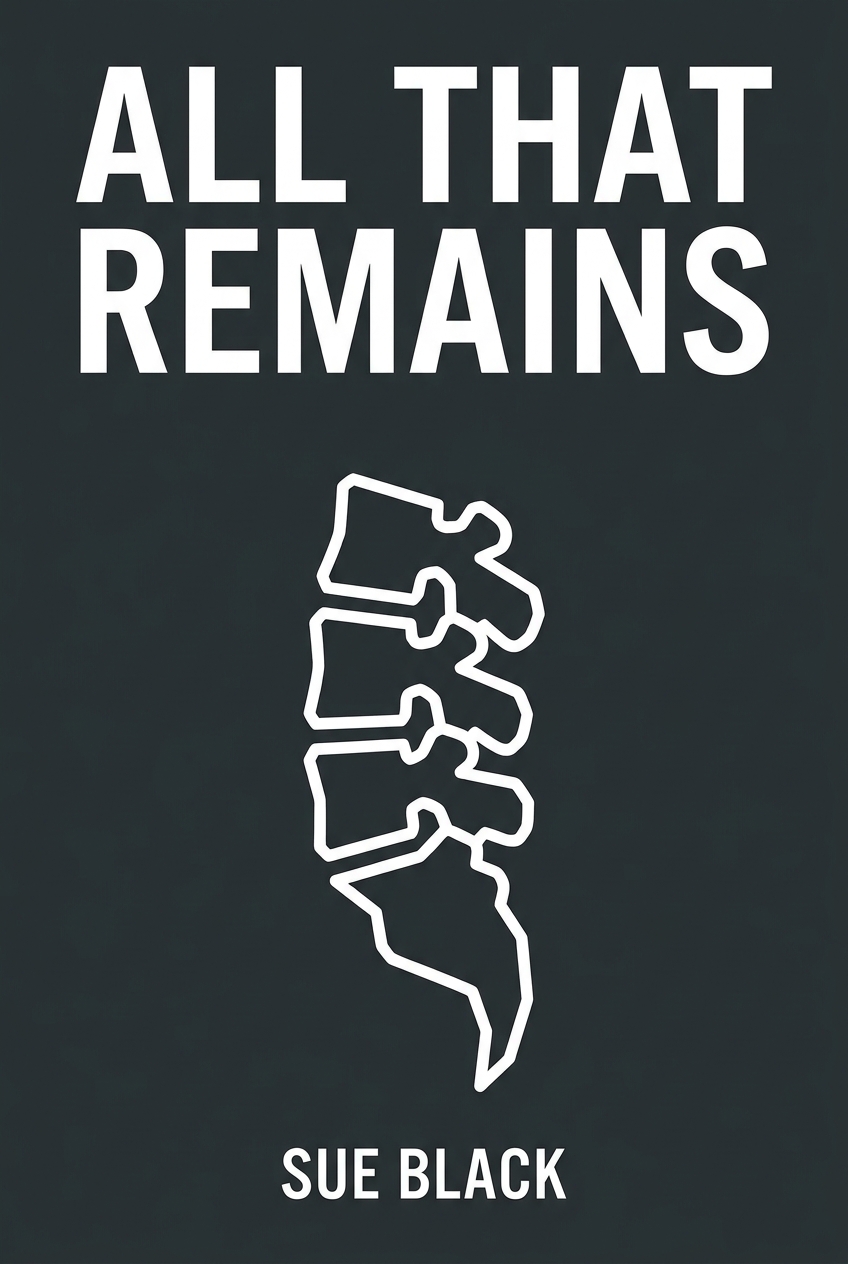
McDermid walks readers through the various disciplines that give a voice to this witness. Ballistics can trace a bullet to a specific gun. Forensic entomology (the study of bugs) can help establish a time of death. And the twin revolutions of fingerprinting and DNA analysis have fundamentally changed how we establish identity, moving beyond the unreliability of eyewitness accounts. Behind each piece of evidence are human experts—pathologists, anthropologists, and toxicologists whose rigor and integrity form the bedrock of a modern investigation. Professor Sue Black, in All That Remains, echoes this, noting that the deceased become our 'silent teachers,' with their bodies serving as a permanent record of their lives and, sometimes, their deaths.
Exploring Modern Issues with the Best Criminology Books
Contemporary criminology continues to tackle profound questions about justice, inequality, and the very nature of humanity. The best criminology books today are not just academic texts; they are urgent calls to confront uncomfortable truths and challenge the status quo. These works often provide a crucial introduction to criminology's most pressing concerns.
No discussion of modern criminology is complete without a critical examination of the justice system itself. As mentioned, Michelle Alexander's The New Jim Crow is a landmark work in this area. Her analysis of how the legal system, through policies like the War on Drugs, created a cycle of mass incarceration is essential reading. She explains how the system is 'immunized against claims of racial bias' by focusing on individual choice while ignoring the discriminatory framework that produces skewed results. Insights like these are why books such as this are considered some of the top criminology books available; they force us to question the fairness and effectiveness of our institutions.
The Story Told by the Dead
On the other end of the spectrum is the intensely personal and human side of the field, perfectly captured by forensic anthropologist Sue Black in All That Remains. Her work answers the question of how did criminology shape today's justice in a deeply tangible way. Black gives a voice to the voiceless, whether they are victims of a single murder or part of a mass grave in a war-torn country.
In her book, she reframes our relationship with mortality, showing how the human body is a 'living record' of our journey. From the bones that reveal our lifestyle to the unique markers that confirm our identity, the dead have profound stories to tell. Black's work in international war crimes investigations in places like Kosovo demonstrates the ultimate purpose of this science: to provide truth, to hold perpetrators accountable, and to give names back to the nameless, offering a measure of closure to grieving families. It's a powerful reminder that at the end of every criminal investigation is a human story.
Conclusion: Your Journey into Criminology Starts Here
Criminology is a vast, challenging, and profoundly human field. It forces us to confront the darkest aspects of human behavior while simultaneously striving for a more just and equitable world. From understanding the psychology of a predator to exposing systemic injustices and piecing together the past from silent clues, its scope is immense.
This overview has only scratched the surface, but it provides a foundation for any aspiring enthusiast or student. By engaging with the ideas, theories, and real-world applications explored by brilliant thinkers and writers, you can begin to appreciate the complexity of crime and justice. Exploring these essential topics through books is a powerful way to begin your own journey into understanding this critical field.
Master key ideas in 15 minutes
Listen to audio summaries of these books on VoxBrief
Download Free