What is Leadership? A Guide to the Best Books on Leadership
By VoxBrief Team··5 min read
Many people think leadership is a title you’re given—a corner office, a fancy job description, a spot at the top of an org chart. But true leadership is not a position; it's a skill. It's the ability to influence, inspire, and guide others toward a common goal, and it's a quality that can be developed by anyone, at any level. One of the most effective ways to accelerate this growth is by learning from those who have studied it, practiced it, and mastered it. That's why diving into the world of books on leadership is such a powerful step for anyone looking to make a bigger impact.
This article will explore the fundamental question of what leadership is, uncover powerful frameworks you can apply immediately, and show you how to start building the skills that define great leaders.
What is Leadership? Beyond the Job Title
To understand leadership, it's helpful to first distinguish it from management. The classic distinction is this: management is about handling complexity, while leadership is about navigating change. Management involves planning, budgeting, organizing, and problem-solving—ensuring the current system runs smoothly. These are vital functions, but they aren't the same as leadership.
So, what is leadership? At its core, leadership is about creating a vision and inspiring people to follow it. It's about empowering others to do their best work. While a manager might focus on how a task is done, a leader focuses on why it matters. This ability to instill purpose is why leadership is so important, especially in today's fast-changing business landscape. Whether you're in a large corporation or a garage startup, effective leadership is the engine that drives progress and builds resilience.
This is particularly critical for leadership in business, where a strong leader can align a team, foster a culture of accountability, and adapt to market shifts. A team without leadership is just a group of people doing tasks; a team with leadership becomes a unified force capable of achieving extraordinary things.
Core Leadership Frameworks for Modern Managers
Understanding the theory is one thing, but applying it requires practical models. Many of the best leadership ideas are distilled into memorable frameworks that you can start using today. These frameworks provide a roadmap for everything from building culture to conducting one-on-one meetings.
Building the Foundation: Trust and Healthy Conflict
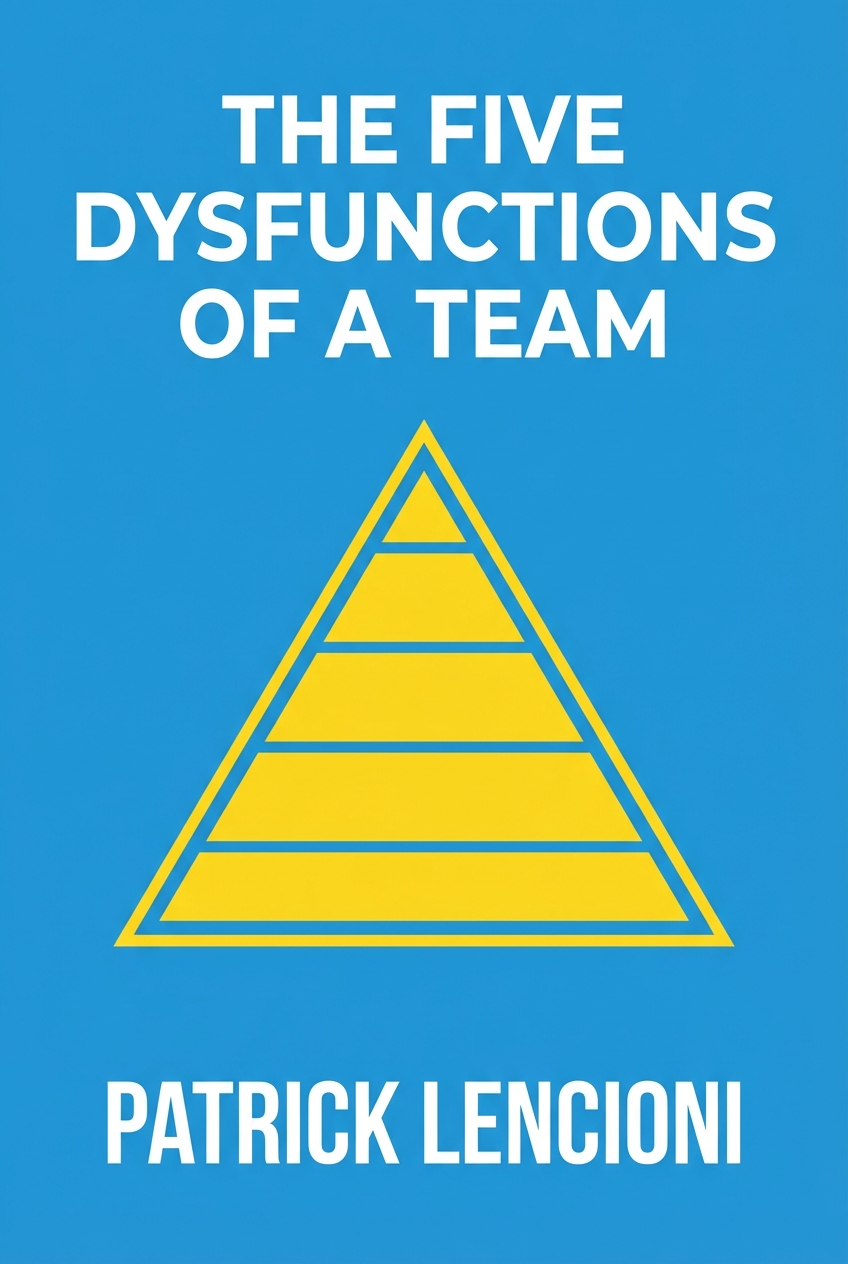
No team can succeed without a foundation of trust. In his landmark book, The Five Dysfunctions of a Team, Patrick Lencioni explains that the first and most critical dysfunction is an 'Absence of Trust'. This isn't about predictive trust, where you know how someone will behave. It's about vulnerability-based trust—the confidence that your teammates have good intentions and that you can be open and honest without fear of reprisal.
Without this trust, teams develop a 'Fear of Conflict'. Instead of engaging in passionate, productive debate about ideas, they resort to artificial harmony, which stifles innovation and leads to poor decisions. A leader's first job in team management is to model vulnerability and create a safe environment where healthy conflict is not just tolerated, but encouraged. This is one of the essential leadership best practices.
The Art of Empowerment: From Advisor to Coach
Many managers, especially those promoted for their technical expertise, fall into what Michael Bungay Stanier calls the "advice trap" in The Coaching Habit. When a team member comes to you with a problem, the instinct is to jump in and provide the solution. It feels helpful, but it creates a cycle of dependency, burns you out, and prevents your team from learning and growing.
An effective leadership strategy is to shift from being an advice-giver to a coach. Stanier argues that you can become a more effective leader by talking less and asking more. Simple, powerful questions like "What's on your mind?" and "And what else?" can unlock deeper insights and empower your people to find their own answers. This approach is fundamental to how to improve leadership because it transforms your role from firefighter to developer of talent. It is particularly effective for leadership for managers who feel overwhelmed by their team's demands.
Understanding Effective Leadership Styles
There is no single correct leadership style. The charismatic, megaphone-wielding visionary is just one archetype, and often not the most effective one. In her influential book Quiet, Susan Cain challenges the 'Extrovert Ideal' and highlights the hidden strengths of introverted leaders. They are often better listeners, more prepared, and more adept at empowering proactive employees because they aren't driven by a need for the spotlight.
This reminds us that authenticity is key. Whether your natural style leans toward servant leadership (focusing on the growth and well-being of your people) or transformational leadership (inspiring and motivating followers to achieve extraordinary outcomes), the goal is to leverage your unique strengths. Great leaders understand their own nature and adapt their approach to fit the needs of their team and the situation at hand.
Practical Strategies from Top Books on Leadership
Beyond high-level frameworks, great leaders are defined by their daily habits and disciplines. They understand that leadership is not a theoretical exercise but a practical application of principles. The best books on leadership are filled with these actionable routines.
The Starting Point: Leading from the Inside-Out
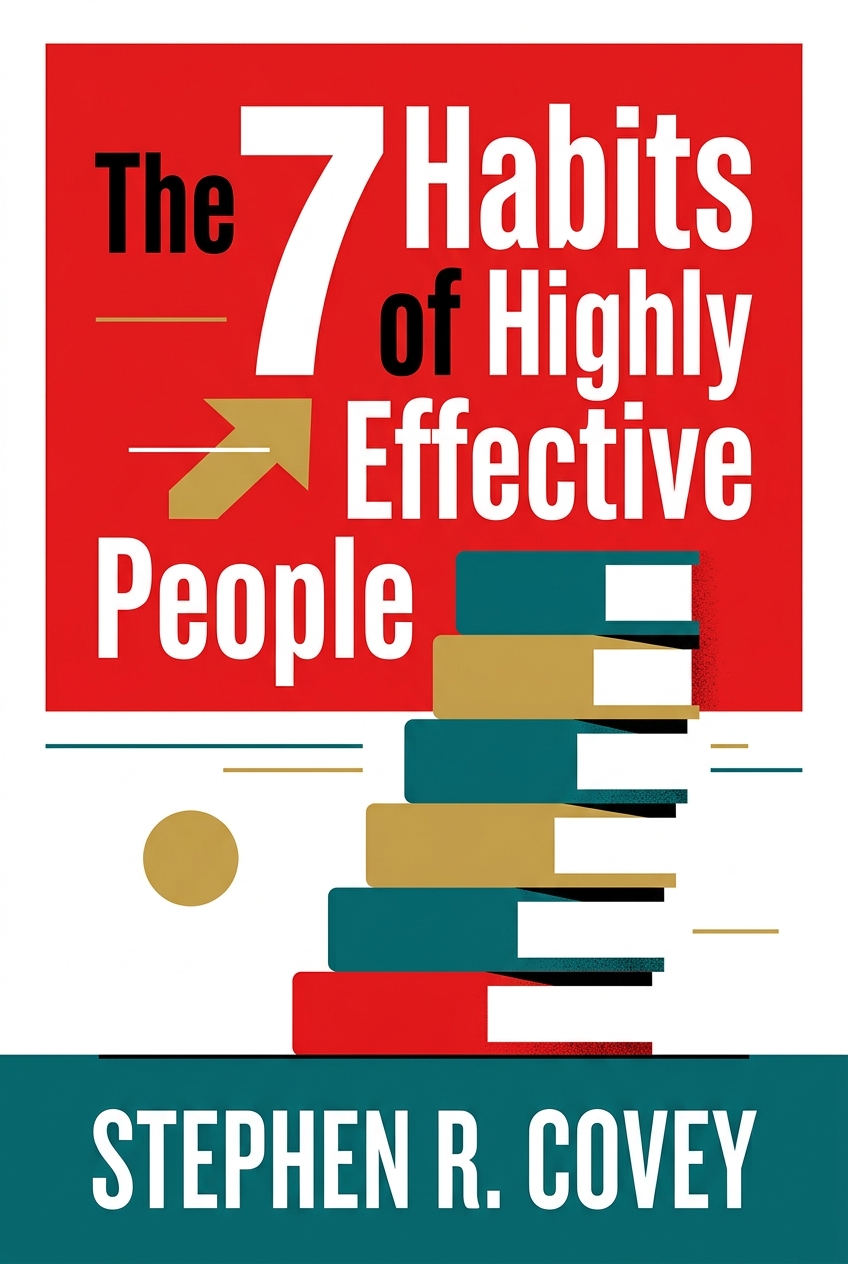
Before you can effectively lead others, you must first learn to lead yourself. This is the central message of Stephen R. Covey's timeless classic, The 7 Habits of Highly Effective People. Covey argues that lasting success comes from the 'inside-out'. You cannot build effective relationships with others (the 'Public Victory') until you have first mastered yourself (the 'Private Victory').
This 'Private Victory' consists of the first three habits: being proactive, beginning with the end in mind, and putting first things first. It’s about taking ownership of your life, defining your values and goals, and executing with discipline. For founders navigating the chaos of leadership for startups or managers stepping into a new role, this principle of self-mastery is the non-negotiable starting point for building credibility and influence.
Cultivating Discipline and Resilience
Leadership often involves facing adversity, navigating uncertainty, and pushing through when things get tough. Where does that strength come from? In Make Your Bed, Admiral William H. McRaven offers a surprisingly simple answer: it starts with small, daily acts of discipline.
McRaven shares lessons from his Navy SEAL training, starting with the idea that making your bed perfectly every morning gives you a small sense of pride and encourages you to do another task, and another. This one small accomplishment sets the tone for the day. This principle illustrates that discipline is a muscle built through consistency. It's a powerful lesson for anyone in a leadership position, especially in leadership for a small business, where personal resilience is often the difference between failure and success. As McRaven notes, you can't change the world if you can't even get the small things right.
Conclusion: Your Leadership Journey Starts Now
Leadership is not a destination you arrive at but a continuous journey of learning, reflection, and practice. It begins with an internal commitment to self-mastery and extends outward to empowering and inspiring those around you. It's about building trust, asking powerful questions, and understanding that the ultimate goal is not your own success, but a focus on collective results.
The insights from these thinkers and practitioners provide a clear path forward. By studying these powerful concepts and committing to small, consistent actions, you can develop the leadership skills to guide your team, your organization, and yourself toward a better future. The journey of a thousand miles begins with a single step, and your journey to more effective leadership can begin today.
Master key ideas in 15 minutes
Listen to audio summaries of these books on VoxBrief
Leadership is crucial in business because it sets the vision, motivates employees, and fosters a culture of innovation and resilience. Effective leaders guide teams through challenges and inspire them to achieve collective goals, directly impacting productivity and long-term success.
Developing leadership skills involves a combination of self-reflection, practice, and continuous learning from others. Actively seek feedback, take on new responsibilities, and study established leadership frameworks from experts and influential authors to learn proven strategies.
Great leadership can be seen in a manager who coaches their team to find their own solutions, a founder who builds a culture of trust where debates are encouraged, or a quiet leader who empowers others by listening. It's less about charisma and more about creating an environment for others to succeed.