For many adults, the process of making new friends can feel daunting, if not impossible. Gone are the built-in social structures of school and university, replaced by busy schedules and the vague sense that everyone else already has their social circle figured out. The good news is that making friends is not a magical talent you’re born with; it’s a skill you can develop. By understanding the core principles of human connection, you can learn how to build meaningful relationships, and some of the most effective guidance can be found in key books about making friends. This article breaks down the essential techniques from these experts to provide a practical guide on how to develop making friends skills, whether you’re a student, a professional, or simply looking to combat loneliness.
Why Making Friends is a Skill Worth Developing
Before diving into the 'how,' it's crucial to understand the 'why.' So, why is making friends important? Beyond the obvious joy of companionship, deep social connections are a fundamental pillar of mental and emotional health. They act as a buffer against stress, provide a crucial support system, and significantly reduce feelings of loneliness, which studies have linked to a host of negative health outcomes. Friendship enriches our lives, broadens our perspectives, and gives us a sense of belonging.
For professionals, these skills are doubly important. Building a strong professional network is not just about climbing the career ladder; it's about creating a community of allies and collaborators. In his book Never Eat Alone, Keith Ferrazzi argues that we should stop thinking of networking as a transactional chore. Instead, he urges us to redefine our network as a “mission-driven community.” It's about finding your tribe of people who share your purpose and generously helping one another succeed. This mindset transforms a self-serving activity into a meaningful act of building a supportive ecosystem, a vital skill for making friends in the workplace and beyond.
The Foundational Mindset for Connection
Many people believe that to make friends, they need clever conversation starters or a more exciting life to talk about. While those things can help, the true foundation for any relationship is an internal mindset shift. The most profound and repeated advice across decades of self-improvement literature is simple: stop focusing on yourself and become genuinely interested in other people.
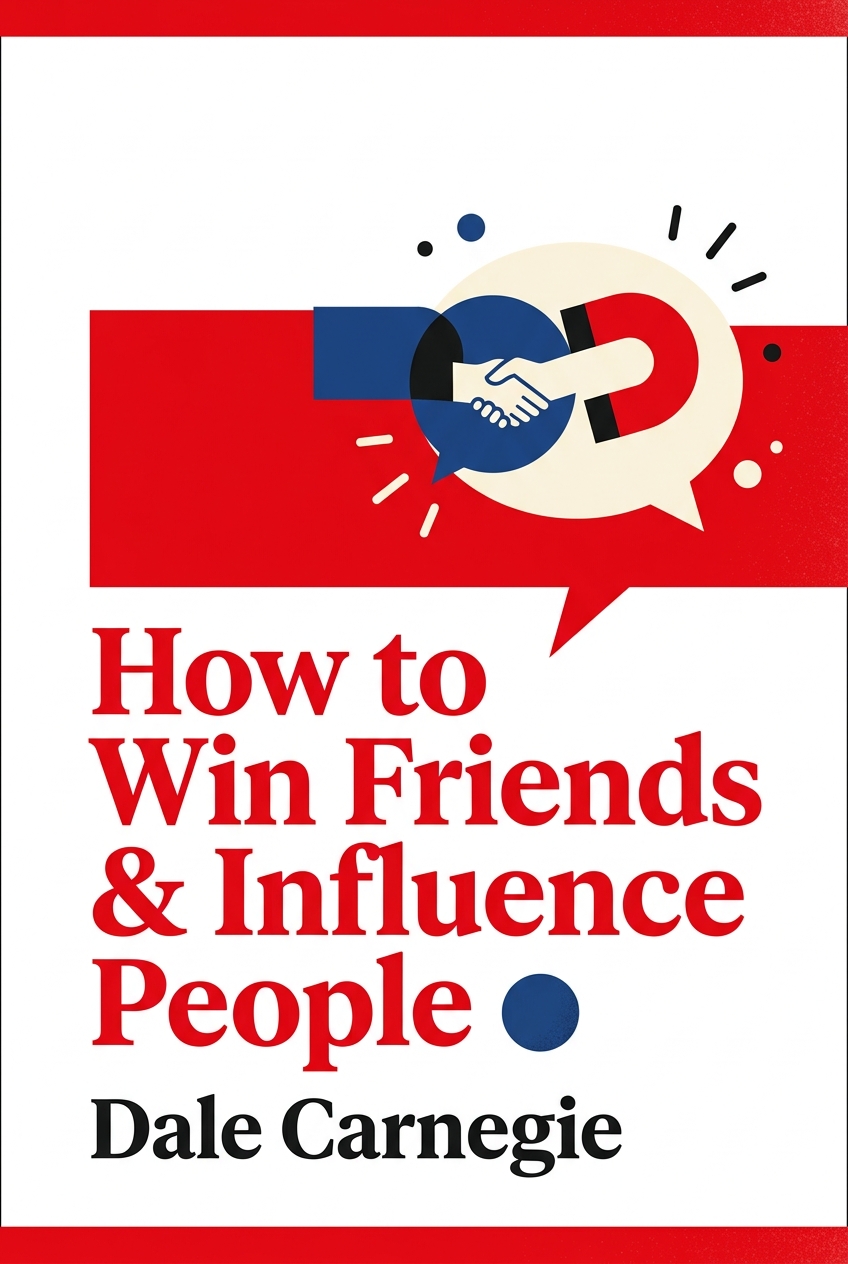
This is the cornerstone of Dale Carnegie’s timeless classic, How to Win Friends & Influence People. His first and most important principle is to shift your focus outward. As Carnegie explains, we are all the stars of our own movie, and the hardest step is to flip that script. Instead of worrying about what to say or how you are being perceived, direct all your energy toward understanding the other person. Who are they? What are they passionate about? What challenges are they facing? When you approach interactions with genuine curiosity rather than a desire to impress, people can feel it. This authentic interest is magnetic and creates the psychological safety needed for a real connection to form. For anyone who considers themselves a beginner at this, mastering this one mental reorientation is more powerful than learning a hundred icebreakers.
Mastering the Mechanics: Practical Tips from Books About Making Friends
Once you’ve adopted an others-focused mindset, you can begin layering on the practical techniques that turn a brief encounter into a budding friendship. These are the mechanics of connection—the specific actions you can take to open doors, build rapport, and deepen relationships.
Starting the Conversation with Confidence
The single biggest barrier to meeting new people is often the fear of initiating. We stand at the edge of a room, hoping someone friendly will approach us, which, as author Debra Fine points out, is a recipe for isolation. In The Fine Art of Small Talk, Fine argues that you must “own the interaction.” This means taking responsibility for starting conversations. This doesn’t require a flashy opening line. It can be as simple as making an observation about your shared environment (“This coffee is amazing,” or “I love the music they’re playing”).
Beyond breaking the ice, the quality of your questions determines whether a conversation soars or sputters. Fine teaches readers to master the art of the question by avoiding dead-end queries that elicit one-word answers. Instead of “Where are you from?”, try “What was it like growing up there?” Instead of “What do you do?”, ask “What’s the most interesting challenge you’re working on right now?” Open-ended questions invite storytelling and give the other person a platform to share something meaningful about themselves.
Building Rapport and Genuine Connection
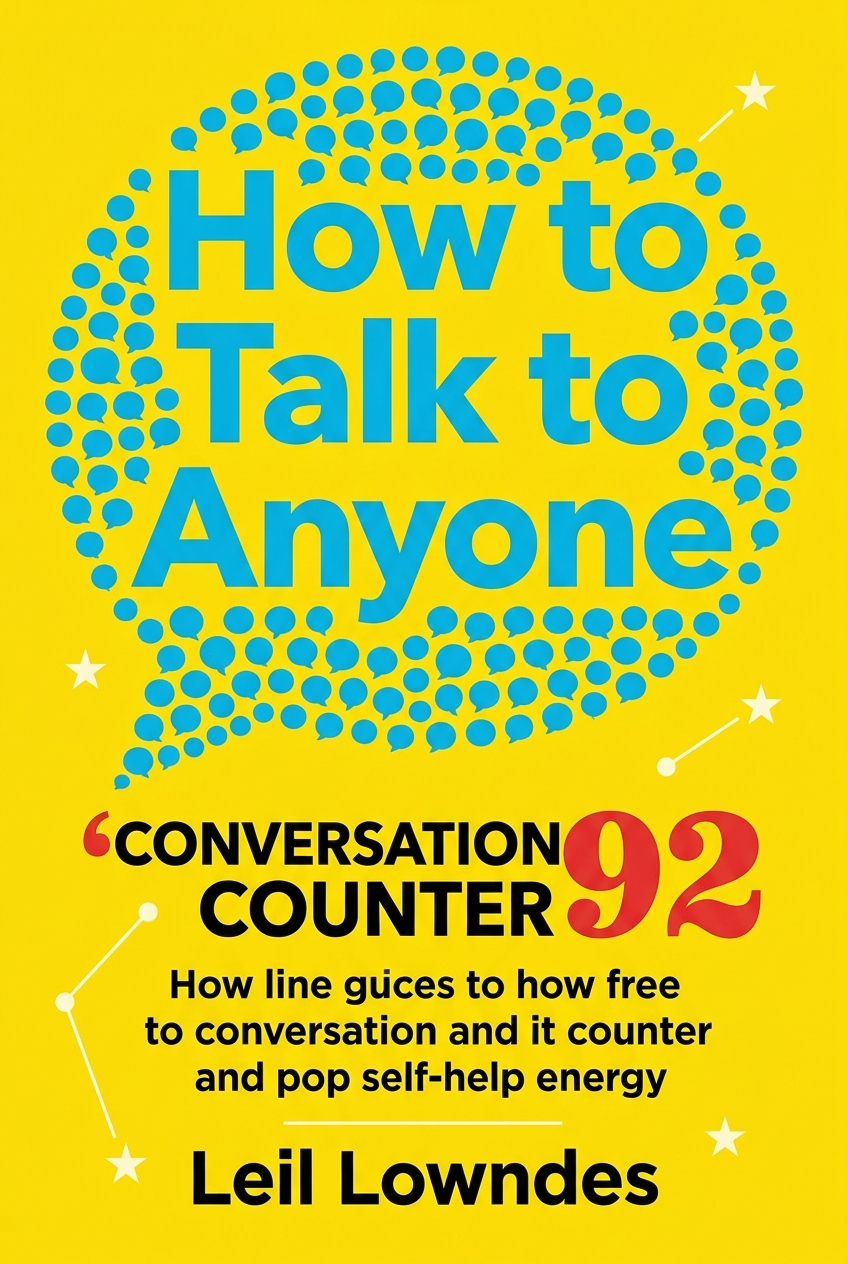
Starting a conversation is one thing; sustaining it and building real rapport is another. This is where nonverbal communication plays a powerful role. According to Leil Lowndes, author of How to Talk to Anyone, people form an opinion about you before you even say a word. She emphasizes projecting unshakeable confidence through your body language: stand up straight, make warm eye contact, and offer a genuine, unhurried smile. These signals tell others you are approachable, friendly, and comfortable in your own skin, which in turn makes them feel more comfortable with you.
Once talking, the focus returns to Carnegie’s principles. Remembering and using someone’s name, listening more than you speak, and encouraging others to talk about their favorite subject—themselves—are simple yet profoundly effective techniques. This isn't about manipulation; it's about showing respect and making the other person feel seen and valued. When you make someone feel important, you become memorable and likable.
From Acquaintance to Friend: Building Your Social Circle
How do you turn a pleasant conversation into a real friendship? This requires proactivity and generosity. This is the stage where many potential friendships wither due to a lack of follow-up. One great conversation at a party doesn't automatically create a bond.
The key is to create a reason for the next interaction. If you discovered a shared interest, follow up with a relevant article or suggest an activity. For example, “It was great talking about hiking with you! I’m planning to check out [Trail Name] in a couple of weeks if you’d like to join.” This shifts the relationship from circumstantial to intentional. Many books on making friends emphasize that this transition from acquaintance to friend involves generosity and consistent follow-up.
Drawing again from Never Eat Alone, Keith Ferrazzi recommends becoming a person of value to others. Keep an eye out for opportunities to help the people you meet. Can you connect them to someone who could help with their project? Can you offer a piece of advice or a resource you think they’d find useful? By becoming a generous authority who gives without expecting an immediate return, you become a magnet for building a strong social circle.
Navigating Common Challenges and Mistakes
Knowing the right techniques is half the battle; the other half is understanding how to apply them in different contexts and overcoming common hurdles.
Overcoming Loneliness and Social Anxiety
Loneliness and social anxiety create a vicious cycle: the more isolated you feel, the more intimidating it becomes to reach out. The principle of taking initiative, as described by Debra Fine, is a direct antidote. By taking one small step—a single conversation, a single text—you break the pattern of passivity. It's about remembering that most people are just as nervous as you are and will be relieved when you make the first move.
Making Friends at Work
Developing adult friendships in a professional setting requires a delicate balance. You want to be friendly without being unprofessional. Leil Lowndes offers valuable insight on this in How to Talk to Anyone, where she advises professionals to be both liked and respected. This means engaging in social rituals like team lunches, showing genuine interest in your colleagues, and being a supportive teammate, while also maintaining clear boundaries and demonstrating competence in your role. The goal is to be seen as a warm and reliable colleague, which is the perfect foundation for making friends at work.
How to Practice Making Friends Daily
This is a skill, and like any skill, it improves with practice. The key is to start small to build momentum. Here are a few examples of making friends techniques you can practice daily:
- The Compliment: Give one specific, genuine compliment to someone each day (a coworker, a cashier, a stranger). “I really admire how you handled that difficult client,” is far more effective than “Nice shirt.”
- The Open-Ended Question: Ask one person an open-ended question that goes beyond small talk. Instead of asking the barista “How are you?”, try “What’s the most interesting drink you’ve made today?”
- Active Listening: In one conversation per day, make a conscious effort to just listen. Don’t plan your reply. Simply absorb what the other person is saying and ask a follow-up question based on what you heard.
These tiny, daily practices demystify the process and build the social muscles needed for forming lasting connections.
In the end, the path to a richer social life isn't a mystery. It’s a journey of shifting your mindset from self-consciousness to genuine curiosity and consistently applying a few proven, practical skills. By turning to the wisdom in these expert guides, you can learn to stop waiting for friendships to happen and start actively, confidently building them yourself.
Master key ideas in 15 minutes
Listen to audio summaries of these books on VoxBrief
Download Free