Your mindset is the invisible force that shapes your every action, decision, and outcome. But what is mindset, exactly? It’s the collection of attitudes, beliefs, and assumptions that creates your mental filter for the world. Understanding why mindset is important is the first step toward unlocking your potential. Whether you're a student, a creative, or a business leader, the right mental framework can mean the difference between stagnation and breakthrough success. This guide explores powerful concepts from some of the best books on mentality to help you build a stronger, more effective way of thinking.
The Foundation: Fixed vs. Growth Mindset
The most fundamental concept in the world of personal development is the distinction between a fixed and a growth mindset. This framework, popularized by psychologist Carol Dweck, provides a powerful lens for understanding your own behavior and potential. It's an essential starting point for anyone interested in mindset for beginners, as it explains the core engine behind our reactions to challenge and failure.
The Anatomy of a Fixed Mindset
A fixed mindset operates on the belief that your qualities—like intelligence, talent, and personality—are static, unchangeable traits. People with a predominantly fixed mindset tend to avoid challenges for fear of looking incompetent, give up easily when faced with obstacles, and see effort as a fruitless endeavor. Common signs of mindset being 'fixed' include feeling threatened by the success of others and ignoring useful negative feedback.
The mindset causes and effects are clear: this perspective creates a defensive posture that stifles learning and innovation. It leads individuals and even entire organizations to plateau, becoming too fragile to adapt to a changing environment. If you find yourself thinking, “I’m just not good at this,” you might be operating from a fixed mindset.
Embracing a Growth Mindset
In contrast, a growth mindset is the belief that your basic abilities can be developed through dedication and hard work. This view creates a love of learning and a resilience that is essential for great accomplishment. When you have a growth mindset, you see challenges as opportunities to grow, effort as the path to mastery, and feedback as a valuable tool for improvement. For both mindset for students and mindset for professionals, this shift is transformative.
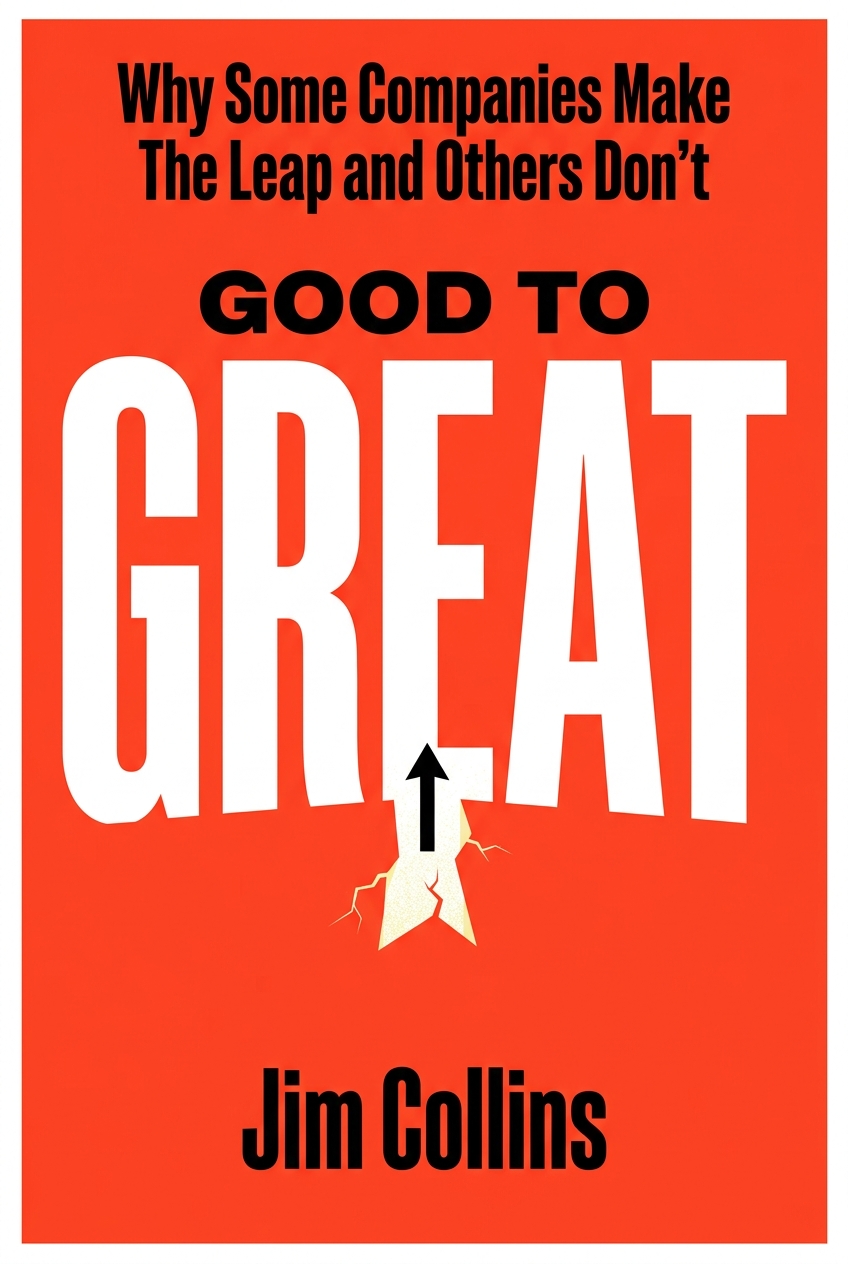
Cultivating a growth mindset is an active process. It involves consciously reframing your internal monologue. Instead of “I can’t do it,” you learn to say, “I can’t do it yet.” This subtle shift in language opens the door to possibility and action. In Good to Great, Jim Collins identifies that the leaders of truly exceptional companies displayed a similar outlook. These 'Level 5 Leaders' combined profound personal humility (the willingness to admit they don't have all the answers) with intense professional will (the unwavering resolve to do whatever it takes to succeed). This combination is the essence of a growth mindset in action—a belief that greatness is not born, but built through disciplined effort and a willingness to confront brutal facts.
Crafting a Success Mindset: Lessons from Key Books on Mentality
Beyond the foundational fixed vs. growth paradigm, a truly effective mental framework incorporates specific strategies for navigating challenges and building for the future. Developing a success mindset isn't about wishful thinking; it's about adopting practical mental models that guide your decisions and actions, especially at work.
Adopt a Definite Mindset
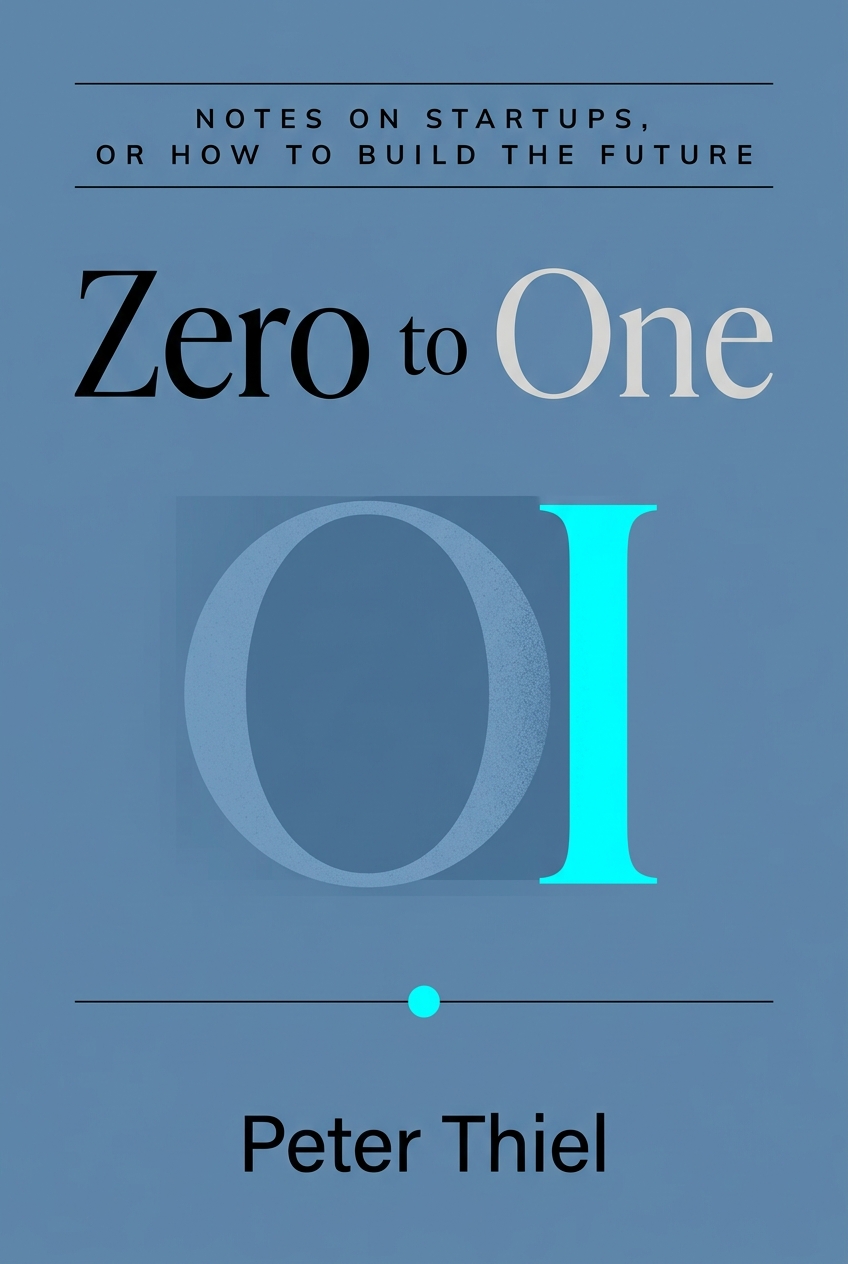
In his book Zero to One, Peter Thiel argues against a common modern mindset he calls 'indefinite optimism'—the vague belief that the future will be better without a concrete plan for making it so. He champions a 'definite mindset,' which is the conviction that the future is something you can and should design. This perspective is built on the contrarian belief that there are still secrets left to be discovered and that your job is to find them and build a unique business around them.
A definite mindset is a core component of an abundance mindset. Instead of fighting for scraps in an existing market (a scarcity-based approach), you create a new category where you are the only player. This requires a fundamental mindset shift from competing to creating. It’s a powerful idea for any professional who feels stuck in a crowded field: stop trying to be the best of the best and start thinking about how you can be the only one who does what you do.
Master Your Own Psychology Under Pressure
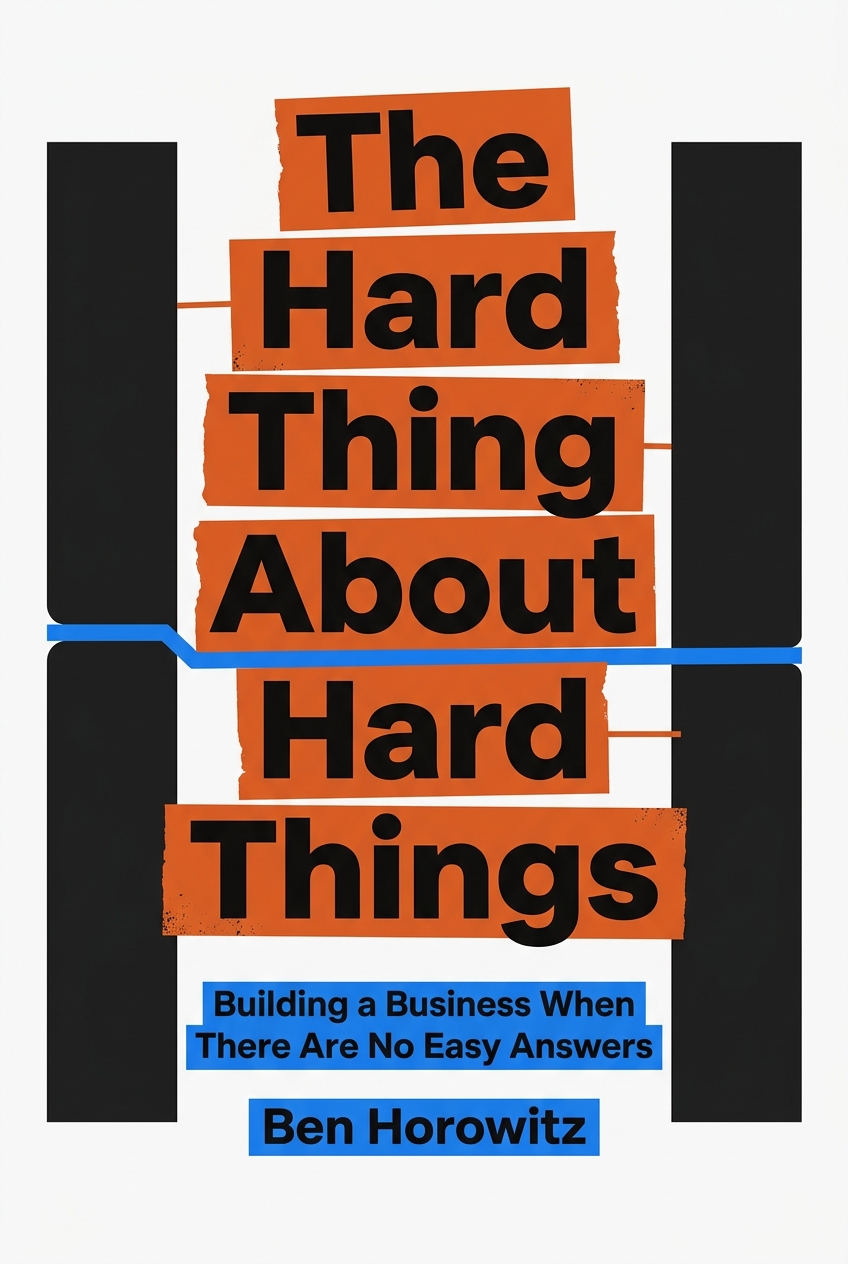
Leadership is often glamorized, but the reality is a psychological battle. As Ben Horowitz explains in The Hard Thing About Hard Things, the single most difficult skill for a CEO to master is managing their own mind. This is a critical lesson in how to deal with mindset when stakes are high and there are no easy answers. Horowitz describes 'The Struggle' as the constant, overwhelming feeling that you're failing and everything is falling apart.
His advice is not to seek a state of perpetual happiness but to develop mindset coping strategies for the inevitable turmoil. One powerful framework he offers is distinguishing between 'peacetime' and 'wartime' leadership. In peacetime, you focus on expanding the market and building on your strengths. In wartime, the company is fighting for survival, and the leader must have a laser focus on the immediate threat. Understanding which state you're in allows you to adapt your mentality and decision-making, providing clarity when you'd otherwise be consumed by panic. This is a masterclass in how to manage your mindset at work.
Practical Steps for a Lasting Mindset Shift
Understanding these concepts is the first step, but how do you make them a permanent part of your operating system? A lasting mindset shift requires intentional and consistent practice. It’s about installing new mental software through deliberate exercises and habits.
How to Overcome Mindset Blocks with Mental Models
Often, our mindset is limited by cognitive biases we don't even know we have. In The Personal MBA, Josh Kaufman dedicates an entire section to 'Mastering Your Own Mind,' arguing that it's as crucial to business success as finance or marketing. He stresses the importance of understanding mental models—frameworks for thinking about how the world works.
One of the most effective mindset exercises is to actively learn and apply these models. For example, understanding 'confirmation bias' (the tendency to favor information that confirms your existing beliefs) can help you seek out opposing views and make more objective decisions. Learning about 'inversion' (tackling a problem by thinking about what you want to avoid rather than what you want to achieve) can provide a fresh perspective on complex challenges. Overcoming a limiting mindset long term is less about a single moment of inspiration and more about building a toolkit of these mental models to deploy when you feel stuck.
Building a Culture of Discipline
Ultimately, a mindset is only as powerful as the actions it inspires. This is where discipline becomes paramount. Drawing again from Good to Great, Jim Collins found that great companies built a 'culture of discipline.' This wasn't about top-down tyranny; it was about having disciplined people who engaged in disciplined thought and then took disciplined action. This creates unstoppable momentum.
You can apply this to your personal mindset. A disciplined mindset means you don't just rely on motivation, which is fleeting. You build systems and habits that ensure you keep moving forward even when you don't feel like it. This could be as simple as dedicating the first hour of your day to your most important task or creating a 'stop doing' list to eliminate activities that don't align with your goals. This disciplined approach is the engine that translates a growth mindset into tangible results, answering the question of how to overcome mindset challenges for good.
In conclusion, your mentality is not something you're born with; it's something you build. By understanding the difference between fixed and growth mindsets, adopting a definite plan for the future, and mastering your own psychology under pressure, you can architect a more resilient and effective way of thinking. The journey starts with a conscious choice to see the world not just as it is, but as it could be—and to take disciplined action to close that gap.
Master key ideas in 15 minutes
Listen to audio summaries of these books on VoxBrief
Download Free