Do you ever feel like your own mind is working against you? A cycle of worry, self-doubt, and negativity can be exhausting, leaving you feeling stuck and drained. The good news is that you have the power to change that narrative. This article serves as your guide, exploring the core principles found in some of the most influential books on positive thinking. We will delve into what positivity truly is, why it's a crucial ingredient for a successful and fulfilling life, and how you can begin cultivating it today.
What is Positive Thinking? (And What It Isn't)
First, let's clarify a common misconception. Positive thinking isn't about wearing a forced smile and ignoring life's problems. That's toxic positivity, and it’s neither helpful nor sustainable. True positivity, as explored in the field of positive psychology, is about approaching life's challenges with an optimistic and constructive mindset. It's about resilience, seeing opportunities for growth even in failure, and believing in your ability to handle whatever comes your way.
So, what is positivity in practice? It’s the habit of focusing on your strengths, practicing gratitude for what you have, and maintaining hope for the future. The causes and effects are profound: a positive outlook is linked to lower stress levels, better immune function, and greater overall well-being. It is a foundational skill for anyone, from students navigating exams to professionals aiming for success positivity at work.
The Power of Your Inner Garden
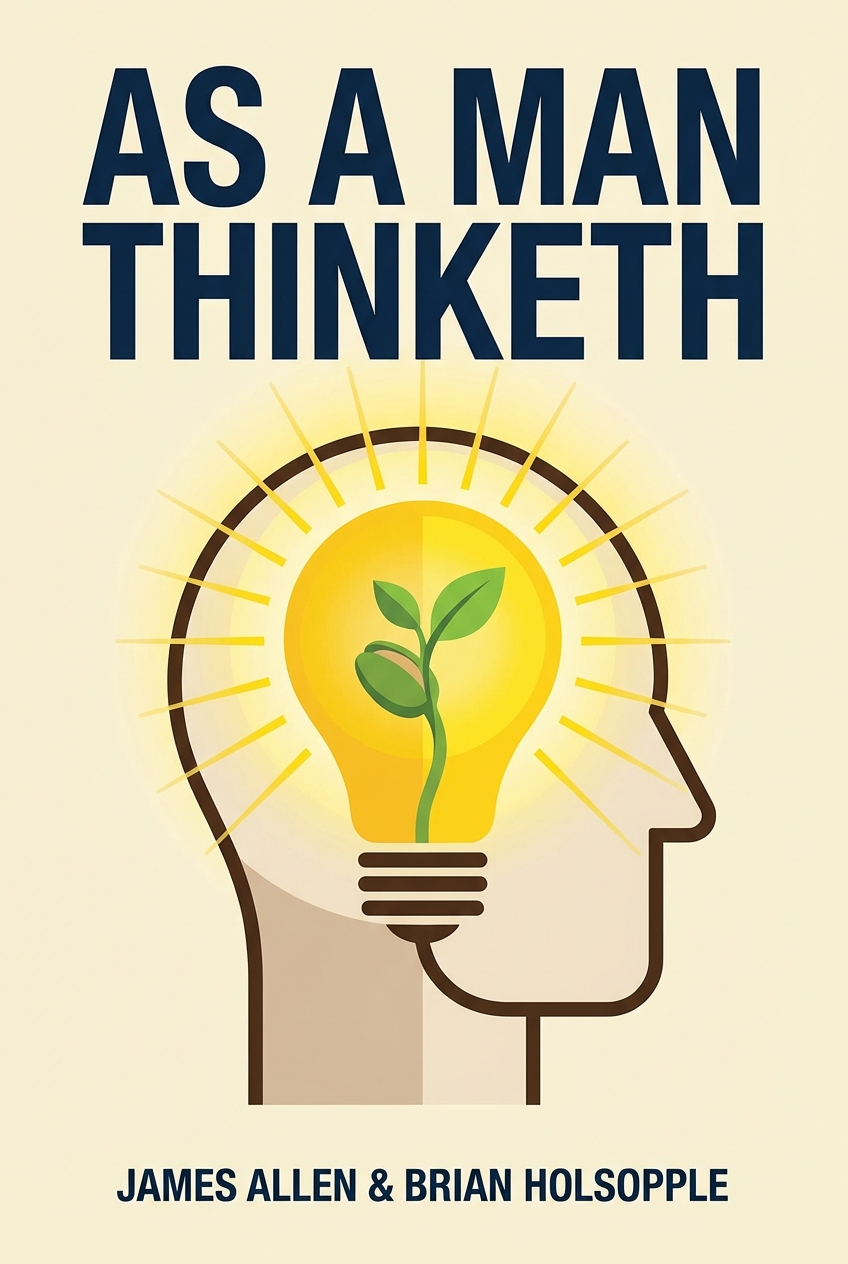
One of the most enduring metaphors for the power of thought comes from James Allen's classic work, As a Man Thinketh. Allen proposes that your mind is like a garden. It will always produce something, whether you tend to it or not. If you don't deliberately plant the seeds of beautiful flowers (positive, constructive thoughts) and useful crops (clear goals and purpose), weeds (negative, destructive thoughts) will grow automatically and take over.
This simple yet powerful idea highlights a fundamental truth: your mental environment isn't a passive space. It is actively shaped by the thoughts you allow to take root. This is a core concept for positivity for beginners, as it shifts the perspective from being a victim of your thoughts to being the cultivator of your mind. To deal with positivity challenges means becoming a more conscious gardener, actively pulling the weeds of doubt and fear while nurturing the seeds of confidence and optimism.
The Science-Backed Advantage of a Positive Brain
Moving from early 20th-century philosophy to modern science, research has overwhelmingly validated these foundational ideas. Scientists can now observe the tangible effects of a positive mindset on brain function and performance. This isn't just about feeling good; it's about gaining a measurable competitive edge in every area of life.
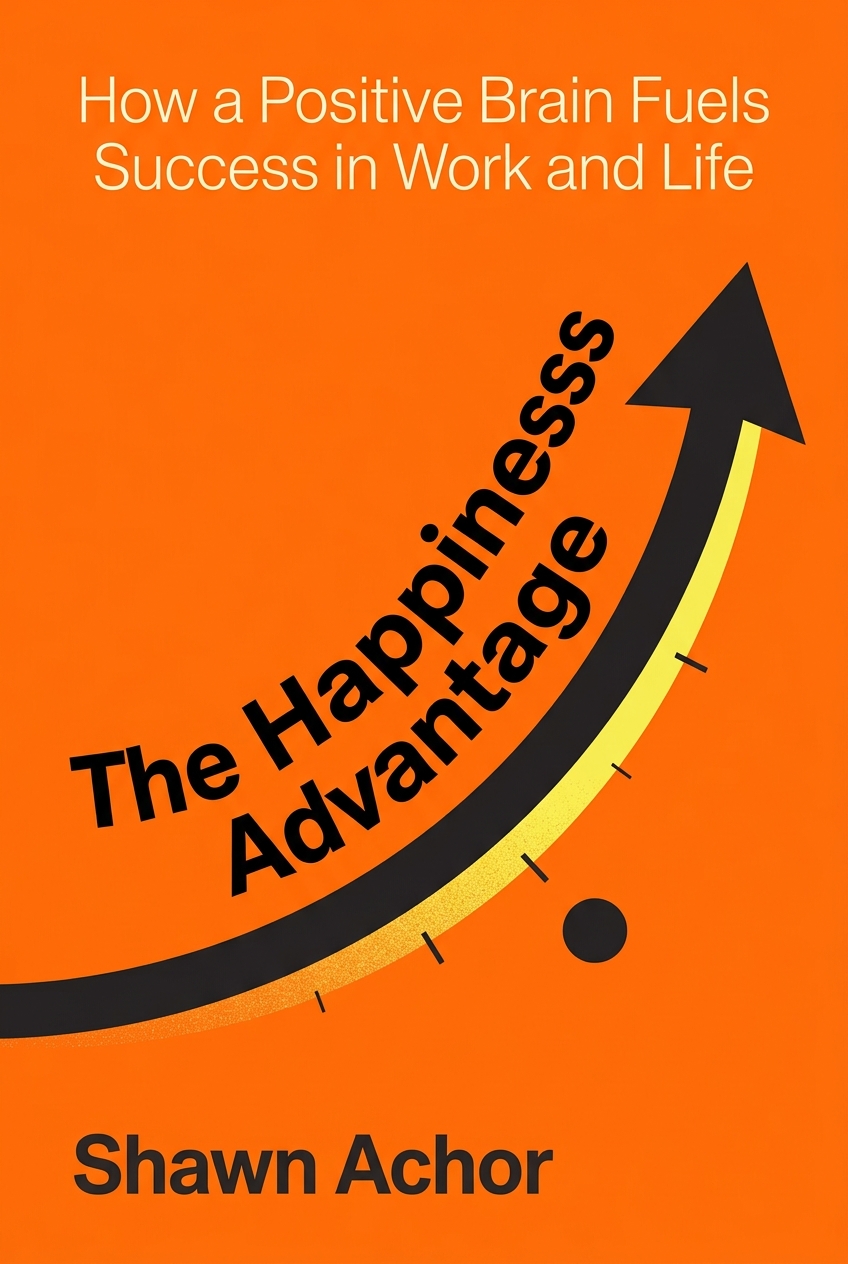
Why is positivity important in a high-stakes environment? In his book The Happiness Advantage, Harvard researcher Shawn Achor systematically dismantles the common formula that hard work leads to success, which in turn leads to happiness. Through years of research, he demonstrates that this formula is backward.
Achor argues that happiness is the fuel for success, not the reward. When your brain is in a positive state, it performs significantly better than when it is in a negative, neutral, or stressed state. Achor calls this the "Happiness Advantage." Your brain on positivity experiences a surge in dopamine and serotonin, which not only makes you feel better but also activates the learning centers of your brain, allowing you to think more creatively, solve problems more efficiently, and see more opportunities.
For positivity for professionals, this is a game-changer. A positive mindset can increase productivity by over 30%, boost sales by 37%, and significantly improve accuracy on tasks. Instead of waiting for the next promotion to be happy, cultivating happiness first makes achieving that promotion far more likely.
Practical Positivity Coping Strategies
Understanding the theory is one thing; applying it when you're overwhelmed is another. How to deal with positivity when you're stressed? Achor provides brilliant, actionable positivity coping strategies.
One is the "Zorro Circle." When feeling overwhelmed, our brains' emotional centers hijack our rational thinking. The Zorro Circle strategy involves reclaiming control by focusing on one small, manageable goal—your "circle." By tackling one tiny task (like answering a single email or organizing your desk), you prove to your brain that you are in control. This calms the emotional panic and allows your rational mind to re-engage, enabling you to expand your circle of control outward.
Another powerful tool is the "20-Second Rule." To build positive habits, you must lower the barrier to entry. If you want to start a gratitude journal, don't keep the journal in a drawer in another room. Place it on your nightstand with a pen, making it take less than 20 seconds to start. Conversely, add 20 seconds of effort to bad habits (like taking the batteries out of the remote) to make them less likely. These small positivity exercises create a path of least resistance toward a more positive lifestyle.
Building Your Wealth Consciousness: More Books on Positive Thinking
The principles of a positive mindset extend beyond emotional well-being and into the realm of tangible achievement, including financial success. This is a key theme in many foundational books on positive thinking, which view wealth not just as money but as an abundance in all areas of life, stemming from a specific way of thinking.
This requires developing what is now called a growth mindset—the belief that your abilities and intelligence can be developed through dedication and hard work. It's the engine that drives ambition and turns ideas into reality.
The Starting Point of All Achievement
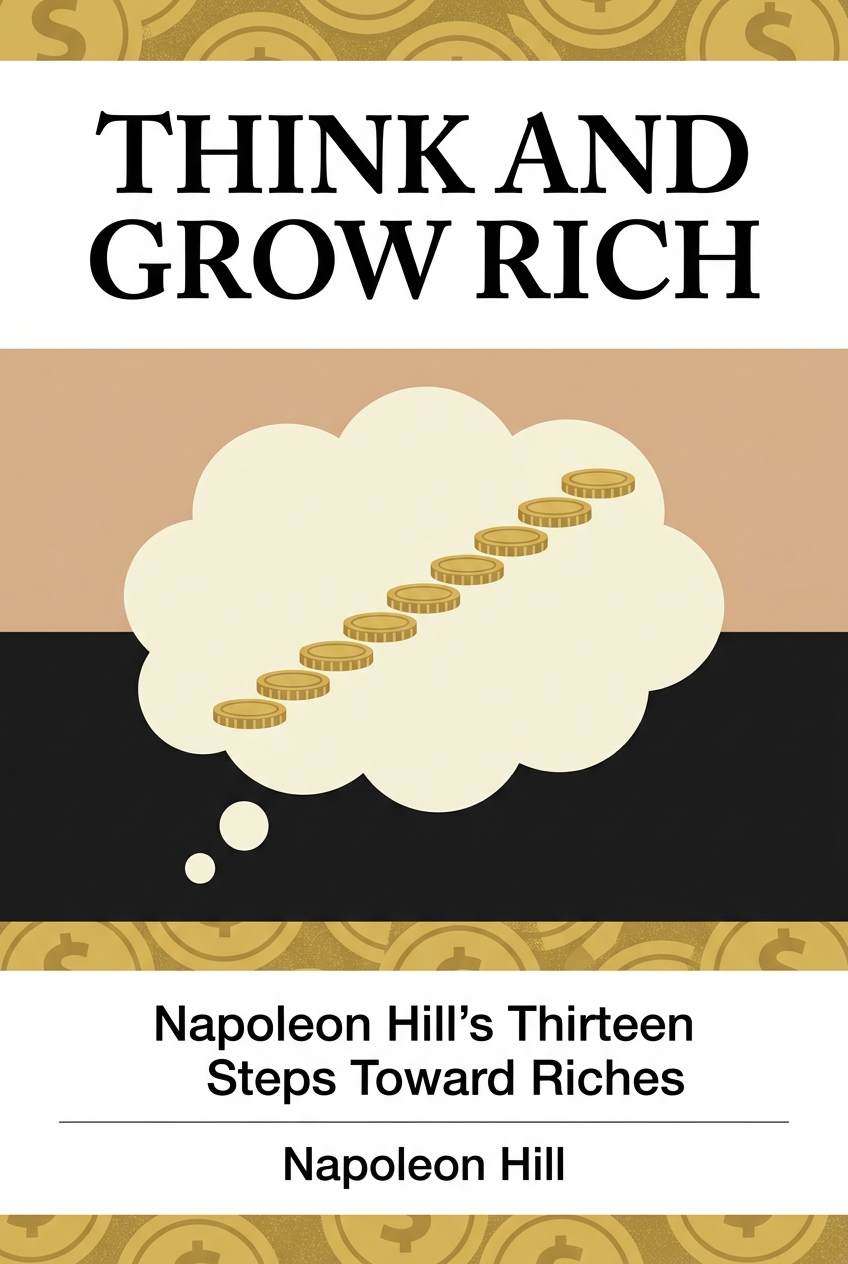
In his seminal work, Think and Grow Rich, Napoleon Hill lays out a formula for success based on his 20-year study of the world's most successful individuals. His research led him to a singular conclusion: everything humans create begins as a thought. Your destiny is shaped by the quality and intensity of your dominant thoughts.
Hill's primary principle is the power of a "burning desire." This isn't a mere wish or hope; it's a white-hot obsession with a definite goal, backed by unwavering faith and a concrete plan. He argues that this focused mental energy is a creative force. It attunes your mind to recognize opportunities and resources that would otherwise remain invisible. Your thoughts, when a-ligned with a powerful purpose, literally begin to attract the necessary components for their materialization.
Guarding Your Mind Against Negativity
If a burning desire is the engine, a protected mind is the vehicle. Why do I struggle with positivity? According to Hill, it’s often because we allow mental static to interfere with our signal. He identified "six basic fears"—including the fear of poverty, criticism, and failure—that paralyze ambition and sow the seeds of doubt.
One of the most critical skills for long-term success is to act as a guardian of your own mind. This involves consciously rejecting these fears and the negative suggestions of others. This is a crucial step if you're wondering how to overcome positivity blocks. By refusing to let fear and doubt take root, you maintain a clear channel for your desire and plans to flourish. This concept predates modern cognitive-behavioral therapy but aligns with its core idea: identifying and challenging negative thought patterns is key to changing your reality.
Your Path Forward
From the philosophical garden of James Allen to the scientific research of Shawn Achor and the success principles of Napoleon Hill, a clear and powerful message emerges: your thoughts are the architects of your life. Your reality is not something that merely happens to you; it is something you actively create from the inside out.
Positivity isn't a destination but a continuous practice of cultivating your thoughts, managing your focus, and directing your desires toward a specific purpose. It is a skill that can be learned, a muscle that can be strengthened, and an advantage that can be leveraged by anyone, anywhere. Start today by choosing one small thought to cultivate, one small action to take, and begin building the life you desire.
Master key ideas in 15 minutes
Listen to audio summaries of these books on VoxBrief
Download Free