Unlocking Your Mind: A Beginner's Guide to Books on Neuroscience
By VoxBrief Team··6 min read
Have you ever wondered what’s happening inside your head when you feel a sudden pang of anxiety, make a split-second decision, or finally break a bad habit? These processes feel mysterious, but they are all rooted in the intricate wiring of your brain. The field that deciphers this incredible biological machine is neuroscience, and thanks to a wealth of accessible writing, you no longer need a PhD to understand its core principles. The world of books on neuroscience offers a fascinating and empowering entry point for anyone curious about the story of themselves.
This guide will walk you through the fundamentals, drawing on key insights from bestselling authors to provide a practical roadmap. We’ll explore what neuroscience is, why it matters, and how you can apply its lessons to improve your daily life. Whether you're interested in neuroscience for beginners or looking for targeted strategies to enhance your well-being, understanding your brain is the first step toward mastering your mind.
What is Neuroscience and Why is it Important?
At its core, what is neuroscience can be answered simply: it is the scientific study of the nervous system. This includes the brain, the spinal cord, and the vast network of nerves that run throughout your body. But this simple definition belies its profound scope. Neuroscience seeks to understand everything from how a single neuron fires to how complex networks of cells create consciousness itself.
The neuroscience benefits are vast and deeply personal. Understanding how your brain works gives you a powerful new lens through which to see yourself and your actions. It helps demystify why you procrastinate, why you struggle with certain emotions, and how your past experiences physically shape your present reality. This knowledge transforms abstract self-help advice into a concrete, biological process.
Why is this important now? Because modern life presents unique challenges to our ancient brains. For neuroscience for busy people, understanding how to manage attention and avoid burnout is a survival skill. For neuroscience for women over 40, it can provide crucial insights into the cognitive and emotional shifts that accompany major life transitions. The science of neuroscience isn't just academic; it’s a practical user's manual for your own mind.
Foundational Concepts from Top Books on Neuroscience
To grasp the practical applications of neuroscience, it helps to start with a few foundational concepts. These ideas, brilliantly explained by leading scientists, reframe how we think about reality, identity, and personal change.
Brain and Behavior: You Are Not the CEO of Your Mind
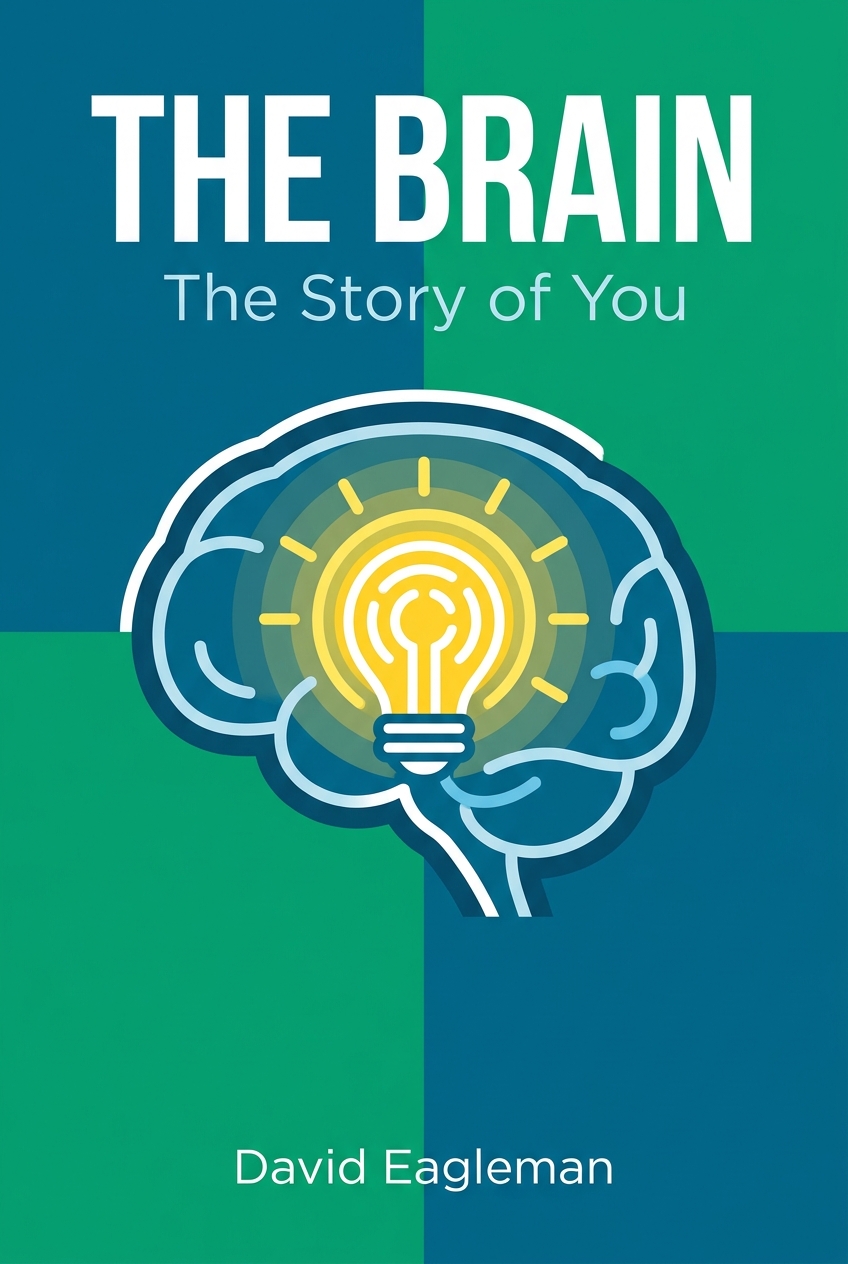
We live with the powerful feeling that our conscious self is in the driver's seat, making deliberate choices. However, a central insight from modern neuroscience challenges this intuition. In his landmark book, The Brain: The Story of You, neuroscientist David Eagleman explains that your conscious mind is more like a tiny stowaway on a massive ship, taking credit for a journey it doesn't control.
Eagleman argues that the vast majority of your brain's operations happen below the level of conscious awareness. Your reality itself is not a direct perception of the outside world but an elaborate simulation your brain constructs. This has huge implications for understanding brain and behavior. The reason you instinctively reach for a snack when stressed or react defensively in a conversation often has more to do with deep-seated, unconscious programming than a conscious choice you made in the moment. Recognizing this is not disempowering; it's the first step toward working with your brain instead of fighting against it.
Brain Plasticity: Your Brain’s Superpower for Change
If so much is unconscious, are we doomed to repeat our patterns forever? The answer is a resounding no, thanks to a remarkable property of the brain known as neuroplasticity, or brain plasticity. This is the brain's ability to reorganize itself by forming new neural connections throughout life. Your brain is not a fixed, static organ; it is constantly being shaped by your experiences, thoughts, and actions.
This concept is central to the work of Dr. Bessel van der Kolk in The Body Keeps the Score. He explains that trauma isn't just a story we tell ourselves; it's an experience that becomes physically embedded in the brain and body, altering neural pathways. But the hopeful message of his work is that healing is possible precisely because of neuroplasticity. As his summary on VoxBrief highlights, the path to recovery lies in creating new experiences in the present that contradict the helplessness of the past. Activities like yoga, mindfulness, and even certain therapies help the brain literally rewire itself, forging new pathways for safety and control. This is how to improve neuroscience in a personal, tangible way—by actively engaging in practices that guide its natural capacity for change.
Cognitive Neuroscience and the Construction of Emotion
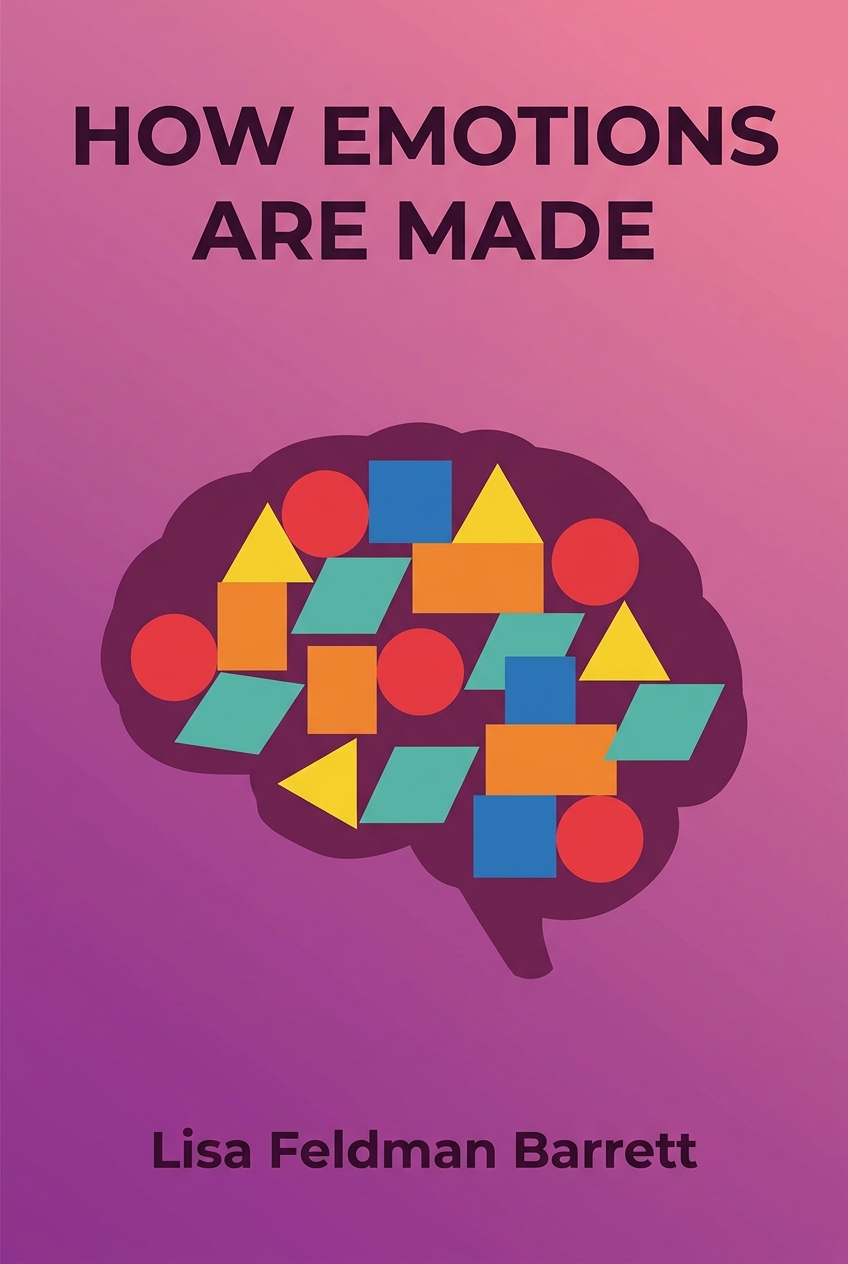
Perhaps one of the most revolutionary ideas in cognitive neuroscience comes from Dr. Lisa Feldman Barrett. For centuries, we’ve believed that emotions are universal, hardwired reactions triggered by external events—that a snake makes you feel fear, or a gift makes you feel happy. In her book How Emotions Are Made, Barrett dismantles this classical view.
She presents compelling evidence that emotions are not triggered; they are constructed. Your brain, acting as a predictive organ, constantly takes in sensory data from your body and the world, and it makes meaning of this data using concepts you’ve learned from your culture. The feeling of a racing heart and tense muscles could be constructed as “anxiety” before a presentation or “excitement” before a roller coaster ride. The raw physical sensation is the same, but the emotion your brain creates is different based on the context and your prior experience.
This insight is incredibly empowering. It means you are not a passive victim of your emotions. By changing your concepts—for example, by expanding your emotional vocabulary—you can change your emotional life. You become an active architect of your own experience.
The Neuroscience of Habits and Neurochemistry
Neuroplasticity is the “how” of change, but the neuroscience of habits explains the “what.” A habit is simply a neural pathway that has been strengthened through repetition. When you perform an action repeatedly, the communication between the neurons involved becomes faster and more efficient. The brain does this to save energy.
This process is driven by neurochemistry, particularly the neurotransmitter dopamine. When you do something rewarding (like eating sugar or getting a social media notification), your brain releases dopamine, which tells it, “Remember what you just did and do it again.” This creates a powerful feedback loop that can build both good and bad habits.
Understanding this mechanism is key to a successful neuroscience plan for beginners. Instead of relying on willpower alone to break a bad habit, you can work with your brain's chemistry. You can design your environment to reduce triggers, and more importantly, you can create new, positive habits by attaching a reward to a desired behavior, helping your brain build a new, stronger pathway.
Putting Neuroscience to Work: A Beginner's Plan
A neuroscience plan for beginners doesn't require complex tools or years of study. It’s about applying these core principles through simple, consistent practices. Here are a few neuroscience tips you can start with today.
Practice Emotional Granularity. Building on Lisa Feldman Barrett’s work, move beyond simple labels like “happy” or “sad.” When you feel a strong emotion, get curious. Are you angry, or are you feeling betrayed, frustrated, or resentful? Naming your feelings with more precision helps your brain regulate them more effectively and gives you more choices in how to respond.
Focus on One Habit at a Time. Knowing what you now know about habit formation, don't try to overhaul your life overnight. Pick one small, manageable habit you want to build. Maybe it's a five-minute meditation practice each morning or a ten-minute walk after lunch. By starting small, you make it easier for your brain to build that new neural pathway without feeling overwhelmed.
Create New Experiences. To leverage brain plasticity, you must give your brain new material to work with. This doesn't have to be a trip around the world. It can be as simple as trying a new recipe, taking a different route to work, or learning a few words in a new language. Novelty and learning are potent fuel for a healthy, adaptable brain. You don't need a PhD to get started; many of the best neurobiology books are written for a general audience and packed with a wealth of practical advice.
By embracing these foundational ideas from neuroscience, you shift from being a passive passenger to an active participant in your own life. The journey into understanding the brain is the ultimate exploration of who we are and who we can become.
Master key ideas in 15 minutes
Listen to audio summaries of these books on VoxBrief
The science behind neuroscience is the interdisciplinary study of the nervous system—the brain, spinal cord, and nerves. It uses methods from biology, psychology, chemistry, and computer science to understand how cellular and molecular mechanisms give rise to thought, emotion, and behavior.
Yes, learning about neuroscience is completely safe as it is a field of scientific study. Applying its principles, such as mindfulness, habit-building techniques, or emotional regulation strategies, is generally considered safe and highly beneficial for mental well-being and personal growth.
The time to see results varies. Simple neuroscience tips, like a new focus technique, might show benefits within a day. However, building new habits or changing emotional responses, which involves brain plasticity, can take several weeks or months of consistent practice to create lasting change.
For those new to the topic, some of the best books about neuroscience simplify complex ideas into engaging narratives. Works by authors like David Eagleman or Lisa Feldman Barrett are excellent starting points because they connect brain science to everyday experiences like perception, identity, and emotion.