Navigating the world of diet and health can feel like walking through a library with mislabeled shelves. Fads, conflicting advice, and complex scientific jargon create noise that makes it difficult to find a clear path forward. This is where finding good nutrition books becomes not just helpful, but essential. They act as a compass, guiding you through the fundamentals of fueling your body for optimal health and well-being. But the goal isn't just to read about health; it's to understand the core principles that empower you to build a healthier life, one meal at a time.
So, what is nutrition, really? At its core, nutrition is the process of providing or obtaining the food necessary for health and growth. It's about the energy you consume and how your body uses it. Understanding why is nutrition important is the first step toward change: it affects everything from your physical performance and immune system to your mood and mental clarity. This guide will distill key concepts from leading experts to give you a foundational knowledge of how to improve your nutrition.
Understanding the Core Principles: Beyond Just Calories
Before diving into advanced strategies, it’s crucial to grasp the fundamentals. Many people get bogged down by counting every calorie, but true health is built on a broader foundation of nutritional quality and balance. It's less about restriction and more about intentional fueling.
Macronutrients: The Building Blocks of Your Diet
Every balanced diet is built upon three primary macronutrients: proteins, fats, and carbohydrates. Think of them as the primary workers in your body's factory. Proteins are essential for building and repairing tissues, like muscle. Fats provide sustained energy and are crucial for hormone production and brain health. Carbohydrates are the body's preferred source of quick energy. A healthy eating plan doesn't eliminate any of these; instead, it focuses on choosing high-quality sources for each. For example, getting carbohydrates from sweet potatoes and quinoa is vastly different from getting them from a candy bar.
The Power of Whole Foods
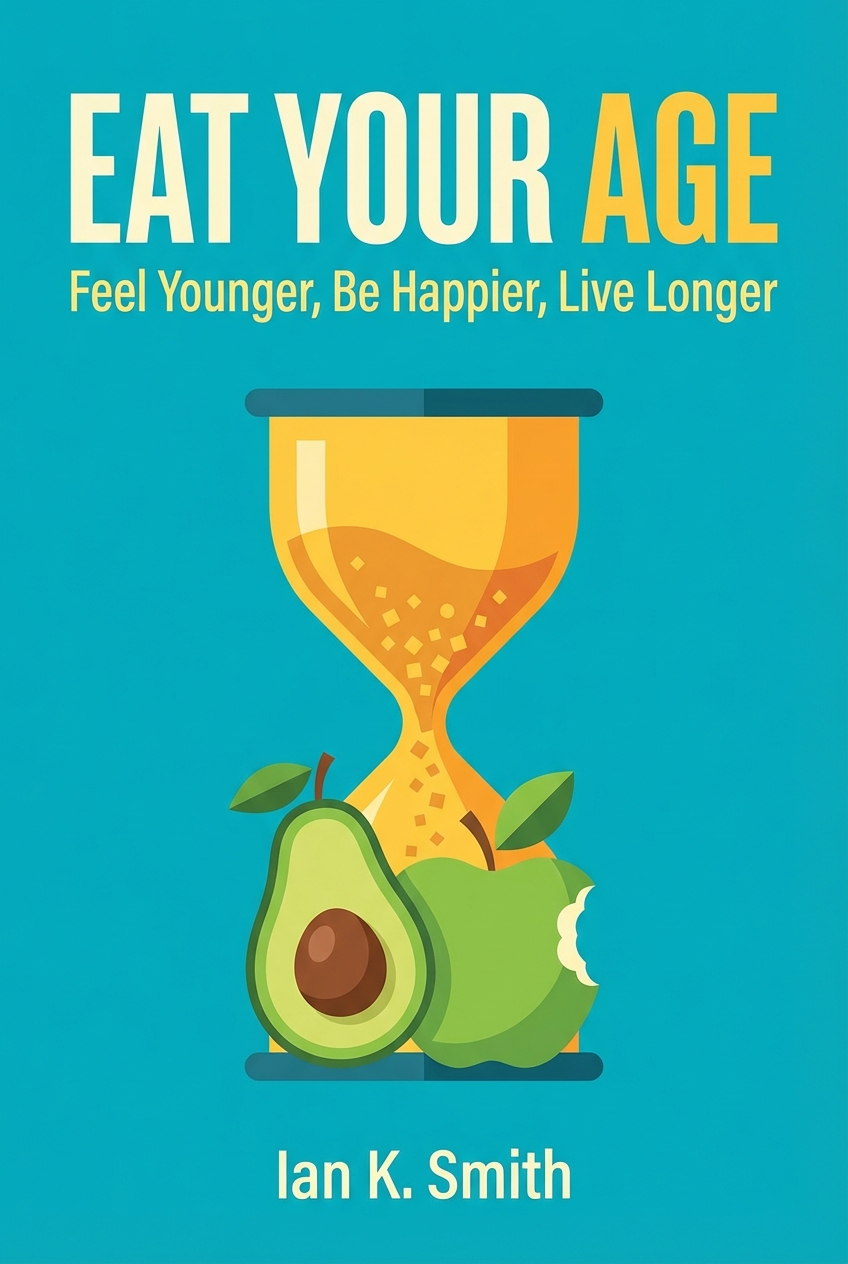
A recurring theme in modern nutritional science is the emphasis on whole foods. This concept is central to books like Eat Your Age by Dr. Ian K. Smith, which champions a "nutrient-dense, whole-food architecture." This simply means choosing foods that are as close to their natural state as possible: fruits, vegetables, lean meats, nuts, and whole grains. These foods provide not only macronutrients but also vital micronutrients—vitamins and minerals—and fiber, which are often stripped away during processing. Prioritizing whole foods is one of the most effective nutrition tips for beginners because it simplifies decision-making and naturally improves nutrient intake.
Meal Planning for Success
Knowing what to eat is only half the battle; executing it amidst a busy schedule is the other. This is where meal planning becomes a game-changer. It’s a core strategy for consistency, a concept detailed in Livingood Daily, which focuses on "Making Healthy Eating Stick." Planning your meals doesn’t have to be a rigid, time-consuming chore. It can be as simple as deciding what you'll have for dinner for the next three days, pre-chopping vegetables for the week, or batch-cooking a protein source to use in various meals. This proactive approach helps you avoid the last-minute, low-quality convenience food-traps that derail so many health goals, making it particularly useful for nutrition for busy people.
The Science Behind Good Nutrition Books: Key Modern Concepts
The field of nutrition is constantly evolving, moving beyond simple dietary guidelines to explore the intricate systems that govern our health. The most insightful books translate this complex science into actionable wisdom. They explain not just what to do, but why it works.
The Mind-Gut Connection and Gut Health
One of the most significant breakthroughs in recent nutritional science is our understanding of the gut microbiome. In The Mind-Gut Connection, Dr. Emeran Mayer explains the profound impact of the "brain-gut-microbiome axis." This is the constant, hidden conversation between your brain and the trillions of microbes in your digestive system. This connection doesn't just manage digestion; it heavily influences your mood, immune responses, and even your food choices. Dr. Mayer argues that the modern diet, high in processed foods, sugar, and unhealthy fats, acts like "signal jamming and static," disrupting this vital communication network. Nurturing your gut health with a diet rich in diverse, fiber-filled whole foods is one of the most powerful nutrition benefits, leading to improved mental and physical well-being.
Proactive Health vs. Reactive Treatment
Another powerful shift in thinking comes from focusing on prevention rather than cure. In his book Outlive, Dr. Peter Attia makes a compelling case for moving away from what he calls "Medicine 2.0"—a system that excels at treating sickness but does little to prevent it. He advocates for a proactive approach focused on extending "healthspan," the period of our lives spent in good health. This philosophy is echoed in Livingood Daily, where the core idea is that "Health is Proactive, Not Reactive." Instead of waiting for a diagnosis, this approach uses nutrition methods to actively build a resilient body that can better withstand the challenges of aging and disease. This is a fundamental reframe: food is not just fuel; it's a tool for long-term health engineering.
Sustainable Habits for Long-Term Adherence
A perfect diet plan is useless if you can't follow it. The art of adherence is a critical theme, particularly for those who have tried and failed with restrictive diets. Joyce Meng's book, Eat Your Ice Cream, directly tackles this by focusing on six simple, science-backed rules for a long life without misery. The foundation is built on whole foods, but the strategy is about making it stick. This involves designing a way of eating that is enjoyable and flexible enough to withstand the realities of a busy life. It acknowledges that perfection is the enemy of progress and that consistency trumps short-term intensity every time. This is a crucial lesson for anyone, from a beginner to someone managing specific needs like nutrition for women over 40, where hormonal changes can make rigid diets even more challenging.
How to Improve Your Nutrition: A Practical Start
Knowledge is empowering, but action is what creates change. Starting your journey doesn't require a complete life overhaul. Small, consistent steps are the key to building momentum and achieving long-term nutrition benefits.
Your Nutrition Plan for Beginners
If you're new to this, start small. Don't try to change everything at once. Pick one—and only one—area to focus on for the first week.
- Add, Don't Subtract: Instead of focusing on what to remove, focus on what to add. Can you add one serving of vegetables to your lunch and dinner?
- Upgrade One Meal: Identify the one meal where you consistently make poor choices. As suggested in the summary of Eat Your Ice Cream, focus on finding a single, simple, and healthy replacement for just that one weak link.
- Hydrate First: Before reaching for a snack, drink a full glass of water. Often, our bodies mistake thirst for hunger. Increasing water intake is a simple but powerful nutritional habit.
Nutrition for Busy People: Making It Stick
Time is a major barrier for many. The key is to make the healthy choice the easy choice.
- Batch Cook: Spend two hours on a Sunday preparing staples for the week. Cook a large batch of quinoa, roast a tray of vegetables, and grill some chicken breasts. These components can be quickly assembled into salads, bowls, and wraps.
- Embrace Simplicity: Not every meal needs to be a gourmet creation. A handful of nuts, an apple, a hard-boiled egg, or a quality protein shake can be a perfectly acceptable and nutritious meal or snack when you're in a rush.
- Smart Shortcuts: Use frozen vegetables and fruits. They are just as nutritious as fresh ones and are pre-chopped and ready to go.
Listening to Your Body's Signals
Perhaps the most advanced and sustainable nutrition method is learning to listen to your own body. As Dr. Mayer explains in The Mind-Gut Connection, your "gut feelings" are a real neurobiological phenomenon. Paying attention to how different foods make you feel—energized, sluggish, bloated, or clear-headed—is the ultimate form of personalized nutrition. Livingood Daily also emphasizes this mind-body connection. Your body has its own wisdom. Tuning into its signals allows you to move beyond rigid rules and cultivate a more intuitive, sustainable relationship with food.
Ultimately, the journey to better health is deeply personal. The purpose of exploring concepts from the best healthy eating books is not to find a single, perfect dogma to follow. It's to arm yourself with knowledge, understand the science of nutrition, and find the principles and strategies that resonate with your life. By focusing on whole foods, understanding the science behind your choices, and building sustainable habits, you can take control of your health and create a vibrant, well-fueled life.
Master key ideas in 15 minutes
Listen to audio summaries of these books on VoxBrief
Download Free