What is Resilience? A Deep Dive for Beginners
Life is a series of peaks and valleys. While we all love the peaks, the valleys are where our character is truly forged. Setbacks, disappointments, and failures are not just possibilities; they are certainties. The key question isn't how to avoid them, but how to navigate them. This is where resilience comes in. In this guide, we'll explore the core concepts found in the best books on resilience, providing actionable strategies to help you not just survive life's challenges, but thrive because of them.
Resilience is not a magical trait gifted to a select few. It is a skill, a muscle that can be trained and strengthened. It's the ability to bend without breaking, to adapt to adversity, and to emerge stronger on the other side. Whether you're a student facing academic pressure, a professional navigating a demanding career, or simply someone trying to handle the everyday stresses of life, understanding how to build resilience is one of the most important investments you can make in your well-being.
Why Resilience is Essential in Modern Life
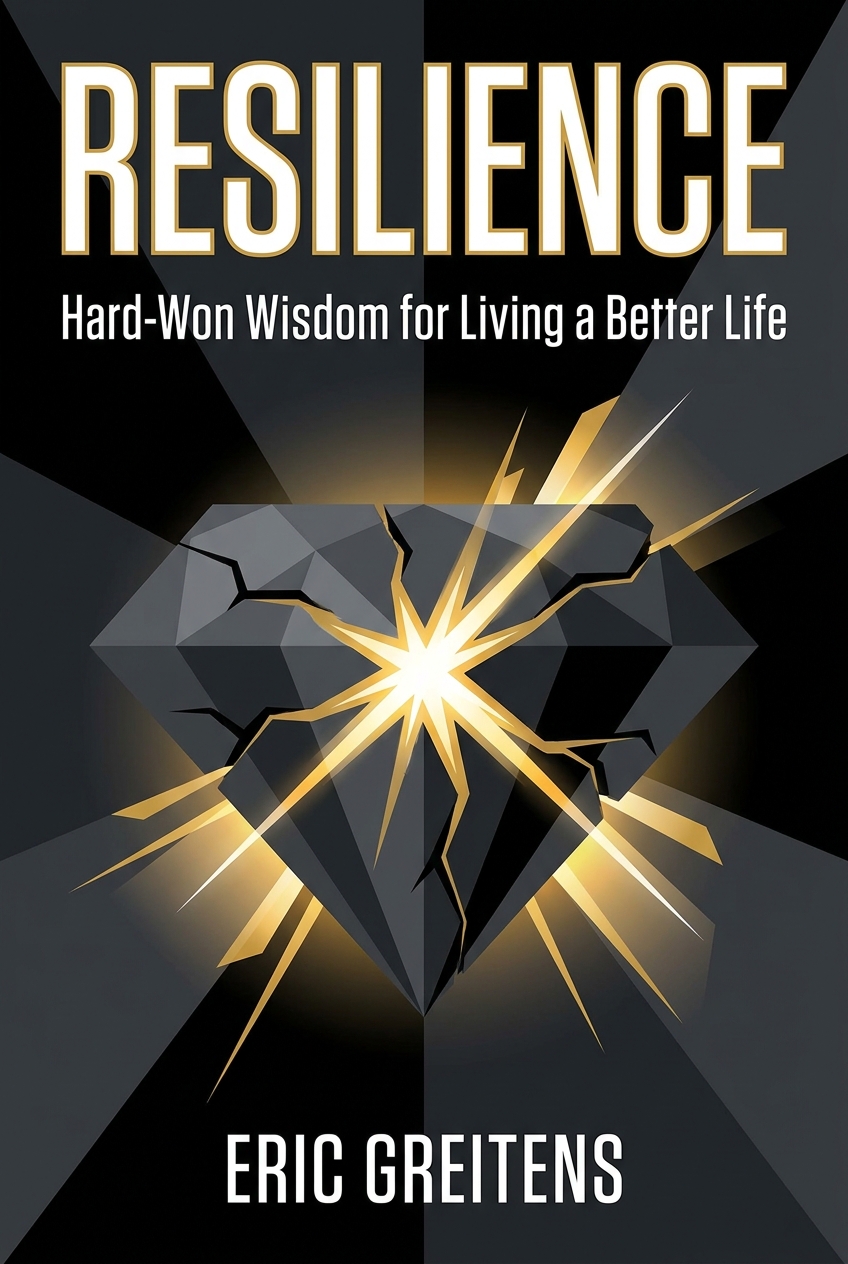
So, what is resilience in practical terms? It's the psychological and emotional capacity to cope with a crisis or to return to pre-crisis status quickly. But it’s more than just bouncing back from failure. True resilience is about “bouncing forward,” as former Navy SEAL Eric Greitens puts it in his book Resilience. It's about integrating your experiences, even the painful ones, to create a new, stronger version of yourself.
Why is resilience important? Because without it, we remain stuck. A job loss, a breakup, or a health scare can become a permanent identity rather than a temporary chapter. Signs of resilience include emotional regulation, an optimistic but realistic outlook, and strong problem-solving skills. These are not signs of someone who is cold or unfeeling. In fact, a crucial part of resilience is the ability to process difficult emotions healthily.
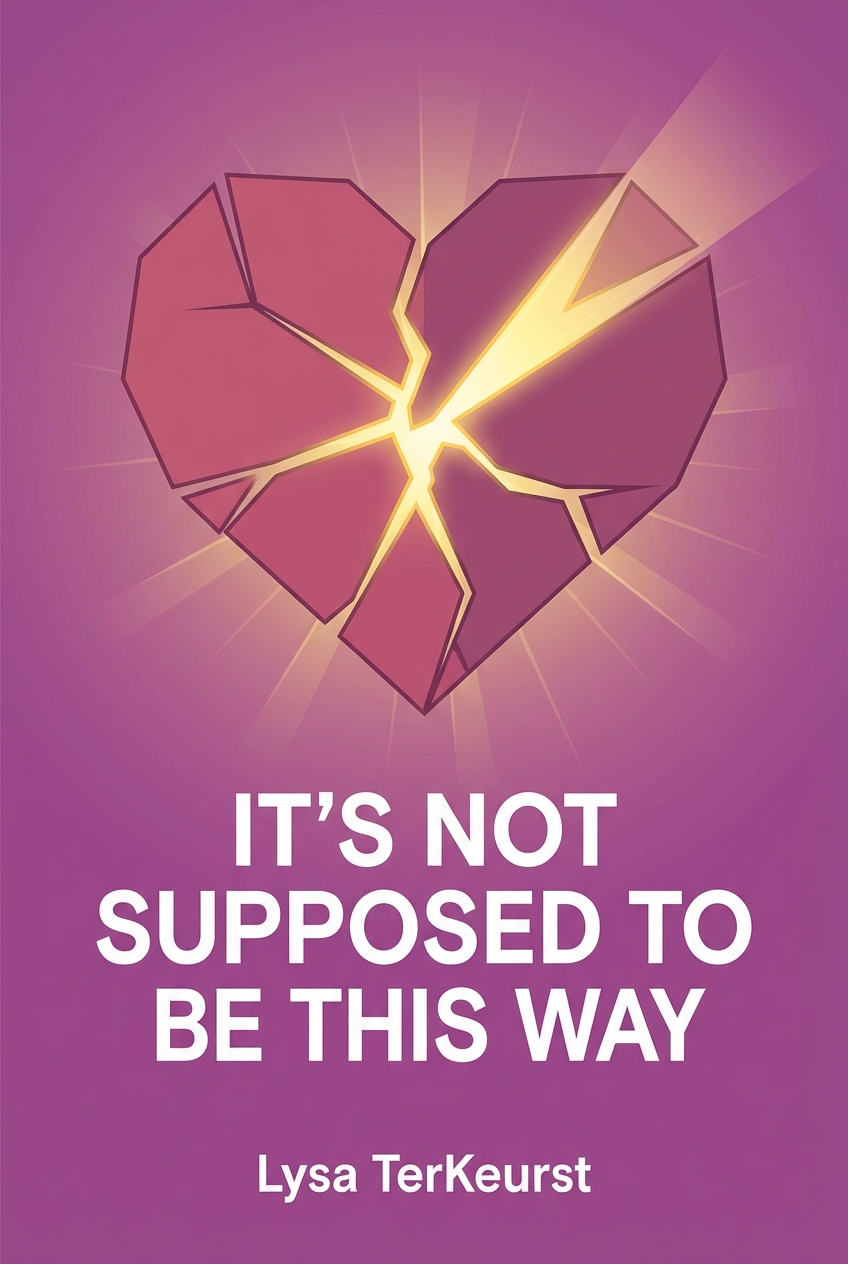
In her book It's Not Supposed to Be This Way, Lysa TerKeurst gives readers permission to feel the profound pain of disappointment. She argues that ignoring or pretending you are fine is not strength; it's a hollow performance. True resilience begins by acknowledging the dust and ruins of a shattered expectation and then, piece by piece, starting the work of restoration. It validates the messy, human experience of grief while offering a path toward hope.
Foundational Strategies from Top Books on Resilience
The most helpful literature on this topic goes beyond simple encouragement, offering concrete frameworks and exercises. The best books on resilience share common themes: mastering your mind, taking deliberate action, and understanding the deep connection between your physical and mental states.
Master Your Mindset: The Cognitive Component
One of the most powerful insights from resilience research is that our interpretation of an event, not the event itself, causes the most suffering. Our minds fall into cognitive traps that amplify pain and prevent recovery.
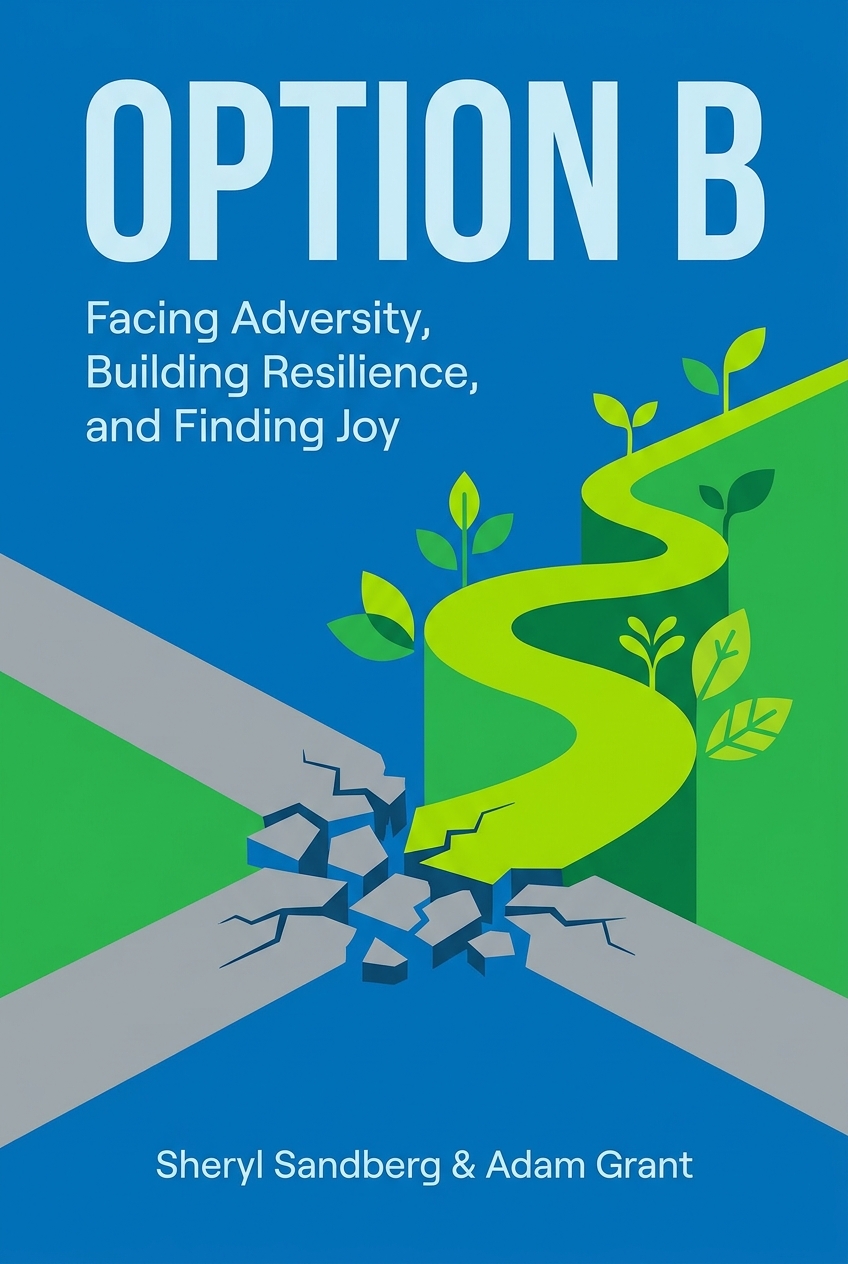
In Option B, co-authored by Sheryl Sandberg and psychologist Adam Grant, these traps are identified as the “Three P’s”: Personalization, Pervasiveness, and Permanence.
- Personalization: The belief that a negative event is entirely your fault.
- Pervasiveness: The belief that an event in one area of your life will spill over and ruin every other area.
- Permanence: The belief that the negative feelings and fallout from the event will last forever.
Recognizing these thought patterns is the first step toward building mental toughness. When you catch yourself thinking, “This is all my fault, my whole life is ruined, and I’ll never be happy again,” you can consciously challenge it. This is a core resilience exercise: shifting from a self-defeating narrative to a more compassionate and realistic one. Many great books on overcoming obstacles suggest starting with small, manageable challenges to build the confidence needed to tackle these larger cognitive battles.
While mindset is crucial, resilience is ultimately built through action. Reading philosophy is not enough; you must live it. This is the central message of Stoicism, an ancient philosophy that has seen a modern resurgence for its practical approach to life's difficulties.
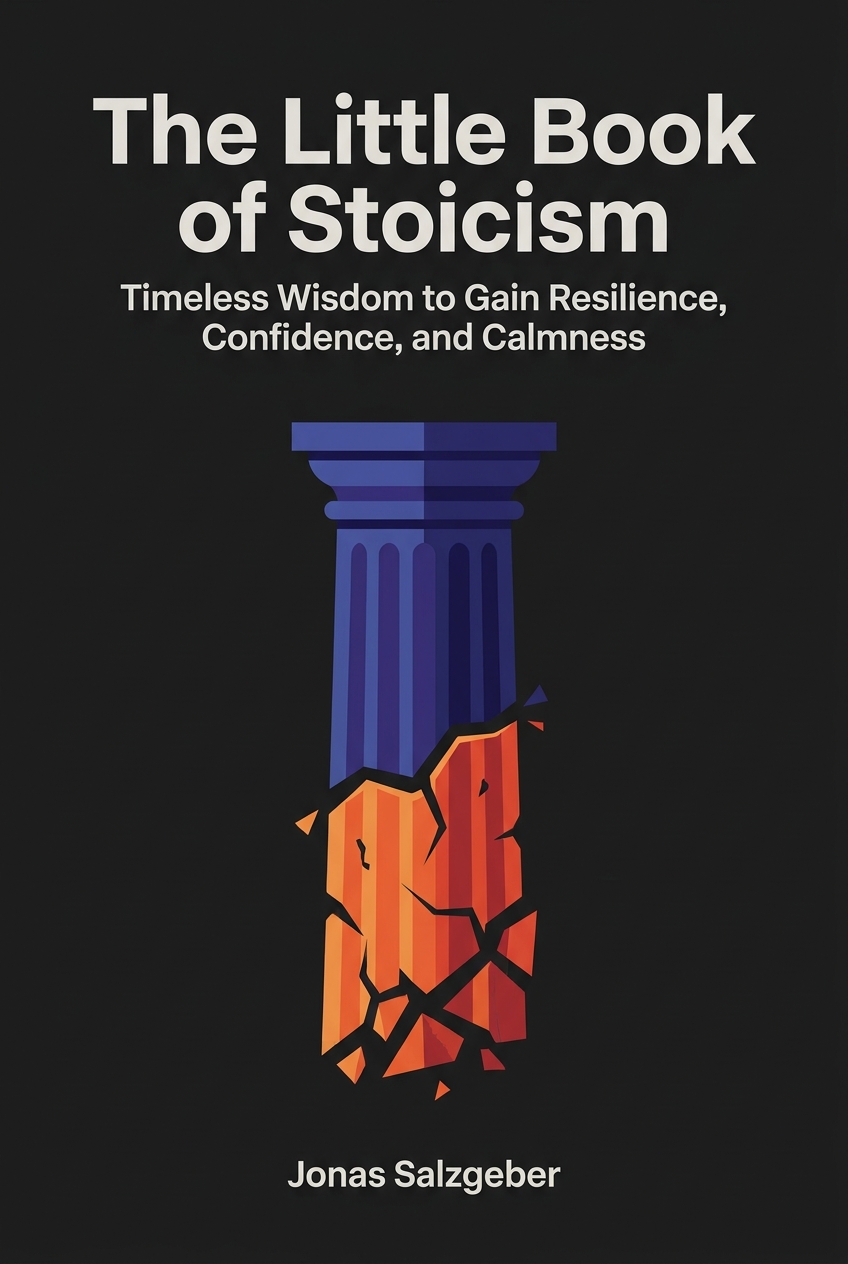
Jonas Salzgeber's The Little Book of Stoicism demystifies this philosophy and presents it as a practical guide. He introduces the reader to the “Stoic's Daily Toolkit,” a set of practices designed to build emotional fortitude. The core principle is the dichotomy of control: distinguishing between what is within your power (your thoughts, your judgments, your actions) and what is not (external events, other people's opinions).
By focusing your energy exclusively on what you can control, you stop wasting it on things you can't. This isn't about passive acceptance; it's about strategic action. A simple resilience coping strategy derived from this is, when faced with a problem, to ask: “What part of this is up to me?” This question immediately shifts your focus from anxiety to agency.
The Body-Mind Connection: Fueling Emotional Resilience
Resilience isn't just in your head; it's in your body, too. For decades, mental and physical health were treated as separate domains. Groundbreaking research is now revealing just how interconnected they are, offering a new frontier for building emotional resilience.
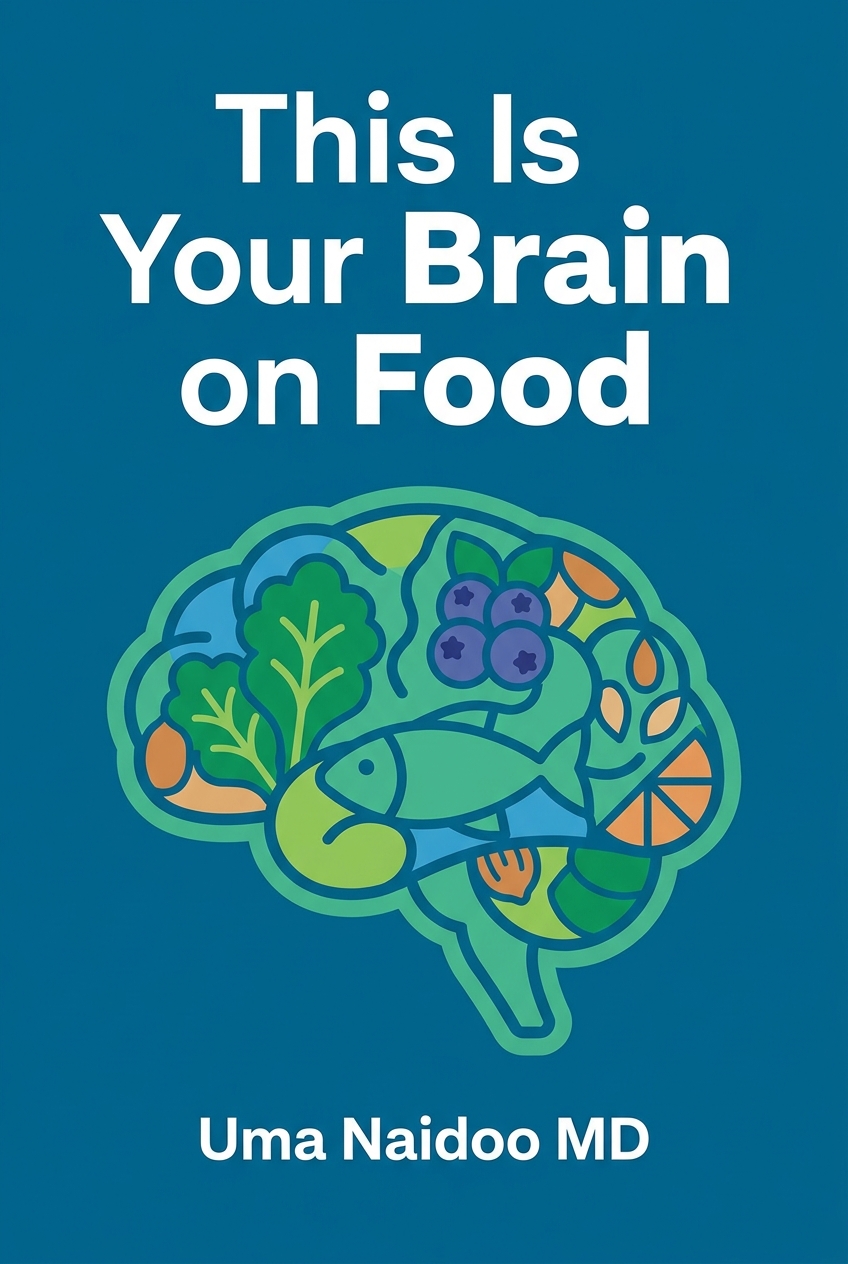
Dr. Uma Naidoo’s This Is Your Brain on Food provides a compelling scientific case for the power of nutrition in mental health. She explains the concept of the “Gut-Brain Superhighway,” a constant biochemical conversation between your digestive system and your brain. An unhealthy gut microbiome, she argues, can directly contribute to inflammation and conditions like anxiety and depression, making it much harder to cope with stress resilience.
This perspective is empowering because it provides a tangible, actionable path to improving your mental state. While you can't always control external stressors, you can control what you put on your plate. Dr. Naidoo’s BRAIN FOODS framework offers a simple guide to eating for better mental health, turning your daily meals into an act of building resilience from the inside out.
Building Resilience for Everyday Life
Understanding the principles of resilience is one thing; applying them is another. The goal is to integrate these strategies into the fabric of your daily life, whether you're a beginner just starting out or a professional in a high-stakes environment.
Resilience for Professionals: Thriving at Work
Resilience at work is no longer a soft skill; it's a core competency. In a world of constant change and disruption, the ability to adapt, learn from failure, and manage stress is critical for career longevity.
In Option B, Sandberg and Grant extend the principles of individual resilience to teams and organizations. They argue for creating a culture where failure is treated as a learning opportunity, not a reason for blame. When employees feel psychologically safe to take risks and speak up about problems—to “kick the elephant out of the room”—the entire organization becomes more resilient.
For professionals, this means reframing challenges as growth opportunities, actively seeking feedback after a setback, and prioritizing recovery and rest to avoid burnout. It's about playing the long game, not just sprinting from one crisis to the next.
Resilience for Beginners: Starting Your Journey
If you're new to this topic (resilience for beginners), the sheer volume of information can be overwhelming. The key is to start small. Don't try to overhaul your entire mindset overnight. Pick one small, manageable practice.
The Little Book of Stoicism offers a perfect starting point. The author suggests finding one recurring annoyance in your life—a coworker who talks too loudly, a traffic jam on your commute—and making it your training ground. The next time it happens, instead of reacting with frustration, simply observe your internal response and choose not to give in to it. This tiny act of self-mastery is a single rep in the gym of resilience.
Building resilience is a marathon, not a sprint. By starting with small, consistent practices, you build the foundation of grit and self-trust needed to face larger challenges down the road. Every small victory proves to yourself that you are capable of handling hardship, preparing you for the moment you'll need that belief most.
Master key ideas in 15 minutes
Listen to audio summaries of these books on VoxBrief
Download Free