In a world that often feels chaotic and overwhelming, it's easy to feel disconnected and adrift. Many of us are searching for a deeper sense of meaning, purpose, and inner peace. This quest is the very heart of spirituality, and for those just starting this journey, a great library of spirituality self help books offers a powerful and accessible starting point. These texts serve as maps, guiding us from the inner turmoil of modern life toward a landscape of greater clarity, compassion, and contentment. This article will serve as your introduction to spirituality, demystifying its core principles and showing you how to begin this transformative practice in your own life.
What is Spirituality, Really? An Introduction for Beginners
When we hear the word "spirituality," it's often confused with religion. While the two can overlap, they are not the same thing. Religion typically involves a structured system of beliefs, rituals, and dogma shared by a community. Spirituality, on the other hand, is a deeply personal, experiential journey. So, what is spirituality explained simply? It is the practice of connecting with your inner self and with a sense of something larger than your individual ego—be it nature, the universe, a higher consciousness, or the interconnectedness of all life. It’s about asking the big questions: Who am I? What is my purpose? How can I live a more meaningful life?
Understanding why is spirituality important is key to embracing it. In our hyper-individualistic society, we are often taught to find happiness in external achievements, possessions, or the approval of others. Spirituality flips this script. It suggests that true, lasting contentment—what many call inner peace—is an inside job. It provides a framework for navigating life's challenges not with anxiety and resistance, but with grace and resilience. By a cultivating a spiritual practice, you are building an inner anchor that can hold you steady through any storm.
Core Principles of Modern Spirituality
Spirituality isn't an abstract concept reserved for monks on mountaintops. It is built on tangible principles that can be practiced by anyone, anywhere. Many of the most profound spiritual teachings of our time distill these timeless truths into practical frameworks for modern living.
The Power of Presence and Mindfulness
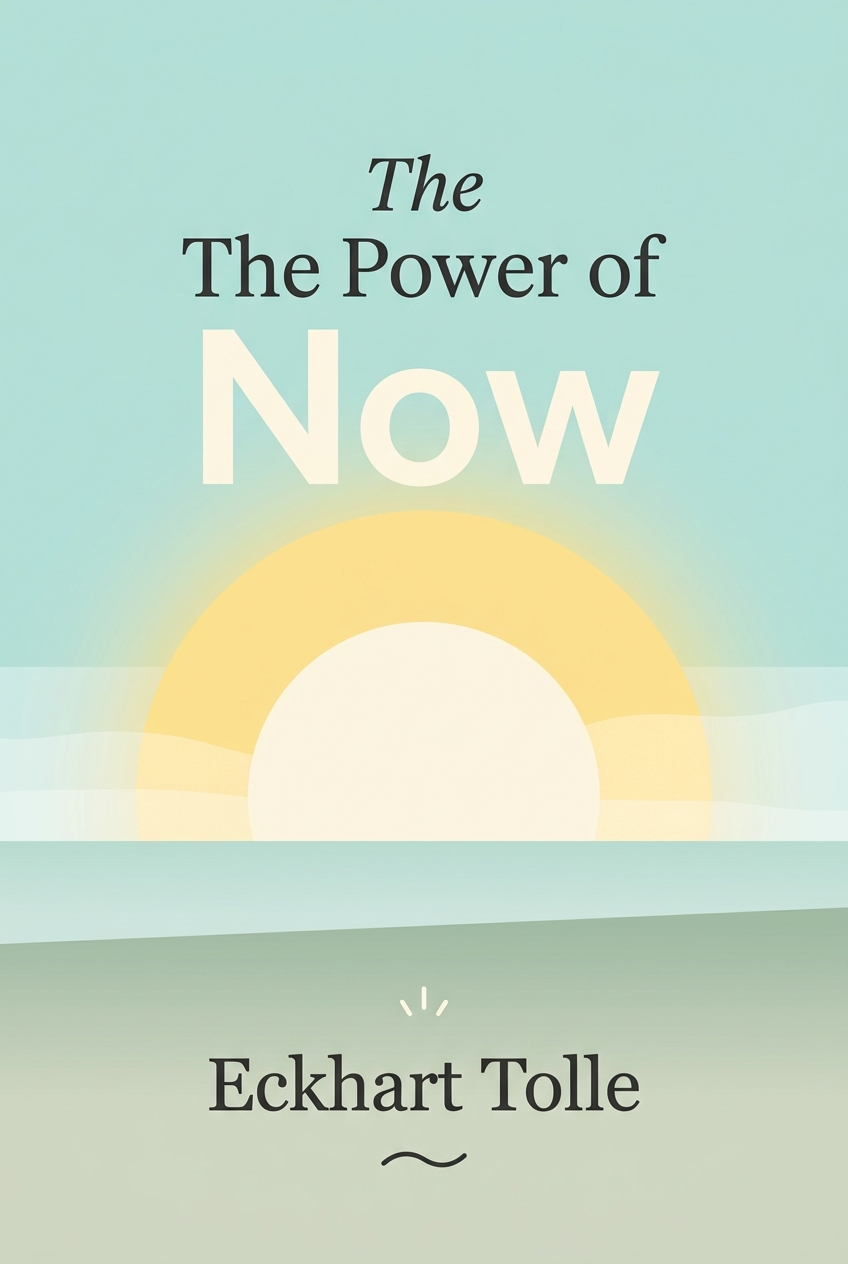
One of the most fundamental spirituality principles is the practice of being present. We spend most of our lives lost in thought—ruminating on the past or worrying about the future. In his landmark book, The Power of Now, Eckhart Tolle argues this constant mental chatter is the source of most of our suffering, calling it the "tyranny of the mind." He introduces the concept of the "pain-body," which he explains is the physical and emotional residue of past unprocessed pain that is triggered by our thoughts. The only way to break free from this cycle is to anchor ourselves in the present moment.
This is the essence of mindfulness: paying attention to the now without judgment. It’s about noticing the sensation of your breath, the feeling of the ground beneath your feet, or the taste of your morning coffee. As Tolle describes, these simple acts become "portals to presence," allowing you to step out of the reactive mind and into a state of quiet awareness.
Cultivating Compassion and Connection
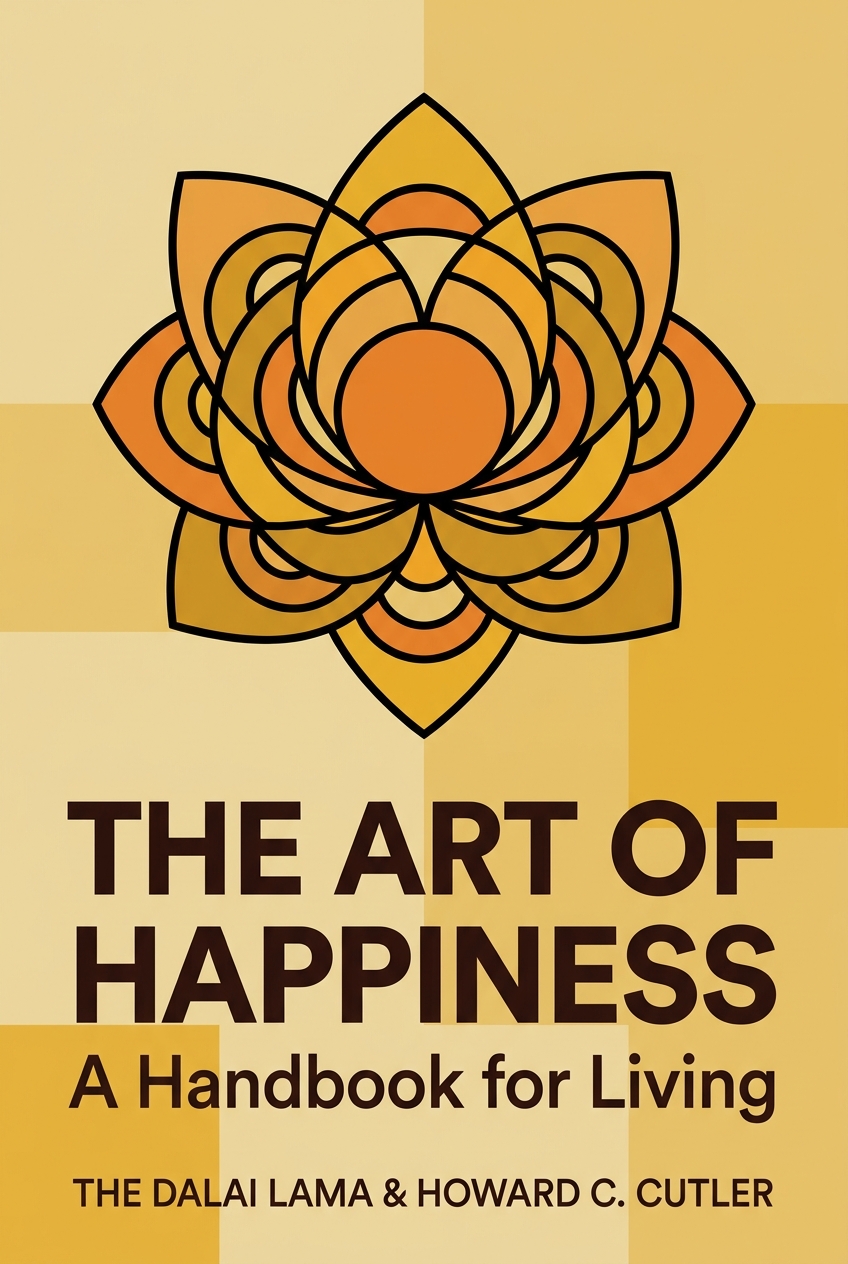
A spiritual path inevitably leads you away from a self-centered perspective and toward a more connected, compassionate one. His Holiness the Dalai Lama, in collaboration with Howard C. Cutler in The Art of Happiness, proposes that our very nature is gentle and compassionate. He contends that the modern focus on hyper-individualism is a primary obstacle to happiness. The core message is that "the 'We' is more important than the 'Me'."
This isn't just a nice idea; it's a practical strategy for a joyful life. We find happiness not by pursuing it directly for ourselves, but by extending compassion to others. This theme is echoed in The Book of Joy, where the Dalai Lama and Archbishop Desmond Tutu identify compassion and generosity as essential "pillars of the heart." They argue that joy arises naturally from a life dedicated to others, moving us from a mindset of scarcity to one of abundance.
The Journey of Spiritual Awakening
The process of becoming more present and compassionate often leads to what is known as a spiritual awakening. This isn't a single, dramatic event but a gradual shift in consciousness—a realization that you are more than your thoughts, your job, or your societal role. It’s about awakening to your true nature.
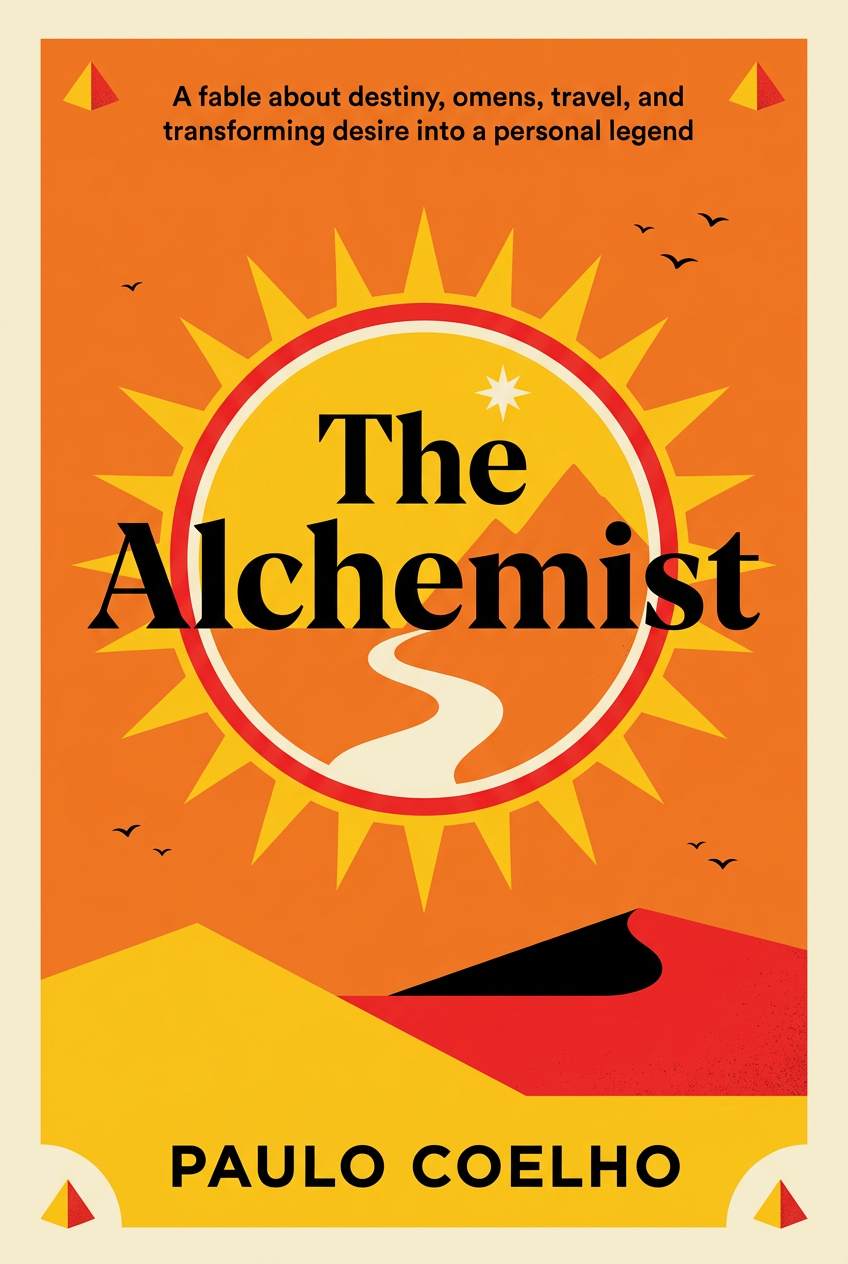
Paulo Coelho's allegorical masterpiece, The Alchemist, beautifully illustrates this journey. The book's central concept is the "Personal Legend," which represents the true purpose you were meant to fulfill. The protagonist, a young shepherd, is called to leave his comfortable life to pursue this legend. His journey is filled with trials, setbacks, and moments of profound learning. The story teaches that your spiritual path is unique to you. It requires courage to answer the call, intuition to navigate the way (learning the "language of omens"), and resilience to overcome the inevitable fears and challenges that arise.
Personal Freedom Through Integrity
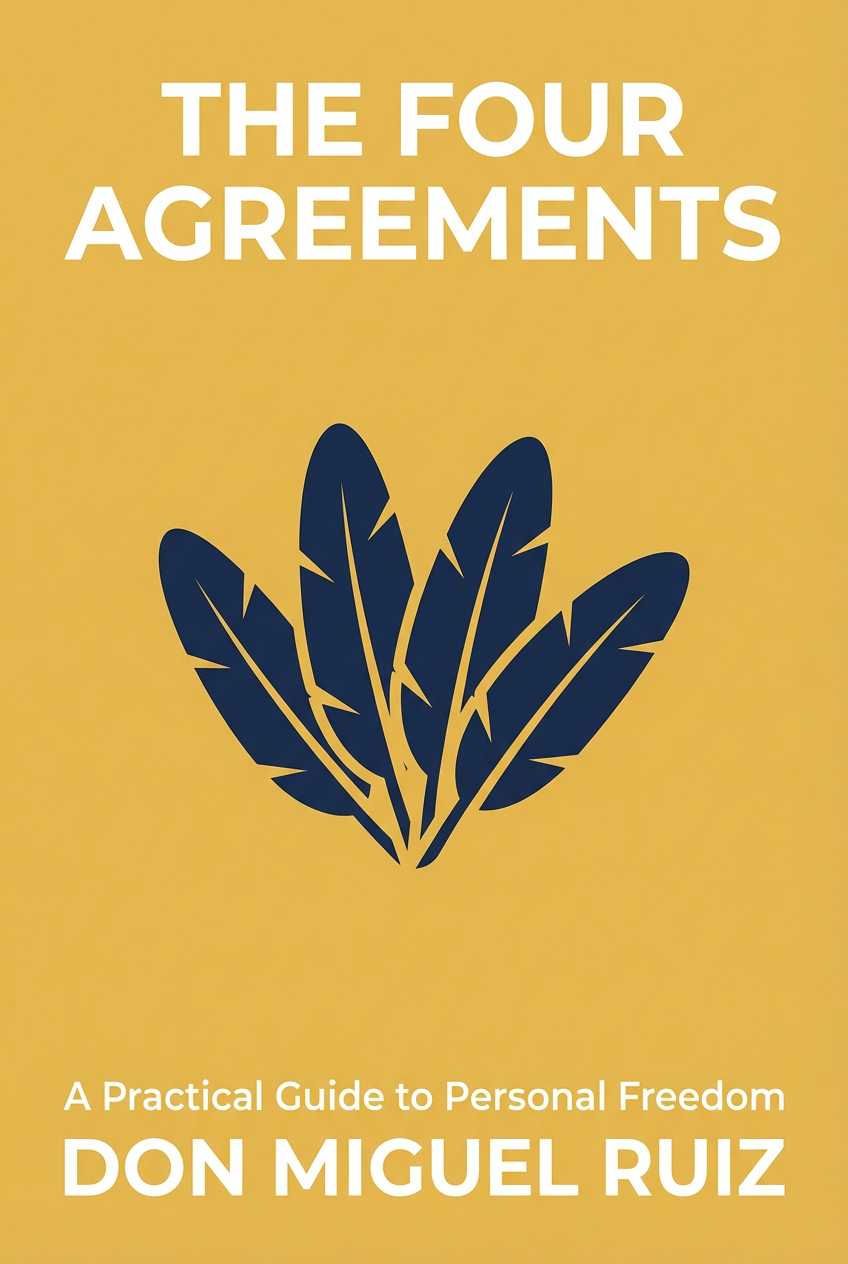
Your spiritual journey is deeply influenced by your internal belief system—the stories you tell yourself about who you are and how the world works. In The Four Agreements, Don Miguel Ruiz explains that from birth, we are "domesticated" by society, family, and culture into a collective "dream." Many of the agreements in this dream are fear-based and limit our potential for joy and freedom.
Ruiz offers four powerful new agreements to replace the old ones and reclaim your personal power. The first, "Be Impeccable With Your Word," is a cornerstone of spiritual practice. It recognizes that your words have creative power—to either build yourself and others up or tear them down. Paired with the second agreement, "Don't Take Anything Personally," it becomes a profound tool for achieving inner peace. When you understand that others' words and actions are a projection of their own dream, not a reflection of your worth, you become immune to needless suffering.
How to Practice Spirituality: Integrating Insights from Spirituality Self Help Books
Understanding spiritual concepts is one thing; living them is another. The beauty of spirituality in everyday life is that it doesn't require you to retreat from the world. Instead, it invites you to engage with it more fully and consciously. Here are some practical ways to begin, drawing on the wisdom from these influential works.
Simple Meditation Practices
Meditation is the foundational training ground for mindfulness. It doesn't have to be complicated. You can begin with a simple breath-awareness meditation practices. Find a quiet place to sit for five minutes. Close your eyes and bring your full attention to the sensation of your breath entering and leaving your body. When your mind wanders (which it will), gently and without judgment, guide your focus back to your breath. This simple act trains your attention and creates a space between you and your thoughts, a core teaching in The Power of Now.
Starting a Gratitude Practice
Gratitude is a powerful antidote to negativity and a cornerstone of joy, as highlighted in The Book of Joy. A gratitude practice shifts your focus from what's wrong in your life to what's right. Before you go to bed each night, write down three specific things you were grateful for that day. It could be as simple as the warmth of the sun, a kind word from a stranger, or a task you completed successfully. This practice rewires your brain to scan for the positive, transforming your entire perception of reality.
Mindful Communication
Your relationships are a rich field for spiritual practice. By applying Don Miguel Ruiz's wisdom from The Four Agreements, you can transform how you interact with others. Practice being "impeccable with your word." Before you speak, ask yourself: Is it true? Is it kind? Is it necessary? This pause can prevent immense conflict and misunderstanding. Simultaneously, practice not taking things personally. When someone is critical or unkind, remind yourself that it is a reflection of their inner state, not a statement about your fundamental worth.
Identifying Your Personal Legend
As The Alchemist suggests, part of the spiritual journey is discovering and honoring your unique purpose. For many, this can feel like an intimidating task, but you can start small. Take some time for quiet reflection and ask yourself questions that reconnect you with your authentic self. What did you love doing as a child, before the world told you who you should be? What activities make you lose all track of time? Your "Personal Legend" often whispers through your joys and passions. The first step is simply learning to listen.
Ultimately, the path of spirituality is a return to yourself. It's a journey of shedding the layers of conditioning and fear to uncover the peace, wisdom, and compassion that lie at your core. While the journey is your own, you don't have to walk it alone. The wisdom contained in these and many other spiritual guides can act as a trusted friend, illuminating the path and reminding you that the destination you seek is already within you.
Master key ideas in 15 minutes
Listen to audio summaries of these books on VoxBrief
Download Free