What Are the Best Conversationalist Books? A Guide to Better Dialogue
By VoxBrief Team··7 min read
Do you ever find yourself in a conversation, nodding along, but your mind is a million miles away? Or perhaps you dread the awkward silence that inevitably falls after the initial pleasantries at a networking event. If so, you're not alone. Many of us feel that our ability to connect with others through dialogue is rusty, if not broken. The good news is that being a great conversationalist isn't an innate talent reserved for a select few; it's a skill that can be learned, practiced, and mastered. This article serves as an introduction to the art of conversation, drawing on profound insights from authors who have dedicated their lives to decoding human connection.
We will explore the core principles that transform mundane small talk into meaningful dialogue. By understanding these fundamentals, you can begin your journey toward more confident, engaging, and rewarding interactions in every area of your life.
Understanding the Art of Conversation: Why It Matters
So, what is the art of conversation, really? It's more than just exchanging information. At its heart, it is the practice of creating a shared space of mutual understanding and respect. It’s a dance of speaking and listening, of giving and receiving, where the goal isn't to win an argument or to impress, but to connect with another human being. The art of conversation explained simply is the act of being present with another person.
Why is the art of conversation important? In our increasingly digital world, genuine human connection is more valuable than ever. Strong conversational skills are the bedrock of personal relationships, allowing us to build intimacy and trust with friends and family. Professionally, they are a superpower, enabling effective collaboration, leadership, and networking. Mastering this skill can reduce social anxiety, boost confidence, and open doors to opportunities you never thought possible. Learning it isn't just a social nicety; it's a fundamental investment in your personal and professional well-being.
Core Pillars of Great Conversations
To truly improve your conversational abilities, it helps to break the skill down into its core components. Drawing from the wisdom of leading communication experts, we can identify several pillars that support every meaningful interaction. These pillars are not just a list of 'what to do' but a framework for changing how you approach dialogue itself.
The Mindset Shift: From Ego to Empathy
Before you utter a single word, the most profound change you can make is internal. Many of us enter conversations with a self-focused agenda: What should I say next? Do I sound smart? What story can I tell? This approach, rooted in ego, is the primary obstacle to connection.
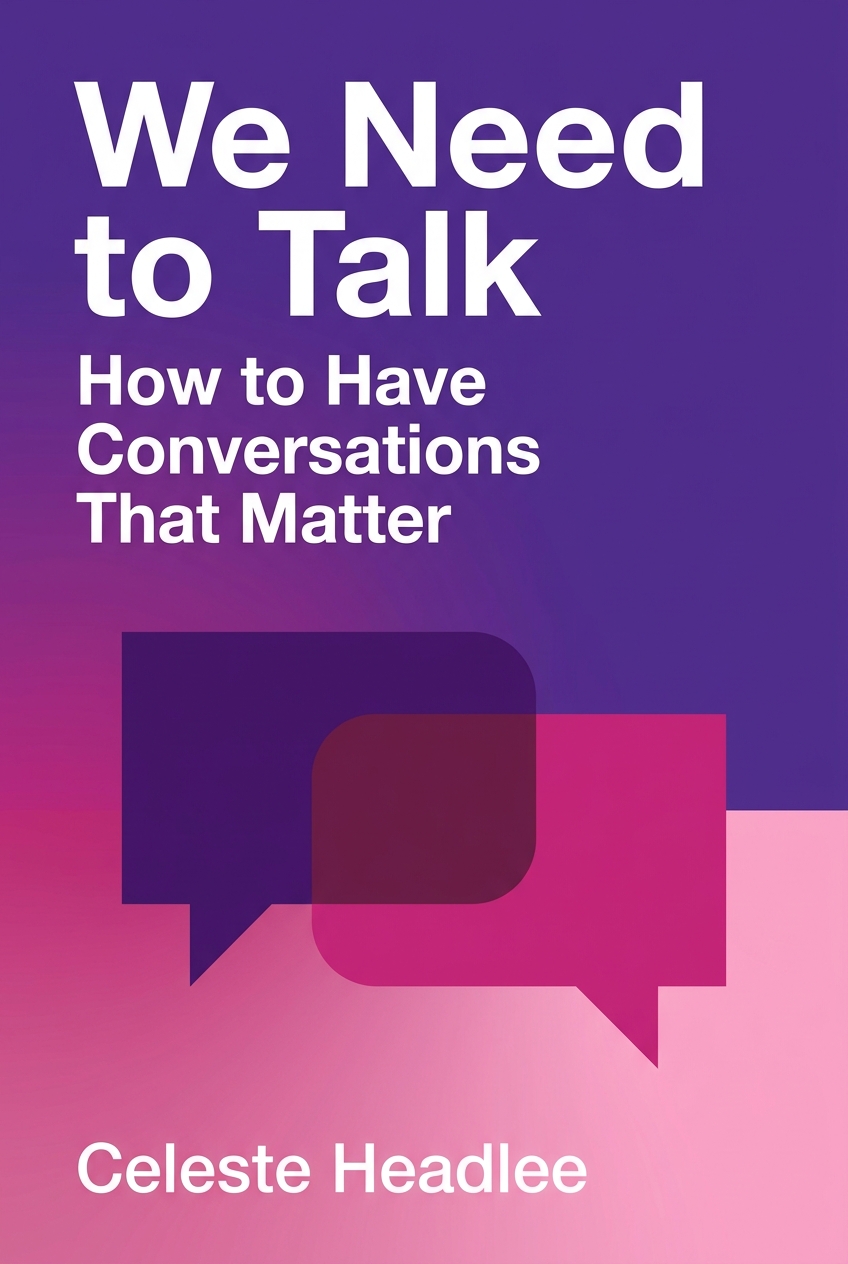
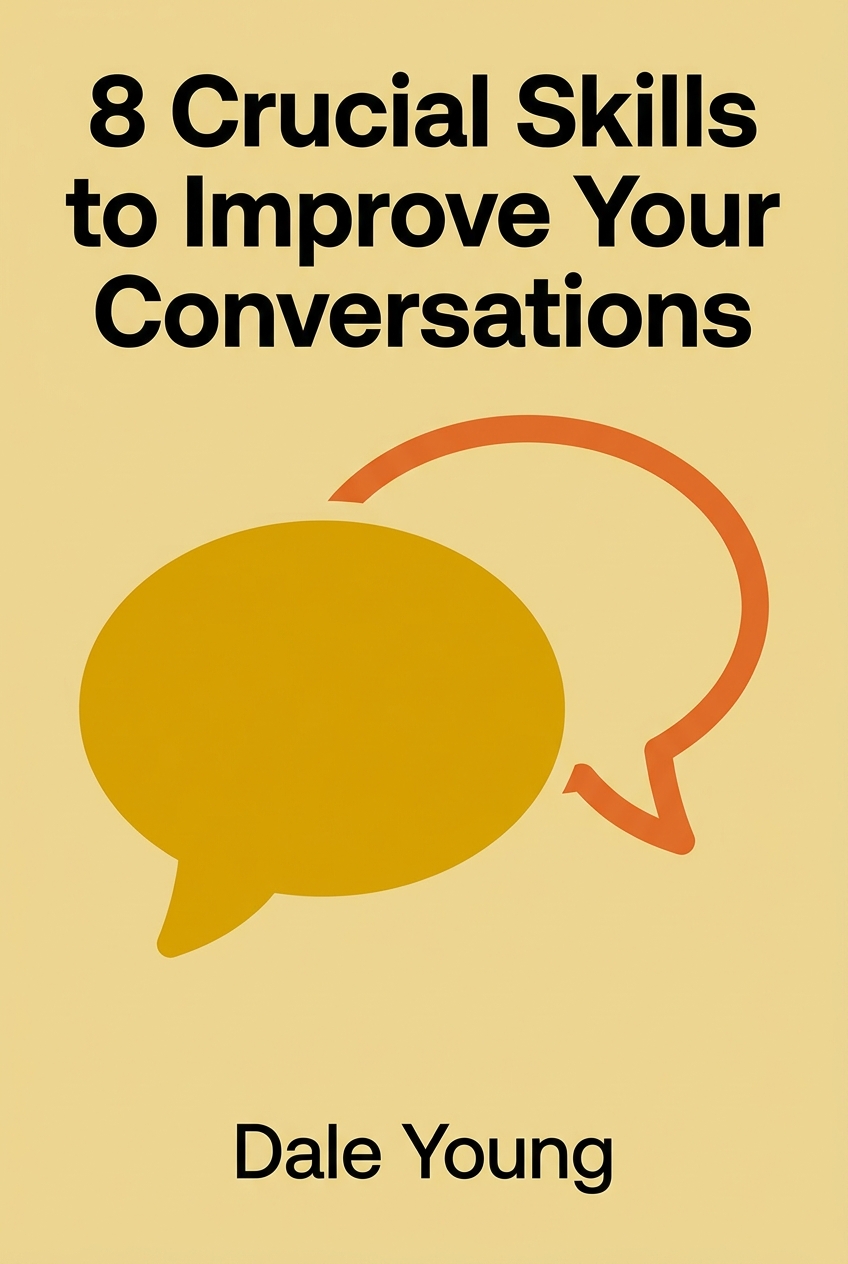
In her book We Need to Talk, Celeste Headlee argues for a foundational mindset shift. She points out that most of us blame failed conversations on others, but the real issue often lies in our own perspective. The key is to stop focusing on yourself and start focusing on the other person. This is about cultivating genuine curiosity and consideration. Similarly, Dale Young's 8 Crucial Skills to Improve Your Conversations emphasizes that great communication begins with an internal shift, seeing it as a learnable skill and cultivating a genuine interest in others. This serves as a vital introduction to the art of conversation for anyone starting out. When your goal changes from 'being interesting' to 'being interested,' the entire dynamic of the conversation transforms.
The Power of True Listening
We often think of conversation as being about talking, but its most critical component is listening. However, as Celeste Headlee explains, most of us don't listen to understand; we listen to reply. We're simply waiting for our turn to speak, formulating our response while the other person is still talking. This isn't true listening—it's mental multitasking, and it kills connection.
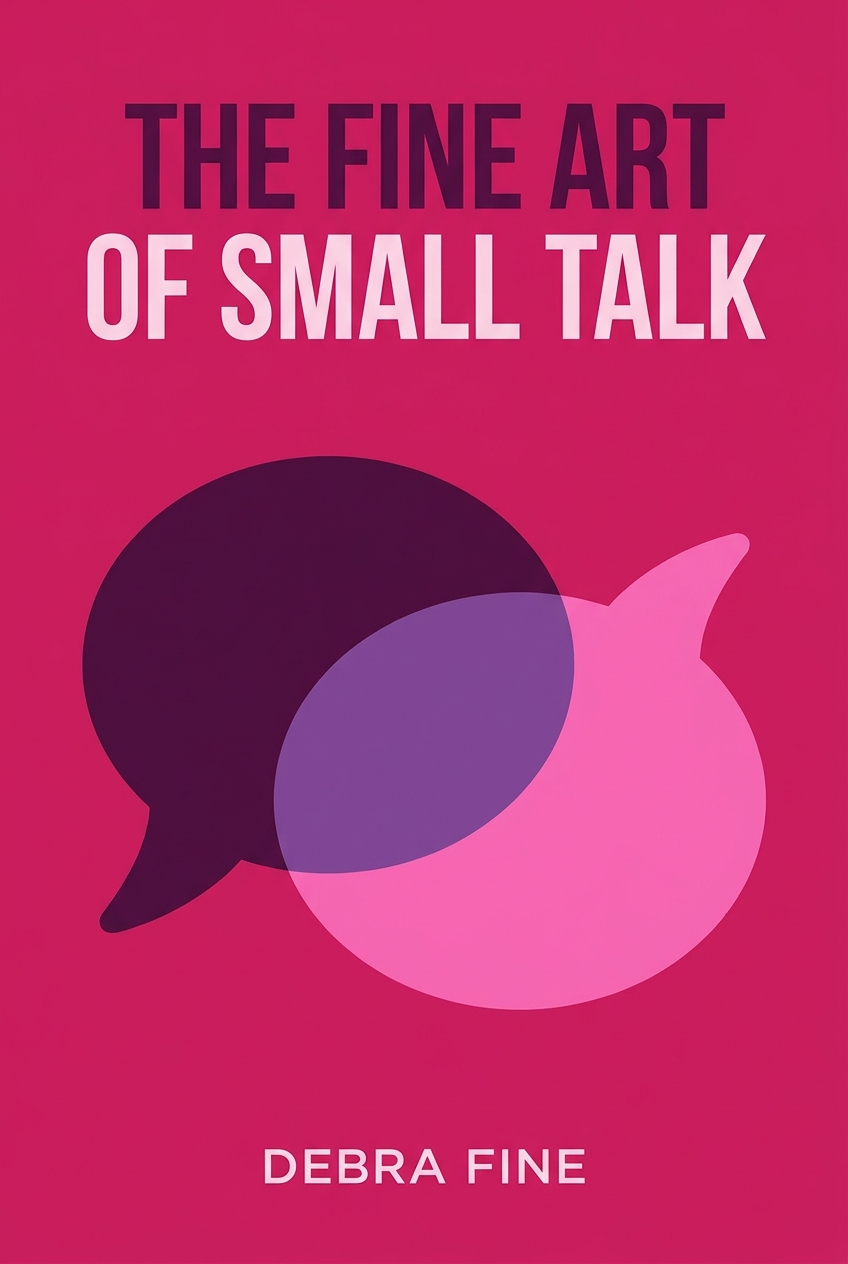
True, active listening is a full-body sport. It means putting away distractions (especially your phone), making eye contact, and focusing entirely on what the other person is saying, both verbally and non-verbally. In The Fine Art of Small Talk, Debra Fine illustrates this with the concept of becoming an active listener. It's not about being silent; it's about providing feedback that shows you're engaged, such as asking clarifying questions or offering brief affirmations like "I see" or "That makes sense." This simple act makes the speaker feel heard and valued, which is the foundation of rapport.
Asking Better Questions to Build Bridges
Once you’ve adopted an empathetic mindset and committed to active listening, the tool you use to build bridges is the question. The right question can turn a dull, surface-level chat into a fascinating exploration of another person's world. The wrong question, however, can stop a conversation in its tracks.
Debra Fine warns against closed-ended questions that can be answered with a simple "yes" or "no." Instead, she advocates for open-ended questions that invite stories and opinions, such as "What was the most challenging part of that project?" or "What are you passionate about outside of work?"
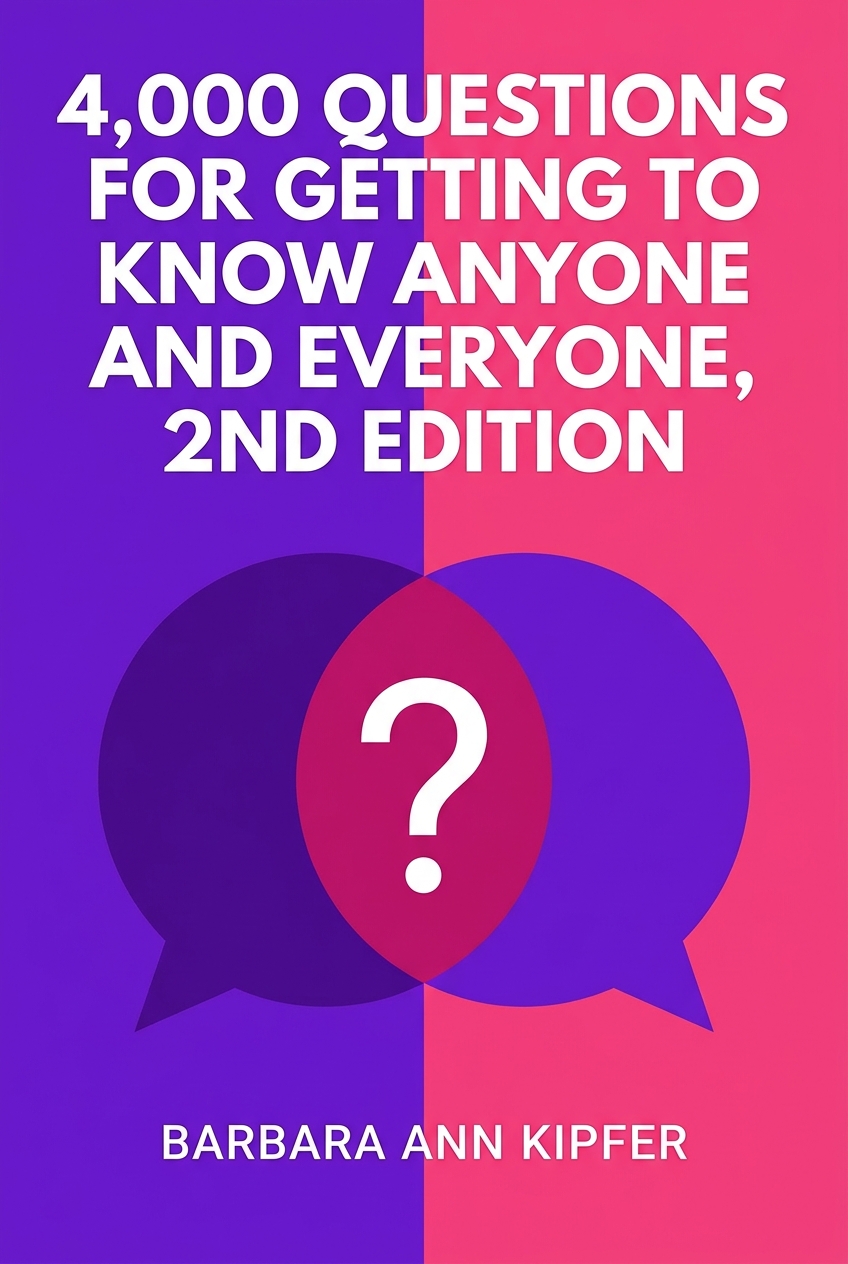
Barbara Ann Kipfer takes this idea to its ultimate conclusion in 4,000 Questions for Getting to Know Anyone and Everyone. Her work is built on the premise that curiosity is the engine of intimacy. The book provides a powerful framework for moving from small talk to real talk by using intentional questions. It’s not about interrogating someone, but about offering invitations for them to share their experiences, values, and dreams. A thoughtful question signals that you are interested in who they are, not just what they do.
Navigating Unfamiliar Topics with Confidence
One of the biggest fears for many aspiring conversationalists is being drawn into a topic they know nothing about. What do you do when the discussion turns to macroeconomics, quantum physics, or geopolitical strategy? Do you stay silent and feel inadequate?
In How to Talk to Anyone About Anything, James W. Williams offers a powerful solution. He argues that you don't need to be an expert on everything to be a great conversationalist. The key is not to pretend you know more than you do but to master the art of the argument and inquiry. Williams provides a framework for navigating unfamiliar topics by asking intelligent questions, identifying the core logic of an argument, and contributing thoughtful perspectives without needing to be an expert. For instance, instead of shutting down, you can say, "That's a fascinating point. Can you help me understand how that policy impacts the average person?" This approach transforms your lack of knowledge from a weakness into a tool for deepening the conversation and learning something new.
Finding the Best Conversationalist Books for Your Goals
Improving your conversational skills is a journey, and different people have different starting points and destinations. The vast library of communication advice can feel overwhelming, but you can narrow your focus by identifying your specific needs. Understanding whether you need help with the basics or are ready for more advanced techniques will help you apply the right principles. The best conversationalist books are the ones that address your unique challenges.
For Beginners: Mastering Small Talk and First Impressions
If you're at the beginning of your journey, perhaps facing social anxiety or simply feeling out of practice, your focus should be on building a solid foundation. This is where mastering first impressions and small talk becomes essential. Many people dismiss small talk as trivial, but as Dale Young points out in 8 Crucial Skills, it is the necessary doorway to deeper connection. You can't get to profound dialogue without first building initial rapport.
For those who find themselves waiting for others to initiate, The Fine Art of Small Talk provides a crucial piece of advice: own the interaction. Debra Fine encourages readers to take responsibility for starting conversations. This simple mental flip from passive participant to active initiator can be transformative. The principles in these guides offer a perfect curriculum on the art of conversation for beginners, providing actionable tips for breaking the ice, keeping a conversation going, and, just as importantly, making a graceful exit.
For Deeper Connections: Moving Beyond the Surface
Perhaps you're already comfortable with small talk but find your conversations rarely move beyond surface-level topics. Your goal is to foster deeper, more meaningful connections at work, with friends, or in your romantic life. This requires a different set of skills focused on vulnerability, intimacy, and sustained attention.
Here, the work of authors like Celeste Headlee and Barbara Ann Kipfer becomes invaluable. Headlee's We Need to Talk challenges you to have "conversations that matter" by being more honest, brief, and focused on understanding rather than winning. It's about creating a space where others feel safe enough to be authentic. Kipfer's 4,000 Questions provides the literal tools to navigate this. Her framework on moving from acquaintance to intimacy through strategic inquiry shows how asking vulnerable questions (after establishing trust) can forge powerful, lasting bonds. This advanced stage is about using conversation not just to meet people, but to truly know them.
Conclusion: Your Journey to Connection
Becoming a great conversationalist is not about memorizing clever lines or faking a charismatic personality. It is a journey of turning your focus outward. The common thread woven through the wisdom of these experts is a simple, powerful idea: be present, be curious, and be considerate. It begins with the mindset that the person in front of you is fascinating, followed by the discipline of true listening, and powered by the courage to ask genuine questions.
This path requires practice. Each conversation is an opportunity to hone your skills—to listen a little more deeply, to ask a slightly better question, to resist the urge to interrupt. By applying these principles consistently, you will not only improve your conversations but also enrich your relationships and deepen your connection to the world.
Master key ideas in 15 minutes
Listen to audio summaries of these books on VoxBrief
The art of conversation is the skill of engaging in thoughtful, balanced, and meaningful dialogue with others. It involves a mix of speaking clearly, listening actively, asking insightful questions, and showing genuine curiosity to build connection and understanding.
This skill is crucial because it's the foundation of all human relationships, both personal and professional. Meaningful conversations build trust, foster collaboration, deepen intimacy, and help us feel understood and connected to the world around us.
You can learn by focusing on foundational skills like active listening, asking open-ended questions, and managing your own mindset before you speak. Reading some of the best conversationalist books provides structured techniques and practical exercises to accelerate your journey.
Learning this art empowers you to navigate social situations with confidence, build a stronger professional network, and enjoy more rewarding personal interactions. It transforms communication from a source of anxiety into an opportunity for growth and genuine connection.