What Are Great Intellectual Books? A Guide to Thought-Provoking Reads
By VoxBrief Team··5 min read
Ever finish a book and feel like your brain has been rewired? That's the power of reading thought-provoking material. These aren't just books; they are mental gyms, designed to stretch, challenge, and strengthen your understanding of the world. In this guide, we'll explore the world of great intellectual books, moving beyond simple entertainment to uncover texts that offer profound insights and practical frameworks for thinking more clearly and living more intentionally. This is a journey for anyone, from curious beginners to seasoned professionals, looking to deepen their knowledge.
Why Engaging with Great Intellectual Books Matters
So, why is thought provoking important? In a world saturated with fleeting information and hot takes, engaging with deep, foundational ideas is more crucial than ever. These books provide the tools to cut through the noise. They challenge our inherent biases and automatic responses, forcing us to engage in more deliberate, critical thinking.
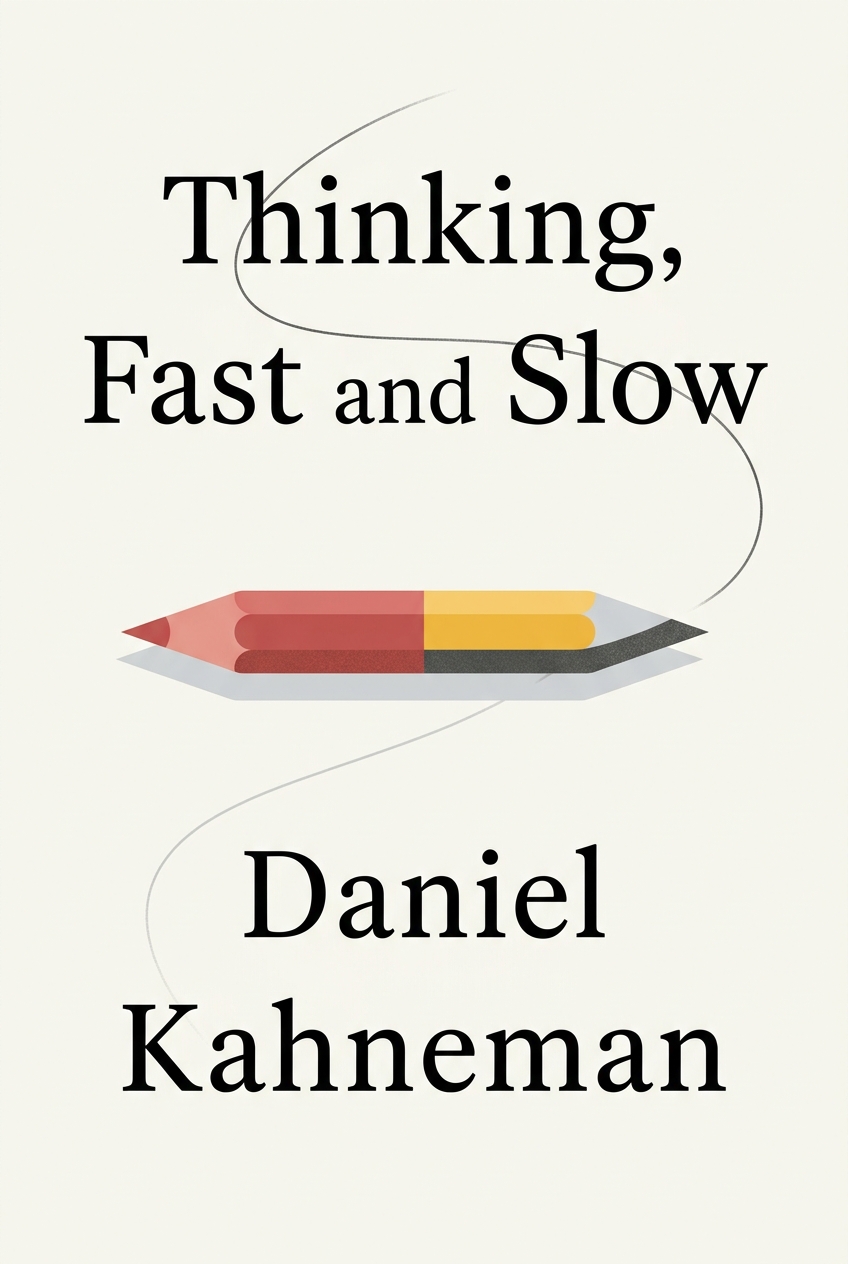
This process is perfectly described by Nobel laureate Daniel Kahneman in his book Thinking, Fast and Slow. He introduces the concept of two mental systems: the fast, intuitive, and error-prone "System 1," and the slow, deliberate, and logical "System 2." Most of our daily life is run by System 1. Reading challenging books is a direct invitation to activate System 2. They force us to slow down, question our assumptions, and build a more robust and nuanced understanding of complex topics, a skill invaluable both for students and for professionals at work.
Unlocking Human History and Behavior Through Reading
Many of the most profound books don't just present facts; they offer new lenses through which to view humanity itself. They help us understand our past, decode our present, and navigate our social world with greater wisdom.
The Power of Shared Stories
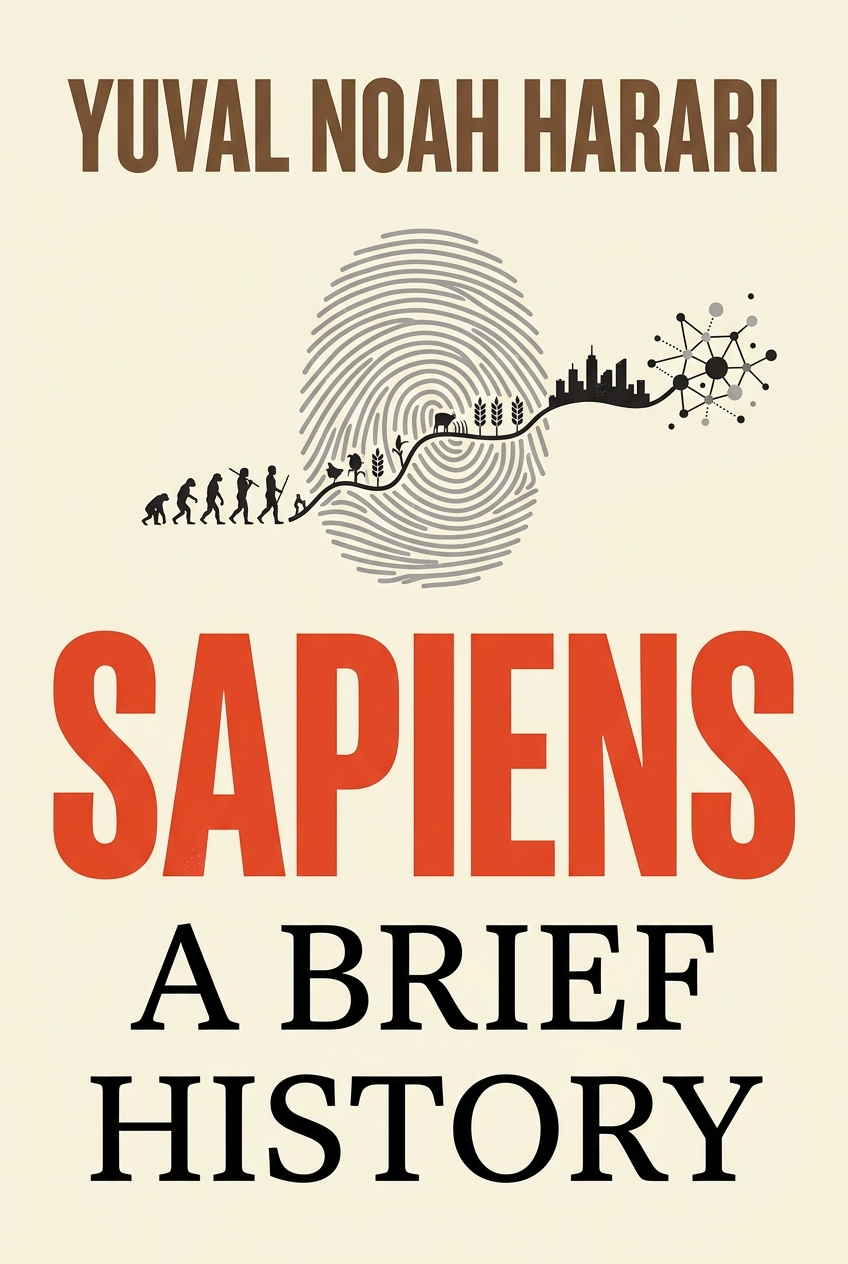
Have you ever wondered how Homo sapiens, once an insignificant ape, came to dominate the planet? In his seminal work Sapiens: A Brief History of Humankind, historian Yuval Noah Harari argues that our secret weapon was not fire or tools, but a cognitive revolution that allowed us to believe in "shared fictions." These are things that don't exist in objective reality but that we collectively agree to accept, like money, nations, laws, and corporations.
This ability to cooperate flexibly in large numbers by believing in common stories is what allowed us to build cities, empires, and the modern world. Understanding this concept is a powerful thought-provoking technique that works; it changes how you see everything from a dollar bill to a company's mission statement. They are all expressions of our unique human ability to create and sustain collective realities through narrative.
Decoding the People Around You
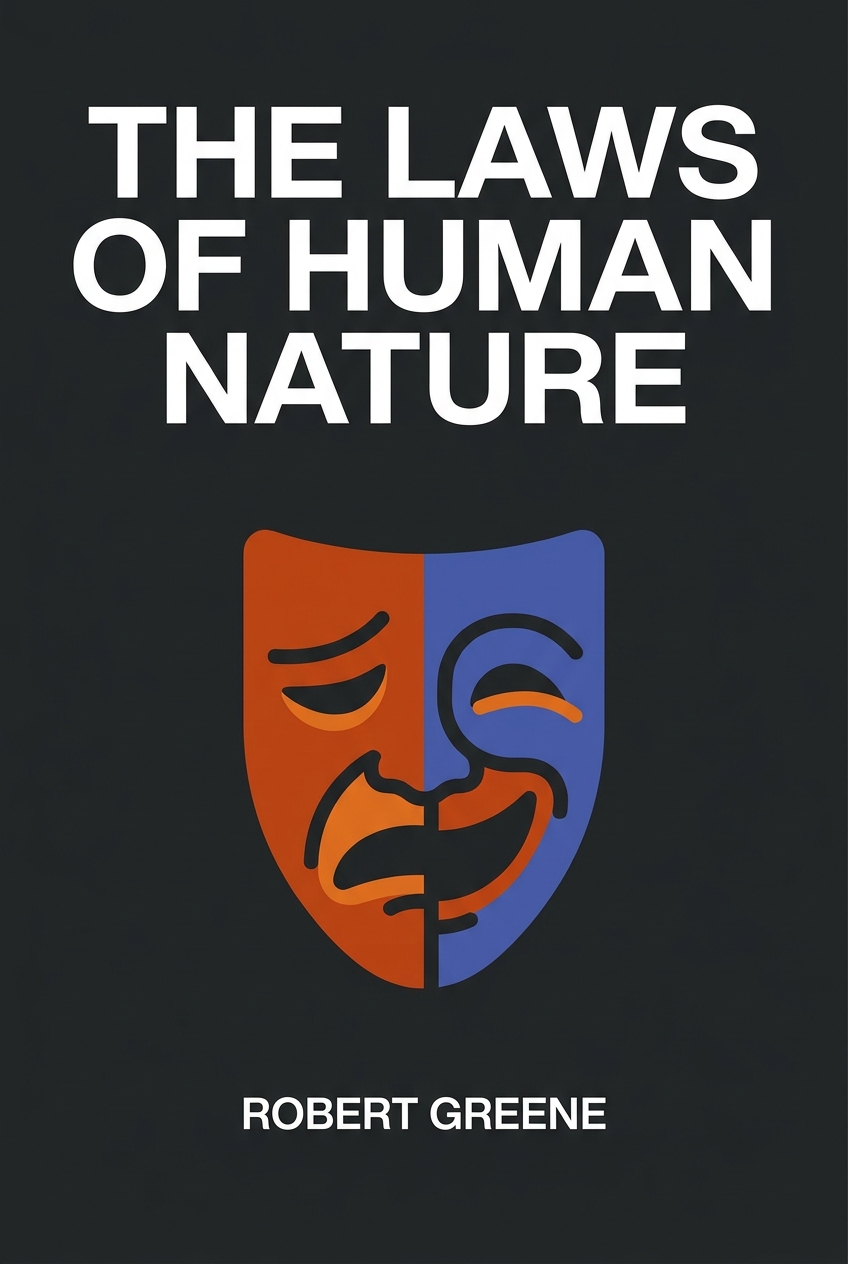
While Sapiens explains our collective behavior, other great books dive into the individual. Robert Greene’s The Laws of Human Nature serves as a practical manual for understanding the hidden drivers of human action. Greene argues that we are often blind to people's true motivations, including our own, because everyone wears a "social mask." We project an image of confidence, agreeableness, and rationality, while deeper forces—such as insecurity, narcissism, and repressed emotions—are really pulling the strings.
Learning to see through these façades isn't about cynicism; it's about developing emotional intelligence and empathy. By paying attention to nonverbal cues, patterns of behavior, and moments when the mask slips, we can better navigate social and professional environments. This is one of the most effective thought-provoking tips for professionals: understand the difference between what people say and what they mean to achieve better collaboration and avoid unnecessary conflict.
Building a Framework for a Better Future
Beyond understanding where we've come from and who we are, intellectual books equip us with the frameworks to build a better future. They offer pathways to optimism, meaning, and personal growth, grounded not in wishful thinking but in reason and psychological insight.
The Data-Driven Case for Optimism
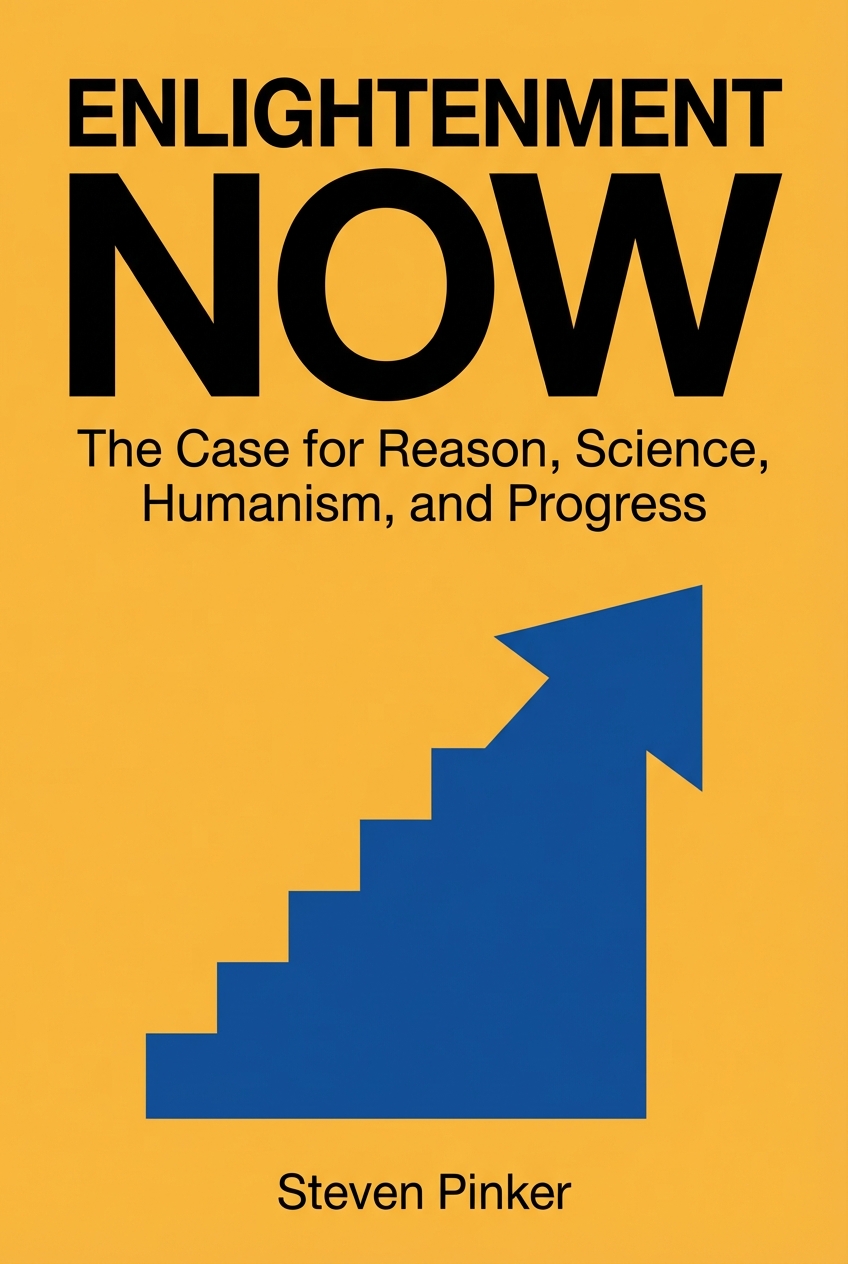
If you primarily get your news from headlines and social media, it's easy to feel like the world is collapsing. But is that the whole story? In Enlightenment Now, cognitive psychologist Steven Pinker makes a compelling, data-backed argument that it’s not. He shows that, by almost every objective measure—from health and longevity to safety, wealth, and happiness—life for the average human has improved dramatically over the past few centuries.
Pinker argues that our psychological biases, like the negativity bias (our tendency to focus on bad news), blind us to this incredible progress. His solution is a recommitment to the values that got us here: reason, science, and humanism. This is how to develop thought provoking mindsets: learn to look past the daily outrage cycle and analyze long-term trends. It's a powerful antidote to cynicism and a call to continue the work of progress.
Finding Meaning in a Modern World
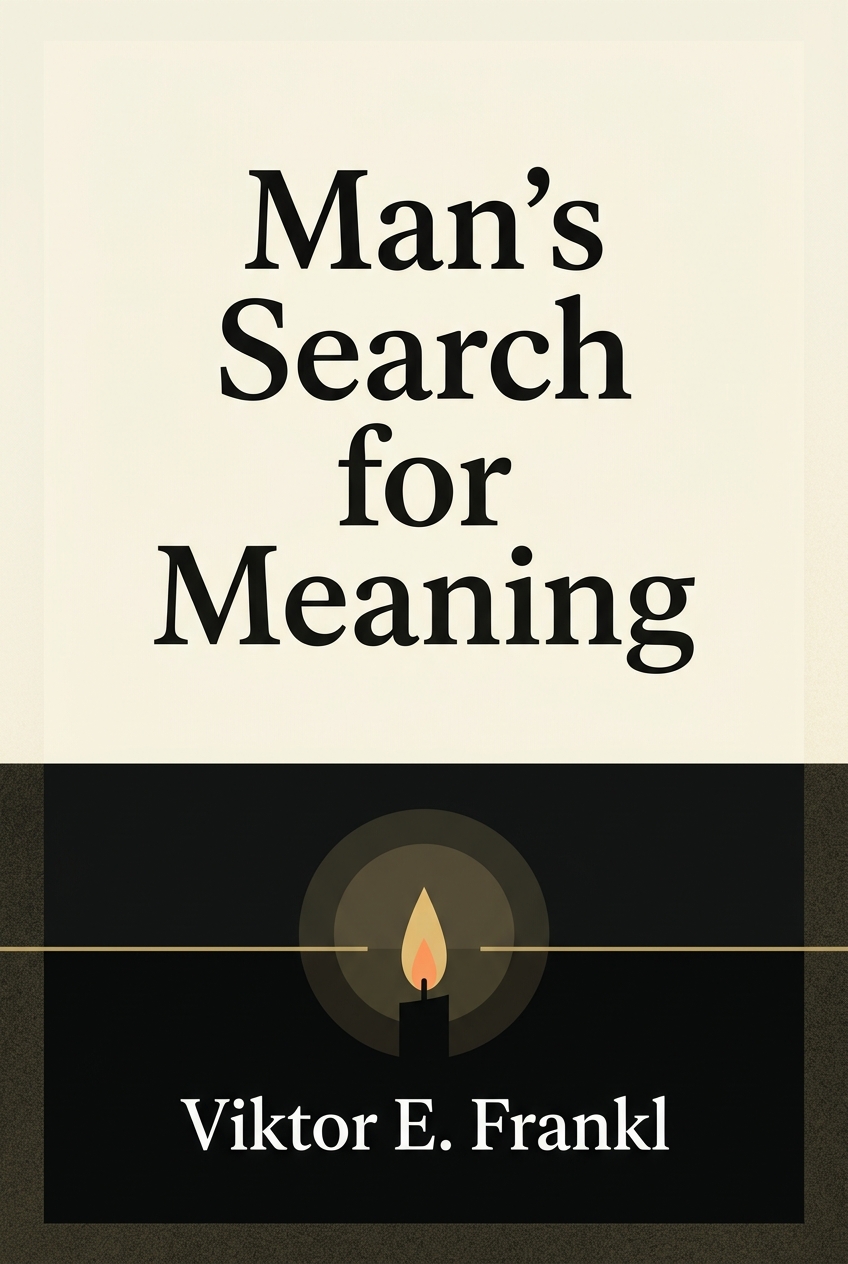
Perhaps the most profound human question is how to live a meaningful life, especially in the face of suffering. Psychiatrist Viktor Frankl addresses this head-on in Man's Search for Meaning, a book born from his experiences in Nazi concentration camps. Frankl's central discovery was what he called "the last of the human freedoms"—the ability to choose one's attitude in any given set of circumstances.
Even when stripped of everything, he observed that inmates who found a reason to live—a loved one to see again, a work to complete, a purpose to serve—were more likely to survive. After the war, he saw the same search for meaning playing out in his patients, who suffered from what he termed an "existential vacuum." Frankl's answer, known as Logotherapy, wasn't to pursue happiness directly, but to find meaning through creative work, through love, and through the attitude we take toward unavoidable suffering. This provides a powerful framework for anyone, whether a student facing exams or an entrepreneur facing a setback, to turn struggle into a source of strength.
How to Develop Thought-Provoking Habits
Reading these books is just the first step. The real transformation comes from integrating their ideas into your daily life. This is how to build thought provoking skills that last a lifetime.
Daily Thought-Provoking Practices
Developing a more intellectual mindset isn't about having a high IQ; it's about cultivating specific habits. Start by practicing active curiosity. When you encounter a new idea, don't just accept it. Ask yourself: Is this true? What are the underlying assumptions? How does this connect to other things I know?
Another powerful practice is to look for the "systems" behind events. Instead of just reacting to a news story, think about the underlying structures—social, economic, psychological—that produced it. This is a core daily thought provoking practice that shifts your perspective from reactive to analytical.
Starting Your Journey: A Practical Approach
The idea of tackling dense, intellectual books can be intimidating, especially for beginners. The key is to start smart. You don’t need to read them cover-to-cover overnight. Platforms like VoxBrief are perfect for thought provoking for beginners, offering concise summaries that distill the core ideas of these complex works.
Listen to a summary on your commute, then spend a few minutes reflecting on one key idea. Discuss it with a friend or colleague. The goal is consistency, not intensity. By making engagement with big ideas a small but regular part of your routine, you create a powerful flywheel for intellectual growth. Before you know it, you'll have built a library of mental models that will enrich every aspect of your life.
Master key ideas in 15 minutes
Listen to audio summaries of these books on VoxBrief
It challenges our ingrained beliefs and mental shortcuts. As Daniel Kahneman explains in *Thinking, Fast and Slow*, our minds prefer the easy path of 'System 1' thinking, making the deliberate effort of 'System 2' feel difficult and unnatural at first.
Start small with daily thought provoking practices, like reading for just 15 minutes or listening to a book summary during your commute. Building a habit is key; consistency matters more than volume, so try linking it to an existing routine, like your morning coffee.
It's far more of a skill than a raw talent. While some people may have a natural curiosity, the ability to think critically and deeply is developed through practice and is a key difference in the thought provoking vs talent debate. Engaging with great intellectual books is one of the most effective ways to build this mental muscle over time.