The dream of financial security is nearly universal, but the path to achieving it can feel confusing and out of reach. For many, the first step on this journey is simple: opening a book. The right knowledge can transform your financial life, and this guide explores the core principles found in the best books on becoming rich. We won't just list titles; we'll delve into the foundational wealth strategies and mindset shifts they teach, providing a roadmap for anyone ready to take control of their financial destiny, including insights from history that reveal the hidden rules of wealth itself.
What is Wealth and Why Is It So Important?
Before diving into strategy, we must first answer a fundamental question: what is wealth? Many people equate it with being a millionaire or having a high income, but true wealth is about something more profound: freedom. Wealth is owning assets that generate income, giving you the freedom to choose how you spend your time, the security to weather life's storms, and the opportunity to pursue your passions without being solely dependent on a paycheck.
Why is wealth important? Because it provides agency over your own life. For millennials trying to navigate a complex economy or anyone in their 20s planning for the future, building wealth is not an act of greed; it's an act of self-empowerment. It's the difference between a life of obligation and a life of choice. This requires a crucial mindset shift—from thinking like an earner to thinking like an owner. The goal is to make your money work for you, not the other way around.
This journey is accessible to everyone. The principles of wealth for beginners are not complex secrets guarded by the elite. They are simple, repeatable actions and habits that, when applied consistently over time, can lead to extraordinary results.
Core Lessons From the Best Books On Becoming Rich
Beyond simple budgeting and investing tips, the most powerful books about creating wealth teach you to see the world through a different lens. They reveal that wealth building is as much about understanding systems and human psychology as it is about mastering financial instruments. By examining insights from history, we can uncover timeless lessons on how wealth is truly created and protected.
Understand the System: The Unseen Rules of the Game
One of the most profound wealth tips has nothing to do with stocks or bonds; it's about understanding the rules of the system you operate in. In his landmark book, The Color of Law, Richard Rothstein provides a stunning example of this. He meticulously details how explicit government policies, not just private actions, were the architects of residential segregation in America. This system effectively locked entire generations of African Americans out of the primary engine of middle-class wealth building: home equity. Rothstein argues this created a multi-generational wealth gap that persists today.
The takeaway for an aspiring investor is not one of despair, but of strategic awareness. Wealth isn't built in a vacuum. It's influenced by tax codes, housing policies, inflation, and federal regulations. To successfully build wealth, you must become a student of these systems. This knowledge allows you to identify opportunities, avoid state-sponsored pitfalls, and make informed decisions rather than simply follow the herd.
Embrace Personal Agency: Become Your Own Financial Leader
While systems are powerful, individual choice remains the ultimate catalyst for financial change. Isabel Wilkerson's The Warmth of Other Suns offers a powerful metaphor for this principle. She chronicles the Great Migration, where six million Black Americans chose to leave the oppressive economic and social system of the Jim Crow South. This was not an organized movement with a designated leader; Wilkerson describes it as a "leaderless revolution," the sum of six million individual decisions to seek opportunity and agency.
This is precisely the mindset required for wealth building. No one is going to do it for you. You must become the leader of your own financial migration, choosing to move from a state of financial uncertainty to one of possibility. This act of agency involves creating a budget, paying down debt, and making your first investment, even if it’s small. These are your personal votes for a better financial future. For those wondering how to start wealth with little money, the answer begins with this profound decision to take control.
Cultivate Millionaire Habits for Long-Term Success
Success in finance is rarely the result of one brilliant move; it's the product of small, disciplined habits repeated over decades. This is one of the most consistent themes in financial literature. These 'millionaire habits' include living below your means to create a gap between what you earn and what you spend, automating your savings and investments so progress happens without constant effort, and dedicating time to your financial education.
One of the most potent rewards for these habits is the magic of compound interest. It's the process where your investment earnings begin to generate their own earnings, creating a snowball effect that can turn modest, consistent contributions into a substantial nest egg over time. Embracing these habits transforms wealth building from a stressful, active pursuit into a calm, automatic process that works for you in the background while you live your life.
Foundational Wealth Strategies for Beginners
With the right mindset in place, you can begin implementing the core strategies that form the bedrock of financial freedom. The best wealth strategy for beginners is one that is simple, sustainable, and grounded in proven principles. Avoid complexity and focus on mastering the fundamentals.
The Starting Point: Avoiding Common Wealth Mistakes
Before you can build, you must ensure your foundation is solid. The first step for anyone starting their journey is to understand and avoid the most common wealth mistakes to avoid. Chief among them are consumer debt and lifestyle inflation. High-interest debt, like credit card balances, actively works against you, canceling out investment gains and draining your income. Prioritizing its elimination is non-negotiable.
Lifestyle inflation is the tendency to increase your spending as your income rises. This is what keeps people on the financial treadmill, earning more but never actually building wealth. The solution is simple but not easy: when you get a raise, intentionally save and invest the majority of the increase rather than upgrading your lifestyle. This single habit is one of the most powerful accelerators of financial independence.
The Engine of Growth: Asset Allocation and Compounding
Once your financial foundation is secure, it's time to put your money to work. The primary goal is to own assets—things that have the potential to grow in value or produce income. This is the essence of wealth building. For beginners, the most accessible way to do this is by investing in the stock market through low-cost index funds.
This leads to the principle of asset allocation, which is simply the practice of diversifying your investments across different asset types (like stocks and bonds) to manage risk. It’s the financial equivalent of not putting all your eggs in one basket. By owning a small piece of many companies through an index fund, you spread out your risk and benefit from the overall growth of the economy.
The Investor's Mindset: Questioning the Narrative
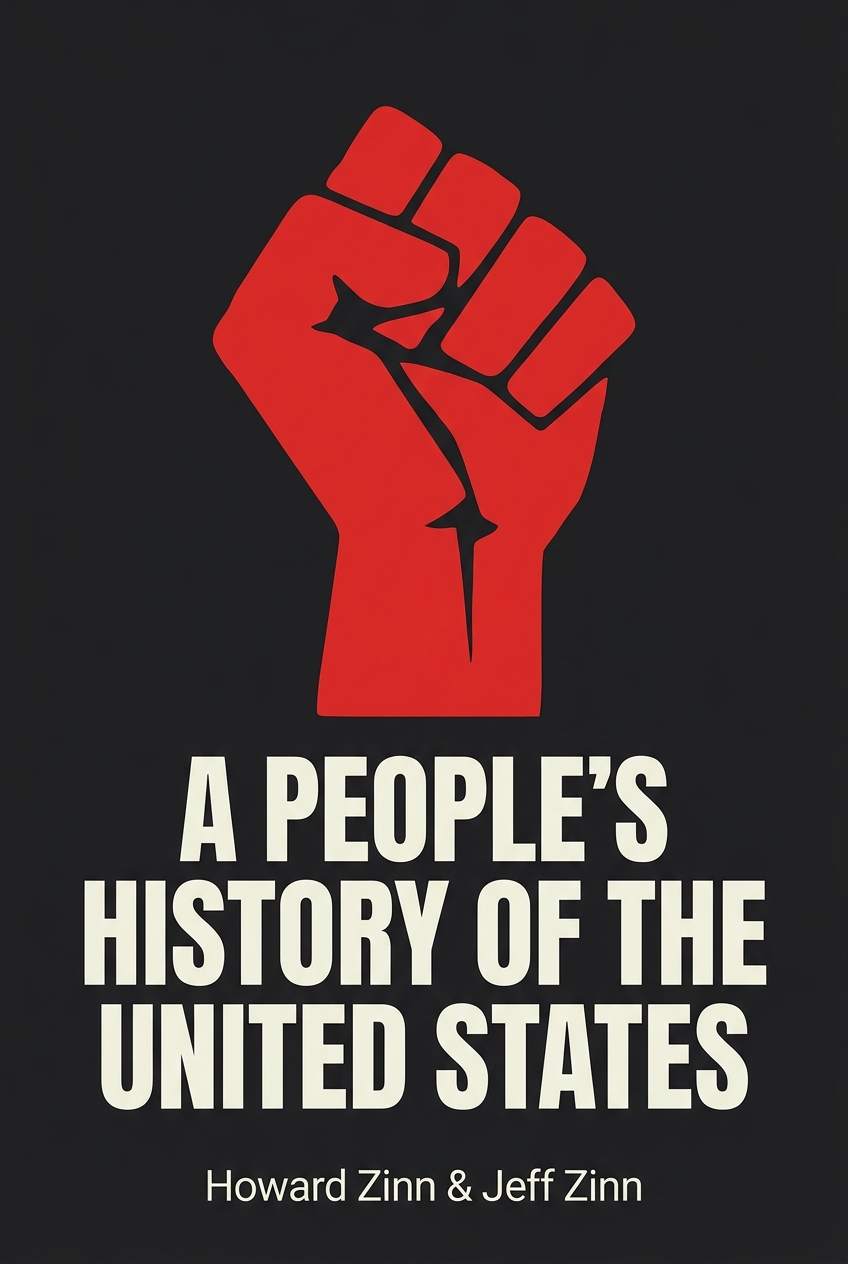
Finally, a sophisticated investor learns to think critically. Historian Howard Zinn, in A People's History of the United States, urges readers to question whose interests are being served when they hear phrases like "the national interest." He argues that broad, appealing narratives often mask the specific economic interests of a small elite.
A savvy investor applies this same critical lens to the financial world. When you see a headline about a "hot stock" or hear a pundit declare a "can't-miss opportunity," ask yourself: Whose interest does this narrative serve? Learning to separate market signal from media noise is a crucial skill. It protects you from speculative bubbles and keeps you focused on your long-term plan, which is the surest path to financial freedom.
Master key ideas in 15 minutes
Listen to audio summaries of these books on VoxBrief
Download Free