Why Every World History Book Is a Map to Today
Opening a comprehensive world history book can feel like standing at the base of a mountain. The sheer scale—thousands of years, countless cultures, and a dizzying cast of characters—can be intimidating. But what if you approached it not as a list of facts to memorize, but as a map? A map that explains not just where we came from, but why our world looks the way it does right now. This introduction to world history is for beginners who want to understand the big picture and discover the powerful stories that connect us all.
At its core, world history explained is the study of connections. It moves beyond the stories of individual nations to trace the vast networks of trade, ideas, conflict, and cooperation that have linked humanity for millennia. It reveals that the challenges and opportunities we face today are not new; they are echoes of patterns that have played out time and again. Understanding these patterns is one of the most important world history lessons we can learn.
Shifting Your Perspective: More Than Kings and Battles
One of the biggest hurdles for those new to the subject is the idea that history is a settled story, a fixed timeline of events. A great world history book challenges this notion by showing that history is an ongoing argument. Where you stand determines what you see.
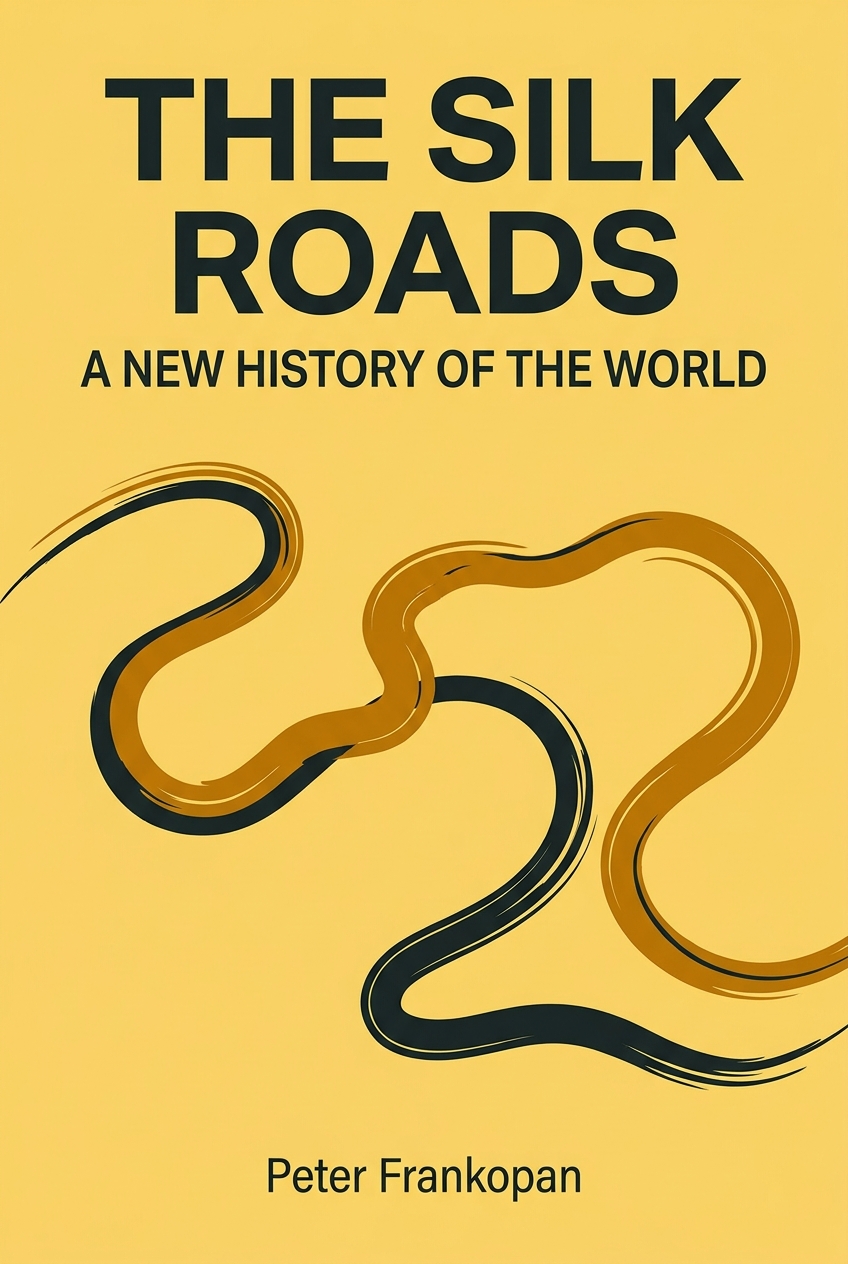
For example, in his groundbreaking book The Silk Roads: A New History of the World, historian Peter Frankopan argues that our common understanding of the past is deeply skewed. For centuries, Western narratives have placed Europe at the center of the story. Frankopan flips the map, showing that for most of human history, the true center of gravity was the vast network of trade routes connecting the East and West. This was the world’s 'central nervous system,' a conduit not just for goods like silk and spice, but for religions, languages, technologies, and even diseases.
This perspective shift offers a profound insight: what we consider 'the West' was, for a long time, a remote and peripheral region, a recipient of innovations flowing from Asia and the Middle East. Understanding this 'Great Reversal'—when Europe began its global expansion in the late 15th century—is key to grasping the roots of colonialism and the modern global economy. It’s an essential piece of the puzzle for anyone seeking an introduction to world history.
Why World History Is a Critical Tool for the Future
So, why is world history important to study? It’s not just about curiosity; it’s about preparation. History provides a framework for understanding the forces that will shape our future.
Understand the Rise and Fall of Nations
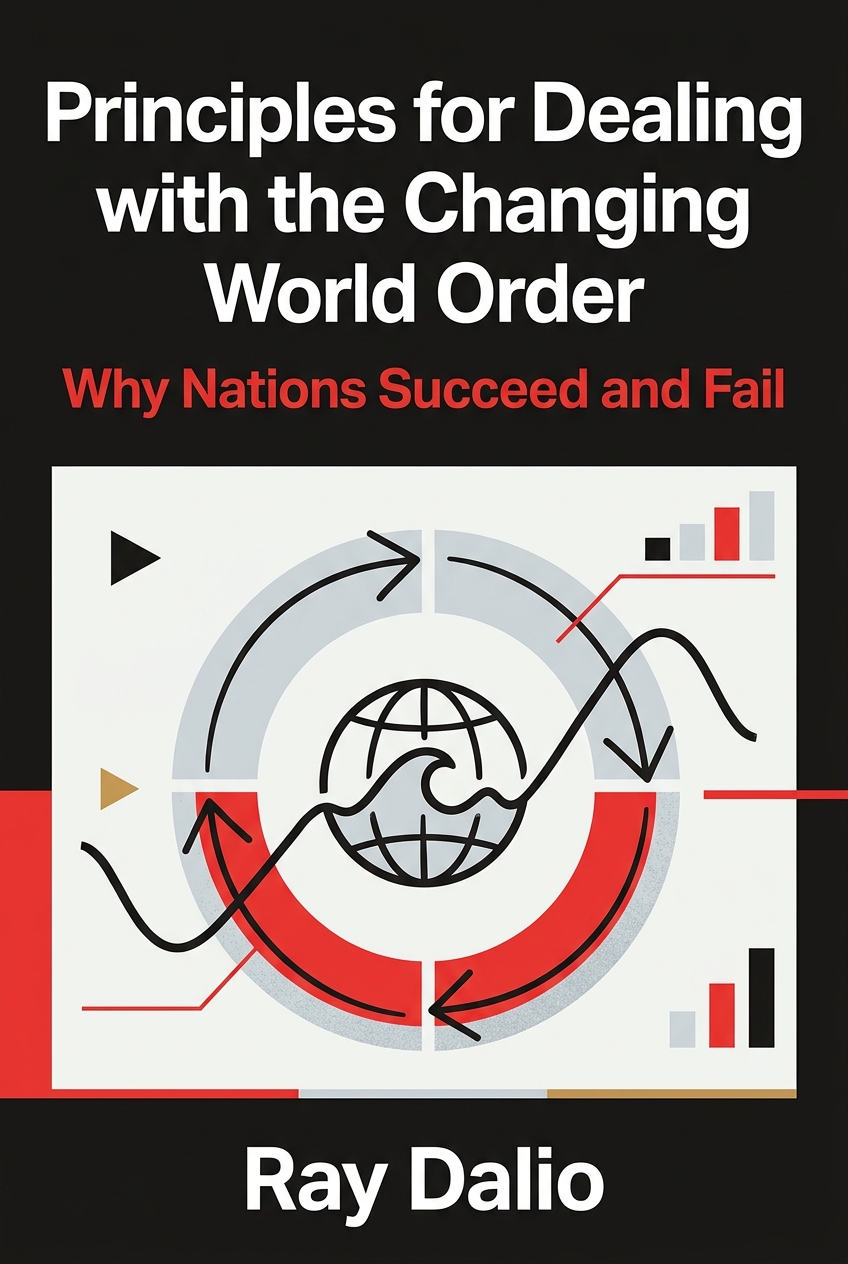
How did world history shape today? One of the most powerful ways is through predictable, long-term cycles. Investor and historian Ray Dalio, in Principles for Dealing with the Changing World Order, illustrates this through his model of "The Big Cycle." After studying the last 500 years of history, he found that empires, much like people, have a life cycle. They rise, peak, and inevitably decline.
Dalio identifies key forces that drive this cycle, such as massive debt creation, extreme internal polarization, and the emergence of a rising power challenging the existing one. His work uses data to show where major countries like the United States and China are in this cycle. For someone wondering why global tensions seem so high, Dalio’s historical model provides a chillingly clear answer. It transforms news headlines from a series of random events into a predictable stage in a centuries-old pattern. These are some of the most important world history facts for navigating the 21st century.
Discover the Hidden History of Everyday Life
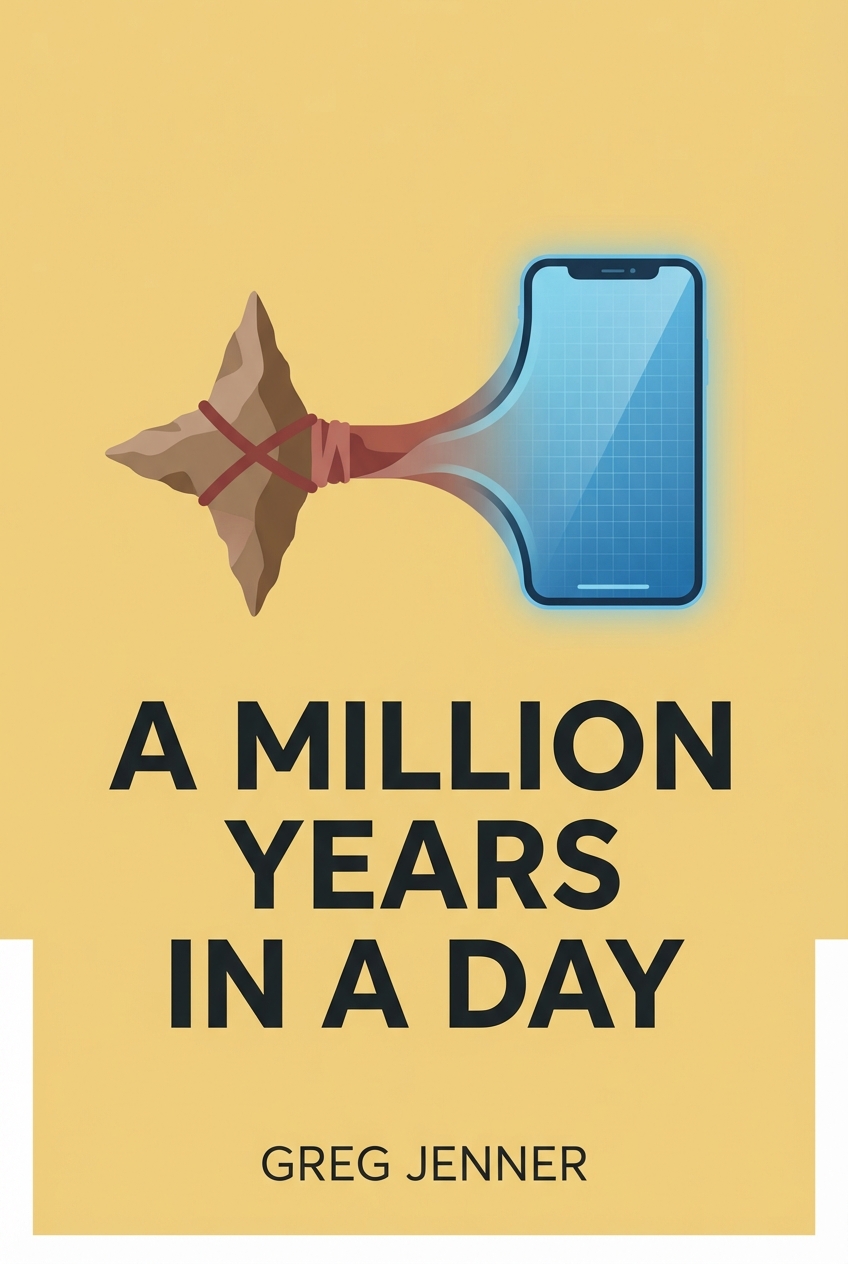
History isn't just about empires and economies; it's also about the surprising origins of your daily routine. In A Million Years in a Day, historian Greg Jenner reveals the deep history embedded in our modern lives. The simple act of brushing your teeth, wearing a certain color, or checking your phone connects you to a vast web of innovation, social change, and human ingenuity stretching back millennia.
For example, Jenner explains that the idea of eating three meals a day is a relatively recent invention, becoming standard in the Industrial Revolution to fuel factory workers. This approach reminds us that history is not a distant, abstract subject. It's personal. We are living, breathing archives of human experience, and understanding this gives us a profound sense of connection to our ancestors.
What to Expect from a Great World History Book: A Timeline of Connections
The story of the world can be broken down into major transformative periods. A good world history book will guide you through these key events, always focusing on cause, effect, and global impact.
The Rise of Ancient Civilizations
This is where the story often begins, but not in isolation. You’ll learn how the Agricultural Revolution allowed humans to settle down, leading to the first cities, writing, and complex societies in Mesopotamia, Egypt, the Indus Valley, China, and the Americas. The focus here is on the shared challenges and similar solutions that emerged across the globe, laying the groundwork for all that followed.
The Age of Exchange and Empire
Centuries before the internet, the world was already deeply connected. This era covers the sprawling trade networks like the Silk Roads and the Indian Ocean routes. It also explores the rise of vast empires—the Romans, the Han Dynasty, the Mongol Empire—that controlled these routes and fostered an unprecedented exchange of goods, ideas, and people. It’s an age defined by both incredible cultural fusion and brutal conquest. This section of history also sets the stage for the era of colonialism, where European powers exploited these global connections for their own gain.
The Modern Era: Industrial Revolution, World Wars, and Global Conflicts
Beginning in the 18th century, the pace of change accelerated dramatically. The Industrial Revolution in Britain unleashed new technologies and economic systems that would come to dominate the entire planet. This new industrial power fueled a more aggressive phase of empire-building and set the stage for competition between nations. This competition ultimately exploded in the 20th century with two devastating world wars. These global conflicts reshaped the political map entirely, ending the old European empires and giving rise to the United States and the Soviet Union as superpowers, creating the world order that is only now beginning to change.
The Journey Begins with a Single Page
World history is the ultimate story of us. It’s a narrative of epic scope, filled with tragedy and triumph, innovation and destruction. It shows us how interconnected we have always been and provides the context we need to tackle the challenges of our time.
Whether you’re exploring the economic patterns described by Ray Dalio or the re-centered global map of Peter Frankopan, you’ll find that history is not about the past. It’s a powerful, practical guide to the present and a vital tool for shaping a better future. The journey is vast, but it begins with the simple decision to turn the first page.
Master key ideas in 15 minutes
Listen to audio summaries of these books on VoxBrief
Download Free