All Books
Self-Growth
Business & Career
Health & Wellness
Society & Culture
Money & Finance
Relationships
Science & Tech
Fiction
Topics
Blog
Download on the App Store

Before We Were Yours

A Novel

11 minLisa Wingate

What's it about

Have you ever wondered about the secrets your family history might hold? Discover a shocking, hidden chapter of American history and the story of a woman whose search for answers about her grandmother's past uncovers a scandal that will change her own life forever. Based on the real-life Tennessee Children's Home Society, this summary of Lisa Wingate's novel reveals the heartbreaking story of the Foss siblings. You'll learn how they were stolen from their family's shanty boat and forced into a cruel orphanage, and how one woman's quest decades later unearths a truth that connects their two worlds.

Meet the author

Lisa Wingate is a 1 New York Times bestselling author whose blockbuster novel, Before We Were Yours, has sold over three million copies and spent more than two years on the bestseller list. A former journalist and inspirational speaker, Wingate has always been drawn to forgotten histories and the resilience of the human spirit. Her deep research into the notorious Tennessee Children’s Home Society scandal unearthed the heart-wrenching true stories that inspired her powerful and unforgettable novel, giving a voice to the voiceless.
Listen Now

Opens the App Store to download Voxbrief

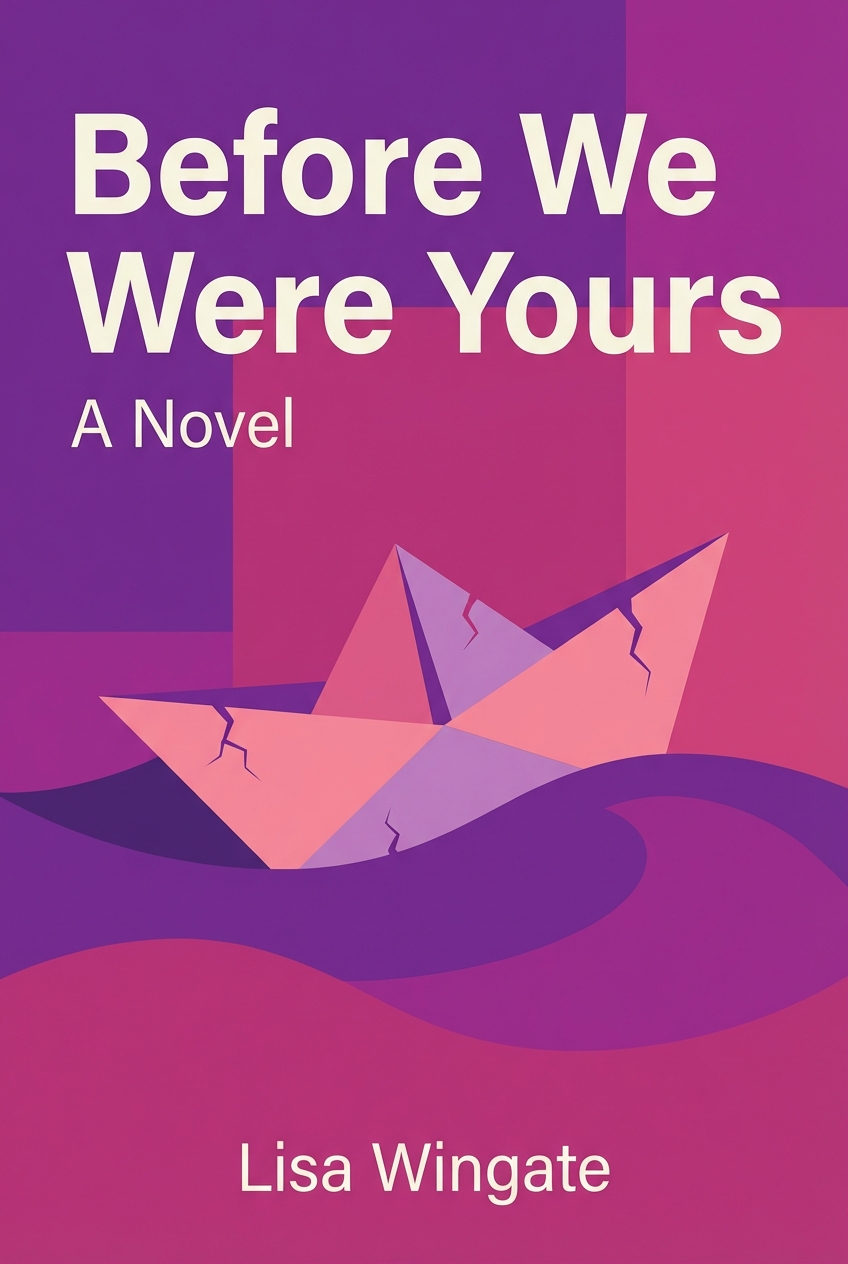
Before We Were Yours book cover

The Script

In the dusty back room of a small-town church, a volunteer sorting through donated items finds an old photo album. The cover is worn, the pages stiff. Inside, amidst fading black-and-white snapshots of baptisms and picnics, a single photograph feels out of place. It shows a group of children, maybe five or six of them, huddled together on the deck of a rustic boat. Their clothes are patched, their faces a mixture of defiance and fear. The image has no names, no dates, just the faint, penciled inscription 'Shantyboat' on the back. For the person holding it, it’s a momentary curiosity, a glimpse into a forgotten past. But for one of the children in that photograph, that single moment was the hinge upon which their entire world swung shut, separating them from everyone they had ever known.

This is the kind of hidden history that haunts the American South, stories buried in plain sight, waiting for someone to ask the right question. Lisa Wingate, a journalist and novelist, stumbled upon one such story—a newspaper article about the survivors of the Tennessee Children's Home Society orphanage. She was struck by the chilling reality that for decades, an organization had systematically stolen children from poor families and sold them to the wealthy, erasing their identities in the process. Haunted by the thought of the siblings who were separated and the parents who never knew what happened, Wingate felt compelled to give a voice to the voiceless. 'Before We Were Yours' is her answer to the silence, an act of fictional testimony for the thousands of real children whose stories were nearly lost to history.

Module 1: The Weight of Legacy and the Illusion of Control

We first meet Avery Stafford. She’s a successful federal prosecutor. She seems to have it all. Her family is a political dynasty in South Carolina. Her path is set. She's expected to follow her father into the U.S. Senate. But a family health crisis pulls her back home. Suddenly, her charmed life feels fragile. The pressure to uphold a family legacy often forces individuals to prioritize public image over personal truth.

Avery’s life is a performance. Every move is calculated. Her father's visit to a nursing home isn't a simple visit. It's a meticulously staged press event. Her mother plans a family Christmas photo in July. She's worried about her husband’s hair thinning from chemotherapy. Avery is constantly reminded to manage her emotions in public. A female lawyer or politician showing emotion is seen as weak. But beneath this polished surface, the family is cracking. They hide her grandmother’s dementia to avoid political attacks. They conceal her father’s health setbacks. The strain is immense. Avery describes her family as "silently bleeding beneath our skins."

And here's the thing. This constant performance creates a profound internal conflict. Avery wants to be a supportive daughter. She wants to be a loyal fiancée. But she also feels a growing unease. A life dedicated to maintaining appearances can disconnect you from your own authentic desires. She starts to question her engagement, realizing it was more about merging family dynasties than about passion. She longs for a simpler life. A life not dictated by appointment books and press secretaries. This struggle between duty and self, between the public role and the private person, sets the stage for the secrets about to unravel.

Module 2: The Echoes of Trauma

Now, let's pivot to the past. The year is 1939. We are on a shantyboat on the Mississippi River. We meet twelve-year-old Rill Foss. She is the fierce, loving protector of her four younger siblings. Their life is poor but filled with love. Their boat, the Arcadia, is their kingdom. But this world shatters in one night. Their mother has a difficult childbirth. Their father rushes both parents to a hospital. He leaves Rill in charge. He promises to return. He never does.

Instead, strangers arrive. They are police officers. They lie. They say the parents sent for them. They tear the children from their home. This is where the novel reveals its central horror. Systemic corruption thrives by preying on the vulnerable and erasing their identity. The Foss children are taken to the Tennessee Children's Home Society. It's run by the infamous Georgia Tann. The institution is a prison, a place of cold, calculated cruelty.

The children's names are stripped away. Rill becomes "May." Her siblings are given new, generic names. They are told their parents didn't want them. They are scrubbed, dressed up, and paraded at "viewing parties" for wealthy, childless couples. They are commodities. Their blond hair and blue eyes make them "in great demand." Here's where it gets even darker. Abuse and neglect are tools of control used to break a child's spirit and sever family bonds. The children are starved. They are threatened with punishment in a dark closet. They are isolated from one another. Rill watches in horror as her siblings are sold off, one by one. She sees her fiery sister Camellia assaulted. She sees her little brother Gabion handed to a new family. Each separation is a fresh trauma, a piece of her soul being ripped away. Rill's only goal is to survive and somehow, someday, find her family again.

Read More