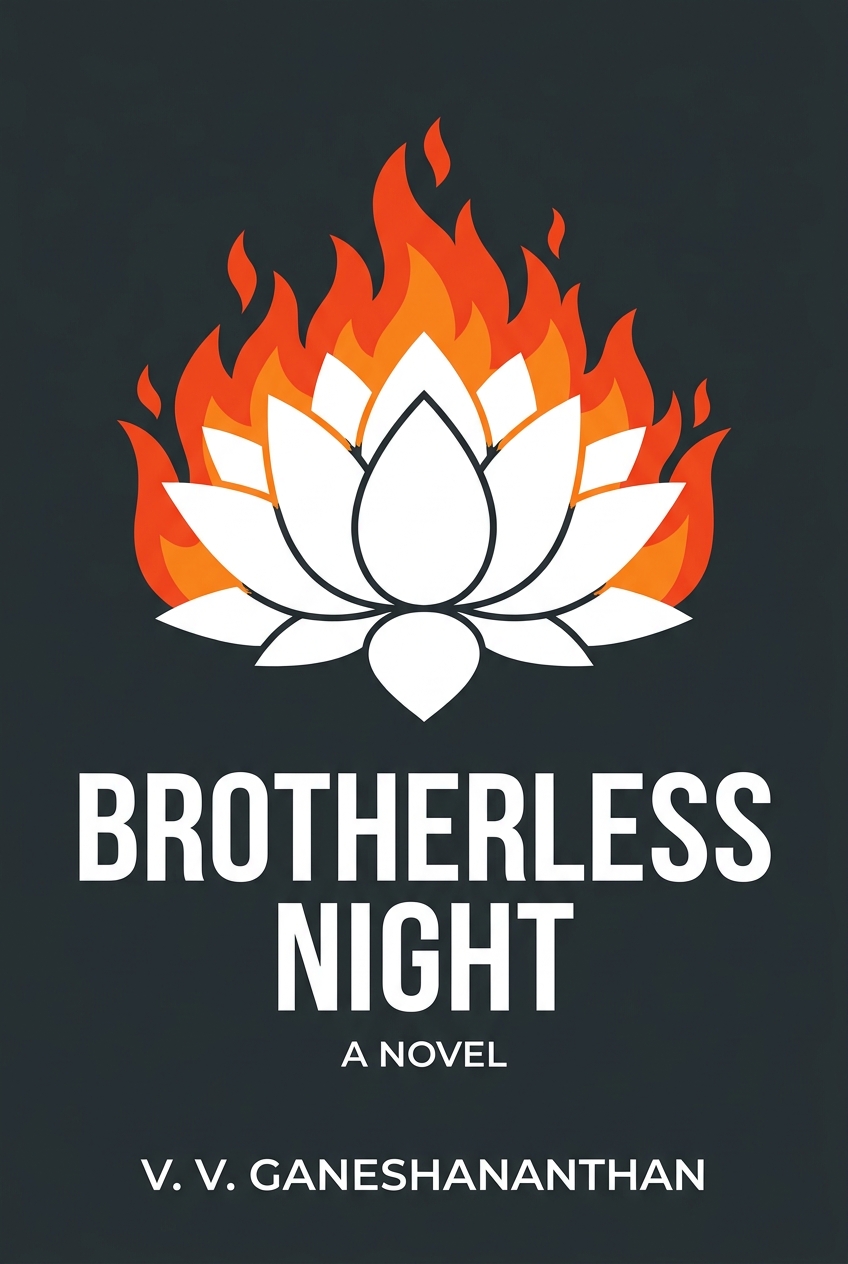
Brotherless Night
A Novel
What's it about
Ever wondered how personal dreams survive the ravages of civil war? What if the path to becoming a doctor forced you to confront impossible choices between your family, your community, and your own survival amidst the violent conflict tearing Sri Lanka apart? You'll follow Sashi, an aspiring medical student in the 1980s, as her world is fractured by political strife. Discover how she navigates the rise of the Tamil Tigers, grapples with the loss of her four brothers to the conflict, and is drawn into a clandestine medical practice that challenges her ethics and puts her life on the line. This is a story of resilience and the human cost of war.
Meet the author
A Pulitzer Prize finalist and former vice president of the South Asian Journalists Association, V. V. Ganeshananthan is a leading voice in contemporary literature. Raised in Maryland by Sri Lankan Tamil immigrants, she grew up hearing stories of the civil war from family and friends. This deep personal connection and her extensive journalistic work on the conflict fueled the decade-long, immersive research that powerfully informs her novel, Brotherless Night, offering a perspective both intimate and authoritative.
What's it about
Ever wondered how personal dreams survive the ravages of civil war? What if the path to becoming a doctor forced you to confront impossible choices between your family, your community, and your own survival amidst the violent conflict tearing Sri Lanka apart? You'll follow Sashi, an aspiring medical student in the 1980s, as her world is fractured by political strife. Discover how she navigates the rise of the Tamil Tigers, grapples with the loss of her four brothers to the conflict, and is drawn into a clandestine medical practice that challenges her ethics and puts her life on the line. This is a story of resilience and the human cost of war.
Meet the author
A Pulitzer Prize finalist and former vice president of the South Asian Journalists Association, V. V. Ganeshananthan is a leading voice in contemporary literature. Raised in Maryland by Sri Lankan Tamil immigrants, she grew up hearing stories of the civil war from family and friends. This deep personal connection and her extensive journalistic work on the conflict fueled the decade-long, immersive research that powerfully informs her novel, Brotherless Night, offering a perspective both intimate and authoritative.
The Script
You've reached the end of the free preview.