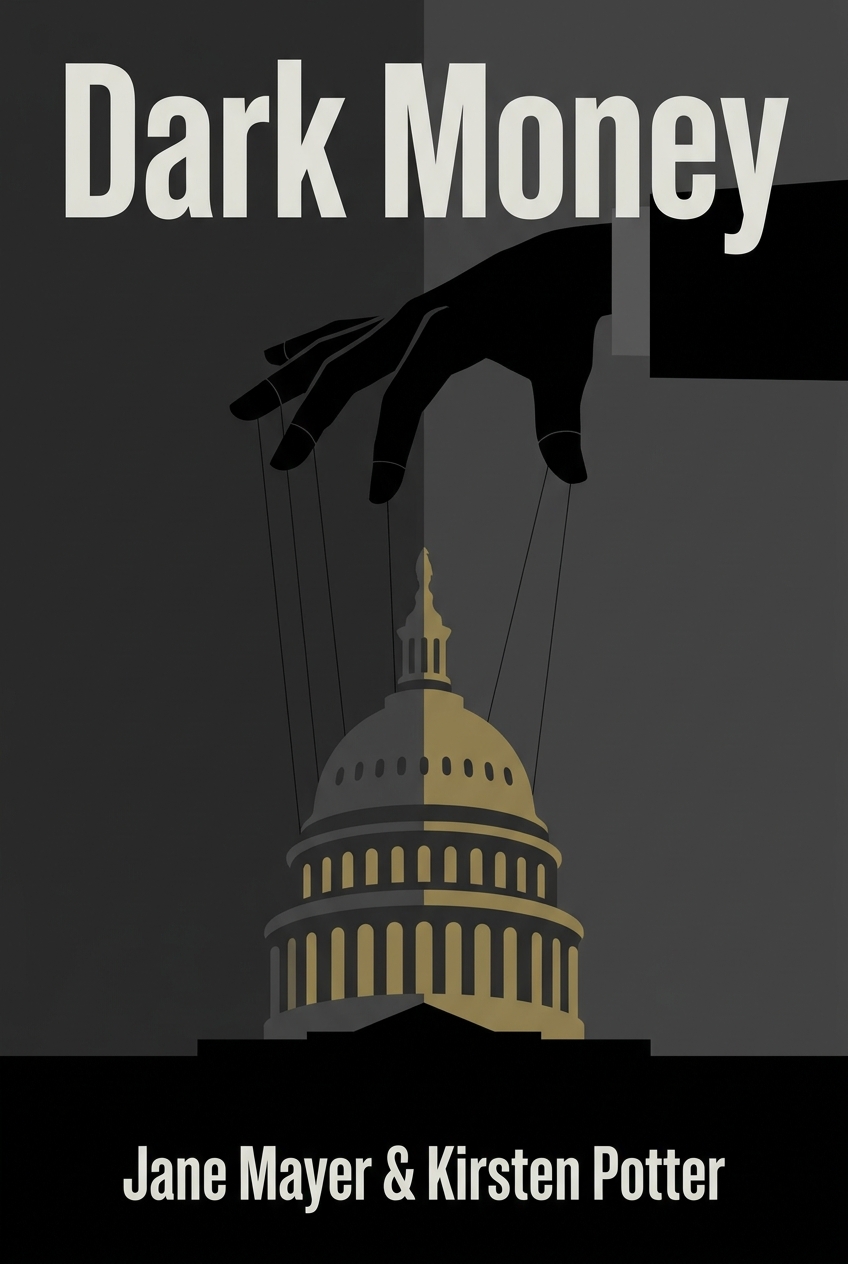
Dark Money
The Hidden History of the Billionaires Behind the Rise of the Radical Right
What's it about
Ever wonder why American politics feels so polarized and gridlocked? This summary reveals the secret story of how a network of ultra-wealthy conservatives, led by figures like the Koch brothers, meticulously planned and funded a movement to reshape the country to serve their own radical agenda. You'll discover the specific tactics they used, from creating think tanks and academic programs to launching aggressive lobbying efforts. Learn how this "dark money" has quietly influenced everything from climate change denial to tax cuts, and understand the hidden forces shaping your political reality today.
Meet the author
Jane Mayer is an award-winning staff writer for The New Yorker, where she has been a leading voice in investigative journalism and political reporting since 1995. Her long career covering Washington and the intelligence community provided her with unparalleled access and a deep understanding of the hidden forces shaping American politics. This unique vantage point, combined with her tenacious pursuit of the truth, allowed her to meticulously uncover the vast, secretive network of billionaire donors detailed in Dark Money.
What's it about
Ever wonder why American politics feels so polarized and gridlocked? This summary reveals the secret story of how a network of ultra-wealthy conservatives, led by figures like the Koch brothers, meticulously planned and funded a movement to reshape the country to serve their own radical agenda. You'll discover the specific tactics they used, from creating think tanks and academic programs to launching aggressive lobbying efforts. Learn how this "dark money" has quietly influenced everything from climate change denial to tax cuts, and understand the hidden forces shaping your political reality today.
Meet the author
Jane Mayer is an award-winning staff writer for The New Yorker, where she has been a leading voice in investigative journalism and political reporting since 1995. Her long career covering Washington and the intelligence community provided her with unparalleled access and a deep understanding of the hidden forces shaping American politics. This unique vantage point, combined with her tenacious pursuit of the truth, allowed her to meticulously uncover the vast, secretive network of billionaire donors detailed in Dark Money.
The Script
You've reached the end of the free preview.