Hunt, Gather, Parent
What Ancient Cultures Can Teach Us About the Lost Art of Raising Happy, Helpful Little Humans
What's it about
Tired of the constant power struggles and meltdowns? What if you could raise helpful, confident kids without all the yelling, negotiating, and stress? Discover the time-tested parenting secrets from ancient cultures that modern families have forgotten, and transform your home into a more cooperative, harmonious place. Learn how Maya, Inuit, and Hadzabe families raise remarkably well-behaved children using simple, instinctual methods. You'll get practical tools to stop sibling rivalry, encourage genuine helpfulness without being asked, and build a stronger, more connected relationship with your kids by rethinking everything you thought you knew about discipline and praise.
Meet the author
Michaeleen Doucleff, PhD, is a correspondent for NPR's Science Desk, where her reporting on global health and infectious disease has earned her a prestigious Peabody Award. Frustrated with Western parenting advice, she took her young daughter to live with Maya, Inuit, and Hadzabe families. There, she discovered a more cooperative and effective model for raising confident, helpful children, which she shares in her groundbreaking book, Hunt, Gather, Parent.
What's it about
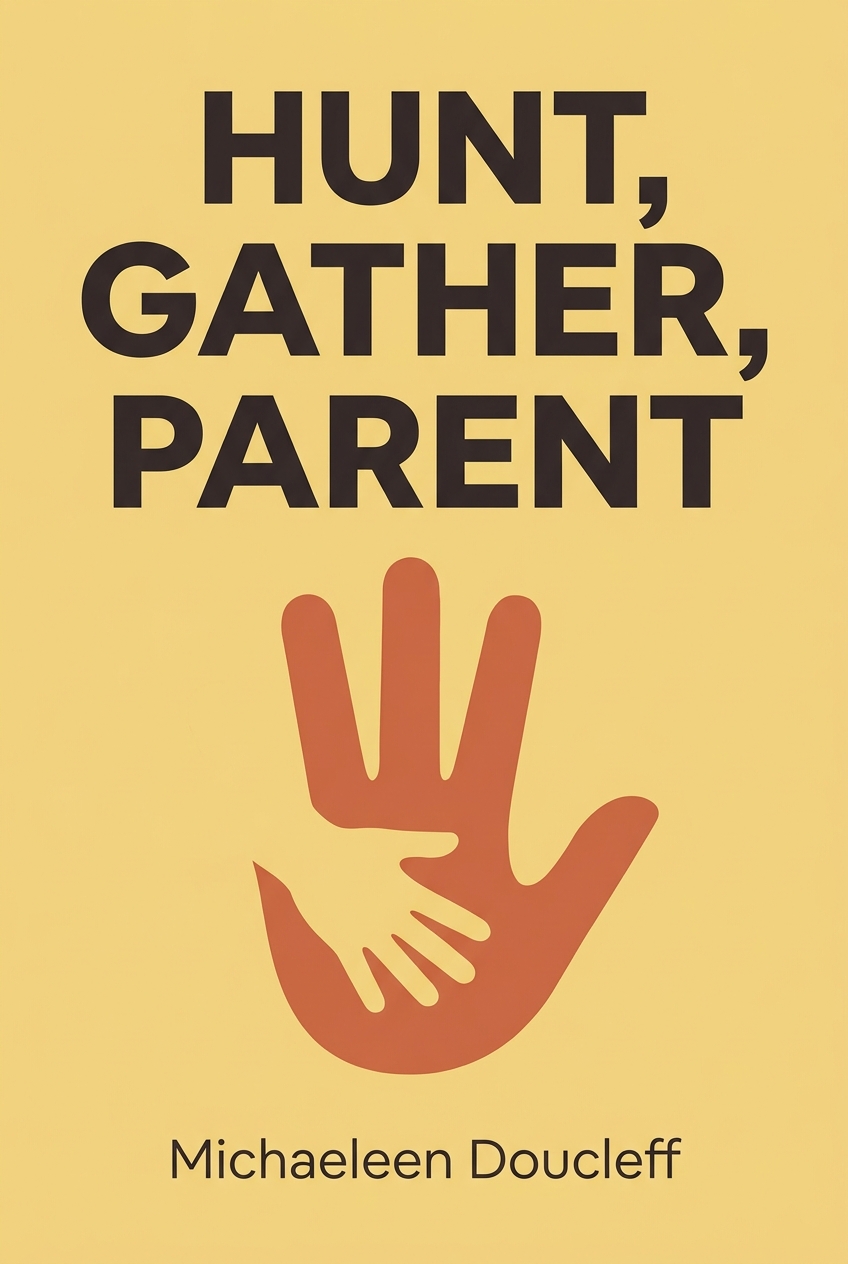
Tired of the constant power struggles and meltdowns? What if you could raise helpful, confident kids without all the yelling, negotiating, and stress? Discover the time-tested parenting secrets from ancient cultures that modern families have forgotten, and transform your home into a more cooperative, harmonious place. Learn how Maya, Inuit, and Hadzabe families raise remarkably well-behaved children using simple, instinctual methods. You'll get practical tools to stop sibling rivalry, encourage genuine helpfulness without being asked, and build a stronger, more connected relationship with your kids by rethinking everything you thought you knew about discipline and praise.
Meet the author
Michaeleen Doucleff, PhD, is a correspondent for NPR's Science Desk, where her reporting on global health and infectious disease has earned her a prestigious Peabody Award. Frustrated with Western parenting advice, she took her young daughter to live with Maya, Inuit, and Hadzabe families. There, she discovered a more cooperative and effective model for raising confident, helpful children, which she shares in her groundbreaking book, Hunt, Gather, Parent.
The Script
You've reached the end of the free preview.