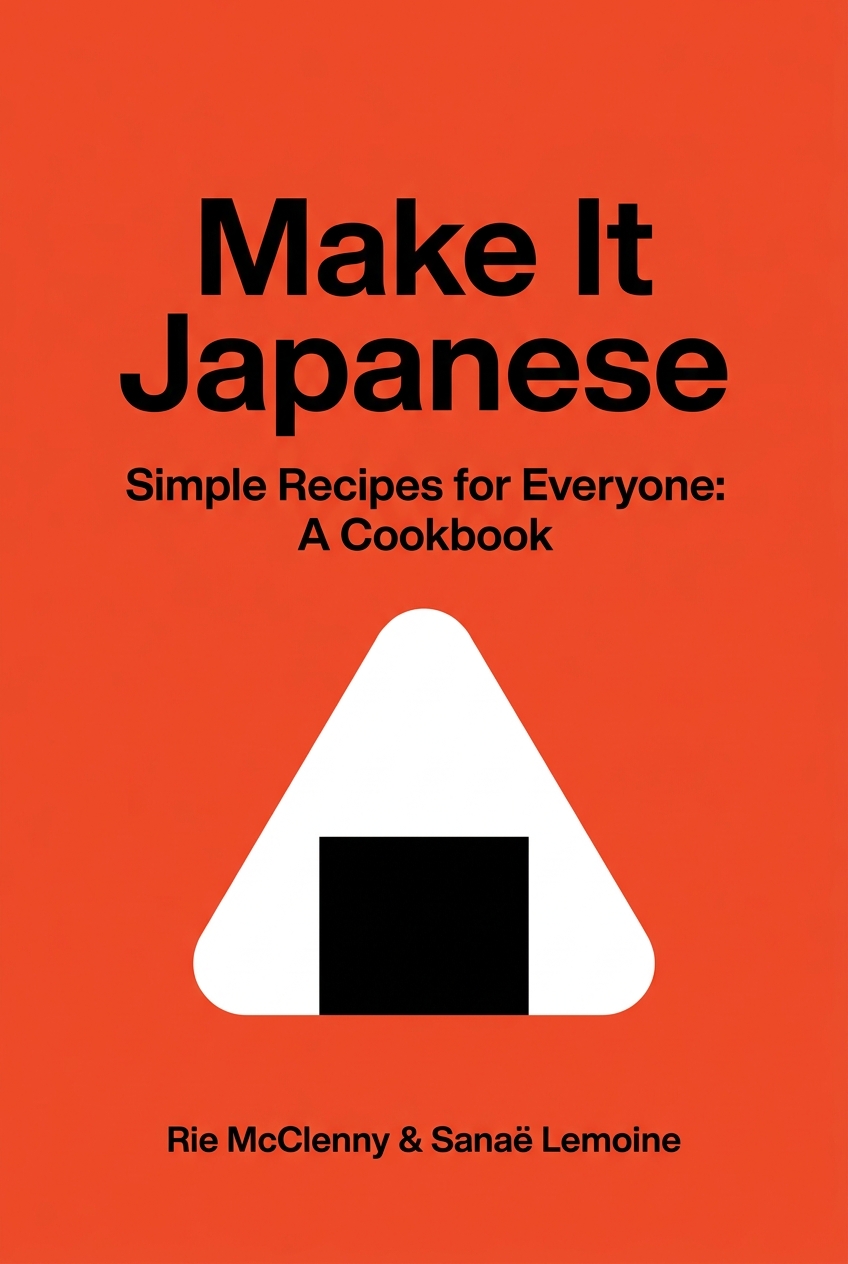
Make It Japanese
Simple Recipes for Everyone: A Cookbook
What's it about
Ever dreamed of mastering Japanese cooking but felt intimidated by complex techniques and hard-to-find ingredients? Discover how to create authentic, delicious Japanese meals right in your own kitchen, using simple methods and familiar pantry staples. It’s easier than you think to get started tonight. You'll learn the secrets to unlocking umami, the savory fifth taste, with foundational sauces and dashi broth you can make in minutes. From crispy karaage and comforting ramen to perfectly seasoned rice, this guide demystifies the core principles of Japanese cuisine for everyday home cooks like you.
Meet the author
Rie McClenny is a beloved former BuzzFeed Tasty video producer whose viral Japanese cooking videos have been viewed hundreds of millions of times globally. Raised near her family’s century-old miso factory in Japan, she developed a passion for making traditional flavors accessible. Teaming up with novelist and former pastry cook Sanaë Lemoine, they created Make It Japanese to share the simple, comforting recipes of their childhoods, proving that anyone can master the art of Japanese home cooking.
Opens the App Store to download Voxbrief

The Script
Think of two home cooks, both given a beautiful, firm block of silken tofu. The first cook, armed with a recipe and a deep respect for its delicate nature, carefully measures soy sauce, ginger, and mirin. They heat the pan to a precise temperature, gently slide the tofu in, and create a perfectly seared, flavorful dish. The second cook, however, sees the same block of tofu and feels a flicker of intimidation. It seems fragile, unfamiliar. What if it breaks? What if the flavors are wrong? Lacking the intuitive confidence to simply begin, they hesitate. The tofu ends up either blandly steamed for fear of ruining it, or it crumbles in a pan that’s too hot, the attempt abandoned in frustration. The difference is the quiet knowledge of how to handle it, a sense of permission to play and adapt.
This very gap between admiration and action is what inspired Rie McClenny to create Make It Japanese. As a former video producer for BuzzFeed's Tasty Japan and a beloved online personality, she noticed countless people who loved Japanese food but felt it was too complex or specialized to attempt at home. They saw the beautiful tofu but lacked the confidence to cook it. Teaming up with food writer and novelist Sanaë Lemoine, McClenny set out to translate the foundational flavors and techniques she grew up with into a new, accessible language for the modern home kitchen. The goal was to instill the intuitive understanding that turns intimidation into joyful creation, showing that the essence of Japanese cooking is a flexible, flavorful approach that anyone can embrace.
Module 1: The Philosophy of “Making It Japanese”
The book opens by challenging our assumptions about Japanese cuisine. At its core, Japanese home cooking is humble, adaptable, and focused on balance. McClenny’s journey proves this. While living in West Virginia, far from any Asian market, she learned a powerful lesson. She could recreate the flavors of her childhood with just a few key seasonings. This experience became the foundation of the book's philosophy.
The first principle is that Japanese home cooking is accessible and designed to be recreated anywhere. McClenny shows that you don’t need a specialty store for most dishes. The magic lies in a core group of ingredients. Think soy sauce, sake, mirin, miso, and dashi. With these, she argues, you can cook almost every savory recipe in the book. This is about understanding the building blocks of flavor. The book consistently offers alternatives for specialty items, empowering you to work with what's available.
But here’s the thing. It’s not just about swapping ingredients. The cuisine emphasizes balance and lets the natural quality of ingredients shine. Japanese cooking is about simple preparations that reveal an ingredient's true potential. A classic example is kabocha squash simmered in a concentrated broth. The technique is simple, but it masterfully brings out the squash's inherent sweetness. Vegetables often take center stage. Meat is frequently just an accompaniment. This approach respects the ingredient. It’s a lighter, fresher way of thinking about food.
Finally, McClenny's culinary style is a testament to a powerful idea. Authentic cooking comes from a fusion of personal heritage and cross-cultural experience. Her recipes aren't static museum pieces. They are alive. They reflect her mother's intuitive cooking in Hiroshima. But they also show the influence of her time in professional kitchens in Los Angeles. She learned from chefs like Suzanne Goin to add a generous amount of butter to sake-steamed clams. She created a Loaded Vegetable Miso Soup with kale and sweet potatoes for a hearty winter meal. This is about letting your own life story enrich tradition.