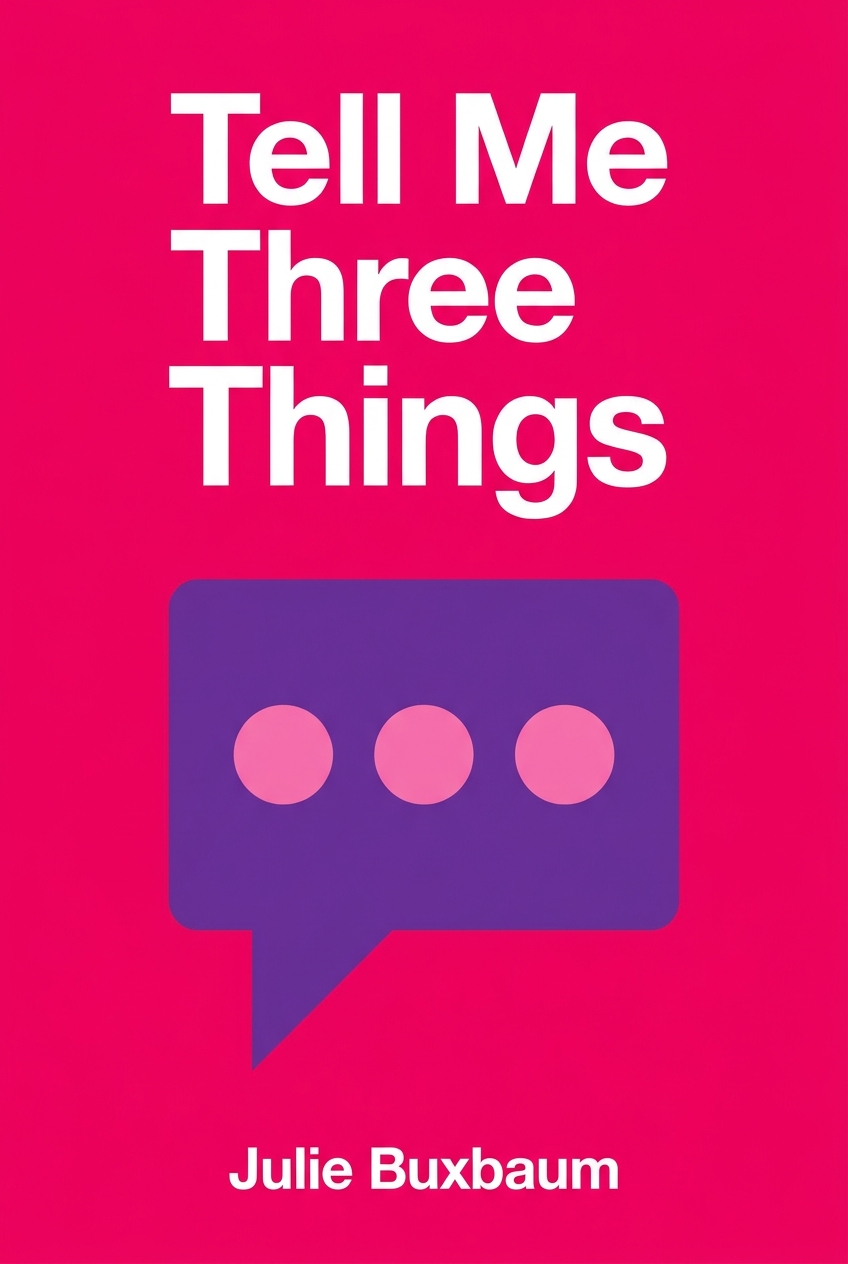
Tell Me Three Things
What's it about
Ever felt completely alone in a new school, wishing someone would just throw you a lifeline? Imagine getting an anonymous email from a secret admirer who knows exactly how you feel and wants to help you navigate the treacherous waters of high school social life. You'll follow Jessie as she tries to uncover the identity of "Somebody/Nobody," her mysterious online guide. This journey will help you understand the power of vulnerability, the messiness of grief, and the surprising places you can find friendship and even love when you dare to be yourself.
Meet the author
Julie Buxbaum is a New York Times bestselling author and a graduate of Harvard Law School, whose acclaimed novels for young adults explore the complexities of grief and identity. A former lawyer, she left the corporate world to pursue her passion for storytelling, drawing on her own understanding of navigating life’s unexpected turns. This unique background allows her to craft authentic, relatable characters who find connection and hope in the most surprising of places, much like Jessie in Tell Me Three Things.
What's it about
Ever felt completely alone in a new school, wishing someone would just throw you a lifeline? Imagine getting an anonymous email from a secret admirer who knows exactly how you feel and wants to help you navigate the treacherous waters of high school social life. You'll follow Jessie as she tries to uncover the identity of "Somebody/Nobody," her mysterious online guide. This journey will help you understand the power of vulnerability, the messiness of grief, and the surprising places you can find friendship and even love when you dare to be yourself.
Meet the author
Julie Buxbaum is a New York Times bestselling author and a graduate of Harvard Law School, whose acclaimed novels for young adults explore the complexities of grief and identity. A former lawyer, she left the corporate world to pursue her passion for storytelling, drawing on her own understanding of navigating life’s unexpected turns. This unique background allows her to craft authentic, relatable characters who find connection and hope in the most surprising of places, much like Jessie in Tell Me Three Things.
The Script
You've reached the end of the free preview.