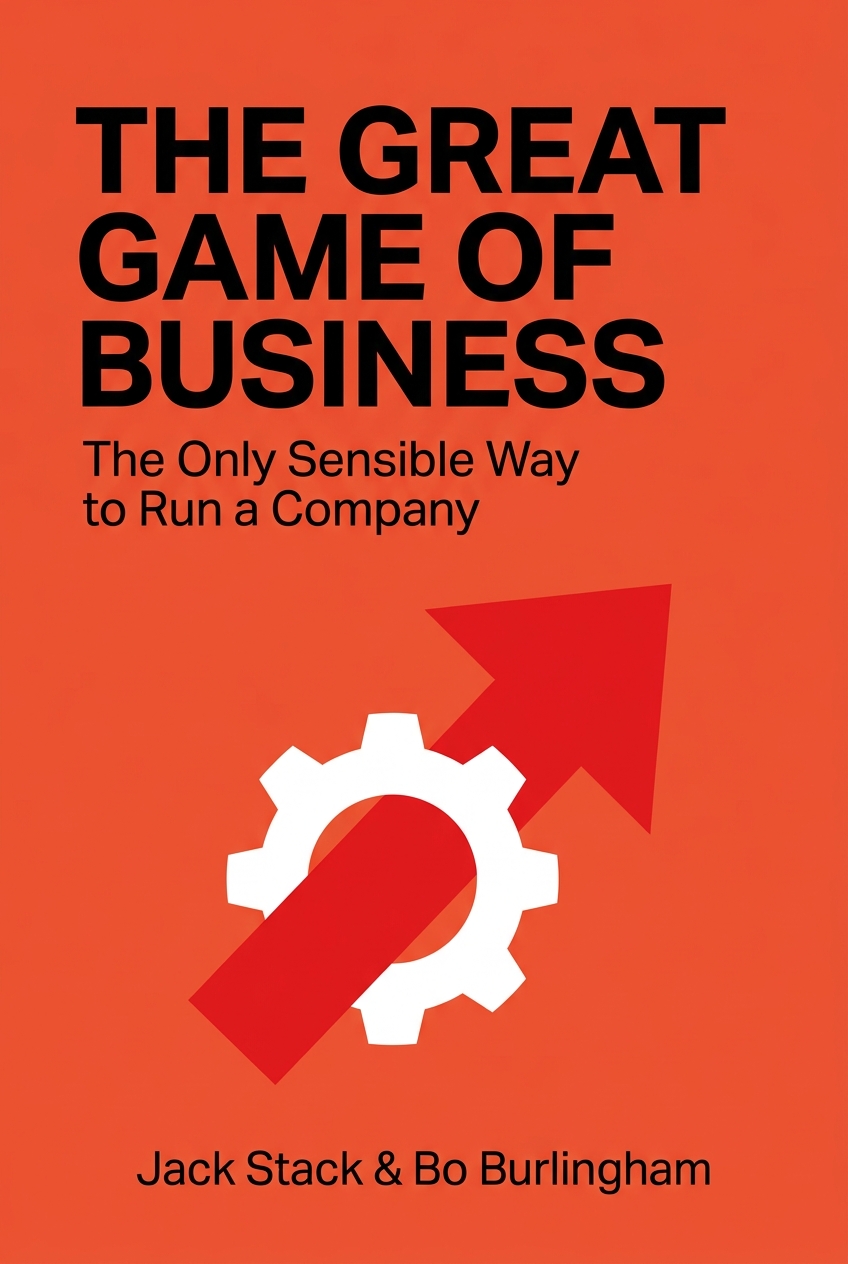
The Great Game of Business
The Only Sensible Way to Run a Company
What's it about
What if every single employee thought and acted like an owner? Imagine the explosive growth and engagement that would unleash. The Great Game of Business reveals a revolutionary system for achieving just that, transforming your company’s financial performance by turning business into a winnable game for everyone. You'll learn the secrets of open-book management, a proven method for teaching your team financial literacy and giving them a direct stake in the outcome. Discover how to create a culture of transparency and accountability where every employee is motivated to boost the bottom line because they win when the company wins.
Meet the author
Jack Stack is the pioneering founder and CEO of SRC Holdings Corporation, widely recognized as the father of open-book management for turning a failing factory into a thriving, employee-owned success. Along with co-author and acclaimed business journalist Bo Burlingham, he transformed his real-world experiment in financial transparency and employee empowerment into The Great Game of Business. This revolutionary system was born from the necessity of survival, proving that teaching business literacy to everyone creates a more engaged, profitable, and resilient company.
What's it about
What if every single employee thought and acted like an owner? Imagine the explosive growth and engagement that would unleash. The Great Game of Business reveals a revolutionary system for achieving just that, transforming your company’s financial performance by turning business into a winnable game for everyone. You'll learn the secrets of open-book management, a proven method for teaching your team financial literacy and giving them a direct stake in the outcome. Discover how to create a culture of transparency and accountability where every employee is motivated to boost the bottom line because they win when the company wins.
Meet the author
Jack Stack is the pioneering founder and CEO of SRC Holdings Corporation, widely recognized as the father of open-book management for turning a failing factory into a thriving, employee-owned success. Along with co-author and acclaimed business journalist Bo Burlingham, he transformed his real-world experiment in financial transparency and employee empowerment into The Great Game of Business. This revolutionary system was born from the necessity of survival, proving that teaching business literacy to everyone creates a more engaged, profitable, and resilient company.
The Script
You've reached the end of the free preview.