All Books
Self-Growth
Business & Career
Health & Wellness
Society & Culture
Money & Finance
Relationships
Science & Tech
Fiction
Topics
Blog
Download on the App Store

They Wish They Were Us

13 minJessica Goodman

What's it about

Ever wonder what secrets lurk behind the perfect façade of the rich and powerful? Dive into an elite prep school where a secret society, golden tans, and deadly games rule. You'll follow one girl as she uncovers a dark truth about her best friend's murder, a crime everyone thought was already solved. This isn't just a simple whodunit. You'll learn how loyalty can be twisted and how privilege can protect the guilty. As new clues surface and old friendships are tested, you'll question everything you thought you knew about justice, friendship, and the chilling price of belonging.

Meet the author

Jessica Goodman is the bestselling author of They Wish They Were Us and a former senior editor at Cosmopolitan magazine, where she edited features on everything from pop culture to politics. Her extensive experience covering the lives, secrets, and ambitions of young adults gave her a unique lens into the high-stakes world of elite prep schools. This background inspired her to craft gripping thrillers that explore the dark side of privilege and the intense pressures facing teenagers today.
Listen Now

Opens the App Store to download Voxbrief

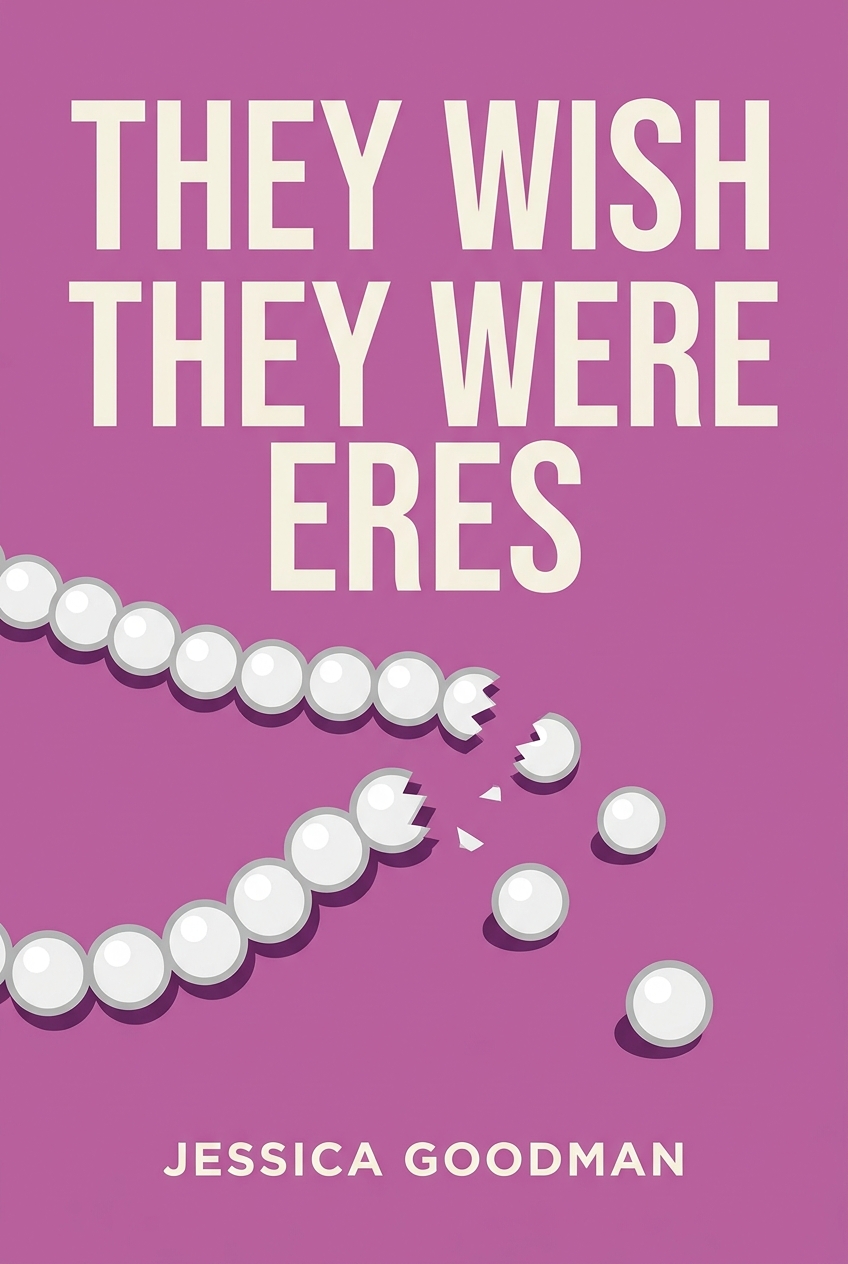
They Wish They Were Us book cover

The Script

The first perfect day of August arrives like a secret promise. The air in Gold Coast, Long Island, is thick with the sweet, heavy scent of hydrangeas and salt from the Sound. At the docks, the masts of sailboats clink a gentle, hypnotic rhythm. This is the kind of day that feels permanent, a sun-drenched photograph of a life without consequence. It’s the last month before school starts, before the real world intrudes, and for the elite students of Gold Coast Prep, it’s the final, golden hour of a summer spent inside a bubble of privilege and tradition. But if you look closer, past the sun-bleached docks and pristine lawns, you can feel the pressure building. You can see it in the way a smile doesn’t quite reach the eyes, or the too-tight grip on a tennis racket. In a place where every legacy is curated and every future is planned, the weight of perfection is a ghost that haunts even the brightest summer day. The secrets aren't just in the locked drawers of mahogany desks; they’re in the unspoken rules of every conversation, the careful omissions that hold a fragile peace together. It's a world built on the assumption that if you just play your part, the dream will protect you. But what happens when the dream itself is the most dangerous part of all?

This pressurized world of secrets and ambition is one Jessica Goodman knows well. Growing up in a similar town, she was fascinated by the intense bonds and fierce rivalries that defined teenage life, especially the almost mythic power of secret societies. She observed how these exclusive clubs could act as both a golden ticket and a gilded cage, promising belonging while demanding a steep, often silent, price. Goodman, now an editor at Cosmopolitan who has written for outlets like Entertainment Weekly and Glamour, wanted to peel back the layers of that perfect, sun-drenched facade. She was driven to explore what happens when a young woman, complicit in maintaining that perfect world, is suddenly forced to confront the ugly truth holding it all together. "They Wish They Were Us" was born from that desire to expose the darkness lurking just beneath the polished surface of a seemingly idyllic community.

Module 1: The Architecture of Exclusion

The world of Gold Coast Prep is a carefully constructed ecosystem of power and privilege. Understanding this world is key to understanding the story. The social hierarchy is rigid and visible. At its center are the Players, an exclusive, secret society that dictates the social order.

First, social status is maintained through visible rituals and spatial control. The Players' senior table sits in the middle of the cafeteria. It's prime real estate. Everyone else orbits around them. Underclassmen, called "undies," learn to scatter and avoid eye contact. This is a physical manifestation of a power structure. Your proximity to that table defines your worth. This creates a culture of aspiration and fear. Everyone knows the rules without them ever being spoken.

Next, Goodman shows that elite groups solidify their power by creating an "elite within the elite" using secret resources. The Players have access to something called the Player Files. It's a secret app, a digital archive passed down through generations. It contains old exams, study guides, and insider college admissions advice. For students on scholarship, like our narrator Jill Newman, these files are a lifeline. They can't afford expensive tutors. The files level the playing field, but at a cost. Access is granted in exchange for absolute loyalty. This system creates a moral compromise. You get the advantage, but you're bound to the group and its secrets. It's a golden cage.

Finally, the book reveals a core truth of these environments: tradition is often a tool for performative grief and institutional control. Every year, the school holds a memorial for Shaila Arnold. It's a mandatory, fifteen-minute ceremony. The headmaster gives a speech filled with sanitized platitudes, misremembering Shaila's interests to fit a neat narrative. The friends, the "survivors," sit in the front row, performing their grief for the community. This ritual is about the institution reinforcing its own story and maintaining control over the narrative of the tragedy. It forces a public performance of an intensely private pain.

Read More