Anne Applebaum Books
To understand the fragility of democracy, exploring anne applebaum books is essential. This curated list offers a powerful education on authoritarianism's past and present. Known for her incisive anne applebaum writing style, she connects historical events to today's political crises with unmatched clarity. Whether you're new to her work or a longtime reader, this anne applebaum book list provides vital context on the global struggle for freedom. Learn more about her unflinching analysis and why it is more relevant than ever. Curated by the VoxBrief team.
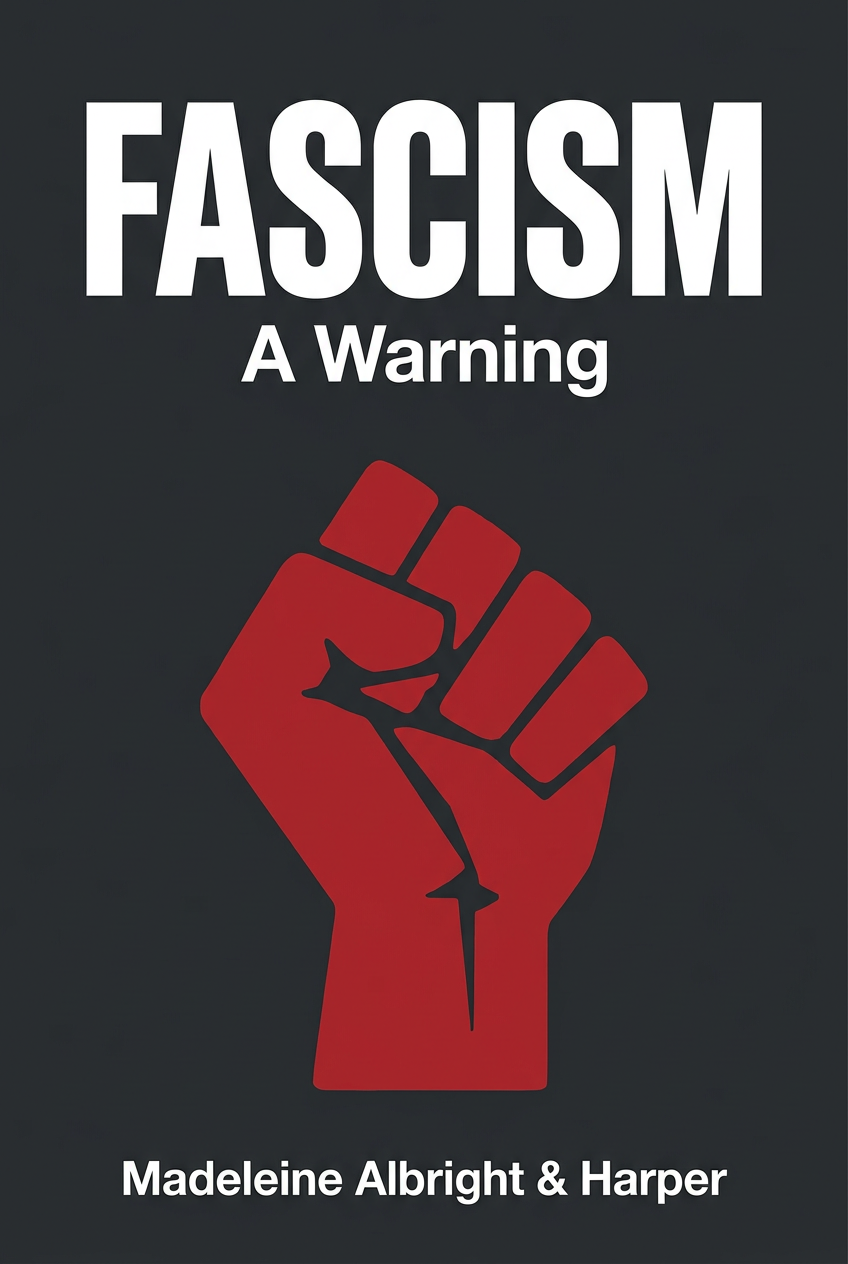
Fascism
Learn to spot the warning signs of authoritarianism before it’s too late.
- Fascism isn't ancient history; its tactics are being used today.
- Dictators follow a specific playbook to consolidate power over time.
- Vigilant citizenship is the first line of defense for democracy.
Citizens concerned about rising political polarization and global trends.
Learn to spot the warning signs of authoritarianism before it’s too late.
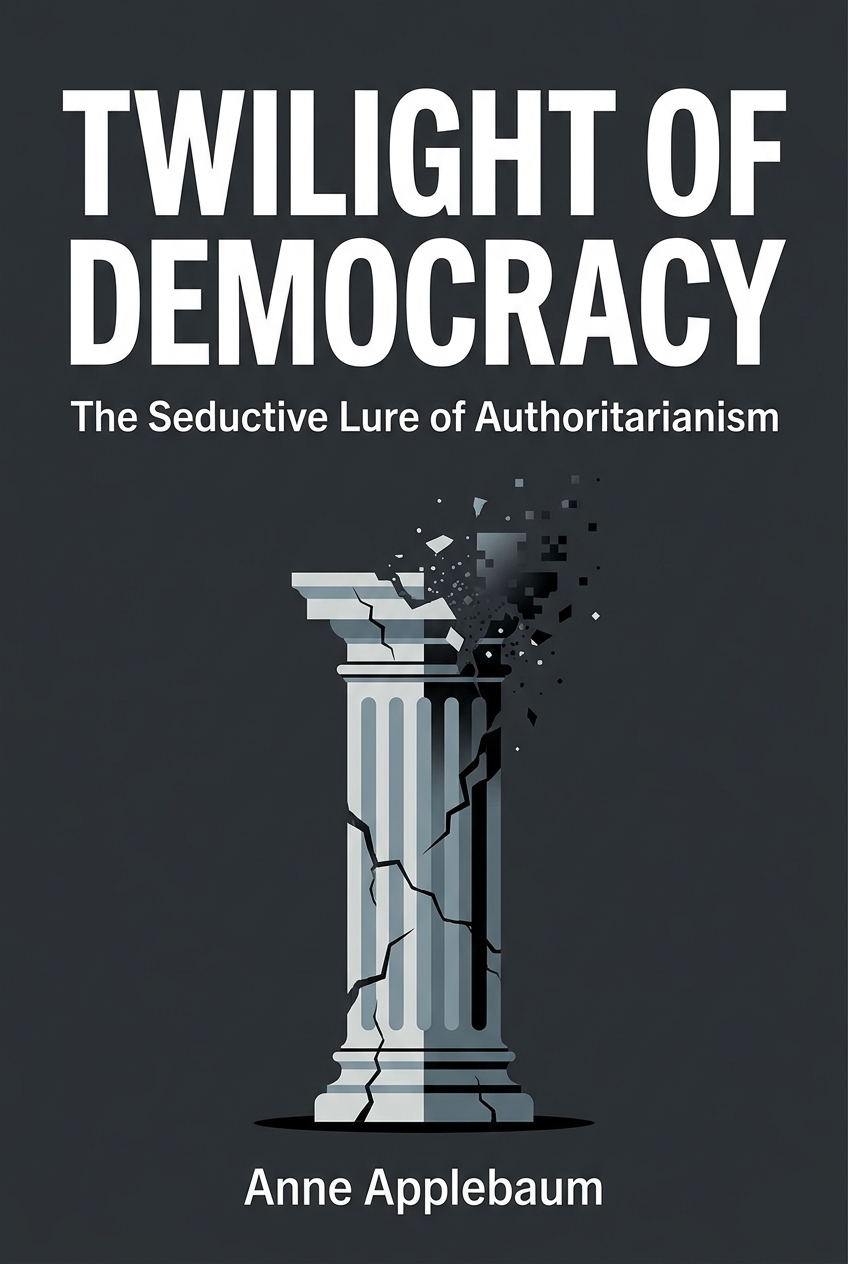
Twilight of Democracy
Unpack why political elites are abandoning democracy for authoritarianism.
- Authoritarians exploit nostalgia and national pride to gain power.
- Educated elites are often willing accomplices in democratic decline.
- Creating an alternate reality is a key tactic for one-party rule.
Voters trying to understand the appeal of anti-democratic movements.
Unpack why political elites are abandoning democracy for authoritarianism.
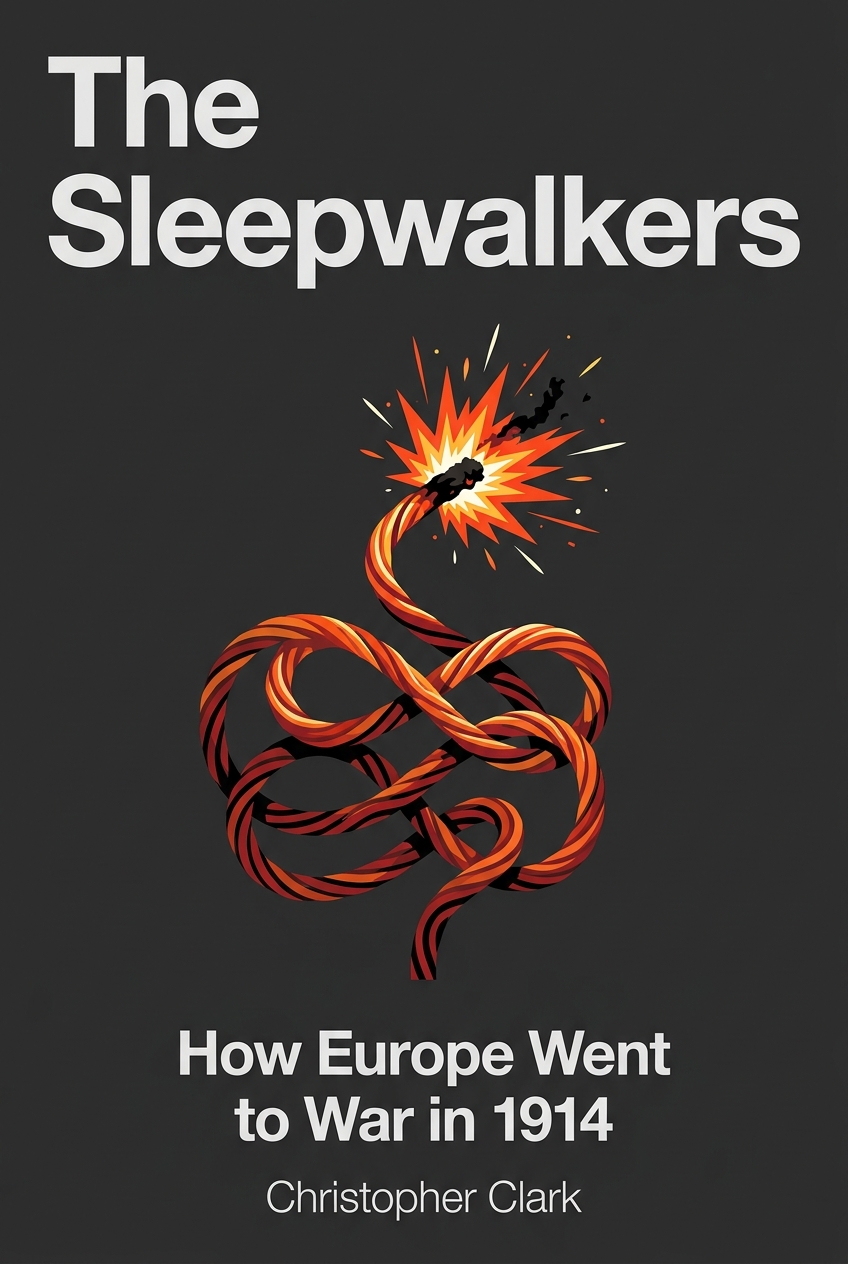
The Sleepwalkers
Discover how Europe's leaders blindly stumbled into World War I.
- WWI was not inevitable but a result of repeated diplomatic failures.
- A culture of aggressive masculinity fueled political risk-taking.
- Misunderstandings and tangled alliances created a domino effect into war.
History buffs interested in the complex origins of major conflicts.
Discover how Europe's leaders blindly stumbled into World War I.
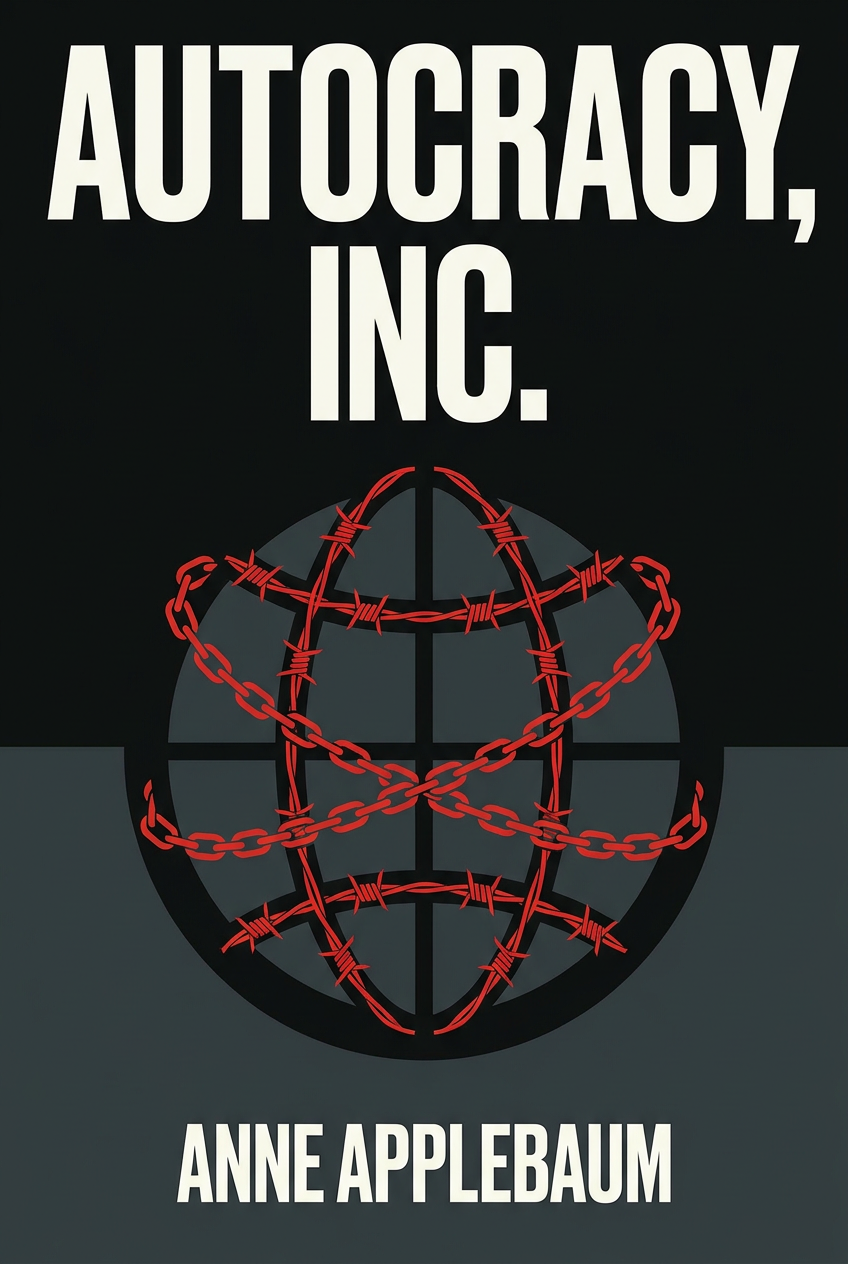
Autocracy, Inc.
Uncover the hidden global network of modern dictatorships.
- Autocrats now collaborate across borders to undermine democracies.
- They use social media, surveillance, and corruption as weapons.
- This global alliance operates much like a criminal corporation.
Anyone interested in cybersecurity, foreign policy, and digital threats.
Uncover the hidden global network of modern dictatorships.

One Day, Everyone Will Have Always Been Against This
Explore the psychology of collective denial and how societies rewrite history.
- Societies pass through four key stages of denial to justify past wrongs.
- Initial dismissal of a problem can lead to eventual collective amnesia.
- We are all susceptible to participating in forms of mass delusion.
Readers fascinated by social psychology and historical revisionism.
Explore the psychology of collective denial and how societies rewrite history.

Red Famine
The chilling story of how Stalin used a man-made famine to crush Ukraine.
- The Holodomor was a deliberate political tool, not a natural disaster.
- Stalin aimed to destroy Ukrainian national identity through hunger.
- The event was covered up by the Soviets and ignored by the West.
Students of Soviet history and human rights atrocities.
The chilling story of how Stalin used a man-made famine to crush Ukraine.
Gulag
A definitive history of the Soviet Union's vast network of labor camps.
- The Gulag was an economic and political system of mass repression.
- It held millions of prisoners, shaping Soviet society for decades.
- Even in brutal conditions, prisoners found ways to resist and survive.
Those seeking a deep understanding of 20th-century totalitarianism.
A definitive history of the Soviet Union's vast network of labor camps.
Iron Curtain
How the Soviets methodically crushed freedom in postwar Eastern Europe.
- The USSR used a distinct blueprint to impose communist rule on nations.
- Tactics included controlling media, police, and youth organizations.
- The process of totalitarian takeover was gradual and systematic.
Anyone studying the Cold War and the mechanics of state control.
How the Soviets methodically crushed freedom in postwar Eastern Europe.
How to Stand Up to a Dictator
A journalist's playbook for fighting disinformation in the digital age.
- Disinformation is a primary tool for modern autocrats to silence dissent.
- Social media platforms can be weaponized against democracy.
- Defending the truth requires courage and strategic communication.
Journalists, activists, and citizens fighting online manipulation.
A journalist's playbook for fighting disinformation in the digital age.
Unhumans
Learn the playbook of communist revolutionaries and how to counter it.
- Communist takeovers often follow predictable stages of subversion.
- Revolutionaries use psychological manipulation to gain followers.
- Understanding these tactics is presented as key to defending freedom.
Readers concerned with radical political movements and their tactics.
Learn the playbook of communist revolutionaries and how to counter it.
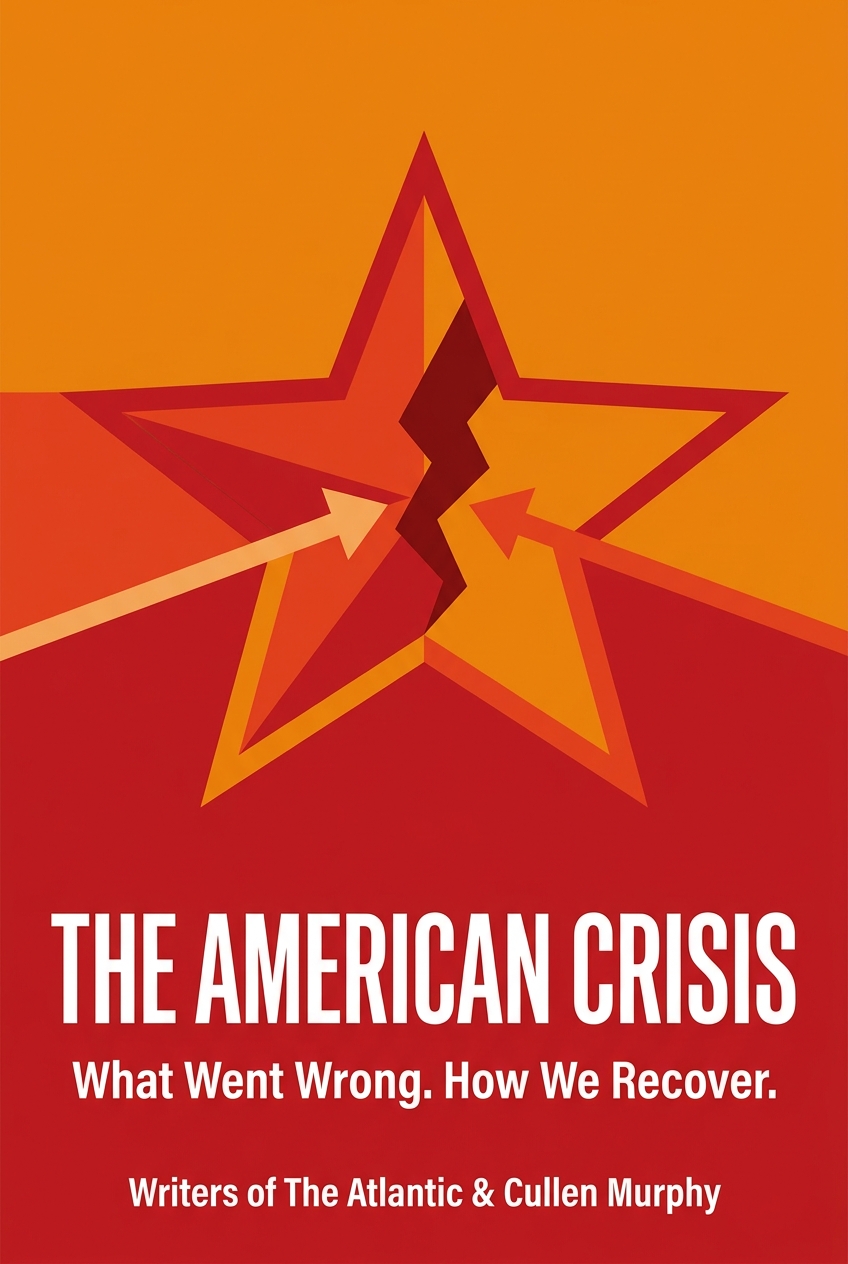
The American Crisis
A diagnosis of the deep-seated crises facing the United States today.
- Today's crises have deep historical roots in American society.
- Political polarization and inequality are key threats to national stability.
- Actionable solutions exist for rebuilding trust and civic institutions.
Concerned citizens looking for thoughtful analysis of America's problems.
A diagnosis of the deep-seated crises facing the United States today.

Between East and West
A journey through the borderlands of Europe as they redefine their identity.
- National identity in Eastern Europe is complex and often contested.
- History, memory, and nostalgia shape the region's current politics.
- The line 'between East and West' is a dynamic and human space.
Travelers and readers interested in European culture and identity politics.
A journey through the borderlands of Europe as they redefine their identity.
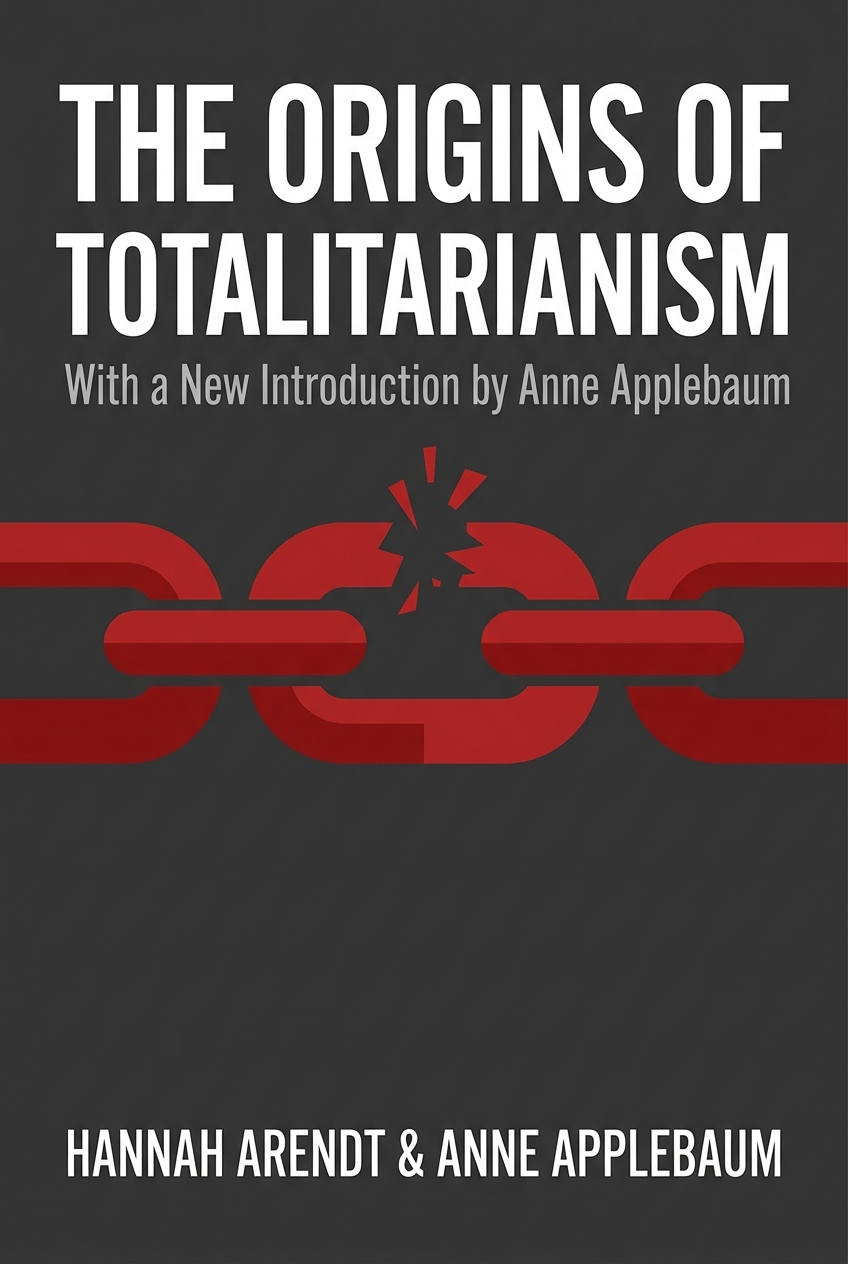
The Origins of Totalitarianism
The seminal analysis of how modern totalitarian regimes came to be.
- Totalitarianism arises from antisemitism, imperialism, and social atomization.
- It differs from simple dictatorship by seeking total societal control.
- Understanding its origins helps identify warning signs today.
Students of political philosophy seeking foundational texts on tyranny.
The seminal analysis of how modern totalitarian regimes came to be.
Frequently Asked Questions
While 'best' is subjective, *Gulag: A History* is often considered her magnum opus, winning the Pulitzer Prize for its comprehensive account of the Soviet camp system. For a contemporary focus, many readers point to *Twilight of Democracy* as an essential read.
A great starting point is *Twilight of Democracy*. It's a concise and powerful book that introduces her core themes about the fragility of democratic ideals. From there, you could move to her newer work, *Autocracy, Inc.*, or dive into her deeper historical analysis like *Iron Curtain*.
There is no required order to enjoy the anne applebaum books. However, for a chronological tour of Soviet history, you could read *Gulag*, then *Red Famine*, followed by *Iron Curtain*. To understand modern threats, start with *Twilight of Democracy* and its follow-up, *Autocracy, Inc.*
Anne Applebaum's latest major work is *Autocracy, Inc.: The Dictators Who Want to Run the World*. In it, she exposes the global network of autocrats who collaborate to maintain power and undermine democratic nations through corruption, disinformation, and violence.