Best Books About Stress
Feeling overwhelmed? The first step to reclaiming your calm is understanding why your mind and body react to pressure. Learning how to learn best books on stress management is simple; these summaries offer expert insights and actionable tips. We’ve compiled our best books on stress management book recommendations to help you understand your mind and build resilience. This is your guide to the best books for stress management. Curated by the VoxBrief team.
Full Catastrophe Living
Learn Mindfulness-Based Stress Reduction (MBSR) to handle life's challenges.
- Mindfulness is moment-to-moment, non-judgmental awareness.
- Meditation and body-scan practices can significantly reduce anxiety and pain.
- Change your relationship with stress, even if you can't change the cause.
Those seeking a deep, scientific, and foundational guide to mindfulness practice.
Learn Mindfulness-Based Stress Reduction (MBSR) to handle life's challenges.
The Upside of Stress
Reframe your mindset to harness stress as a source of energy, focus, and resilience.
- Your belief about stress determines its effect on you.
- Stress can be a catalyst for focus, courage, and connection.
- Learn to shift from a 'threat' response to a 'challenge' response.
High-achievers and anyone wanting to change their relationship with stress.
Reframe your mindset to harness stress as a source of energy, focus, and resilience.
The 5 Resets
A Harvard physician's five simple daily resets to build resilience against burnout.
- Small, consistent actions are more effective than massive life overhauls.
- The five resets target different sources of stress and burnout.
- You can manage stress on your own terms by integrating these habits.
Busy professionals feeling overwhelmed and on the edge of burnout.
A Harvard physician's five simple daily resets to build resilience against burnout.
When the Body Says No
Explore the link between repressed emotional stress and chronic physical illness.
- Hidden emotional stress can manifest as serious physical diseases.
- Personality traits that please others can be detrimental to your own health.
- Healing requires acknowledging and expressing your true feelings.
Those with chronic illness who suspect stress is harming their physical health.
Explore the link between repressed emotional stress and chronic physical illness.
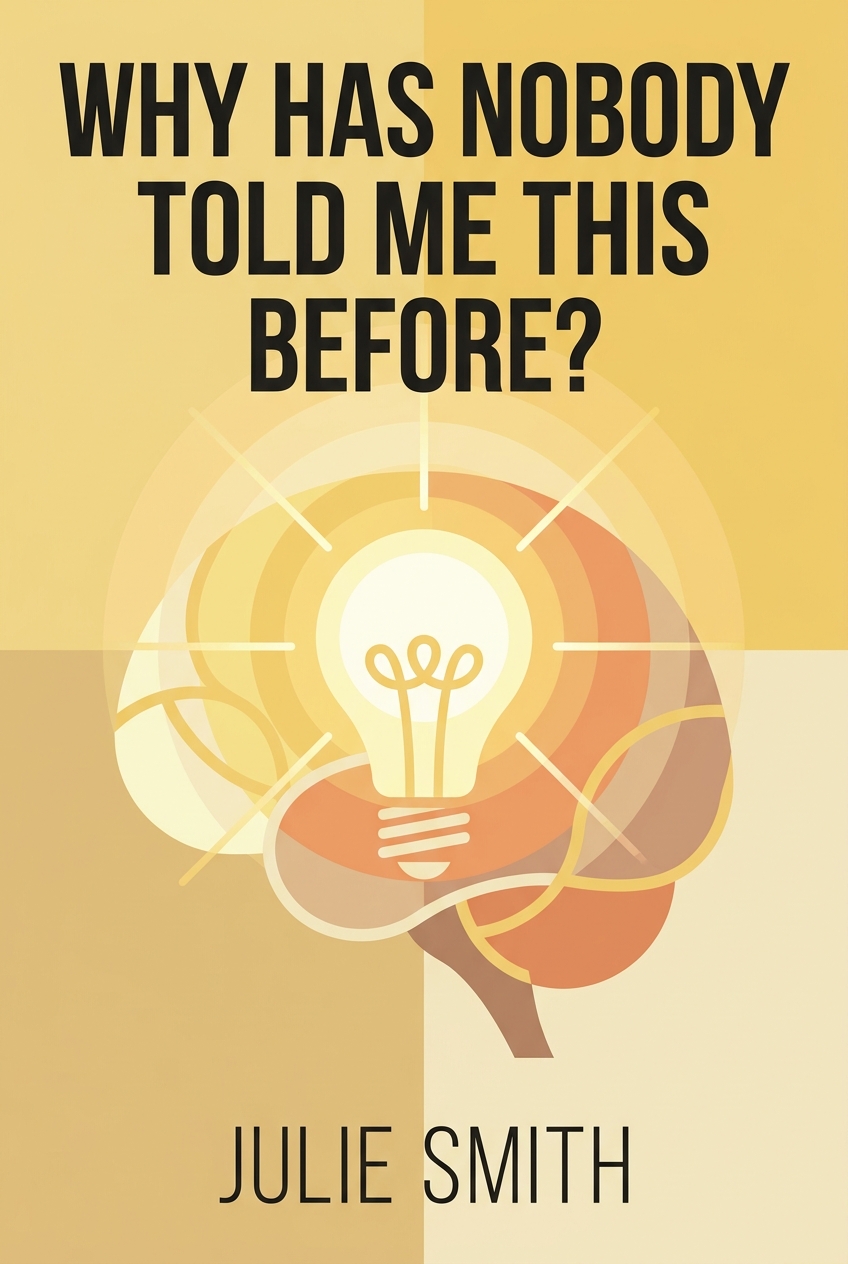
Why Has Nobody Told Me This Before?
Access a therapist's toolkit for managing anxiety, mood, and motivation.
- Understand how your mind works to better manage your emotions.
- Learn practical, evidence-based coping skills for daily life.
- Build self-worth and break free from patterns of self-criticism.
Individuals wanting a practical, user-friendly guide to everyday mental health.
Access a therapist's toolkit for managing anxiety, mood, and motivation.
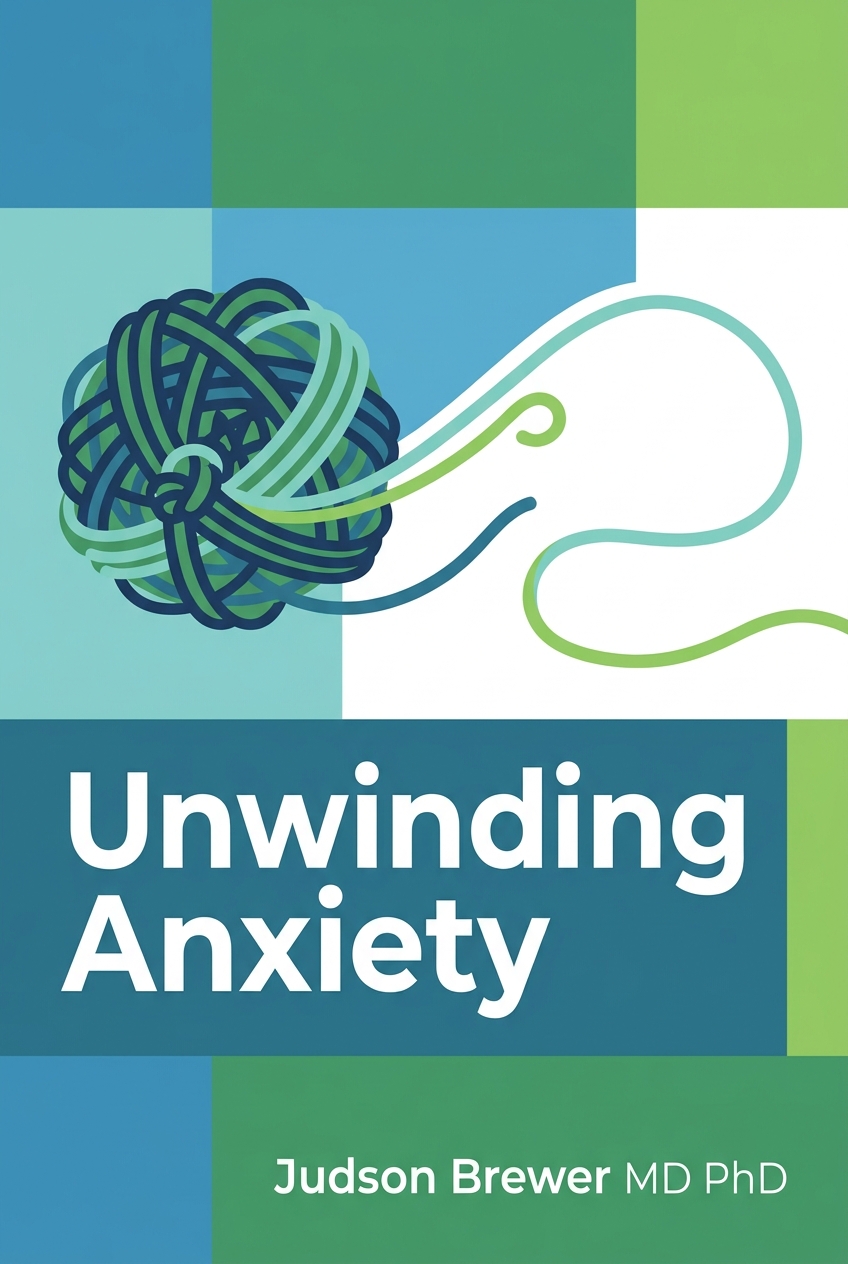
Unwinding Anxiety
Break anxiety cycles by understanding and rewiring your brain's habit loops.
- Anxiety can become a habit loop: trigger, behavior, reward.
- Mindfulness helps you become aware of and break this cycle.
- Use your brain's reward system to create new, healthier habits.
People stuck in worry loops who want a scientific, habit-based approach.
Break anxiety cycles by understanding and rewiring your brain's habit loops.
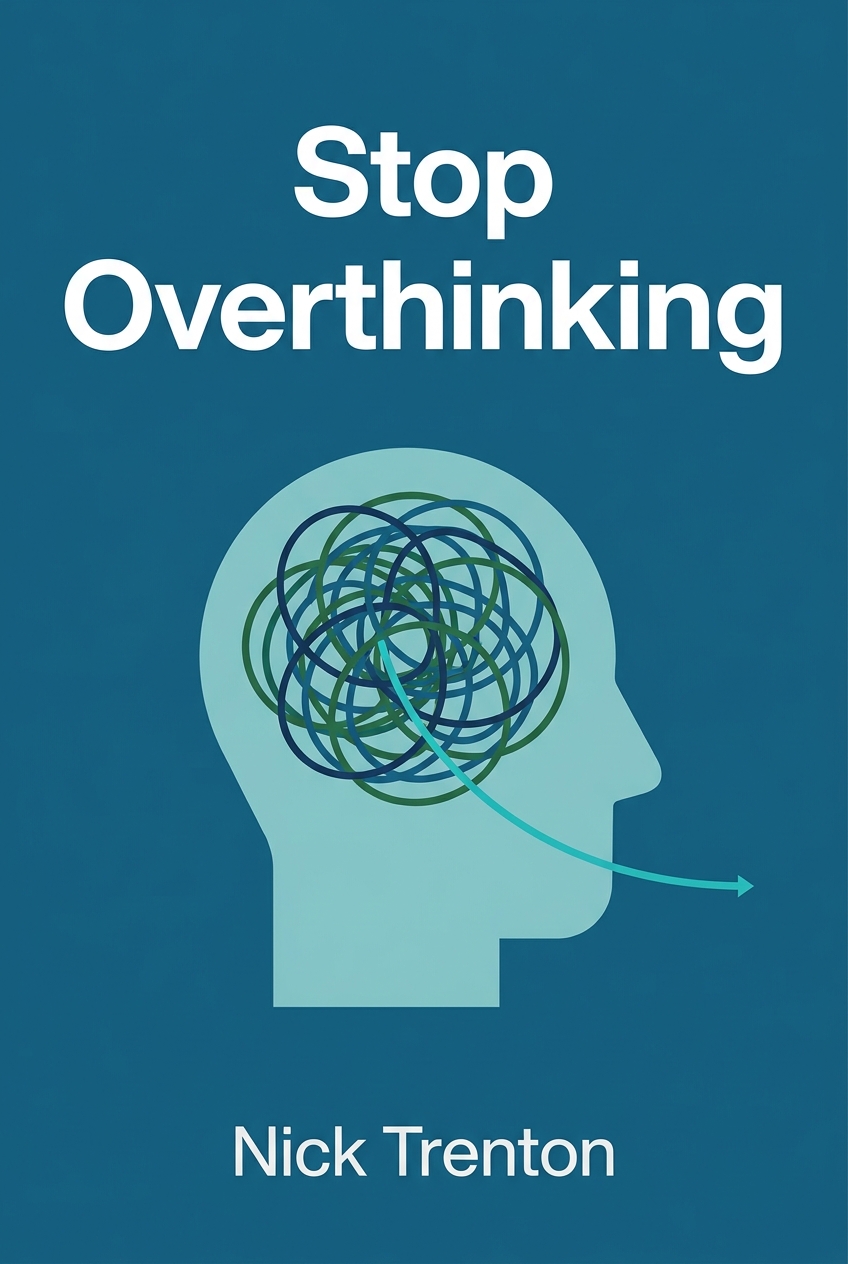
Stop Overthinking
Get 23 science-backed tools to break free from anxiety and negative thought loops.
- Identify and disarm anxiety triggers with a simple four-step process.
- Reframe negative thoughts to change your brain's default patterns.
- Actionable strategies can stop mental spirals in their tracks.
Chronic overthinkers looking for practical, step-by-step techniques.
Get 23 science-backed tools to break free from anxiety and negative thought loops.
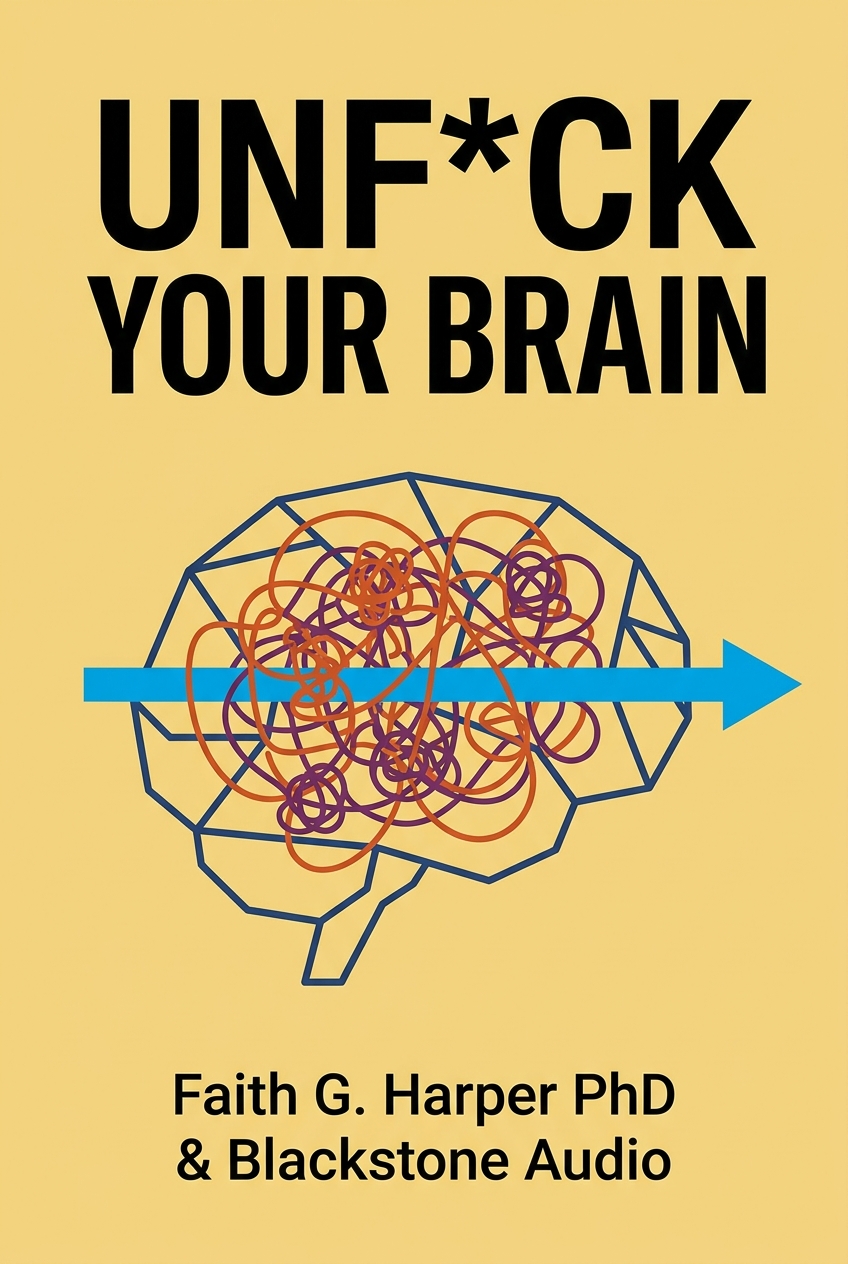
Unf*ck Your Brain
A no-nonsense guide to managing anxiety by understanding the science of your brain.
- Anxiety is often rooted in the brain's fight-or-flight response.
- You can recognize triggers and retrain your brain's reactions.
- Simple exercises can help manage trauma responses and emotional spirals.
Readers who appreciate a direct, science-based, and profanity-laced approach.
A no-nonsense guide to managing anxiety by understanding the science of your brain.
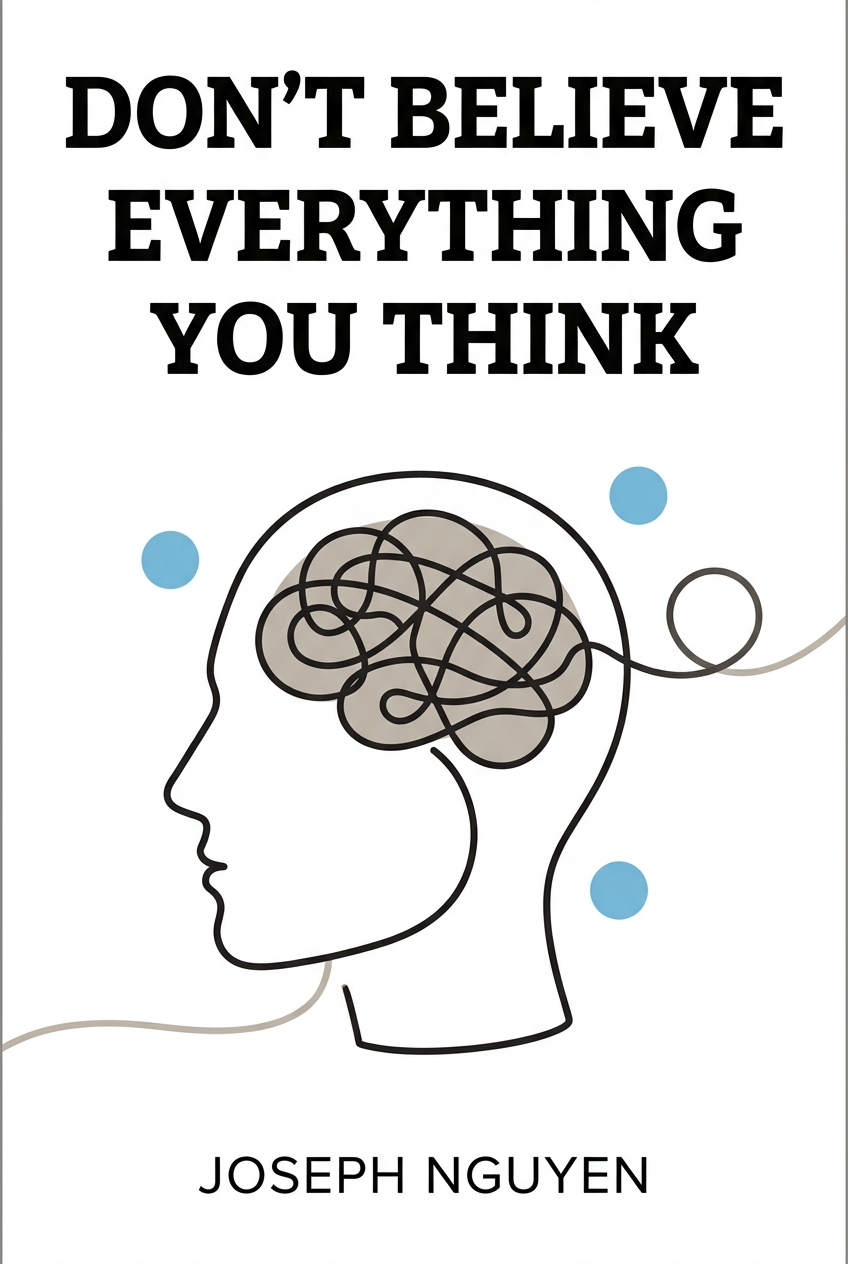
Don't Believe Everything You Think
Find effortless peace by understanding how your thoughts create your reality.
- Feelings originate from your thoughts, not external situations.
- Find peace by simply observing thoughts without judgment.
- Effortless change comes from insight, not from forcing positive thinking.
Those tired of complex coping techniques and seeking a simpler path to peace.
Find effortless peace by understanding how your thoughts create your reality.

The Body Keeps the Score
Learn how trauma reshapes your brain and why a body-based approach is key to healing.
- Trauma is stored physically in the body, not just in memory.
- Talk therapy alone is often insufficient for deep-seated trauma.
- Body-based practices like yoga and mindfulness regulate the nervous system.
Anyone seeking to understand the physical manifestations of past trauma.
Learn how trauma reshapes your brain and why a body-based approach is key to healing.
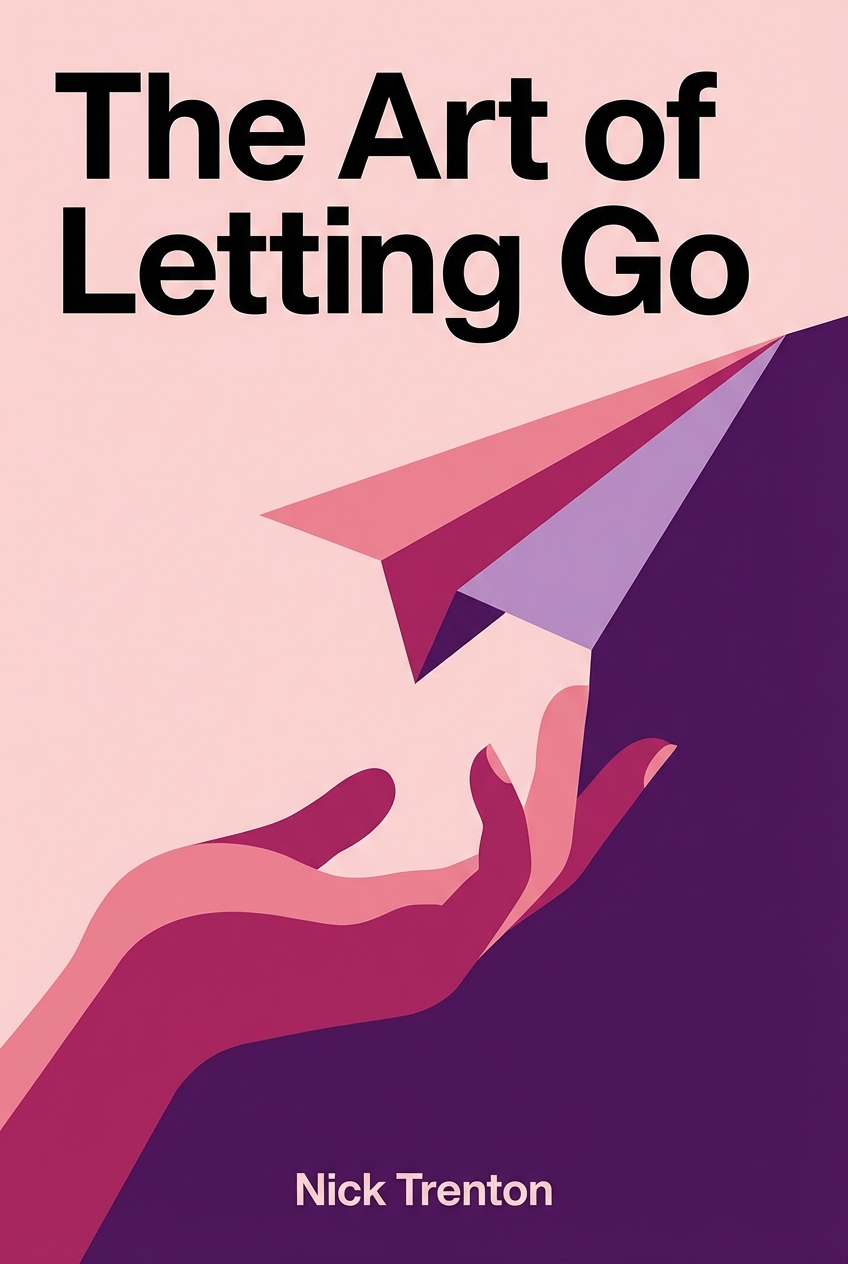
The Art of Letting Go
Silence your inner critic and detach from the thoughts and outcomes you can't control.
- Psychological traps, like rumination, keep you stuck in negativity.
- Let go of resentments and painful memories with specific techniques.
- Detaching from outcomes reduces suffering and increases peace.
Those who struggle with past regrets, resentment, or controlling their thoughts.
Silence your inner critic and detach from the thoughts and outcomes you can't control.
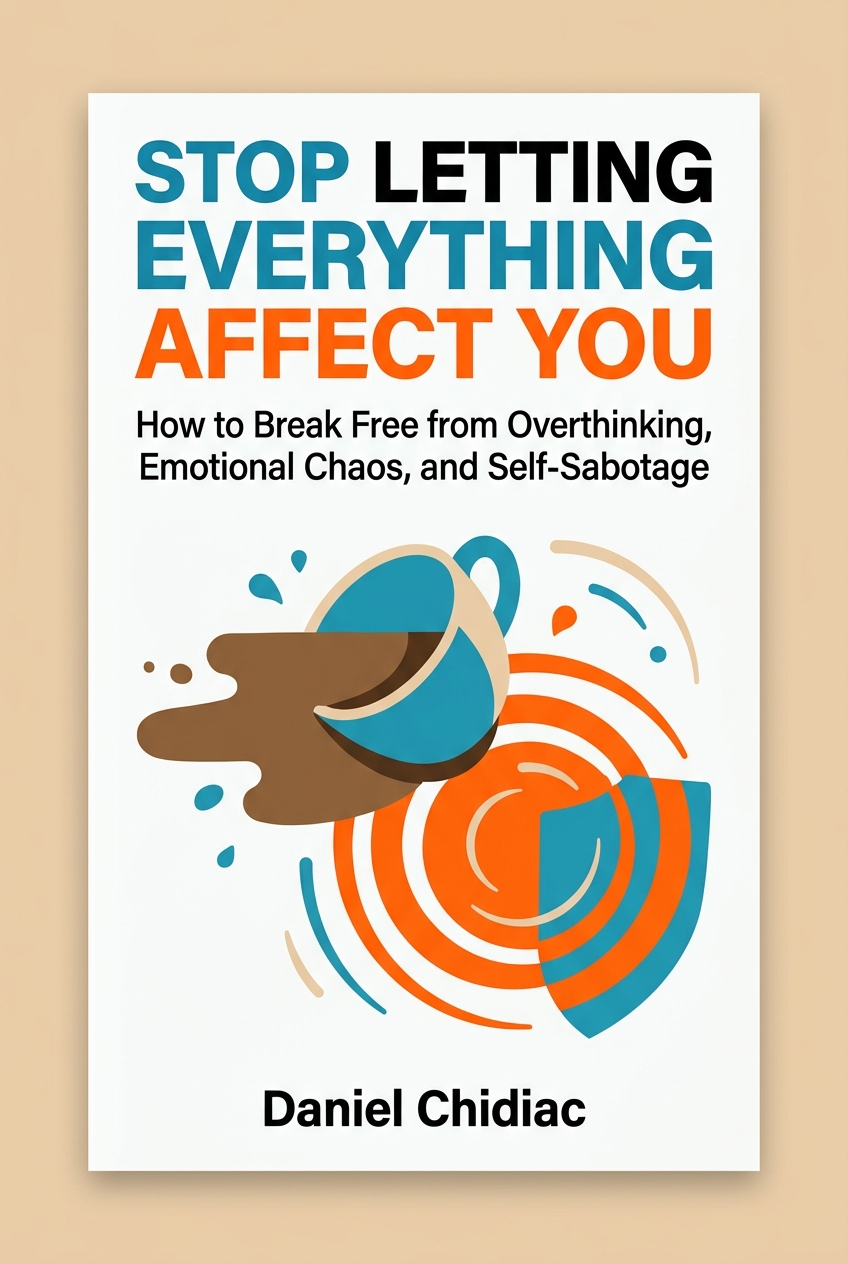
Stop Letting Everything Affect You
Master your emotions and stop letting external events control your inner peace.
- Build self-awareness to understand your emotional triggers.
- Challenge and reframe negative thought patterns that lead to overreaction.
- Cultivate a mindset that empowers you to choose your responses.
Highly sensitive people feeling easily overwhelmed by life's daily chaos.
Master your emotions and stop letting external events control your inner peace.
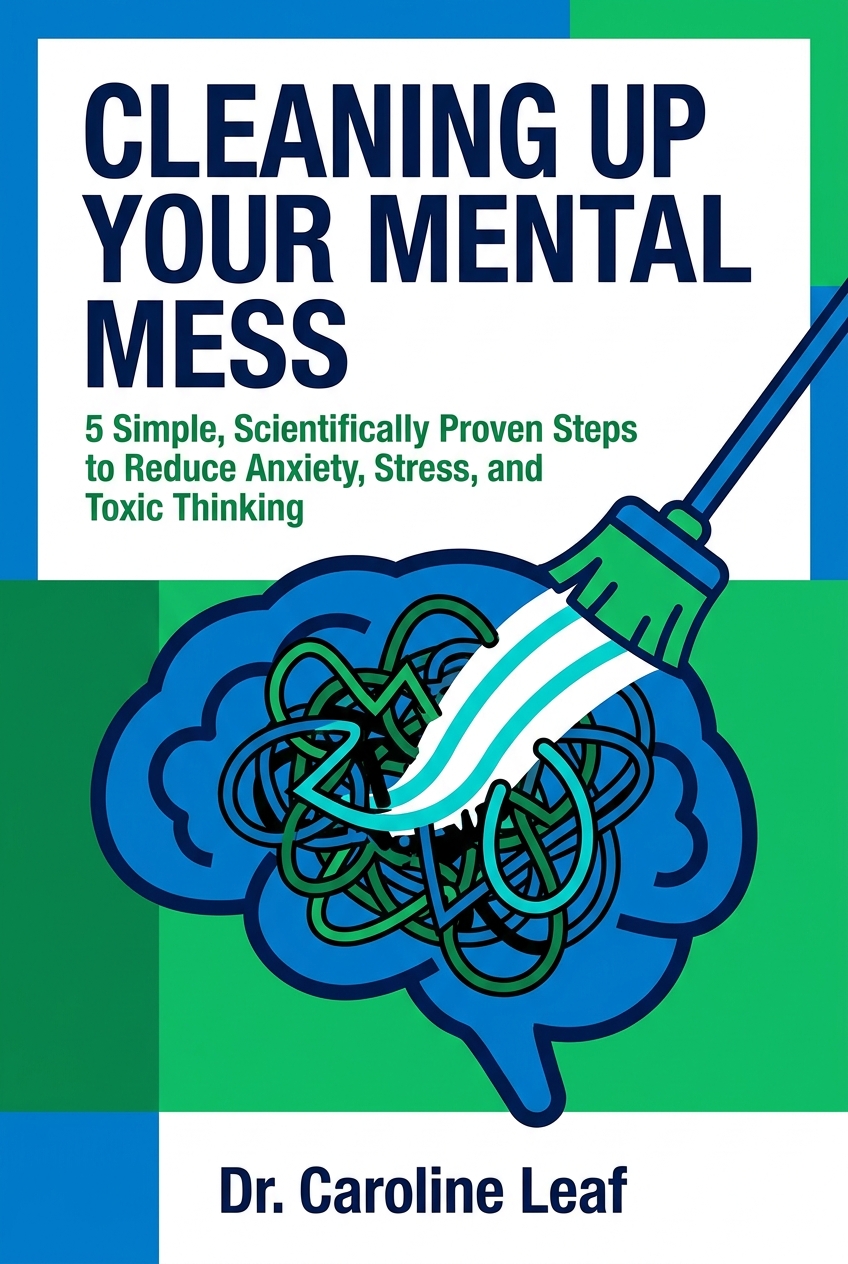
Cleaning Up Your Mental Mess
Use a 5-step, 15-minute daily plan to rewire your brain and eliminate toxic thoughts.
- The Neurocycle is a 5-step process to manage and reframe your thinking.
- It's possible to find the root cause of mental mess, not just the symptoms.
- You can turn toxic thought patterns into healthy ones with deliberate practice.
People looking for a structured, scientific system to detox their thought life.
Use a 5-step, 15-minute daily plan to rewire your brain and eliminate toxic thoughts.
The Mind-Gut Connection
Discover the hidden conversation between your gut and brain that shapes your mood.
- The gut microbiome directly communicates with the brain, influencing emotions.
- The food you eat can impact anxiety, depression, and decision-making.
- You can improve mental health by nurturing your gut health.
Anyone interested in the link between diet, digestion, and mental well-being.
Discover the hidden conversation between your gut and brain that shapes your mood.
The Happiness Advantage
Discover why happiness fuels success—not the other way around—and how to get it.
- Happiness and optimism are prerequisites for high performance.
- Your brain can be rewired for positivity through simple, daily habits.
- Unlock seven actionable principles to boost happiness and productivity.
Anyone looking to improve their work and personal life through positivity.
Discover why happiness fuels success—not the other way around—and how to get it.
Frequently Asked Questions
Books on stress management distill complex psychology and neuroscience into actionable advice. They provide new perspectives on what causes stress and offer a toolkit of proven techniques to manage anxiety, build resilience, and improve your overall well-being.
You can learn a wide range of strategies, from mindfulness and meditation to cognitive reframing. Many of the best books about stress also cover body-based approaches, habit formation, and how to improve your gut-brain connection for better mental health.
Yes, this list includes a variety of options. Books like 'Why Has Nobody Told Me This Before?' offer a great introduction for beginners, while titles like 'The Body Keeps the Score' provide a deeper dive into the science of trauma and stress.