
Books Rich People Read
What do the world's wealthiest individuals have in common? A commitment to continuous learning. They don't just read; they strategically absorb insights to refine their mindset and make smarter decisions. This essential reading list goes beyond simple money tips, offering foundational wisdom on finance, psychology, and entrepreneurship. It's a collection of must-read titles that reframe your relationship with wealth and success, providing a blueprint for building your own fortune. Curated by the VoxBrief team.
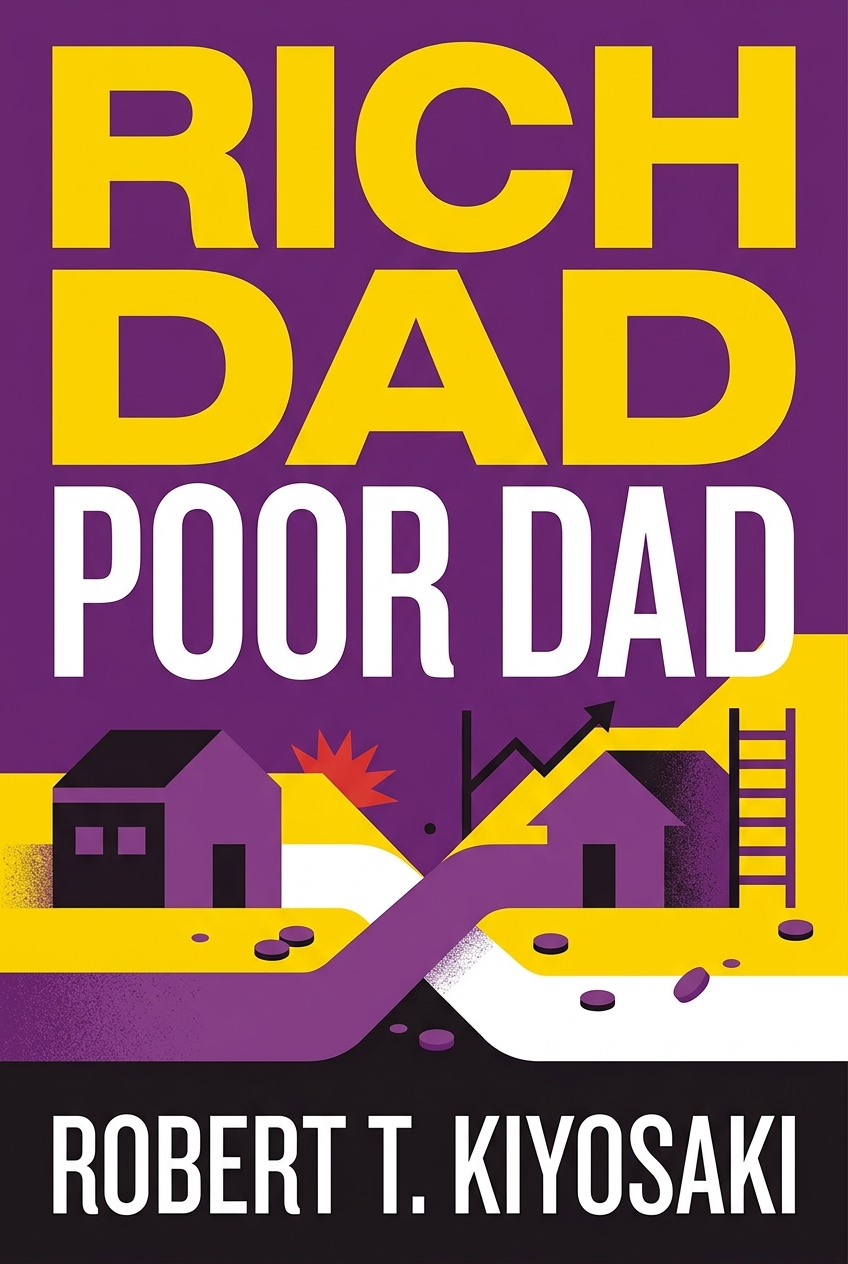
Rich Dad Poor Dad
Learn why the rich don't work for money and how to make money work for you.
- Focus on acquiringincome-producing assets, not liabilities.
- Financial intelligence is more important than a high salary for building wealth.
- Your mind is your most powerful asset; invest in your financial education first.
Anyone looking to escape the 'rat race' and build financial literacy.
Learn why the rich don't work for money and how to make money work for you.
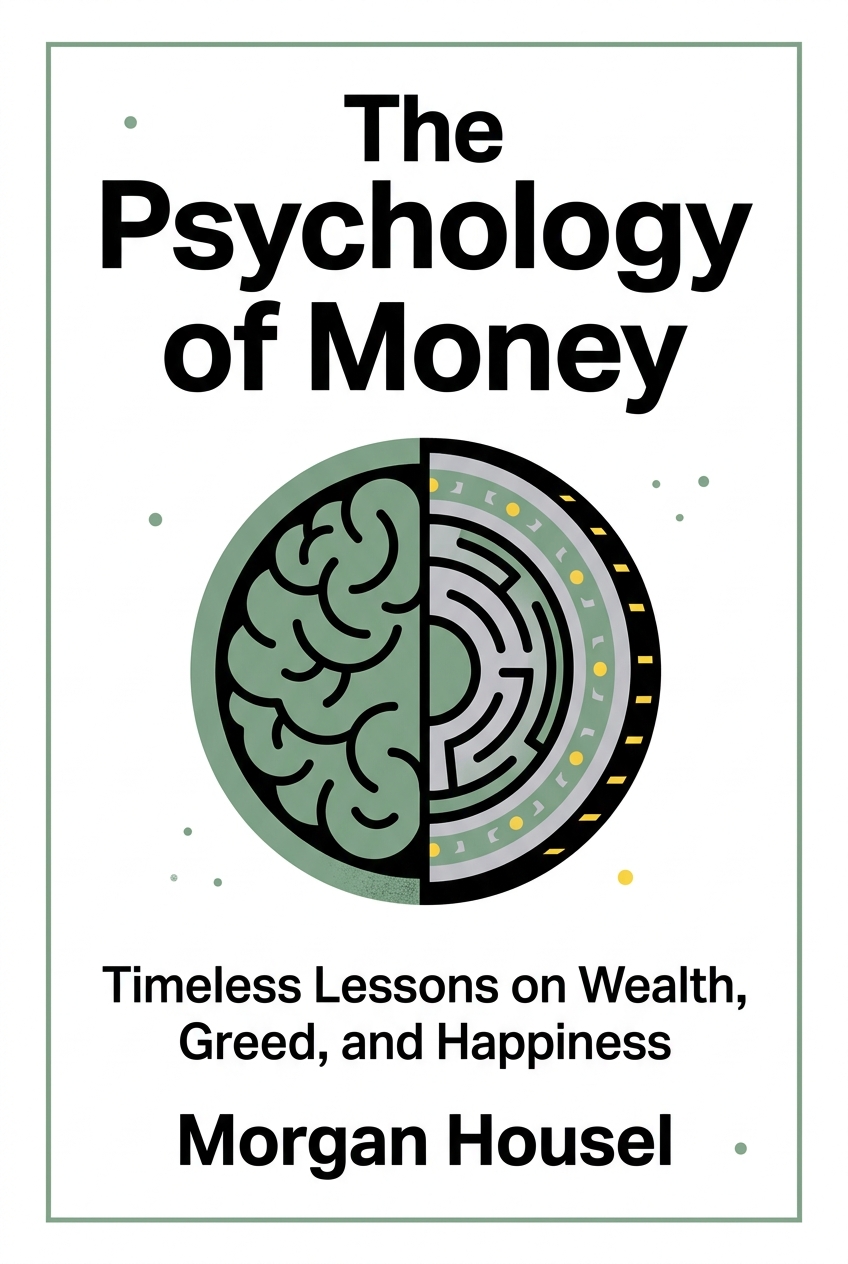
The Psychology of Money
Discover how your behavior, not intelligence, drives your financial success.
- True wealth is what you don't see; it's money not spent.
- Staying wealthy is harder than getting wealthy; it requires humility.
- The highest dividend money pays is the ability to control your time.
Investors who want to understand the emotional side of money management.
Discover how your behavior, not intelligence, drives your financial success.
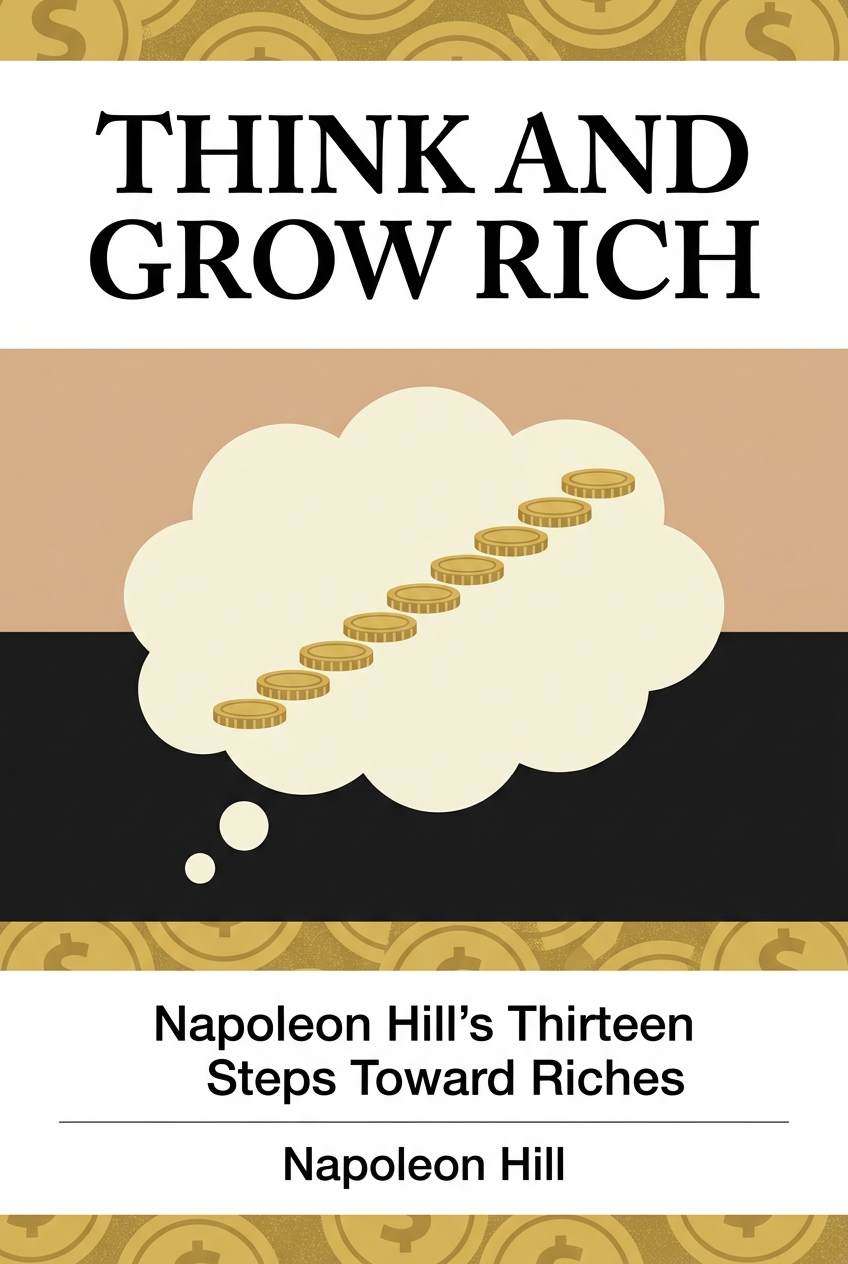
Think and Grow Rich
Master the thirteen proven principles for transmuting desire into riches.
- A burning desire is the essential starting point of all achievement.
- Create a 'Master Mind' alliance to multiply your knowledge and power.
- Transform thoughts into reality through persistence and a definite plan.
Goal-setters and entrepreneurs seeking a classic formula for success.
Master the thirteen proven principles for transmuting desire into riches.
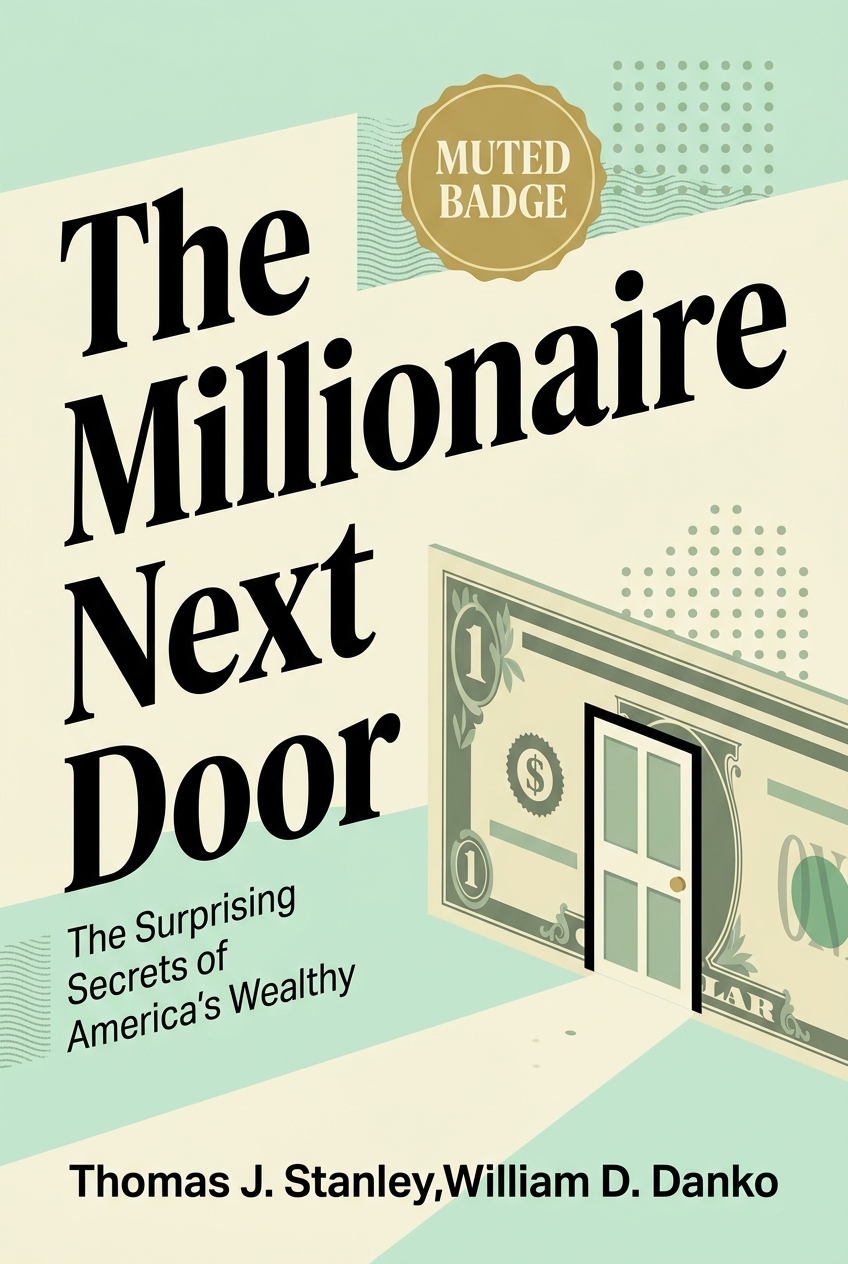
The Millionaire Next Door
Uncover the surprising, frugal habits of America's hidden millionaires.
- True wealth is often inconspicuous, built on discipline and frugality.
- Financial independence is more important than displaying high social status.
- Live below your means and consistently invest your surplus income.
High-income earners who want to convert their salary into lasting wealth.
Uncover the surprising, frugal habits of America's hidden millionaires.
What Would the Rockefellers Do?
Learn the generational wealth secrets of the world's richest families.
- Use life insurance as a private banking system to fund investments.
- Turn large expenses like taxes and interest into productive assets.
- Focus on building a financial system that works for you automatically.
Families aiming to build and preserve wealth across generations.
Learn the generational wealth secrets of the world's richest families.
Rich Dad Classics Boxed Set
A collection teaching you to build passive income and financial intelligence.
- Understand the cashflow quadrant (E, S, B, I) to achieve freedom.
- Build systems that generate income without your active involvement.
- Develop the financial literacy that traditional schools fail to teach.
Beginners seeking a comprehensive foundation in Robert Kiyosaki's philosophy.
A collection teaching you to build passive income and financial intelligence.
How to Be Rich
Learn the billionaire mindset directly from oil tycoon J. Paul Getty.
- Develop a 'millionaire mindset' focused on ownership and production.
- Invest in tangible assets you understand, especially during downturns.
- Believe that anyone with determination can achieve significant wealth.
Aspiring business owners who want timeless, no-nonsense financial advice.
Learn the billionaire mindset directly from oil tycoon J. Paul Getty.
The Magic of Short Books
Turn your expertise into a short book that attracts high-quality clients.
- A short, helpful book is a powerful marketing tool to build authority.
- Position yourself as the go-to expert to make clients come to you.
- Follow a simple formula to write and publish your book quickly and effectively.
Consultants, coaches, and experts looking for a unique marketing strategy.
Turn your expertise into a short book that attracts high-quality clients.
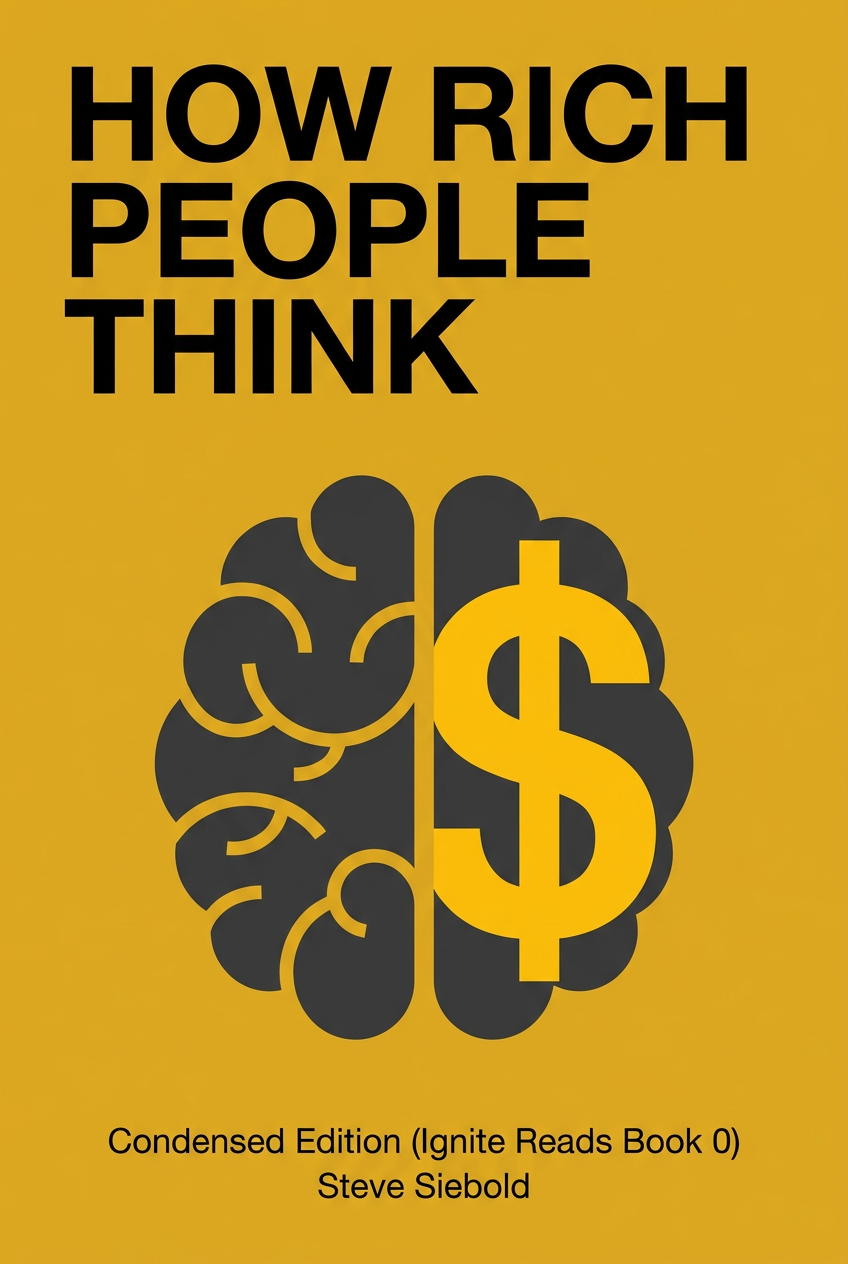
How Rich People Think
Master the 100 mental shifts that separate millionaires from everyone else.
- The wealthy view money as a game to be won, not a necessary evil.
- They focus on earning and investing rather than just saving and hoarding.
- They use other people's money and time to build their own fortune.
Individuals ready to challenge their limiting beliefs about money.
Master the 100 mental shifts that separate millionaires from everyone else.
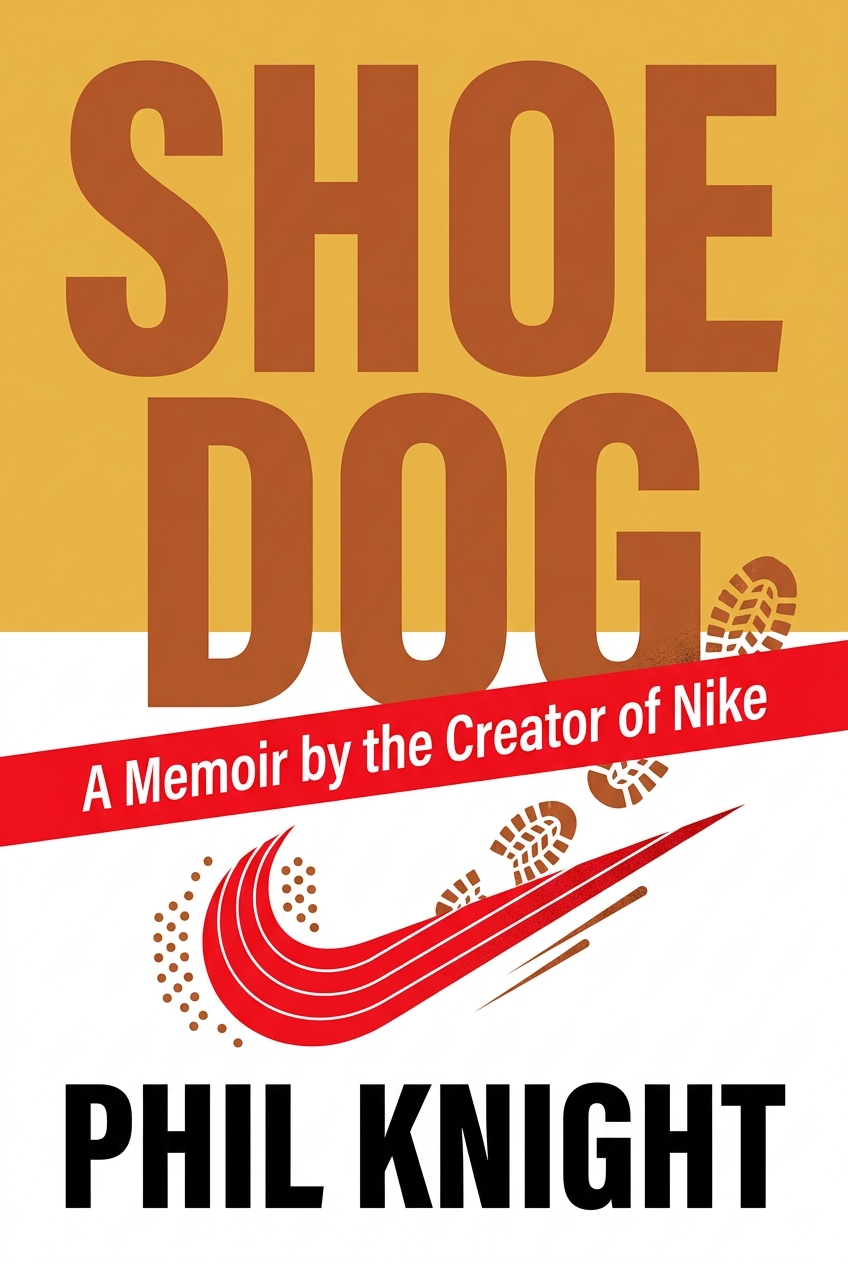
Shoe Dog
The raw, chaotic, and inspiring story of how Nike was built from nothing.
- Embrace uncertainty and chaos as a natural and necessary part of growth.
- Your mission and belief are more powerful than any formal business plan.
- Build a team of passionate misfits who are dedicated to the core vision.
Entrepreneurs who want an honest look at the reality of starting a business.
The raw, chaotic, and inspiring story of how Nike was built from nothing.
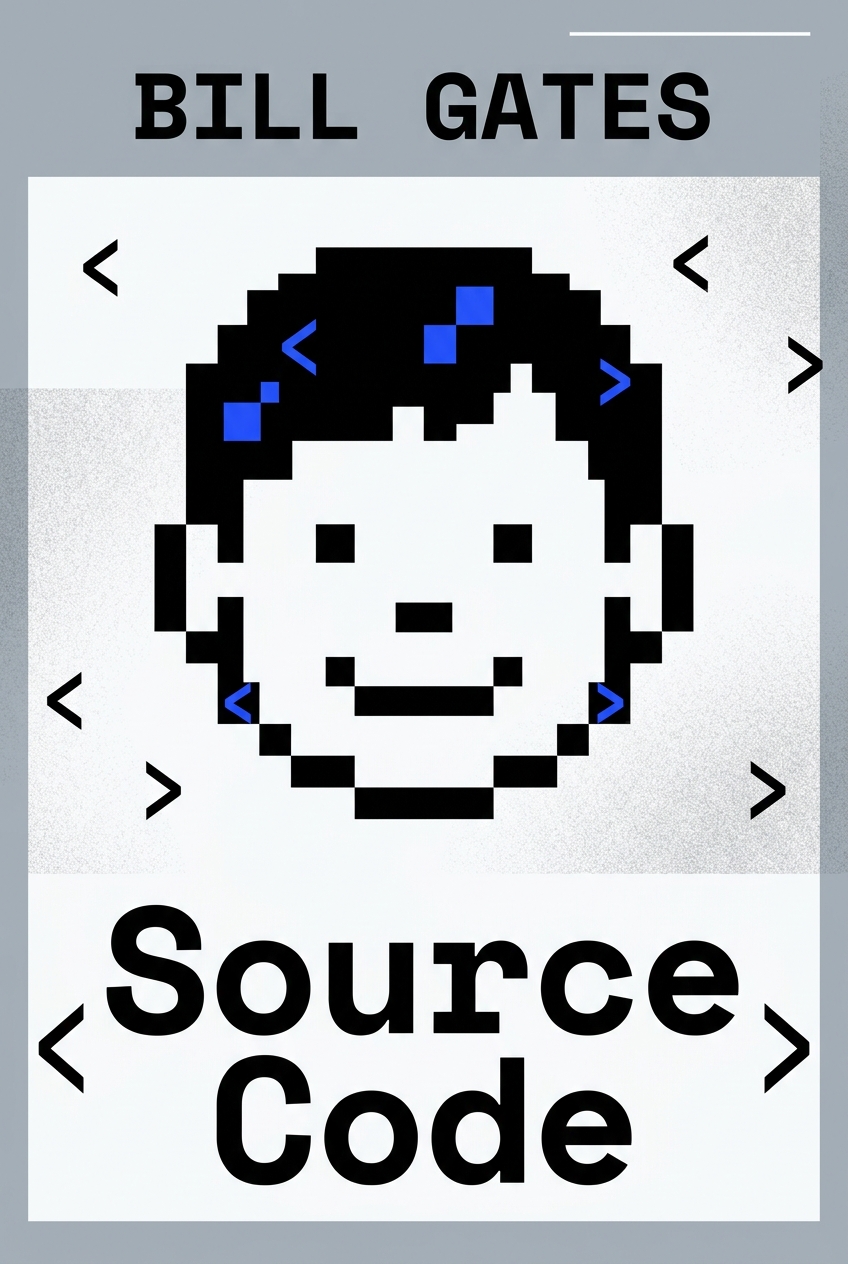
Source Code
Install Bill Gates's mental operating system for solving huge problems.
- Deconstruct complex problems into their fundamental, solvable components.
- Use mental models and frameworks to make better, faster decisions.
- Cultivate a mindset of continuous learning and spot future trends.
Ambitious thinkers and innovators who want to tackle world-changing challenges.
Install Bill Gates's mental operating system for solving huge problems.
Frequently Asked Questions
The most common themes are mindset and financial literacy. These books emphasize that wealth-building is less about get-rich-quick schemes and more about a long-term shift in how you think about money, assets, and problem-solving. They focus on continuous learning and strategic action.
Not at all. While they value financial education, many successful people like Bill Gates and Warren Buffett are voracious readers of history, biography, and science. A broad reading habit helps them spot patterns, understand human nature, and think more creatively.
The core principles in the best books rich people read are scalable. Start by changing your mindset: focus on learning, live below your means to create a saving surplus, and identify small asset opportunities. The journey starts with education and disciplined habits, not a large bank account.