Great Books On Emotional Intelligence
Understanding what is emotional intelligence is the first step toward greater success and well-being. Knowing why is emotional intelligence important helps you leverage feelings as assets rather than liabilities. Our list of great books on emotional intelligence provides expert guidance and actionable strategies to boost your EQ. From foundational texts to modern applications, these emotional intelligence book recommendations will help you master self-awareness and build stronger relationships. Curated by the VoxBrief team.
Emotional Intelligence 2.0
Turn your emotions into an asset with this roadmap to the four core EQ skills.
- Master four core EQ skills: self-awareness, self-management, social awareness, and relationship management.
- Use 66 practical strategies to boost your emotional intelligence in real-time.
- Understand that EQ is often a greater predictor of success than IQ.
Anyone seeking a practical, step-by-step guide to boosting their EQ.
Turn your emotions into an asset with this roadmap to the four core EQ skills.
Emotional Agility
Stop fighting difficult emotions and learn to use them as a guide to a better life.
- Face your feelings with curiosity instead of judging or avoiding them.
- Detach from unhelpful thought patterns and emotional hooks.
- Align your daily actions and choices with your deepest personal values.
Individuals struggling with stress, self-doubt, or negative thought loops.
Stop fighting difficult emotions and learn to use them as a guide to a better life.
Working with Emotional Intelligence
Learn why EQ is the single biggest predictor of professional success and develop it.
- Emotional competence is more critical than technical skill for career advancement.
- Master five core skills: self-awareness, self-regulation, motivation, empathy, and social skills.
- Apply proven strategies to manage stress and build stronger workplace connections.
Professionals and leaders aiming to improve their impact and career trajectory.
Learn why EQ is the single biggest predictor of professional success and develop it.
Social Intelligence
Master the hidden language of human connection and navigate any social situation.
- Our brains are wired for social connection, which influences every interaction.
- Learn to accurately read nonverbal cues and unspoken social signals.
- Use empathy to manage difficult conversations and influence others positively.
People looking to improve their social skills and form deeper connections.
Master the hidden language of human connection and navigate any social situation.
Hbr's 10 Must Reads on Emotional Intelligence
Master the one skill that separates good leaders from truly great ones.
- EQ is a learnable skill and is more critical than IQ for leadership success.
- Develop self-awareness to recognize how your emotions affect your team.
- Build resilient teams by managing conflict and making smart decisions under pressure.
Aspiring and current leaders who want a collection of expert insights on EQ.
Master the one skill that separates good leaders from truly great ones.

HBR Emotional Intelligence Boxed Set
Get a masterclass in EQ's core pillars to lead with influence and resilience.
- Master the five pillars of EQ: self-awareness, regulation, motivation, empathy, social skill.
- Use HBR frameworks to handle difficult people and high-stakes situations.
- Build strong, resilient teams by fostering a positive emotional climate.
Executives seeking a comprehensive toolkit for emotionally intelligent leadership.
Get a masterclass in EQ's core pillars to lead with influence and resilience.
Emotional Intelligence in the Workplace
Use EQ to navigate office politics and become the leader you were meant to be.
- Handle workplace conflict with grace and professionalism.
- Deliver constructive feedback that motivates and inspires action.
- Build genuine connections with colleagues by understanding their perspectives.
Professionals tired of communication breakdowns and office politics at work.
Use EQ to navigate office politics and become the leader you were meant to be.
The New Emotional Intelligence
Master your feelings to stay calm and in control, no matter the challenge.
- Top performers utilize four core EQ skills to their advantage.
- Apply science-backed strategies to manage stress and understand personal triggers.
- Develop a resilient mindset to stay focused and make better decisions.
Individuals wanting to build mental resilience and stop emotions from hijacking decisions.
Master your feelings to stay calm and in control, no matter the challenge.
Stop Overthinking
Break free from anxiety-fueled thought loops with 23 actionable techniques.
- Identify and disarm your specific anxiety triggers in four simple steps.
- Reframe negative thoughts to break out of destructive mental spirals.
- Use practical exercises to reclaim your mental space and focus on the present.
Anyone trapped in cycles of worry, anxiety, and worst-case-scenario thinking.
Break free from anxiety-fueled thought loops with 23 actionable techniques.
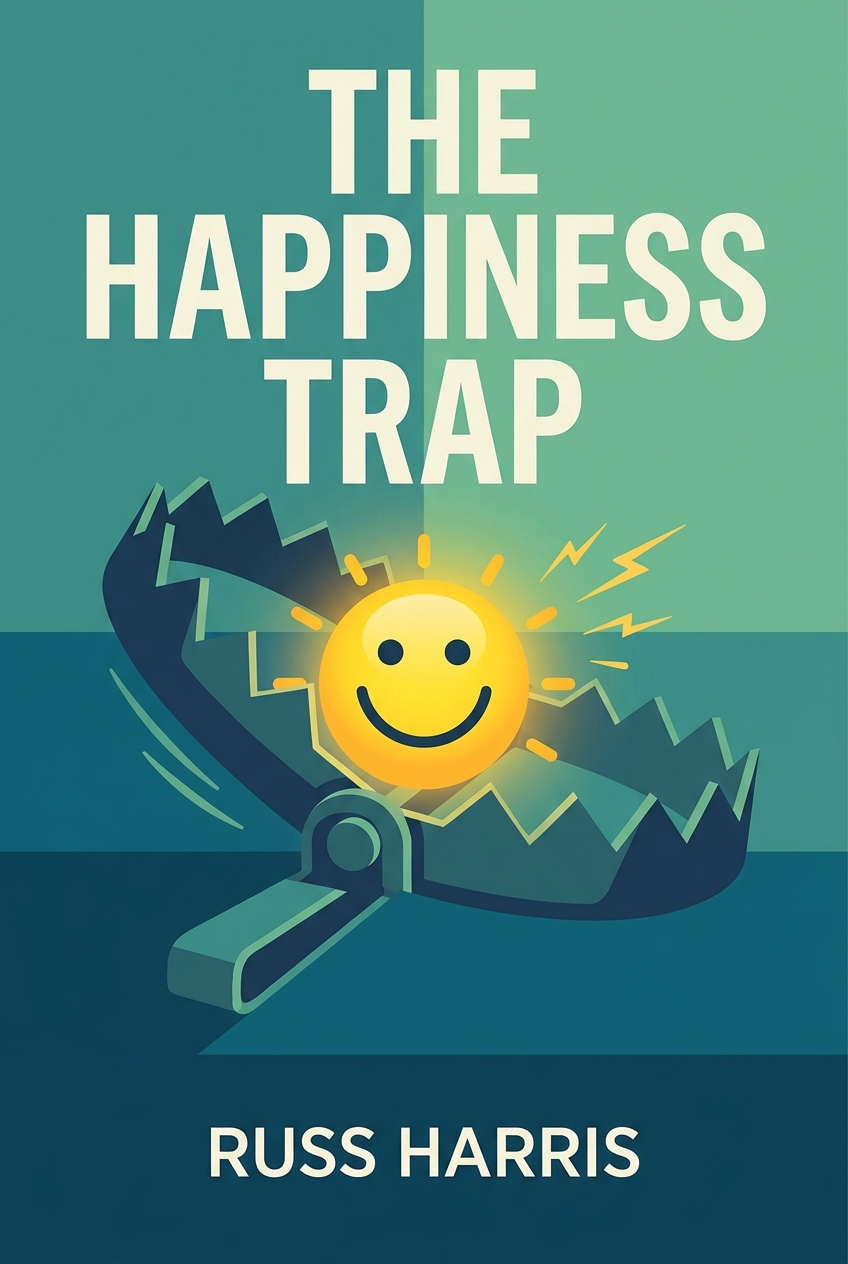
The Happiness Trap
Find genuine contentment by ending the stressful and constant pursuit of happiness.
- The constant pursuit of positive feelings is often a source of misery.
- Use Acceptance and Commitment Therapy (ACT) to handle painful feelings effectively.
- Live a rich and meaningful life guided by your core values.
People feeling stressed or anxious from the pressure to always be happy.
Find genuine contentment by ending the stressful and constant pursuit of happiness.
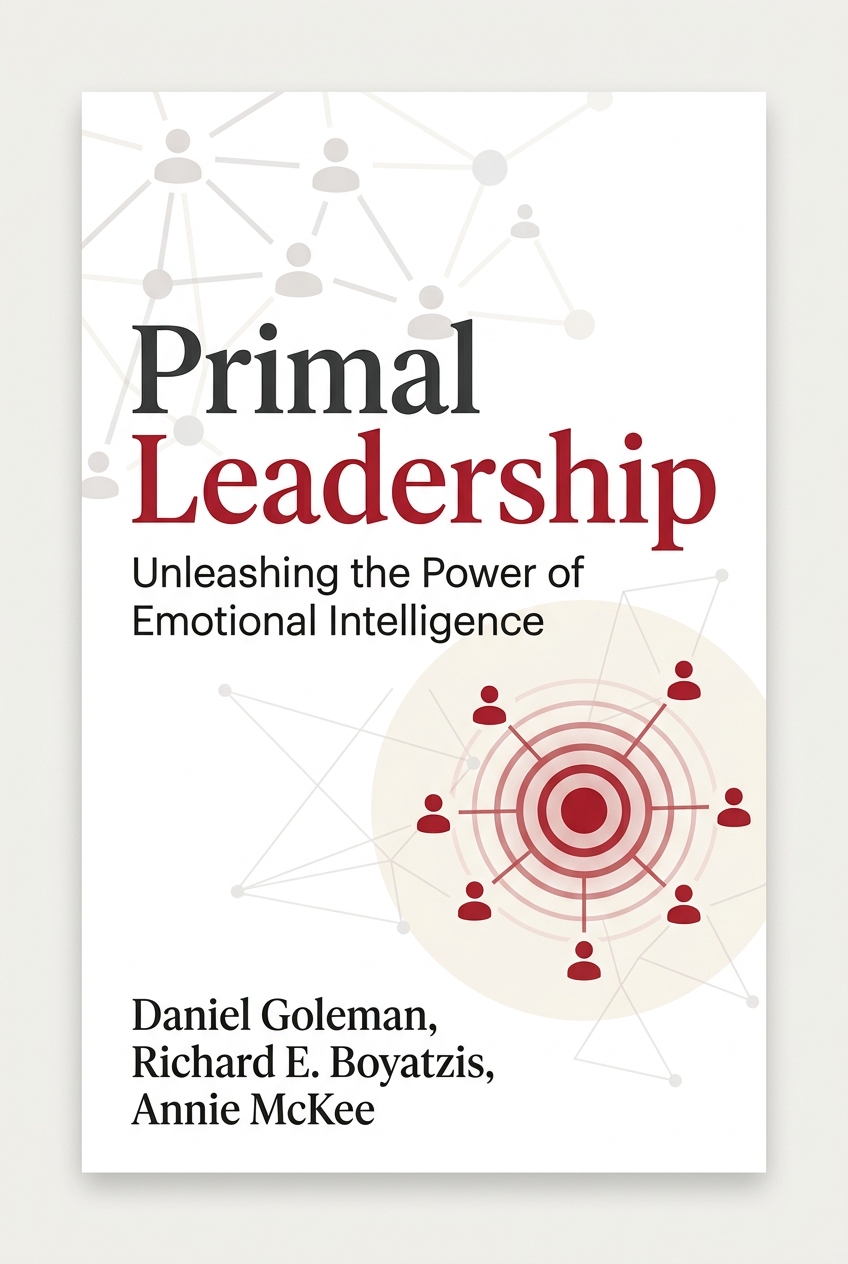
Primal Leadership
Unlock your team's potential by understanding the power of a leader's emotions.
- A leader's mood is contagious and directly impacts team performance.
- Create "resonance" by mastering the four dimensions of emotional intelligence.
- Foster a positive emotional environment to boost productivity and loyalty.
Leaders who want to inspire their teams and create a positive work culture.
Unlock your team's potential by understanding the power of a leader's emotions.
Frequently Asked Questions
Absolutely. Emotional intelligence (EQ) is not a fixed trait; it's a flexible set of skills that can be learned and developed over time. By practicing self-awareness, empathy, and emotional regulation, you can significantly enhance your EQ and its positive impact on your life.
Many factors can contribute to struggles with emotional intelligence, including past experiences, learned habits, and a lack of awareness. The key is recognizing that it's a common challenge and that dedicated practice using strategies from some of the best books about emotional intelligence can lead to significant improvement.
Long-term improvement in emotional intelligence comes from consistent practice. Start by focusing on one skill, like noticing your emotional triggers. Regularly practice empathy by trying to see situations from others' perspectives. Over time, these small, consistent efforts build into lasting habits.