Best Books On Physical Fitness
Understanding why fitness is important is the first step towards a healthier life. But figuring out how to improve fitness can feel overwhelming with all the conflicting advice out there. That's why we've compiled this list of the best fitness books to guide you. From the science of muscle growth to practical plans for every age and goal, these fitness book recommendations provide the clear, evidence-based knowledge you need to build a stronger, healthier you. Curated by the VoxBrief team.
Bigger Leaner Stronger
A science-based blueprint for building muscle and shedding fat without myths.
- Focus on progressive overload to consistently challenge your muscles.
- Master compound lifts like squats, deadlifts, and bench presses.
- Follow a flexible dieting approach based on macronutrient tracking.
Men tired of ineffective gym routines seeking a no-nonsense plan.
A science-based blueprint for building muscle and shedding fat without myths.
The New Encyclopedia of Modern Bodybuilding
Arnold Schwarzenegger's definitive guide to building a legendary physique.
- Utilize specialization programs to target and grow specific muscles.
- Master the mind-muscle connection for more effective workouts.
- Proper nutrition is just as crucial as the training itself.
Aspiring bodybuilders who want to learn from a legendary champion.
Arnold Schwarzenegger's definitive guide to building a legendary physique.
Thinner Leaner Stronger
The ultimate female Gfitness guide for building lean muscle and strength.
- Prioritize heavy compound lifting over endless cardio for toning.
- Debunks common fitness myths that specifically hold women back.
- Learn to eat for your goals with flexible dieting principles.
Women wanting to build a strong, toned body with strength training.
The ultimate female Gfitness guide for building lean muscle and strength.
Science of Strength Training
Demystify how muscles grow and how to train for maximum effectiveness.
- Understand the physiology of muscle hypertrophy to train smarter.
- Learn to select exercises based on anatomical function.
- Fuel your body correctly based on scientific performance principles.
Fitness enthusiasts who want to understand the 'why' of their workouts.
Demystify how muscles grow and how to train for maximum effectiveness.
New Anatomy for Strength & Fitness Training
An illustrated guide showing which muscles are worked in every exercise.
- Visualize muscle engagement to perfect your form and technique.
- Effectively target specific muscles for balanced development.
- Learn how to prevent common injuries by understanding biomechanics.
Visual learners wanting to perfect form and mind-muscle connection.
An illustrated guide showing which muscles are worked in every exercise.
Science of Stretch
A science-backed approach to flexibility for real, lasting results.
- Learn the difference between static and dynamic stretching for best results.
- Apply specific stretches to release tension and improve mobility.
- Create a personalized routine that targets your unique stiffness.
Anyone feeling stiff or wanting to improve their flexibility safely.
A science-backed approach to flexibility for real, lasting results.
Strength Training Past 50
A safe and effective roadmap to reverse muscle loss after 50.
- Use strength training to boost metabolism and increase bone density.
- Follow programs designed for safety and joint protection.
- Adapt nutrition and recovery for the needs of a mature body.
Individuals over 50 seeking to build strength, balance, and vitality.
A safe and effective roadmap to reverse muscle loss after 50.
The Men's Fitness Exercise Bible
Get 101 of the best workouts designed to build muscle and torch fat.
- Access a huge variety of workouts for any fitness goal.
- Learn strategies to break through frustrating training plateaus.
- Choose the right exercises to sculpt a powerful physique.
Gym-goers looking for new, effective workout routines to follow.
Get 101 of the best workouts designed to build muscle and torch fat.
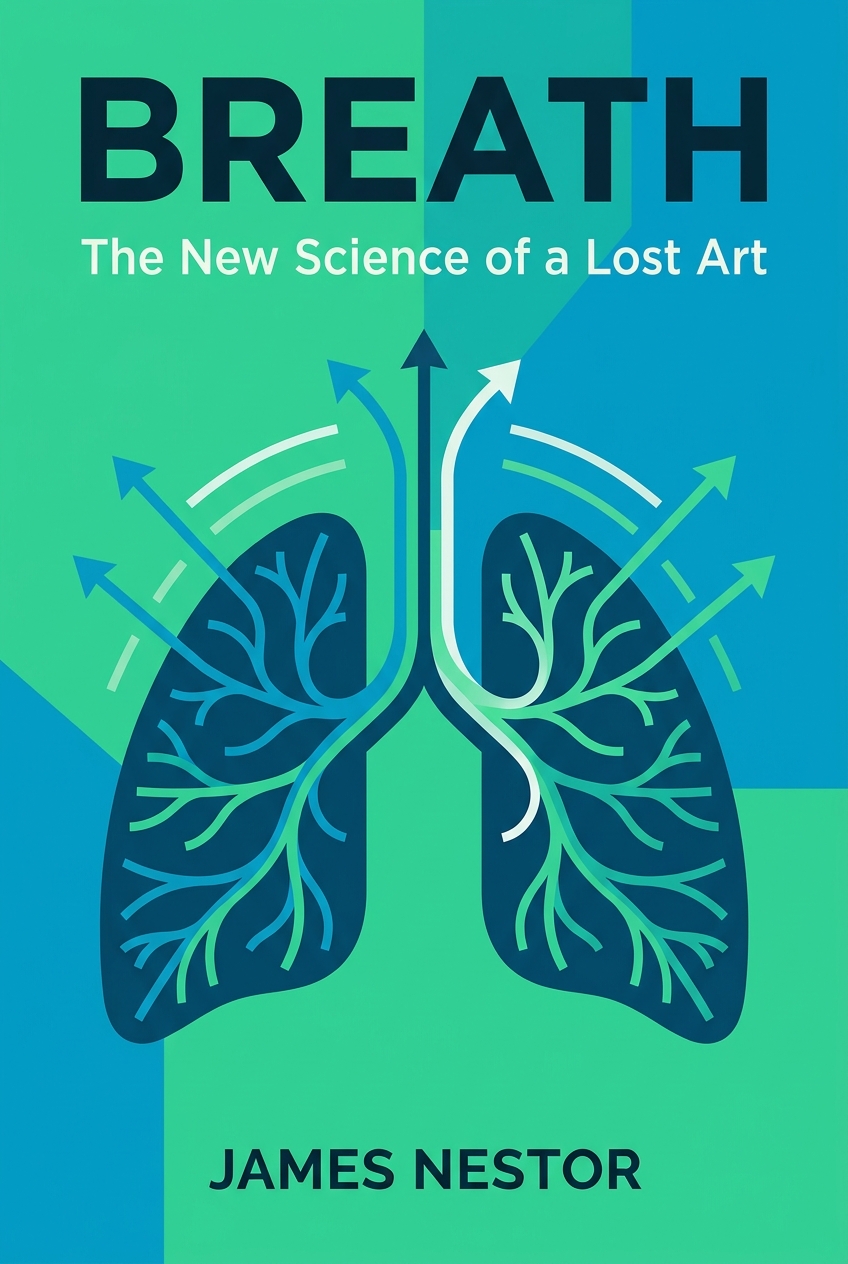
Breath
Reclaim the lost art of breathing for better health, sleep, and focus.
- Nasal breathing is superior to mouth breathing for overall health.
- Slow, deliberate breathing can reduce stress and anxiety.
- Proper breathing techniques can improve athletic performance.
Anyone looking to improve health via a foundational, overlooked habit.
Reclaim the lost art of breathing for better health, sleep, and focus.
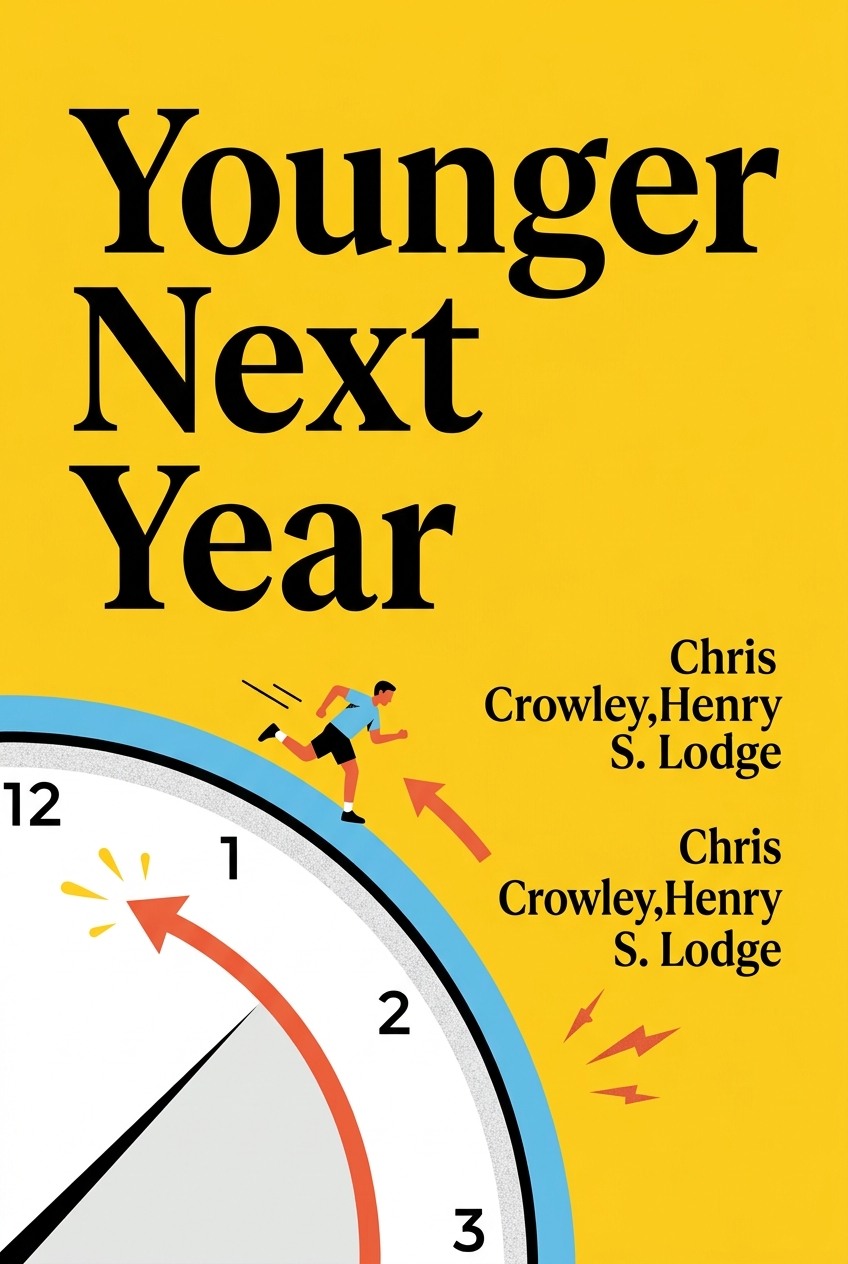
Younger Next Year
Turn back your biological clock with seven science-backed lifestyle rules.
- Serious, consistent exercise is key to negating typical aging.
- Prevent 70% of normal aging decay and 50% of serious illness.
- Connection and commitment are crucial for a youthful life.
People in their 40s+ who want to live vibrantly, not just longer.
Turn back your biological clock with seven science-backed lifestyle rules.
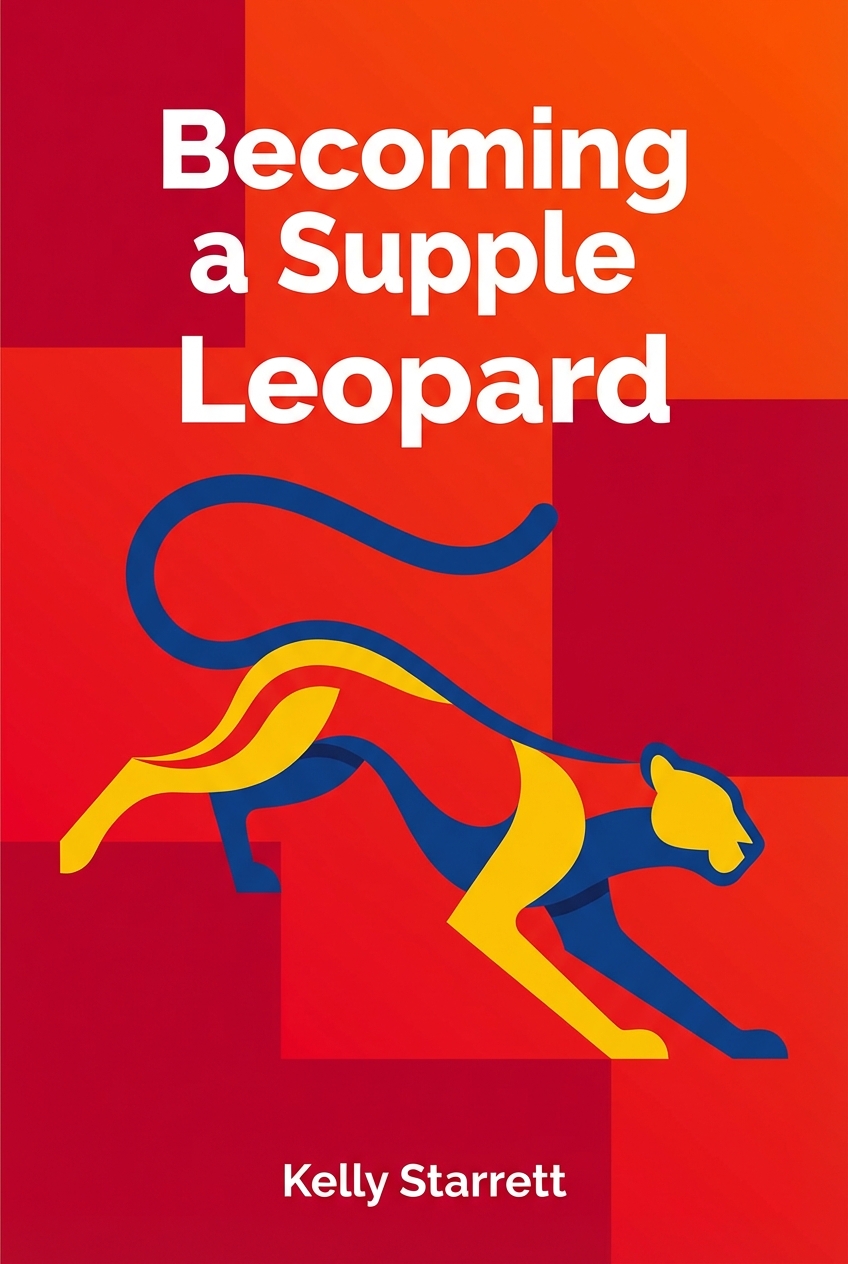
Becoming a Supple Leopard
A system for diagnosing movement patterns to prevent injury and pain.
- Identify and correct dysfunctional movement to resolve pain.
- Use mobility techniques to improve range of motion and performance.
- Develop a resilient body prepared for any physical challenge.
Athletes and trainees plagued by aches, pains, or poor mobility.
A system for diagnosing movement patterns to prevent injury and pain.
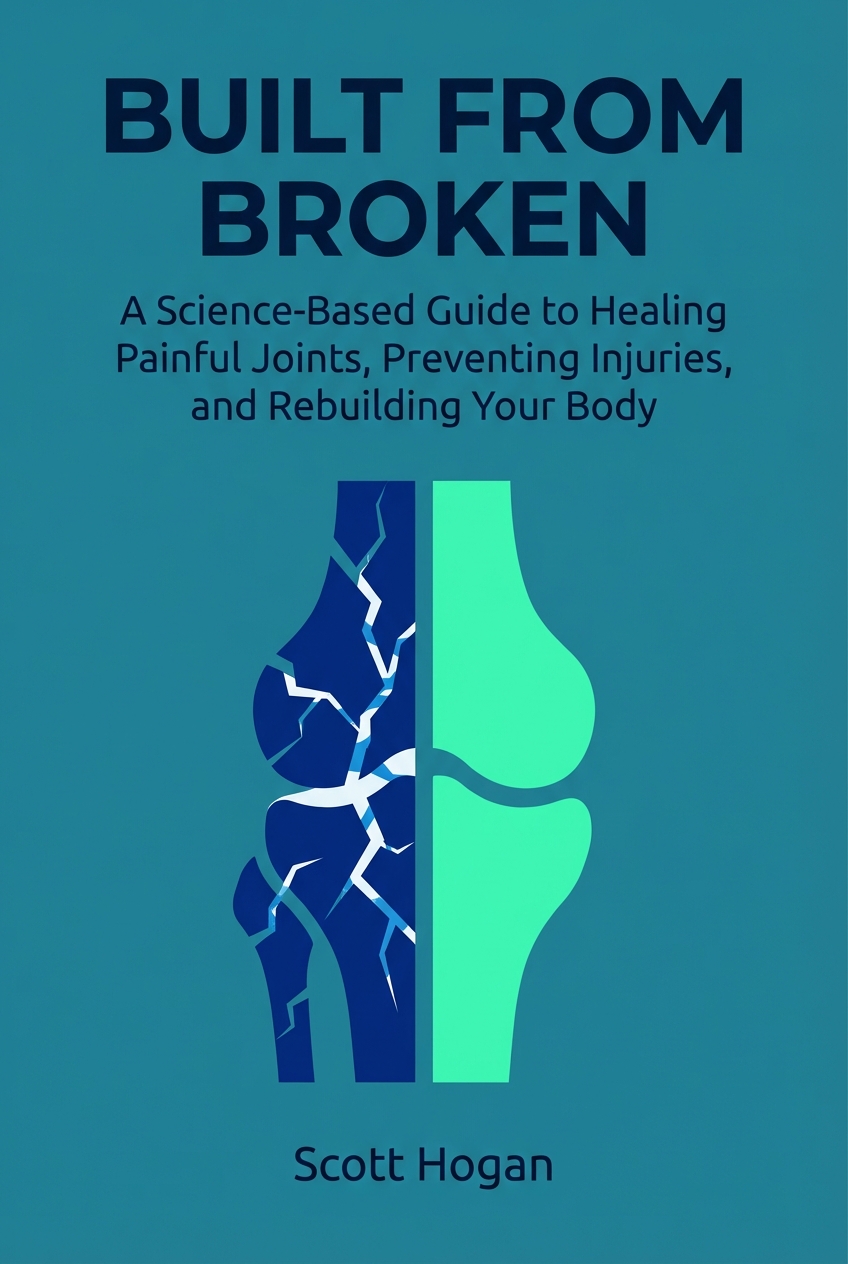
Built From Broken
A science-backed roadmap to rebuild your body and overcome chronic pain.
- Address the root causes of joint pain, not just the symptoms.
- Implement targeted exercises to bulletproof your joints.
- Fix dysfunctional movement patterns for long-term resilience.
Individuals struggling with chronic joint pain or recurring injuries.
A science-backed roadmap to rebuild your body and overcome chronic pain.
Frequently Asked Questions
The science of fitness involves understanding how the body adapts to physical stress. This includes exercise physiology (how muscles grow), biomechanics (the mechanics of movement), and nutrition science (how food fuels performance). Great books on this topic break down these principles so you can train more effectively.
You may feel results like improved mood and energy within the first week. Noticeable physical changes, such as muscle gain or fat loss, typically take 4-8 weeks of consistent effort. Your genetics, diet, and program intensity all play a significant role in your timeline.
Yes, fitness is very safe for beginners when approached correctly. It's crucial to start slowly, focus on proper form, and listen to your body to avoid injury. Many of the best books on physical fitness provide beginner-friendly plans and teach foundational movements for a safe start.