Haruki Murakami Books
Information about Haruki Murakami often highlights his unique blend of magical realism, mundane life, and pop culture. His distinctive haruki murakami writing style features talking cats, mysterious wells, and lonely protagonists searching for meaning. This comprehensive haruki murakami book list is designed to guide both new readers and devoted fans through our list of haruki murakami books. From haunting love stories and epic quests to insightful non-fiction on writing and running, his work defies easy categorization. Discover your next obsession with a journey into one of literature's most imaginative minds. Curated by the VoxBrief team.

Norwegian Wood
Explore a bittersweet story of first love, loss, and nostalgia in 1960s Tokyo.
- Nostalgia powerfully shapes our transition to adulthood.
- Youthful passion is often intertwined with grief and mental health struggles.
- Our relationships define our search for identity and belonging.
Readers drawn to poignant, character-driven stories of love and loss.
Explore a bittersweet story of first love, loss, and nostalgia in 1960s Tokyo.
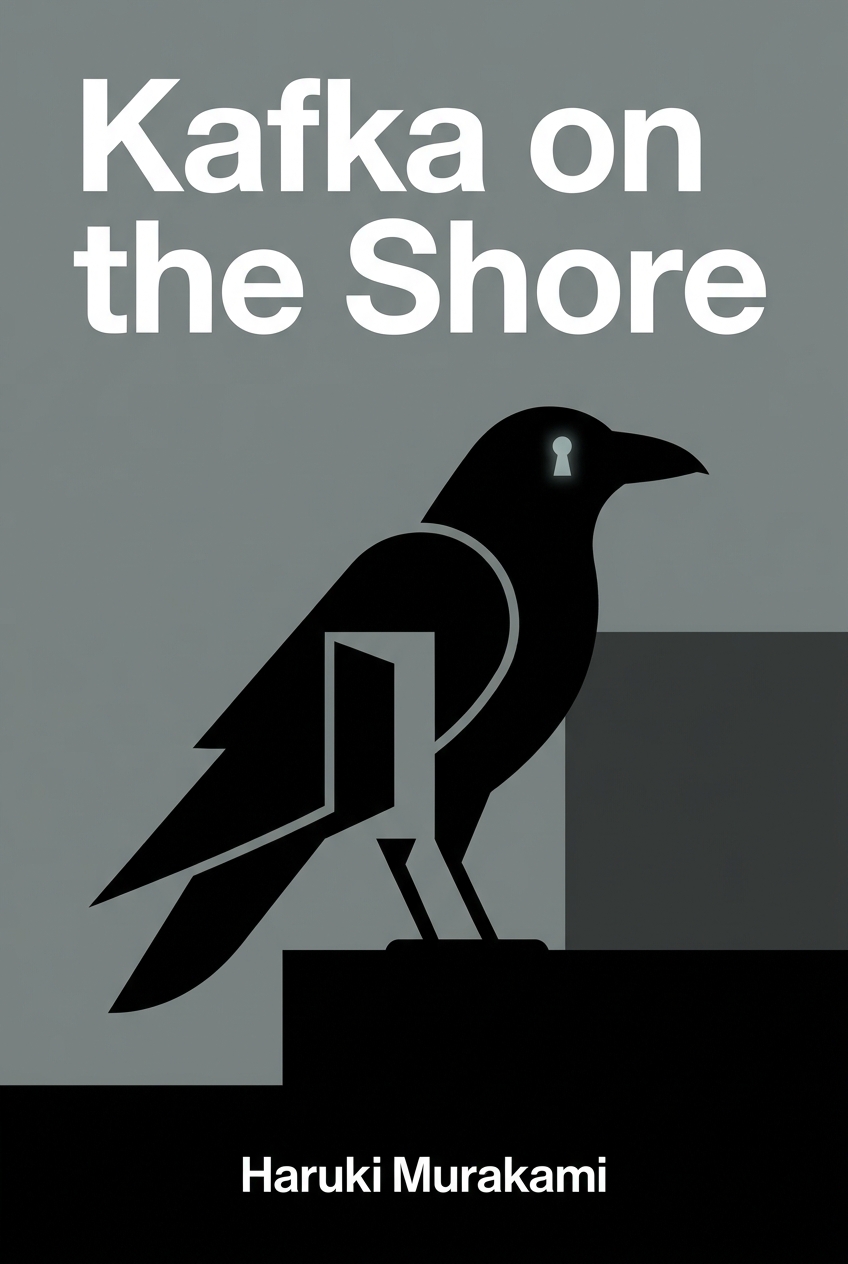
Kafka on the Shore
Follow a runaway boy and an old man who talks to cats on their surreal, fated paths.
- Destiny and prophecy can shape our lives in surreal ways.
- Memory is fluid and not always a reliable narrator of reality.
- Seemingly separate lives can intersect to solve a larger mystery.
Those who love epic, mind-bending mysteries with a dose of magical realism.
Follow a runaway boy and an old man who talks to cats on their surreal, fated paths.
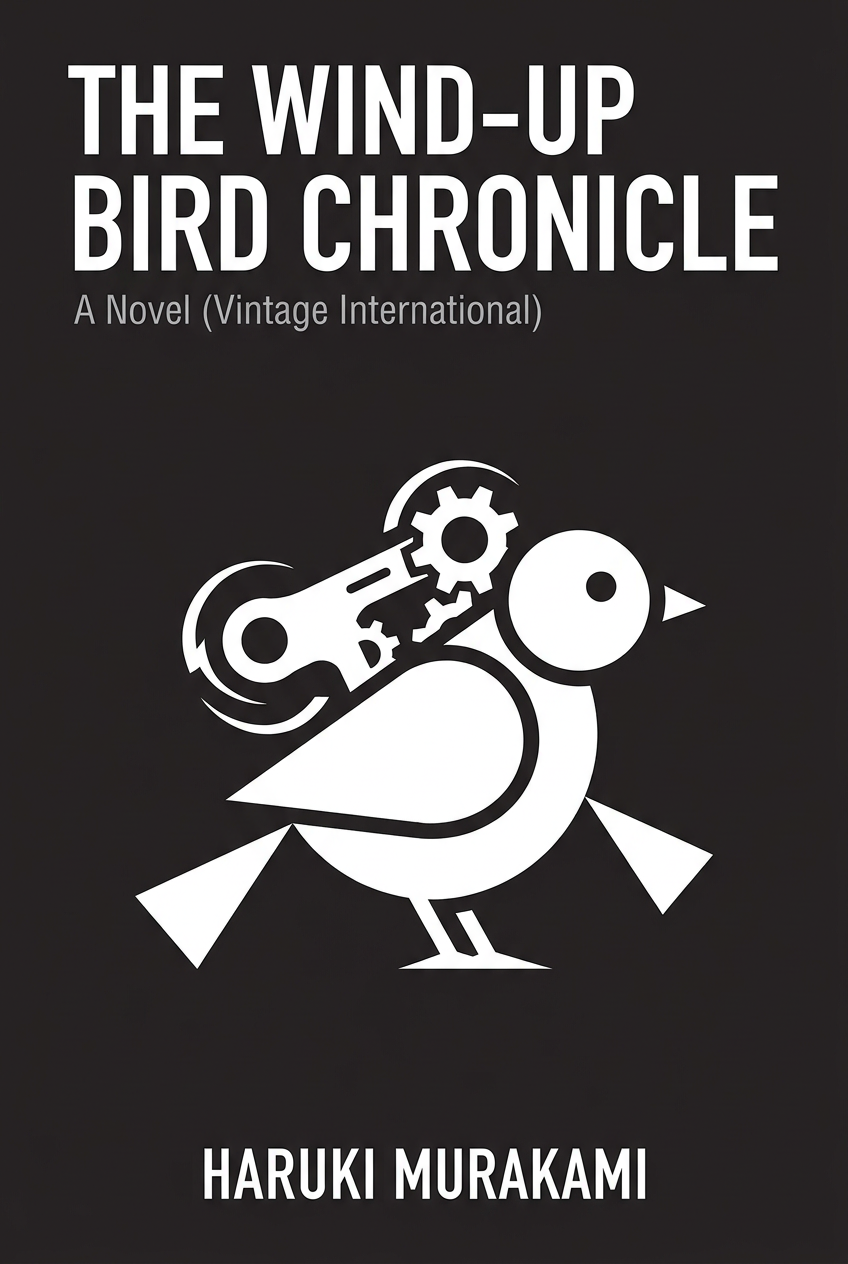
The Wind-Up Bird Chronicle
A simple search for a lost cat unravels reality for a man in suburban Tokyo.
- The mundane world often hides a deeper, surreal underworld.
- Forgotten history, particularly of war, haunts the present day.
- A personal quest can lead to profound and unexpected self-discovery.
Anyone ready for a sprawling, immersive novel that blurs dreams and reality.
A simple search for a lost cat unravels reality for a man in suburban Tokyo.
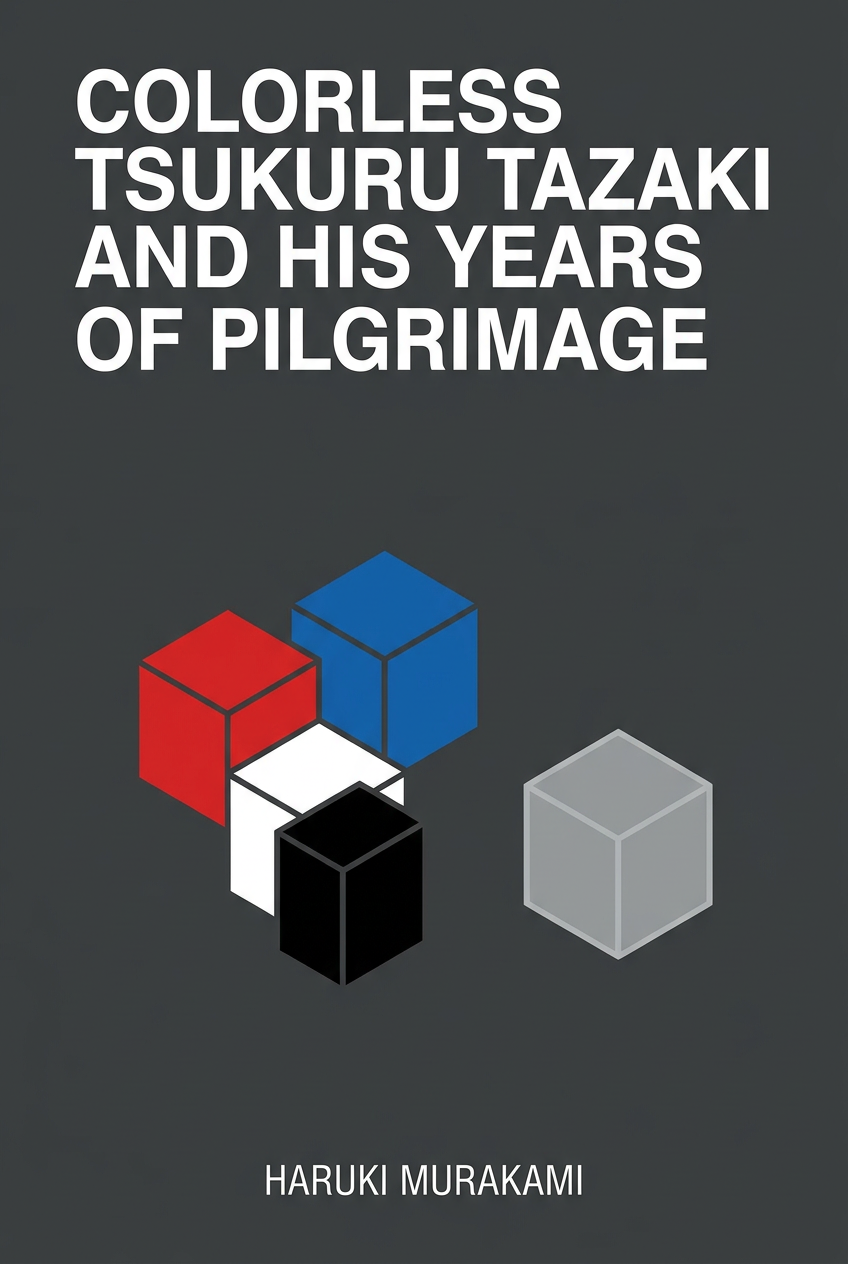
Colorless Tsukuru Tazaki and His Years of Pilgrimage
A man seeks to understand why his best friends suddenly cut him off years ago.
- Unexplained loss can leave a profound and lasting scar on one's identity.
- Revisiting past trauma is often the only path toward true healing.
- The search for belonging is a fundamental human journey.
Anyone haunted by past friendships or a search for personal identity.
A man seeks to understand why his best friends suddenly cut him off years ago.

What I Talk About When I Talk About Running
Discover the surprising link between long-distance running and the craft of writing.
- Physical discipline is a powerful tool for achieving creative focus.
- Solitude and resilience are essential for both artists and athletes.
- Enduring pain is a key part of achieving long-term goals.
Writers, runners, and anyone seeking motivation to build daily discipline.
Discover the surprising link between long-distance running and the craft of writing.
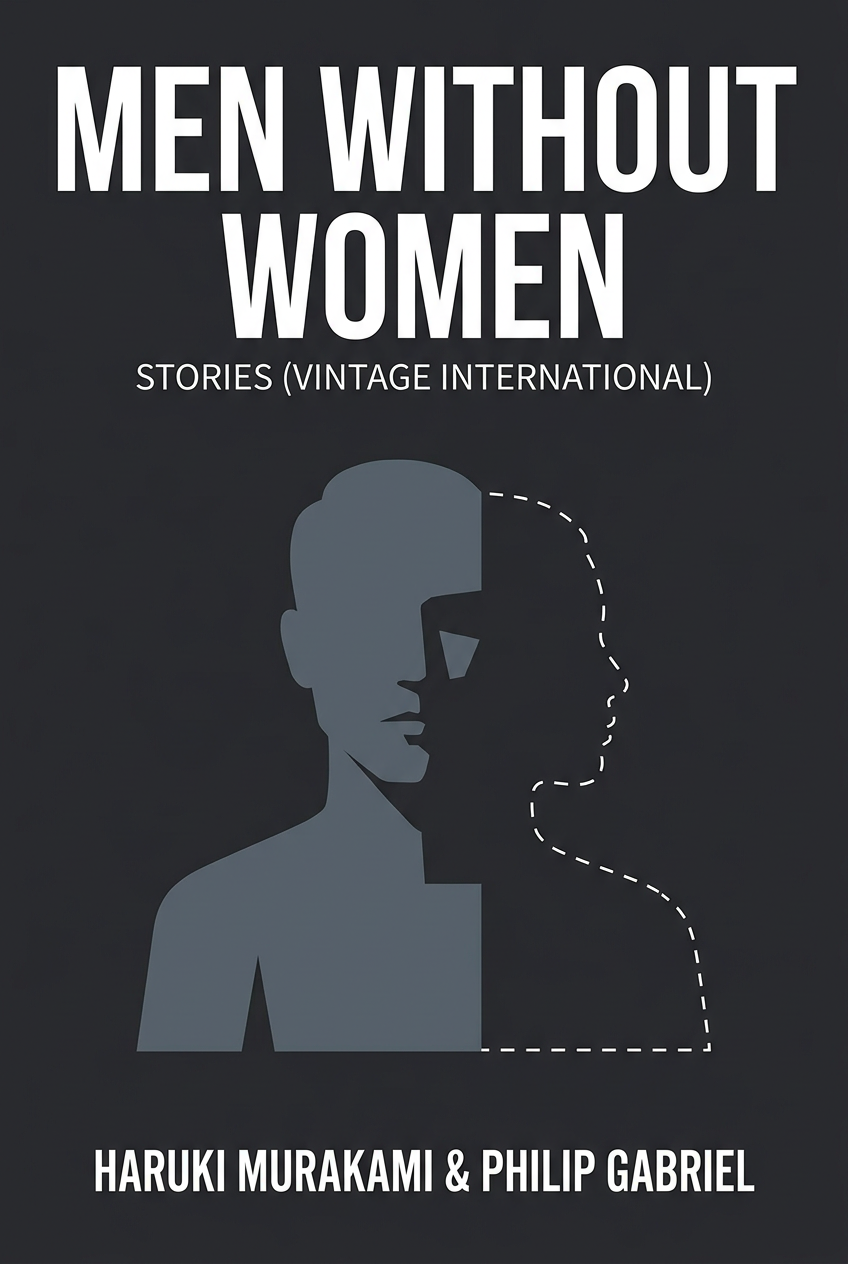
Men Without Women
A story collection exploring the lives of men adrift after losing women they loved.
- Loss can manifest as loneliness, quiet obsession, or strange new habits.
- Masculinity is often defined by solitude and unspoken feelings.
- Men navigate grief and heartbreak in unique and sometimes bizarre ways.
Readers who enjoy short stories that explore loneliness and relationships.
A story collection exploring the lives of men adrift after losing women they loved.
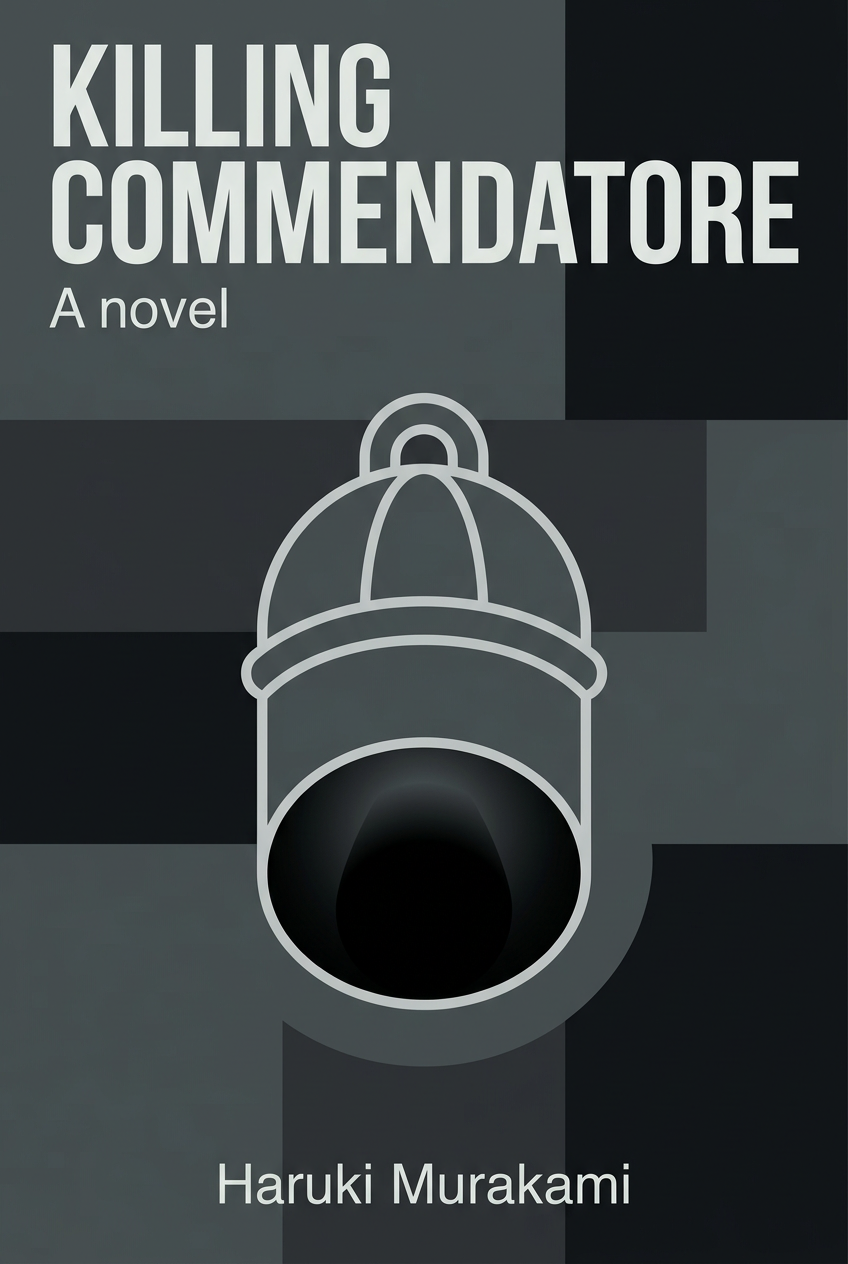
Killing Commendatore
A divorced painter uncovers a mysterious painting that unleashes surreal events.
- Art has the power to open portals to other realities or ideas.
- Isolation can be a catalyst for both creative breakthroughs and strange encounters.
- Historical trauma can manifest in the present in bizarre, unexpected ways.
Readers who appreciate slow-burn mysteries about art, history, and obsession.
A divorced painter uncovers a mysterious painting that unleashes surreal events.
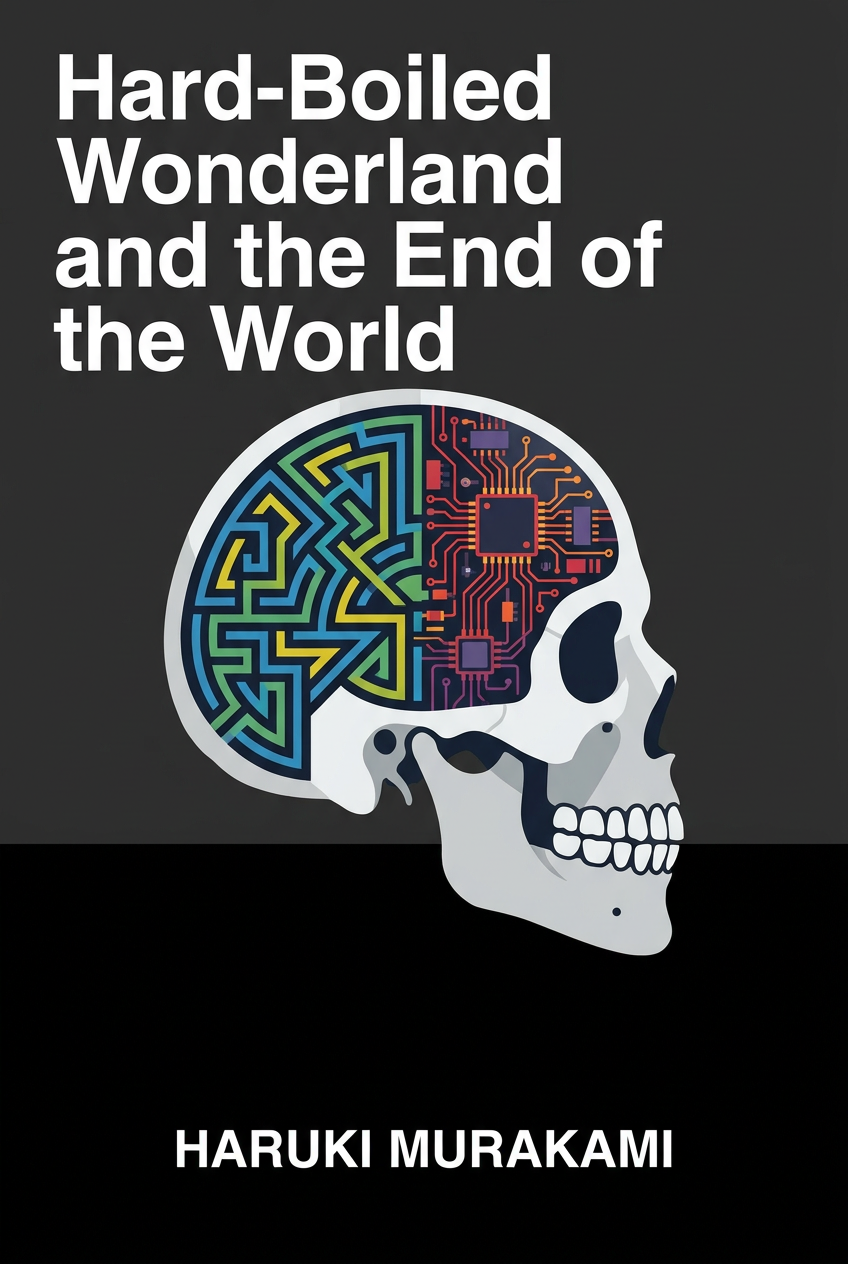
Hard-Boiled Wonderland and the End of the World
A man's mind is split between a cyberpunk Tokyo and a strange, walled town.
- Our inner consciousness can be a world as real as our external one.
- Identity is a battle between the self we project and our inner reality.
- Meaning can be found even when our worlds are literally falling apart.
Fans of cyberpunk, postmodern fiction, and mind-bending narrative structures.
A man's mind is split between a cyberpunk Tokyo and a strange, walled town.
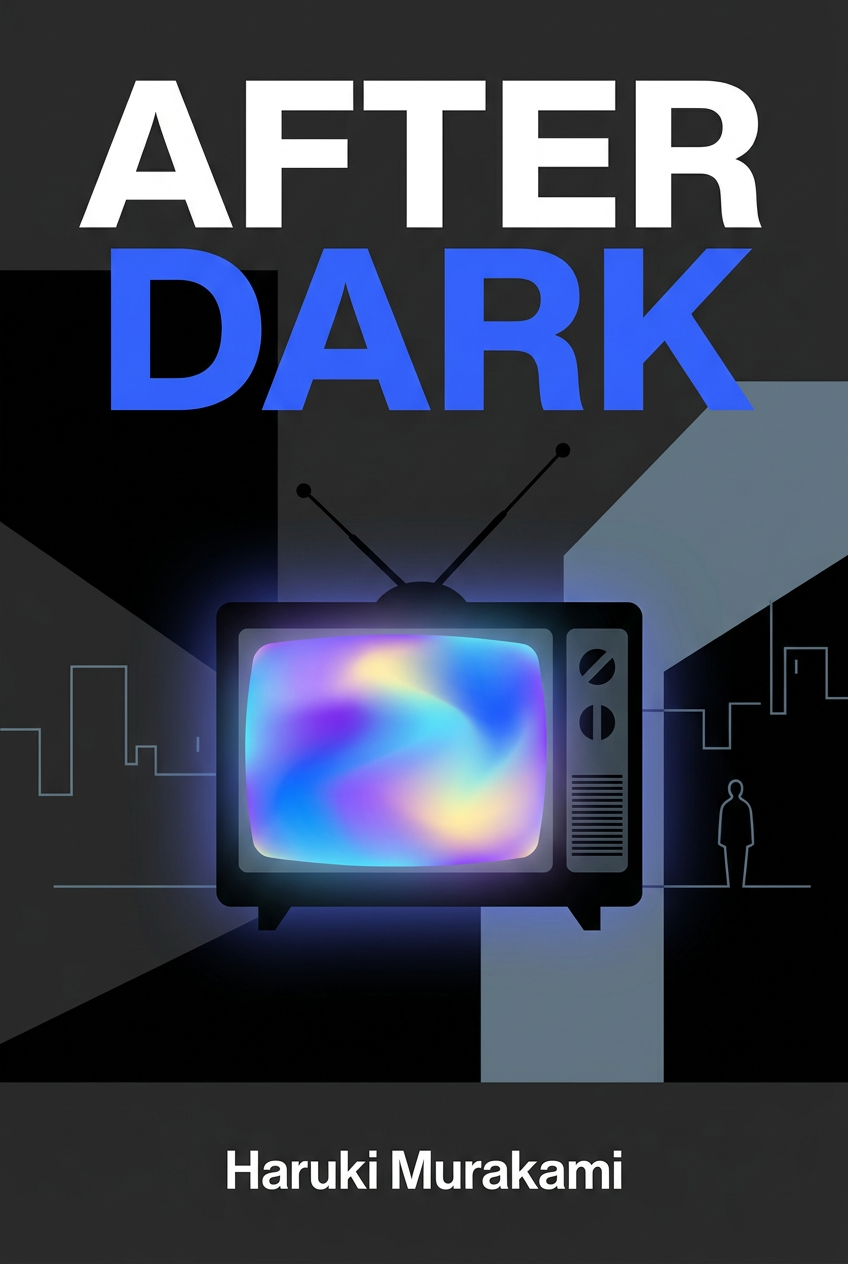
After Dark
Two sisters' lives intersect with strangers over one surreal night in Tokyo.
- The hours between midnight and dawn hold their own unique reality.
- Seemingly random encounters can reveal profound, hidden connections.
- A city's nightlife contains countless intersecting, unseen stories.
Those who love atmospheric, cinematic novels with a compact timeline.
Two sisters' lives intersect with strangers over one surreal night in Tokyo.
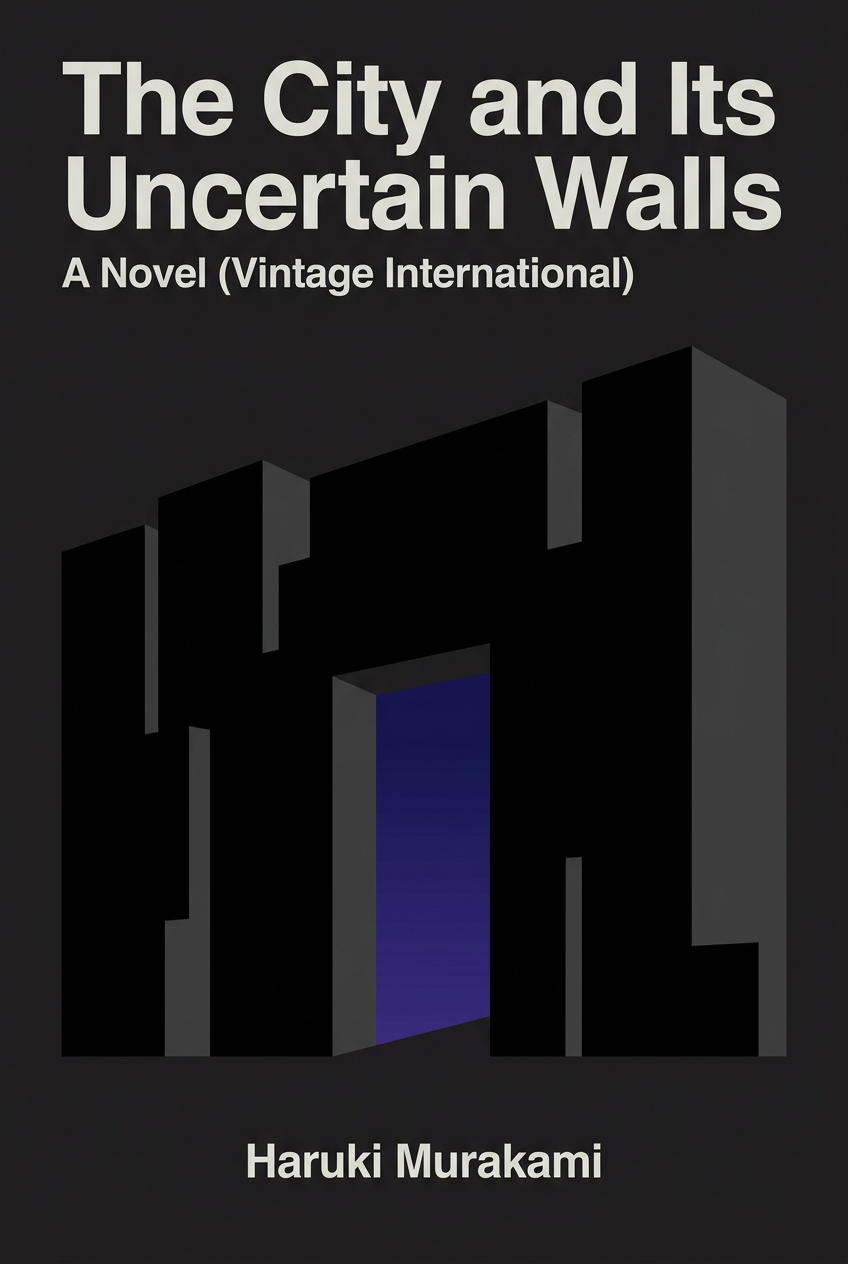
The City and Its Uncertain Walls
A man revisits a dreamlike walled city to find his long-lost teenage love.
- Old memories and loves can haunt our present reality.
- The lines between our inner dream worlds and reality are porous.
- Confronting our past is necessary to understand our true selves.
Longtime Murakami fans and readers who love stories of memory and lost love.
A man revisits a dreamlike walled city to find his long-lost teenage love.
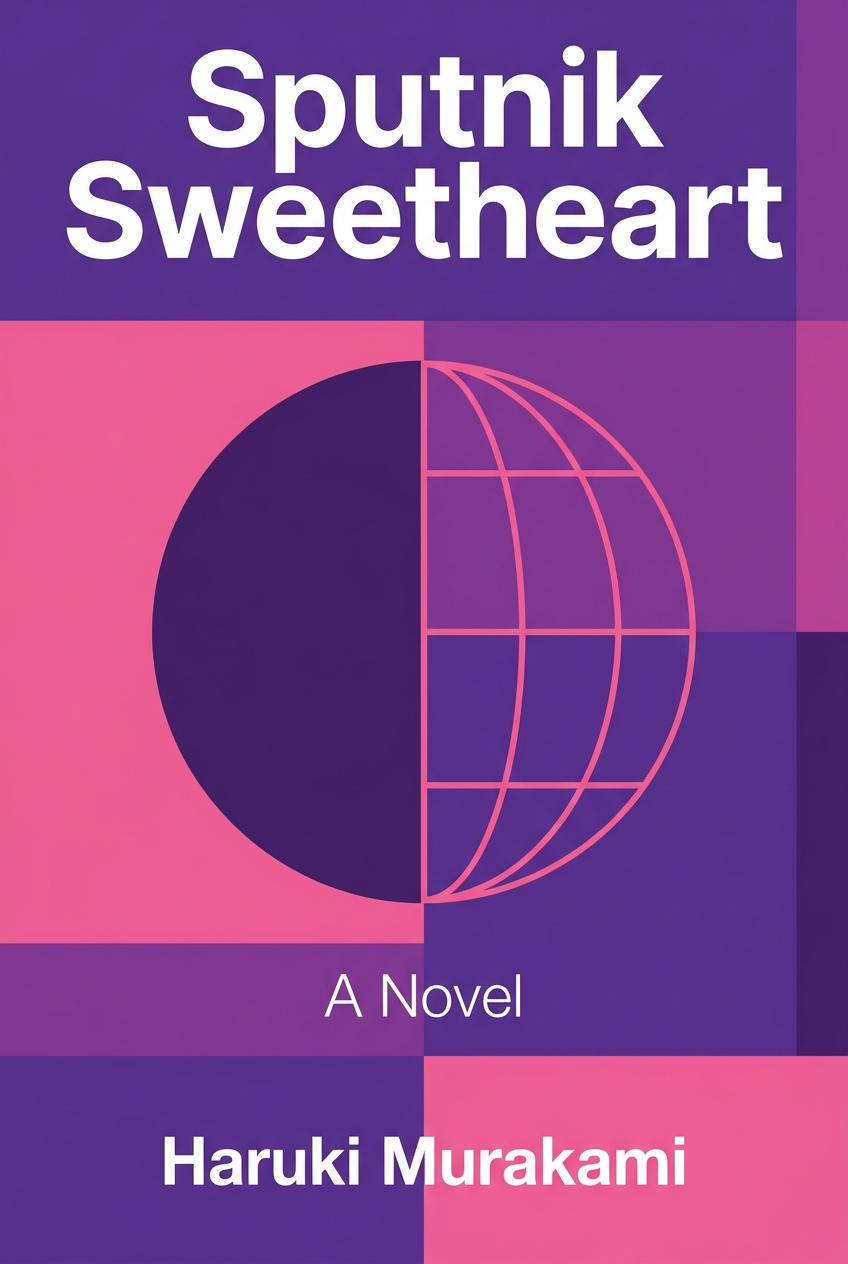
Sputnik Sweetheart
A man searches for his best friend after she vanishes from a Greek island.
- Unrequited love can create an overwhelming sense of isolation.
- People can feel like they are living on entirely different planes of existence.
- A disappearance can blur the lines between a mystery and a surreal dream.
Fans of melancholic, dreamlike mysteries centered on unrequited love.
A man searches for his best friend after she vanishes from a Greek island.

South of the Border, West of the Sun
A successful family man's life is upended by his enigmatic childhood friend.
- Material success does not guarantee personal fulfillment.
- The fantasy of 'what might have been' can be a destructive force.
- A longing for the past can threaten the stability of the present.
Readers who enjoy contemplative novels about mid-life crises and lost love.
A successful family man's life is upended by his enigmatic childhood friend.
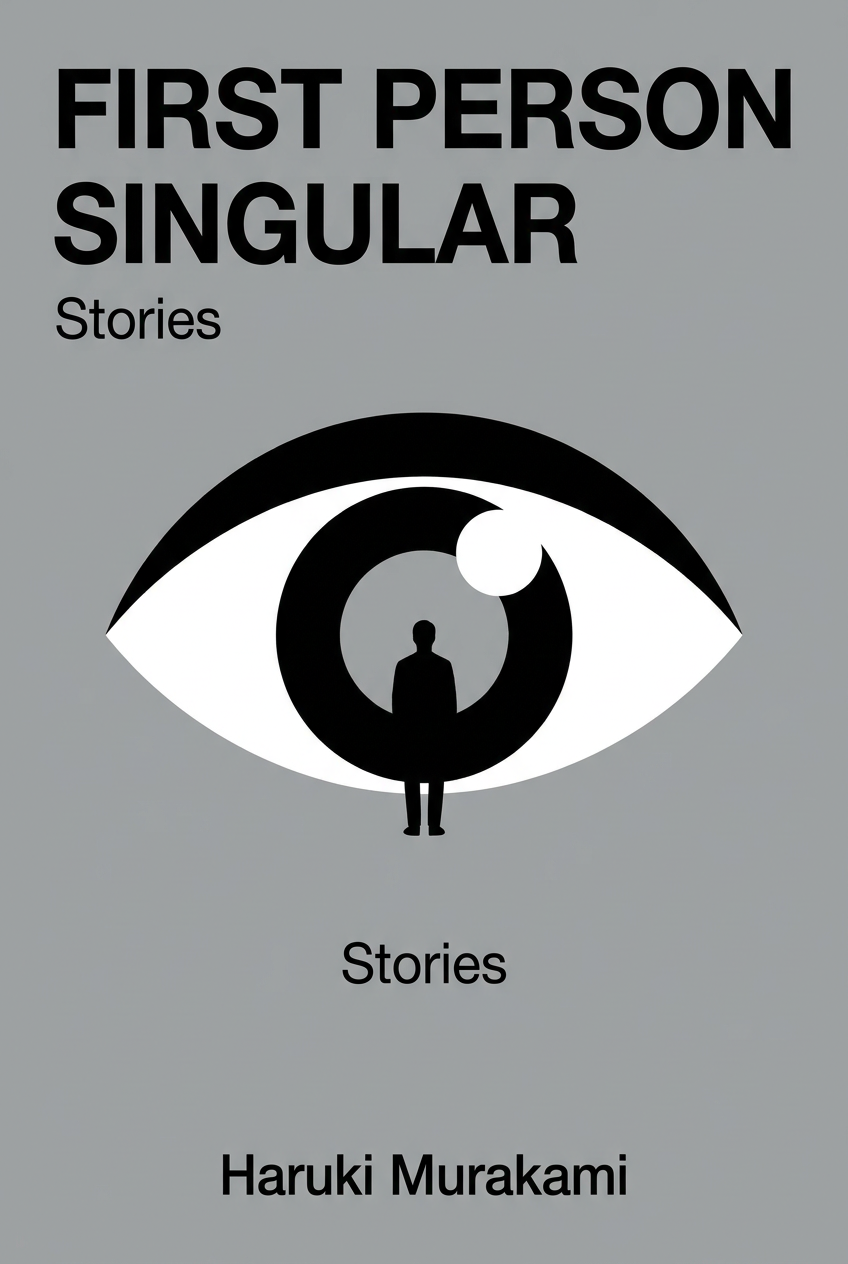
First Person Singular
Eight stories where memory, reality, and dreams blur in quintessential Murakami style.
- Memory is an unreliable blend of fact, fiction, and surreal dreams.
- The profound can be found in everyday moments and chance encounters.
- Music often serves as a powerful trigger for nostalgia and strange events.
Fans of short fiction that finds the extraordinary within the ordinary.
Eight stories where memory, reality, and dreams blur in quintessential Murakami style.

Dance Dance Dance
A freelance writer's search for a lost love leads him on a surreal quest.
- Feeling disconnected is a symptom of a hyper-capitalist world.
- To find your purpose, you must reconnect with forgotten parts of yourself.
- Life has its own strange rhythm that you must learn to follow.
Readers feeling adrift and searching for a novel about finding connection.
A freelance writer's search for a lost love leads him on a surreal quest.
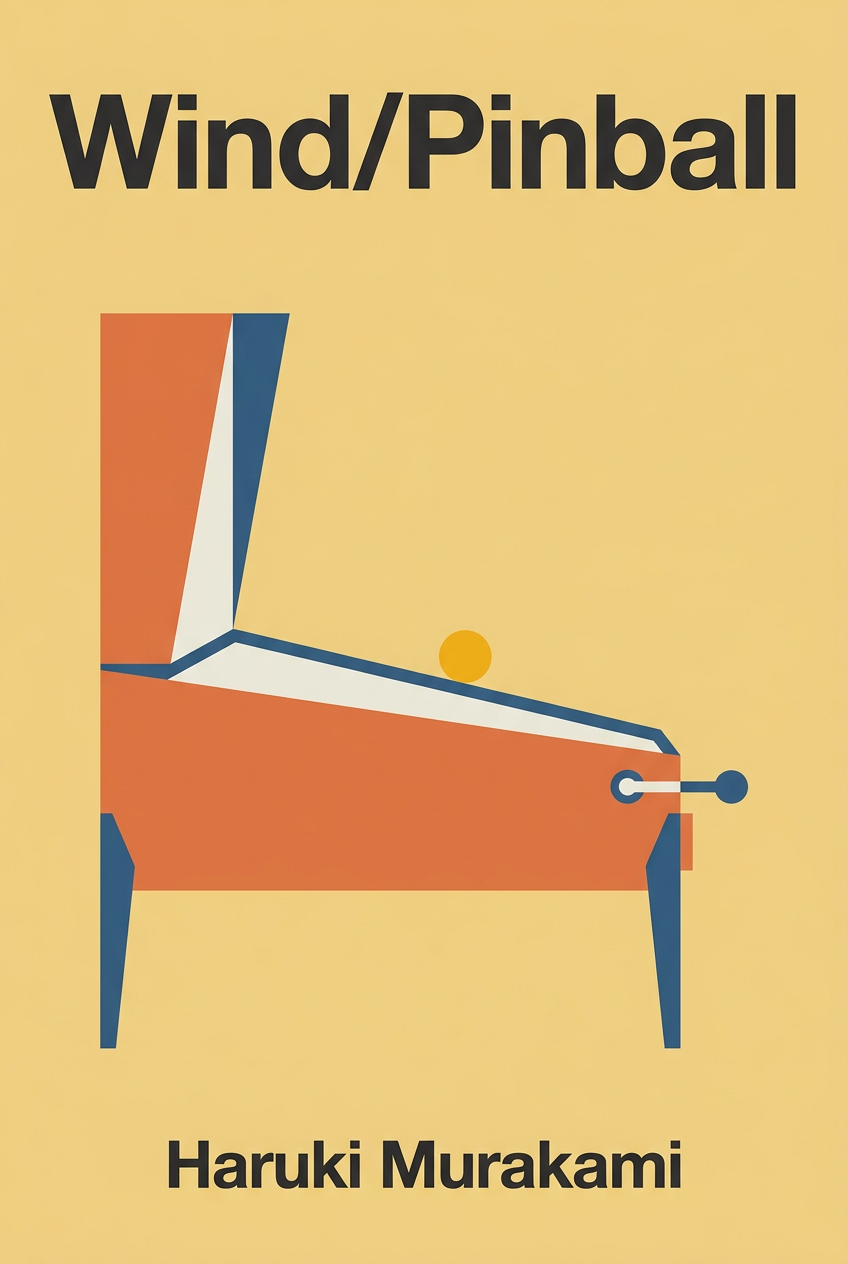
Wind/Pinball
Explore youth, loss, and loneliness in Murakami's two debut novellas.
- Aimlessness and drifting can have their own quiet beauty.
- Meaning can be found in fleeting moments and simple connections.
- Loneliness is a core part of the journey through young adulthood.
Murakami purists and readers interested in the origins of his style.
Explore youth, loss, and loneliness in Murakami's two debut novellas.
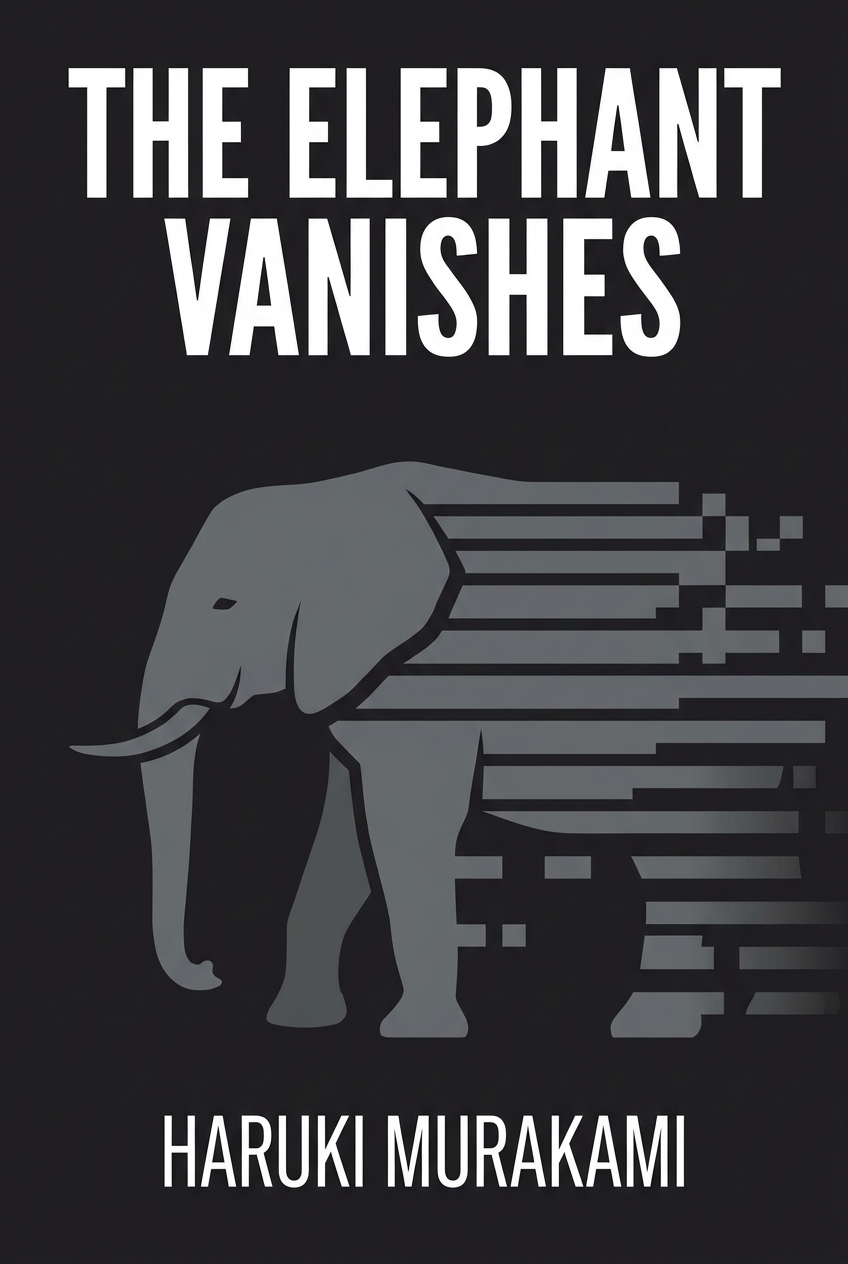
The Elephant Vanishes
Seventeen stories where ordinary people confront bizarre and surreal situations.
- Reality is fragile and can be fractured by small, strange events.
- The unexplained moments in life can be gateways to a deeper truth.
- Everyday routines can be suddenly interrupted by the extraordinary.
A great starting point for readers new to Murakami's surreal short stories.
Seventeen stories where ordinary people confront bizarre and surreal situations.

Blind Willow, Sleeping Woman
A collection of uncanny and surreal stories where the ordinary becomes bizarre.
- The world we perceive often has an off-kilter, dreamlike quality.
- Seemingly insignificant details can reveal profound truths about our lives.
- Strange occurrences help us confront our memories, fears, and desires.
Readers who love short stories that are unsettling, beautiful, and thoughtful.
A collection of uncanny and surreal stories where the ordinary becomes bizarre.
After the Quake
Six stories about people confronting the aftershocks of a national tragedy.
- Major public disasters create private, psychological earthquakes in people.
- Tragedy can lead to surreal encounters and unexpected human connections.
- Finding personal stability is a challenge when the world feels broken.
Those interested in how characters process trauma through a surreal lens.
Six stories about people confronting the aftershocks of a national tragedy.
Novelist as a Vocation
An intimate look into Murakami's creative process and philosophy on writing.
- A writer's career is built on discipline, habit, and a unique worldview.
- Originality in writing comes from personal experience, not formal training.
- Writing novels is a physical and mental endurance test.
Aspiring novelists and serious fans wanting to peek behind the curtain.
An intimate look into Murakami's creative process and philosophy on writing.
Absolutely on Music
Intimate conversations about classical music with conductor Seiji Ozawa.
- Listening to music can be an active, intellectual, and transformative process.
- A conductor's interpretation is key to shaping an orchestra's performance.
- The genius of composers like Brahms can be unpacked through deep conversation.
Classical music lovers and fans curious about Murakami's deepest passion.
Intimate conversations about classical music with conductor Seiji Ozawa.
Underground
An investigation into the 1995 Tokyo gas attack through victims' stories.
- National tragedies are comprised of countless individual human stories.
- Extremism flourishes in the cracks of a seemingly orderly society.
- Understanding requires listening to both victims and perpetrators.
Readers of investigative journalism and those interested in modern Japanese history.
An investigation into the 1995 Tokyo gas attack through victims' stories.

1Q84
Two people are drawn into a parallel reality with two moons in the sky.
- Parallel worlds can exist just beyond our own perceived reality.
- Love can be a powerful force that connects people across different worlds.
- Hidden societal forces, like cults, operate beneath the surface of daily life.
Readers who enjoy epic fantasies and intricate, slow-burn mysteries.
Two people are drawn into a parallel reality with two moons in the sky.
Frequently Asked Questions
For a taste of his realism, start with *Norwegian Wood*. It's a poignant coming-of-age story that is one of his most beloved works. If you'd rather dive straight into his signature surrealism, *Kafka on the Shore* is a fantastic entry point that blends mystery, magic, and myth.
This is highly subjective and sparks debate among fans. However, *The Wind-Up Bird Chronicle* is often cited by critics as his magnum opus for its epic scope and blend of history and surrealism. *Kafka on the Shore* and *1Q84* are also major fan favorites for their immersive, sprawling narratives.
There is no required reading order, as most of his novels are standalone. Some fans enjoy reading chronologically to see his style evolve, starting with *Wind/Pinball*. However, most readers can simply pick the book whose description intrigues them the most and dive right in.
Absolutely. *What I Talk About When I Talk About Running* is a beloved memoir about the intersection of writing and endurance sports. For aspiring writers, *Novelist as a Vocation* offers a rare and candid look into his unique creative process, habits, and philosophies on storytelling.