John Locke Books
Dive into the mind of the philosopher whose ideas built nations. This page offers key insights about John Locke, from his clear, reasoned writing style to the revolutionary concepts that defined an era. We’ve compiled the definitive john locke book list, sorting his works to highlight the best john locke books for modern readers. Understand the foundations of liberty, rights, and knowledge with these essential summaries. Curated by the VoxBrief team.
The Federalist Papers
Discover the original arguments for the US Constitution and American democracy.
- A strong, central government is necessary for national stability and defense.
- Power should be divided between different branches to prevent tyranny.
- A system of checks and balances ensures no single branch becomes too powerful.
Anyone interested in American history, law, or the mechanics of government.
Discover the original arguments for the US Constitution and American democracy.
Common Sense (Dover Thrift Editions
Arm yourself with the powerful arguments that sparked the American Revolution.
- Hereditary succession and monarchy are absurd and unjust systems.
- A continent should not be governed by a distant island.
- Independence is the only path to a prosperous and free future for America.
Aspiring debaters and rebels wanting to learn the art of powerful persuasion.
Arm yourself with the powerful arguments that sparked the American Revolution.
It Was Just Sex
Learn a revolutionary marketing secret to sell anything. (Note: by a different author).
- Identify and target your customer's deepest, most primal desires.
- Create irresistible offers that customers feel compelled to accept.
- Build influence by focusing on what your customer truly wants, not what you want to sell.
Marketers and entrepreneurs looking for a direct, powerful sales strategy.
Learn a revolutionary marketing secret to sell anything. (Note: by a different author).
Second Treatise of Government
Learn where your rights come from and how to defend your freedoms against overreach.
- Individuals have natural rights that exist independent of government.
- Legitimate government is based on the consent of the people it governs.
- Citizens have a right to revolution when a government becomes tyrannical.
Citizens wanting to grasp the core principles of their rights and government power.
Learn where your rights come from and how to defend your freedoms against overreach.
Age of Reason
Challenge religious dogma with a powerful argument for a faith based on reason.
- Organized religion and its scriptures are human inventions, not divine words.
- The natural world is the only true testament to a creator's existence (Deism).
- Reason, not revelation, is the best tool for understanding the universe.
Freethinkers and readers questioning the relationship between faith and logic.
Challenge religious dogma with a powerful argument for a faith based on reason.
An Essay Concerning Human Understanding
Discover how your mind is a blank slate shaped entirely by your experiences.
- The mind at birth is a "tabula rasa" (blank slate), with no innate ideas.
- All knowledge comes from experience, derived from sensation and reflection.
- Complex ideas are built by combining simple ideas received through the senses.
Philosophy enthusiasts and thinkers curious about how we gain knowledge.
Discover how your mind is a blank slate shaped entirely by your experiences.
Two Treatises of Government
Challenge the divine right of kings with the ideas that formed modern democracy.
- Government must be built on the consent of the governed, not by birthright.
- All individuals possess natural rights to life, liberty, and property.
- The theory of a social contract directly inspired the American Declaration of Independence.
Political science students and anyone curious about the origins of democracy.
Challenge the divine right of kings with the ideas that formed modern democracy.
John Locke
Get the essential wisdom of the philosopher who championed individual liberty for all.
- Individuals have inalienable natural rights that government is meant to protect.
- Property is a natural right derived from an individual's labor.
- The true purpose of government is to serve the people, not rule over them.
Beginners seeking a foundational overview of John Locke's core principles.
Get the essential wisdom of the philosopher who championed individual liberty for all.
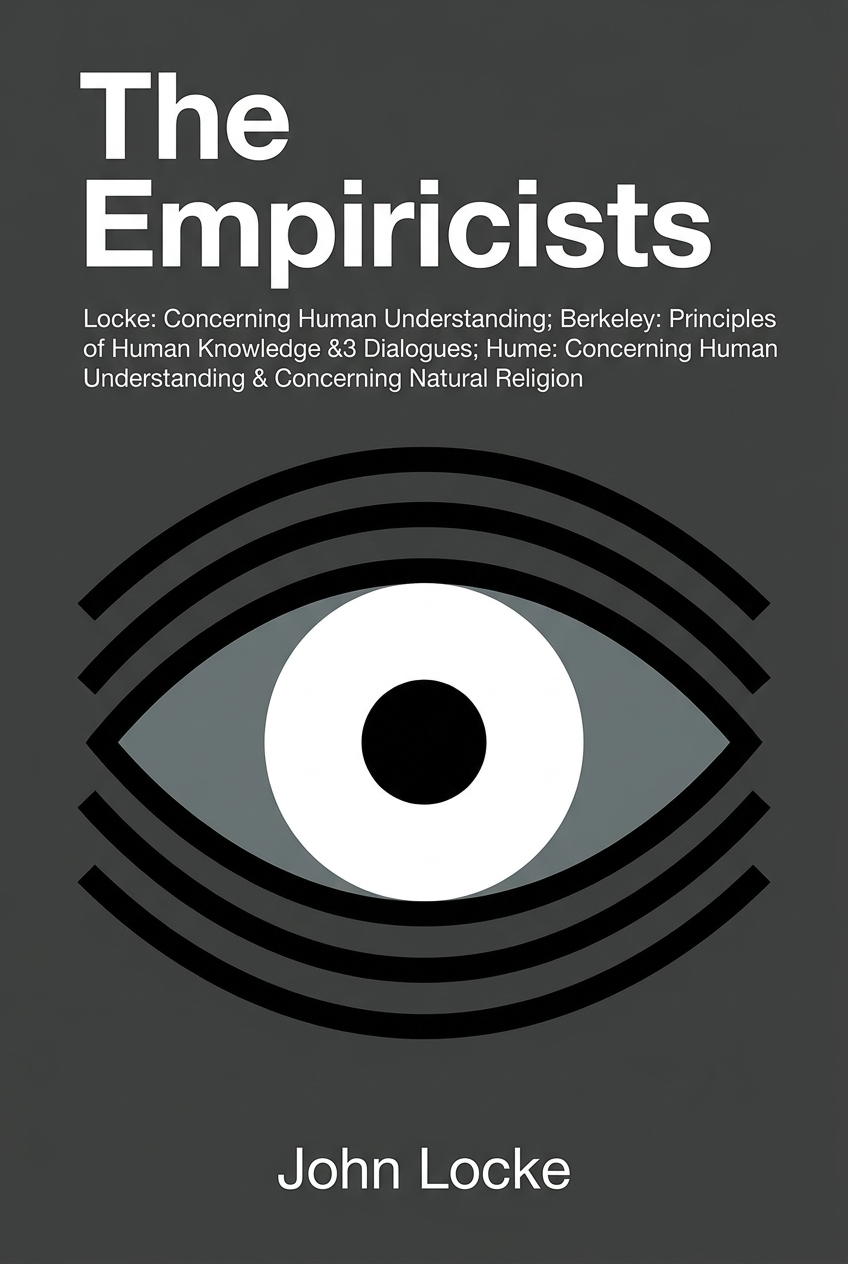
The Empiricists
Question everything you think you know about reality, knowledge, and yourself.
- The mind begins as a blank slate, shaped entirely by sensory experience.
- You can't definitively prove the existence of an external world outside your perception.
- Many deeply held beliefs are simply mental habits formed over time.
Skeptics and deep thinkers who enjoy questioning the nature of reality.
Question everything you think you know about reality, knowledge, and yourself.
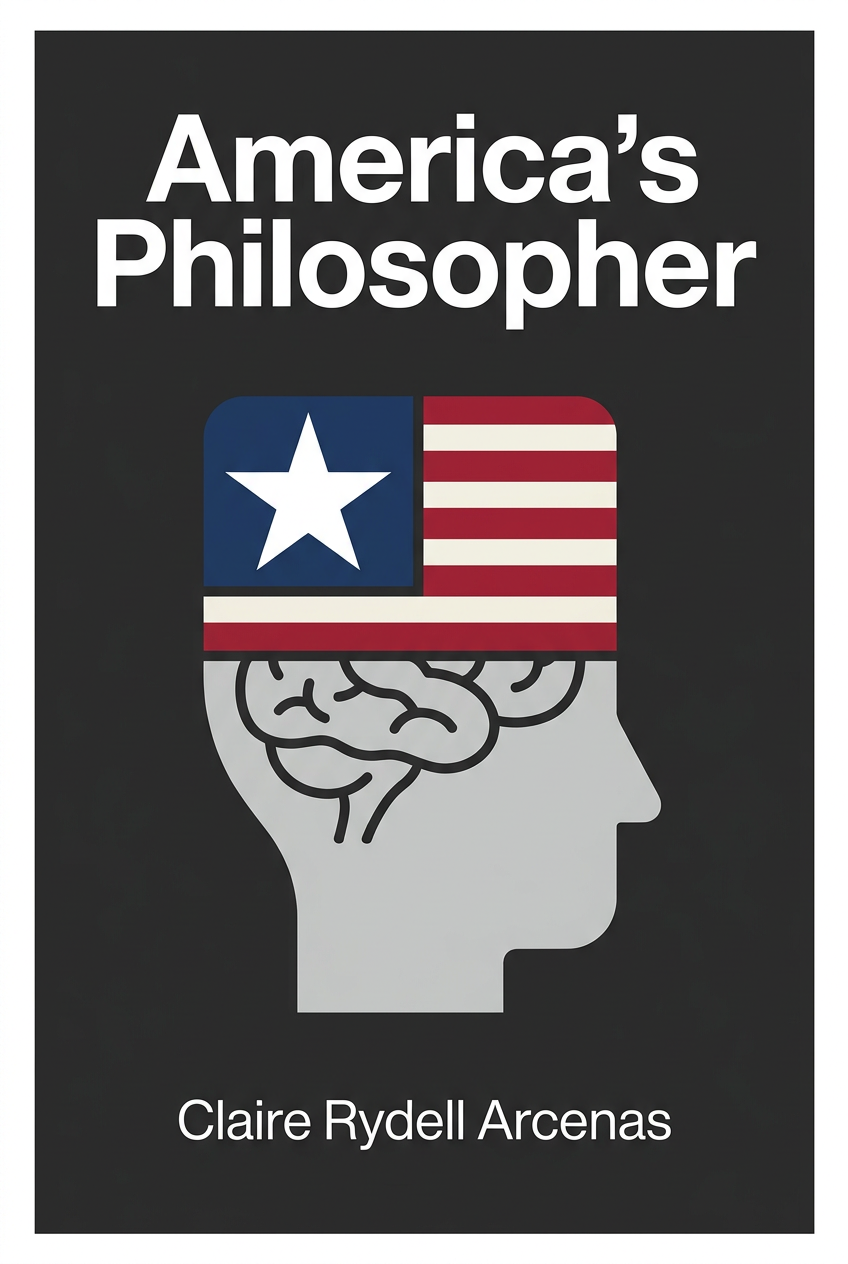
America's Philosopher
Uncover how a 17th-century philosopher became the bedrock of American identity.
- Locke's ideas were selectively interpreted to justify various American political movements.
- His influence extends from the Revolution to modern conservatism and tech culture.
- The meaning of Locke's philosophy has been fiercely contested throughout US history.
History buffs and readers curious about how ideas shape national identity.
Uncover how a 17th-century philosopher became the bedrock of American identity.
Frequently Asked Questions
This is debatable, but *Two Treatises of Government* is widely considered his most influential political work, as it laid the groundwork for modern democracy. For philosophy, *An Essay Concerning Human Understanding* is his masterpiece. Many other john locke books and collections offer specific insights into his thought.
For a direct and impactful start, begin with the *Second Treatise of Government*. It's his most famous and accessible work on political theory. If you want a broader overview of his ideas in one place, a curated collection like *John Locke* can be an excellent entry point.
A great order is to start with the *Second Treatise of Government* for his political ideas, then move to *An Essay Concerning Human Understanding* for his philosophy on knowledge. After that, you can explore his *A Letter Concerning Toleration* and other writings to deepen your understanding.
The *Second Treatise of Government* is the best book for beginners interested in his political philosophy. It's concise, powerful, and its ideas are relatively straightforward. A curated summary collection is also a great, accessible way to get his main arguments quickly.
No, they are two different people. The philosopher John Locke lived in the 17th century. The author of marketing books like *It Was Just Sex*, John Locke, is a contemporary writer. It's a common point of confusion, so it's good to check the author's biography.