Good Books On Life Lessons
Understanding why life lessons are important is the first step toward a more meaningful existence. But how do you develop life lessons? Reading is one of the most powerful ways to absorb decades of wisdom in a few hours. That's why we've compiled a list of the best books on life lessons, packed with insights on resilience, purpose, and perspective. These aren't just stories; they are roadmaps for a better life. This collection of good books on life lessons offers transformative ideas and practical advice for anyone seeking growth. Curated by the VoxBrief team.
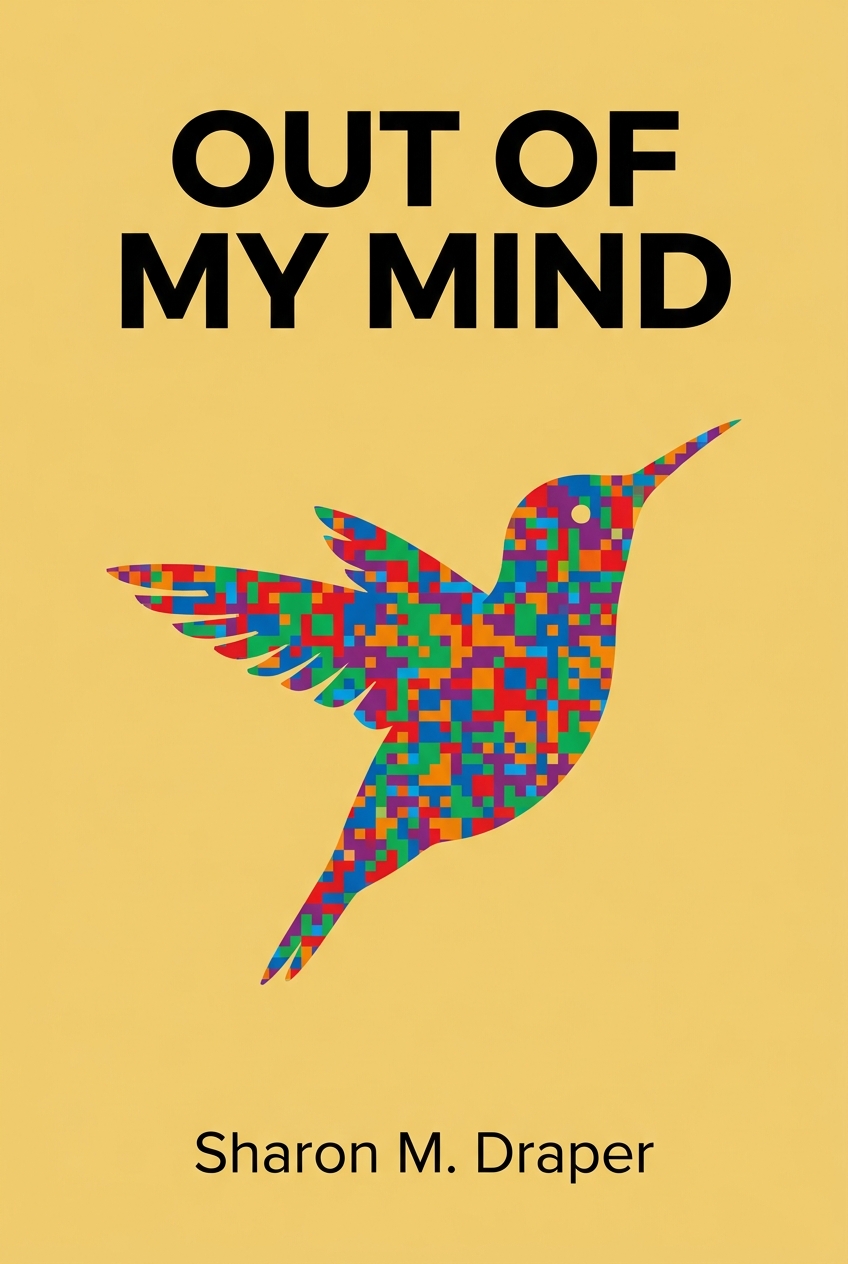
Out of My Mind
A genius girl with cerebral palsy fights to share her brilliant mind.
- Never underestimate someone based on their physical limitations.
- Your voice is your power; fight to make yourself heard.
- Courage means challenging the low expectations others place on you.
Readers seeking a powerful story about empathy, courage, and identity.
A genius girl with cerebral palsy fights to share her brilliant mind.
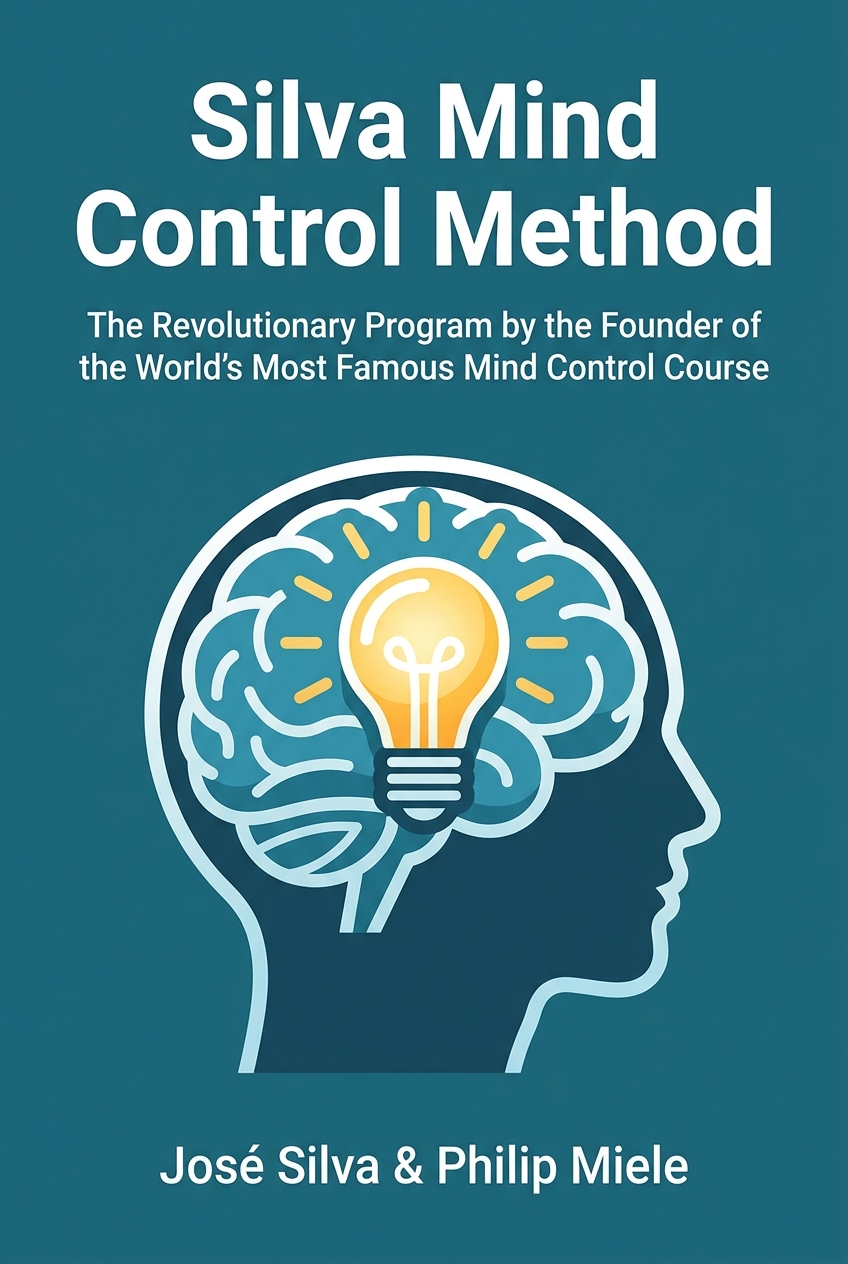
Silva Mind Control Method
Unlock hidden mental potential with meditation and visualization.
- Enter the "alpha level" of consciousness for enhanced problem-solving.
- Use creative visualization to program your mind for success.
- Develop your intuition to make better and faster decisions.
People seeking structured techniques to improve focus and creativity.
Unlock hidden mental potential with meditation and visualization.
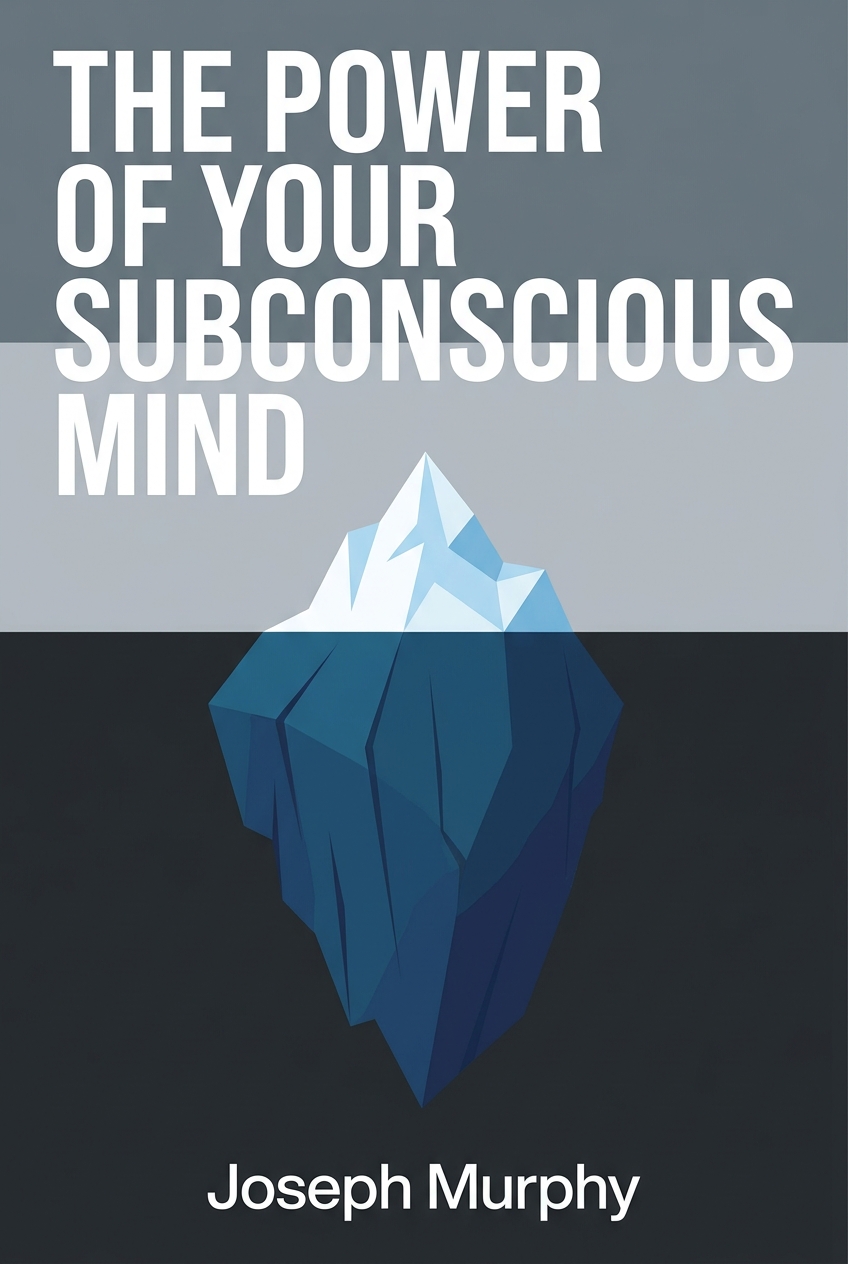
The Power of Your Subconscious Mind
Reprogram your inner world to attract health, wealth, and success.
- Your subconscious mind accepts and acts upon your dominant thoughts.
- Use visualization and affirmations to impress new beliefs on your mind.
- Your deep-seated beliefs, not external events, shape your reality.
Individuals who feel stuck and are ready to harness their inner power.
Reprogram your inner world to attract health, wealth, and success.
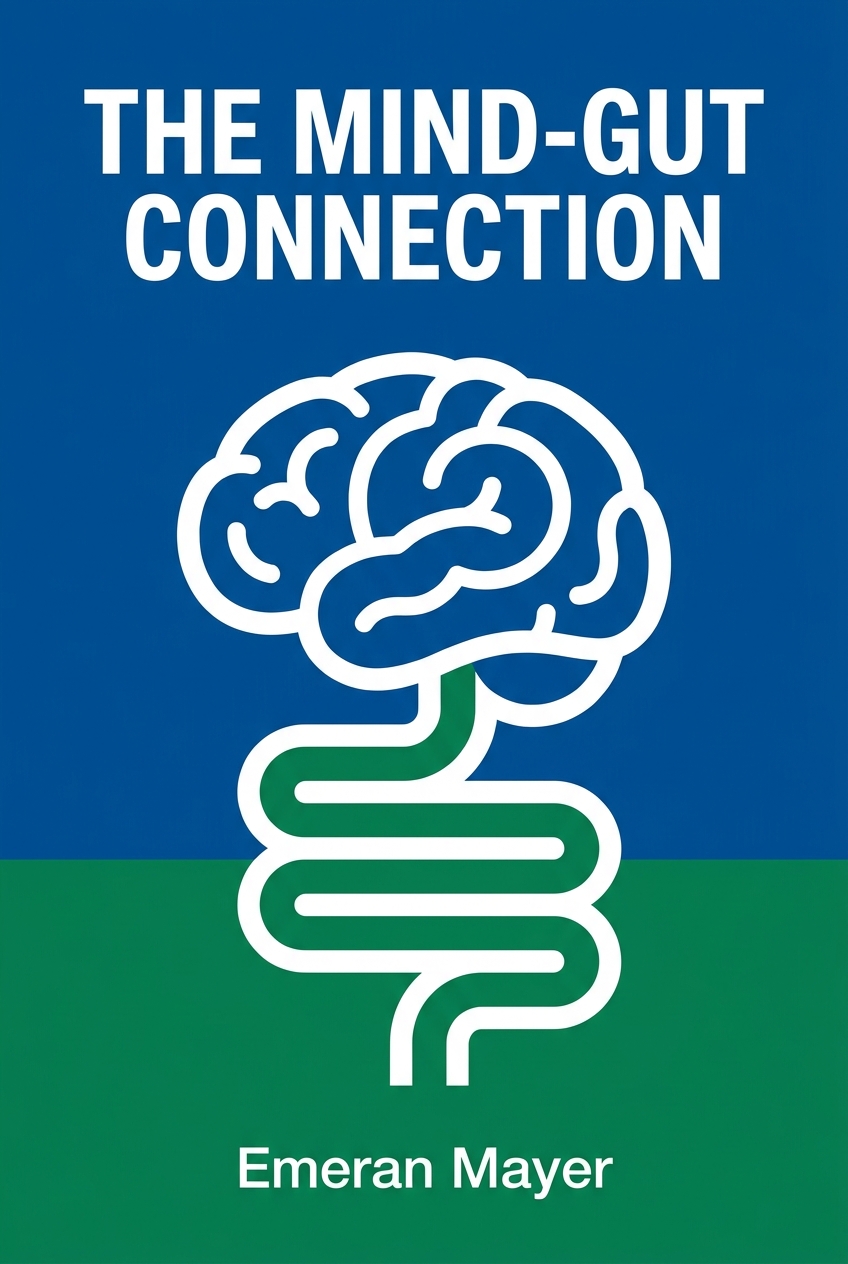
The Mind-Gut Connection
Discover the powerful, hidden conversation between your brain and gut.
- Your gut health directly shapes your mood, decisions, and stress levels.
- The food you eat sends direct chemical signals to your brain.
- Optimize your gut microbiome to improve your overall mental well-being.
Anyone interested in the link between diet, mood, and mental health.
Discover the powerful, hidden conversation between your brain and gut.
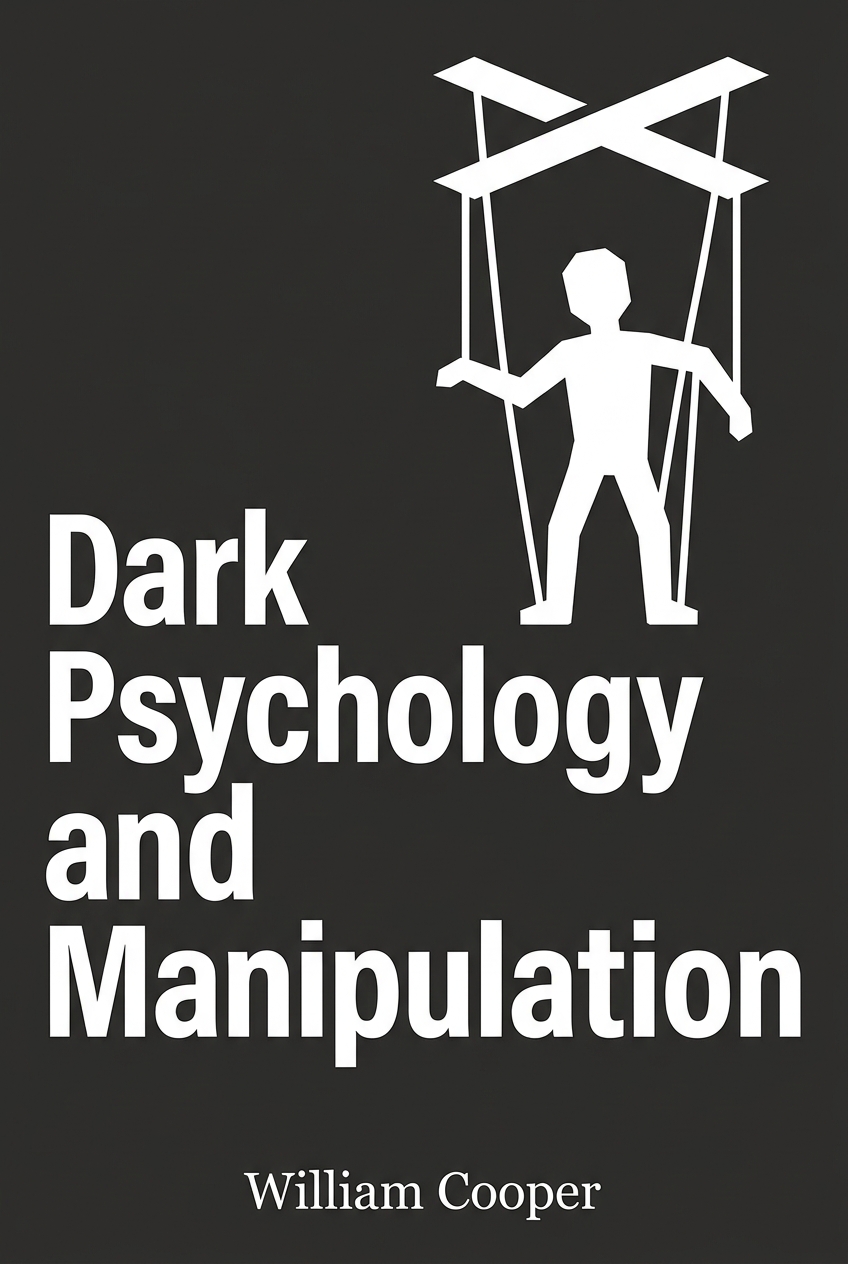
Dark Psychology and Manipulation
Spot and defend against covert influence, gaslighting, and mind games.
- Manipulators use predictable scripts to gain emotional control.
- Recognize tactics like gaslighting and love bombing to protect yourself.
- Build mental defenses by strengthening your self-awareness and boundaries.
People who feel consistently taken advantage of or controlled by others.
Spot and defend against covert influence, gaslighting, and mind games.
Read Your Mind
Adopt the mental habits of peak performers to conquer any challenge.
- Reframe your perception of challenges to push past mental limits.
- Visualize success with extreme detail to make it feel inevitable.
- Develop relentless focus as a skill through consistent practice.
Aspiring high-achievers in sports, business, or personal life.
Adopt the mental habits of peak performers to conquer any challenge.
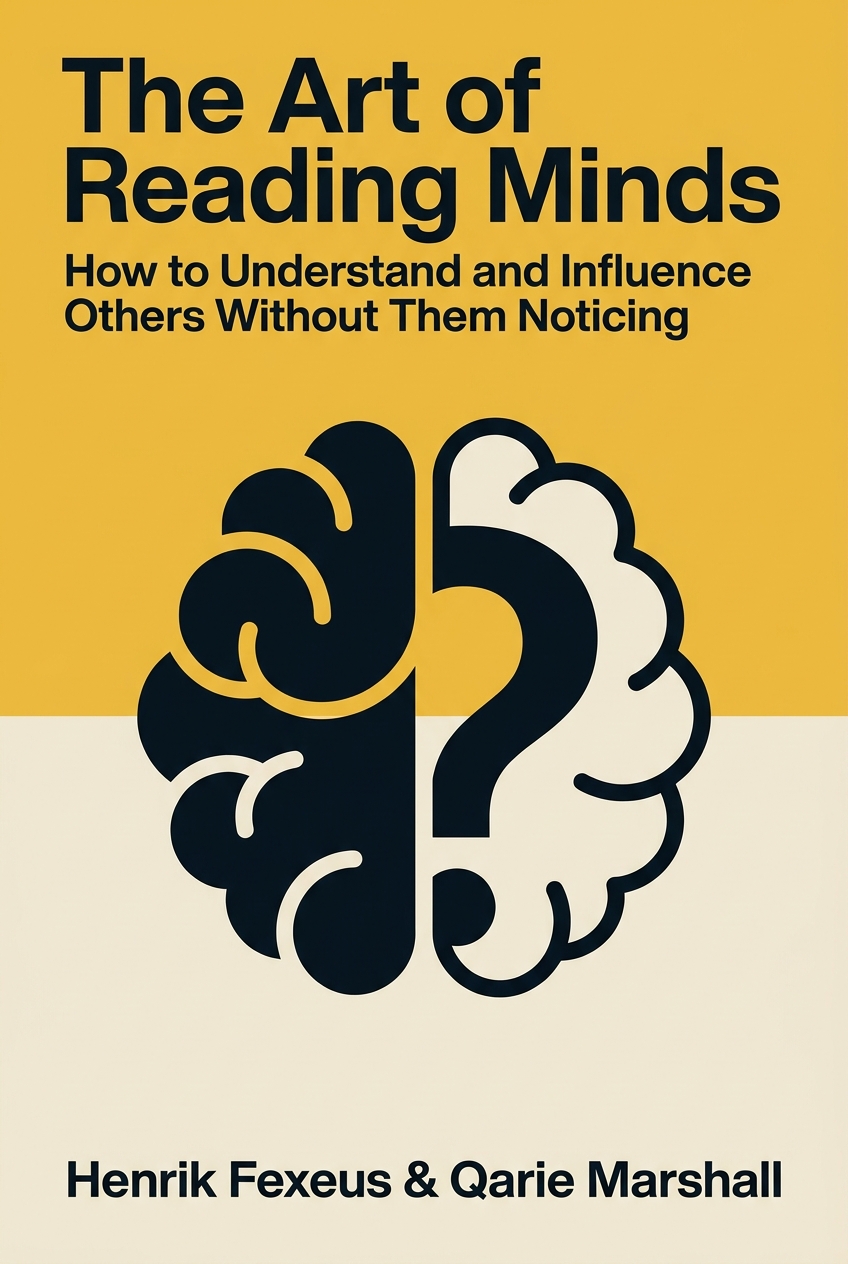
The Art of Reading Minds
Decode body language and nonverbal cues to connect with anyone.
- The majority of communication is nonverbal; learn to read silent signals.
- Build instant rapport by subtly mirroring another person's behavior.
- Gently influence conversations by understanding underlying emotions.
Professionals in sales, leadership, or anyone wanting better social skills.
Decode body language and nonverbal cues to connect with anyone.
The Well-Educated Mind
Give yourself a classical education by learning how to read deeply.
- Truly understanding a text involves three stages: grammar, logic, and rhetoric.
- Keep a reading journal to actively engage with great books.
- A rigorous, self-taught education is accessible to anyone with discipline.
Lifelong learners eager to tackle classic literature and history.
Give yourself a classical education by learning how to read deeply.
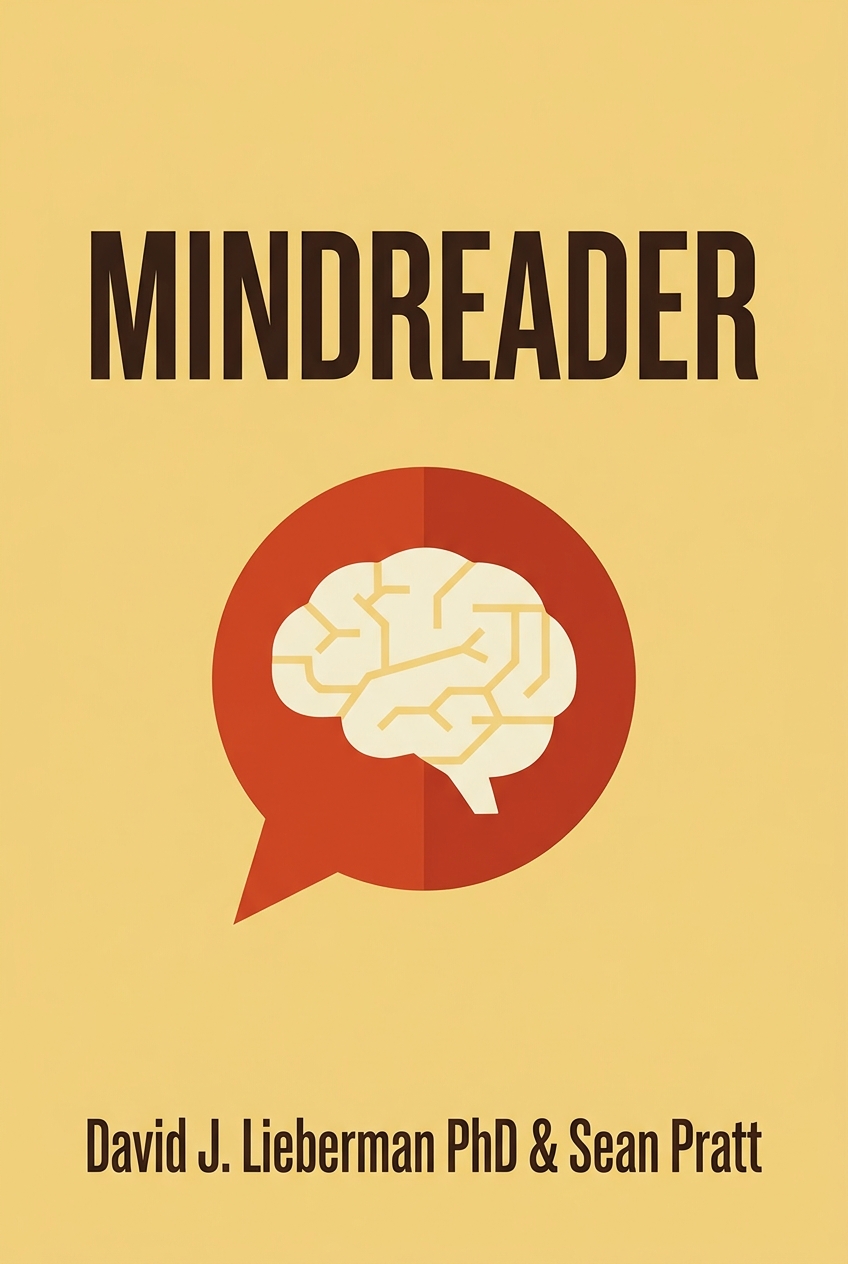
Mindreader
Use psychology to see the truth and decode anyone's real intentions.
- Specific verbal cues can reveal deception or honesty in others.
- Analyze non-verbal signals to assess trustworthiness and confidence.
- Apply these techniques in any situation, from first dates to negotiations.
Anyone who wants to become a better judge of character in daily life.
Use psychology to see the truth and decode anyone's real intentions.
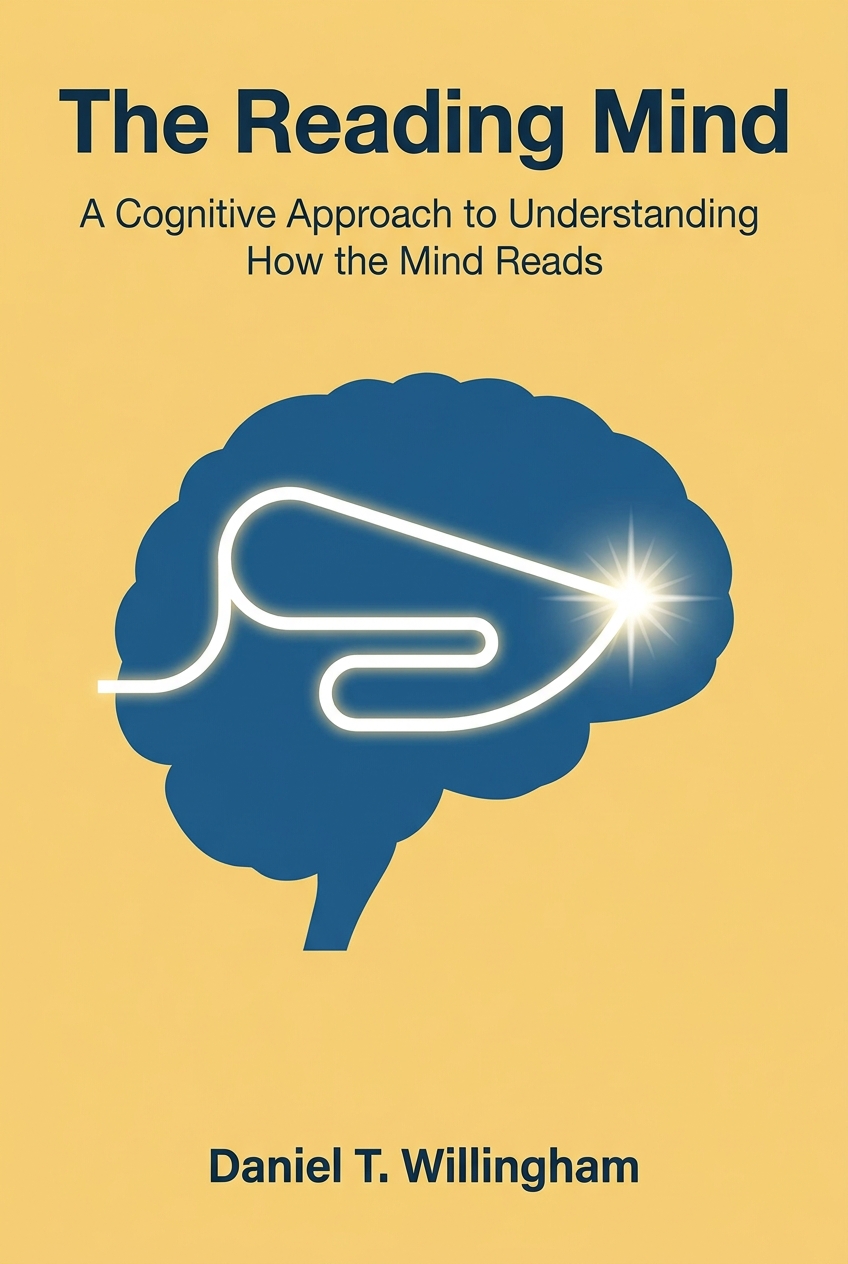
The Reading Mind
Understand the cognitive science behind how your brain processes text.
- Reading is a complex dance between your eyes, memory, and knowledge.
- Struggles with a text often signal a lack of background knowledge.
- Improve your focus and speed with targeted cognitive reading strategies.
Educators, students, and readers who want to read more effectively.
Understand the cognitive science behind how your brain processes text.
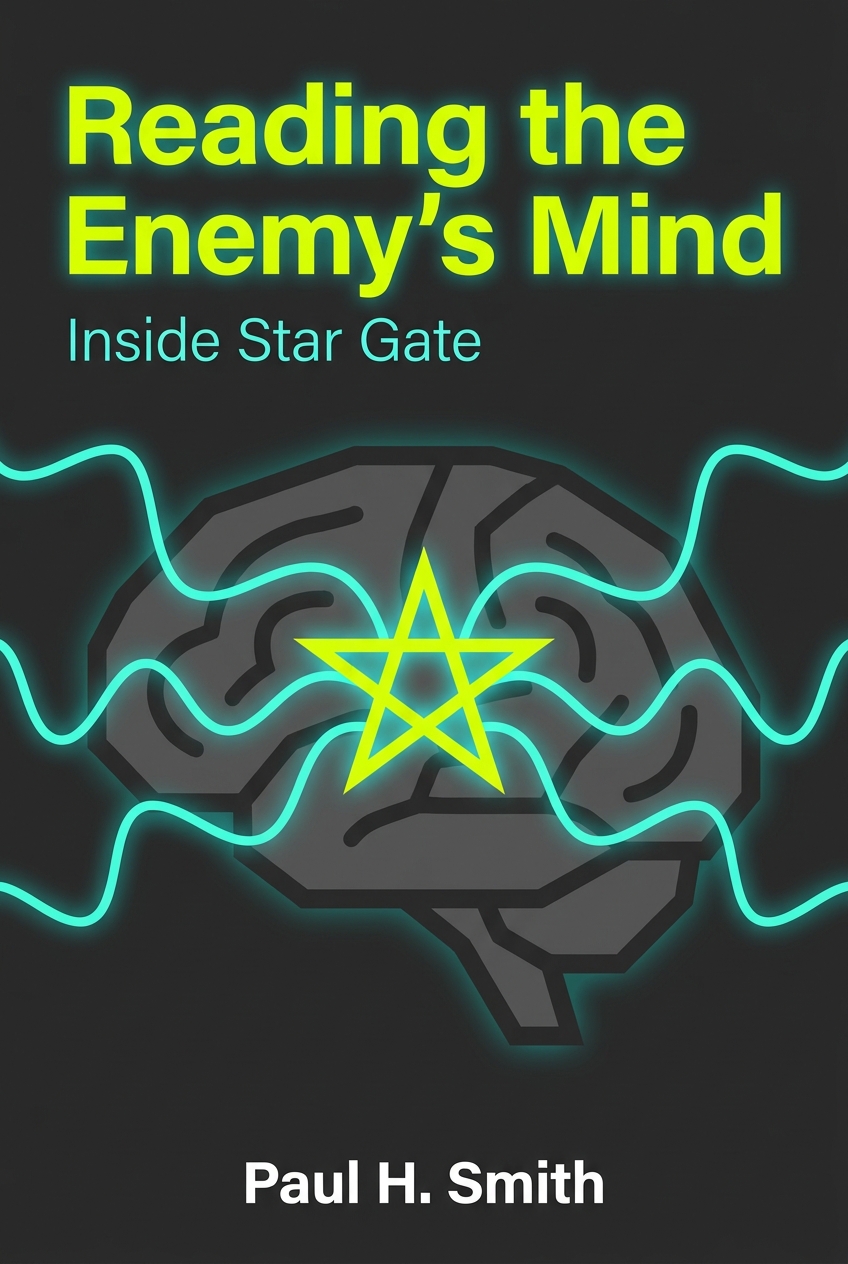
Reading the Enemy's Mind
Learn the U.S. military-developed mental technique of remote viewing.
- Remote viewing is a trainable skill, not a natural psychic gift.
- Strict protocols are used to separate imagination from genuine insight.
- This skill aims to access information beyond your normal senses.
Those curious about unconventional mental skills and psychic phenomena.
Learn the U.S. military-developed mental technique of remote viewing.
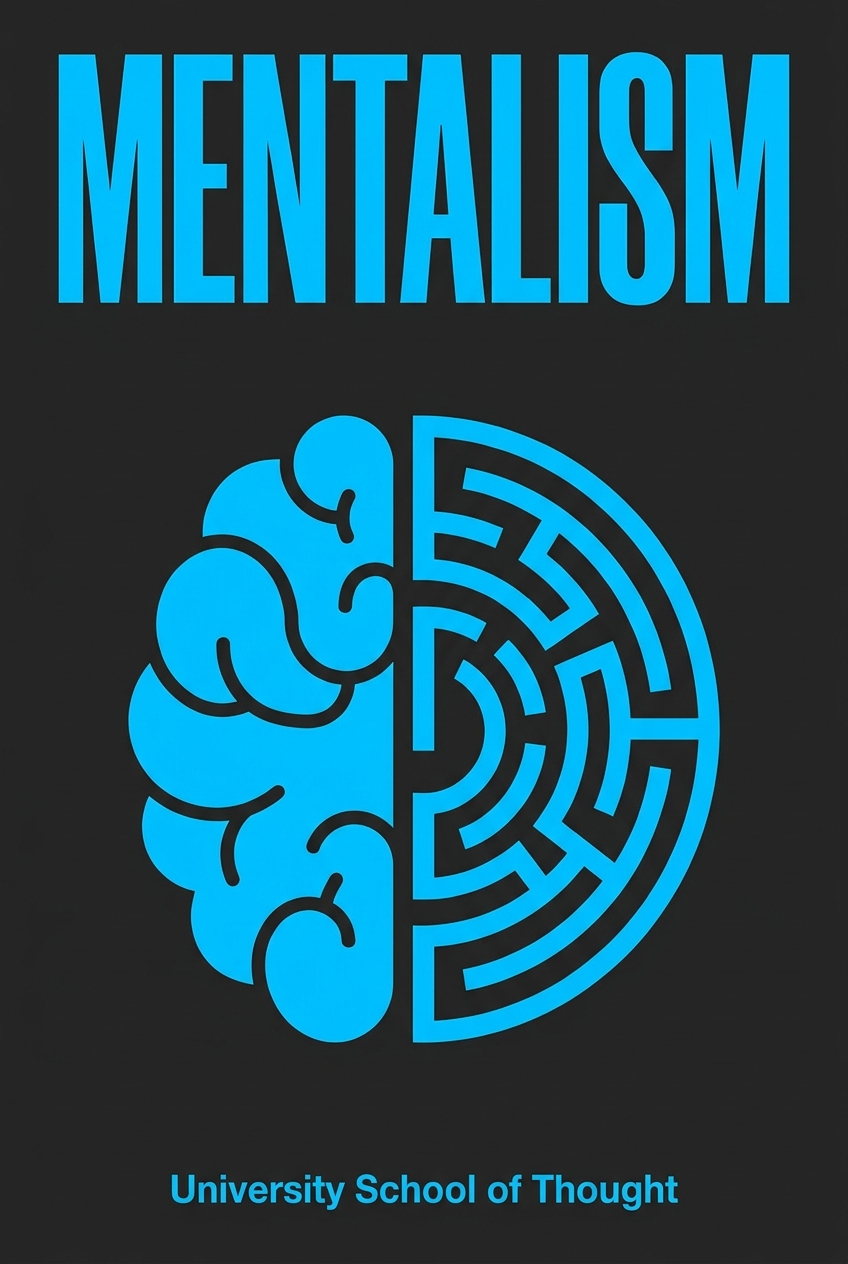
Mentalism
Take the first steps to mastering the art of reading and guiding people.
- Mentalism is based on psychology, keen observation, and suggestion.
- Learn to decode subtle body language and micro-expressions.
- Understand psychological triggers to become more persuasive and influential.
Beginners interested in psychology, persuasion, and social dynamics.
Take the first steps to mastering the art of reading and guiding people.
Man's Search for Meaning
Find unshakable purpose and strength even in unimaginable suffering.
- Your primary drive in life is the pursuit of meaning, not pleasure.
- Meaning can be found through work, love, and courage in hardship.
- You always have the freedom to choose your attitude in any situation.
Anyone searching for deeper meaning or struggling with adversity.
Find unshakable purpose and strength even in unimaginable suffering.
Make Your Bed
Build life-changing discipline starting with one simple daily habit.
- Completing one small task in the morning creates positive momentum.
- You cannot get through life alone; find people to help you paddle.
- Embrace failure as a learning opportunity that makes you stronger.
Those needing simple, actionable steps to build daily discipline.
Build life-changing discipline starting with one simple daily habit.
The Alchemist
Chase your true purpose and learn to read the universe's signs.
- Pursuing your "Personal Legend" is your life's most important mission.
- The universe conspires to help you when you follow your heart.
- Fear of suffering is often worse than the suffering itself.
Dreamers and adventurers feeling stuck or seeking their true calling.
Chase your true purpose and learn to read the universe's signs.
Greenlights
Learn to turn life's setbacks into signals for forward momentum.
- Life's challenges (red/yellow lights) can become future opportunities.
- Keep a journal to understand your past and navigate your future.
- True satisfaction comes from embracing your authentic identity.
Unconventional thinkers looking to live with more satisfaction and joy.
Learn to turn life's setbacks into signals for forward momentum.
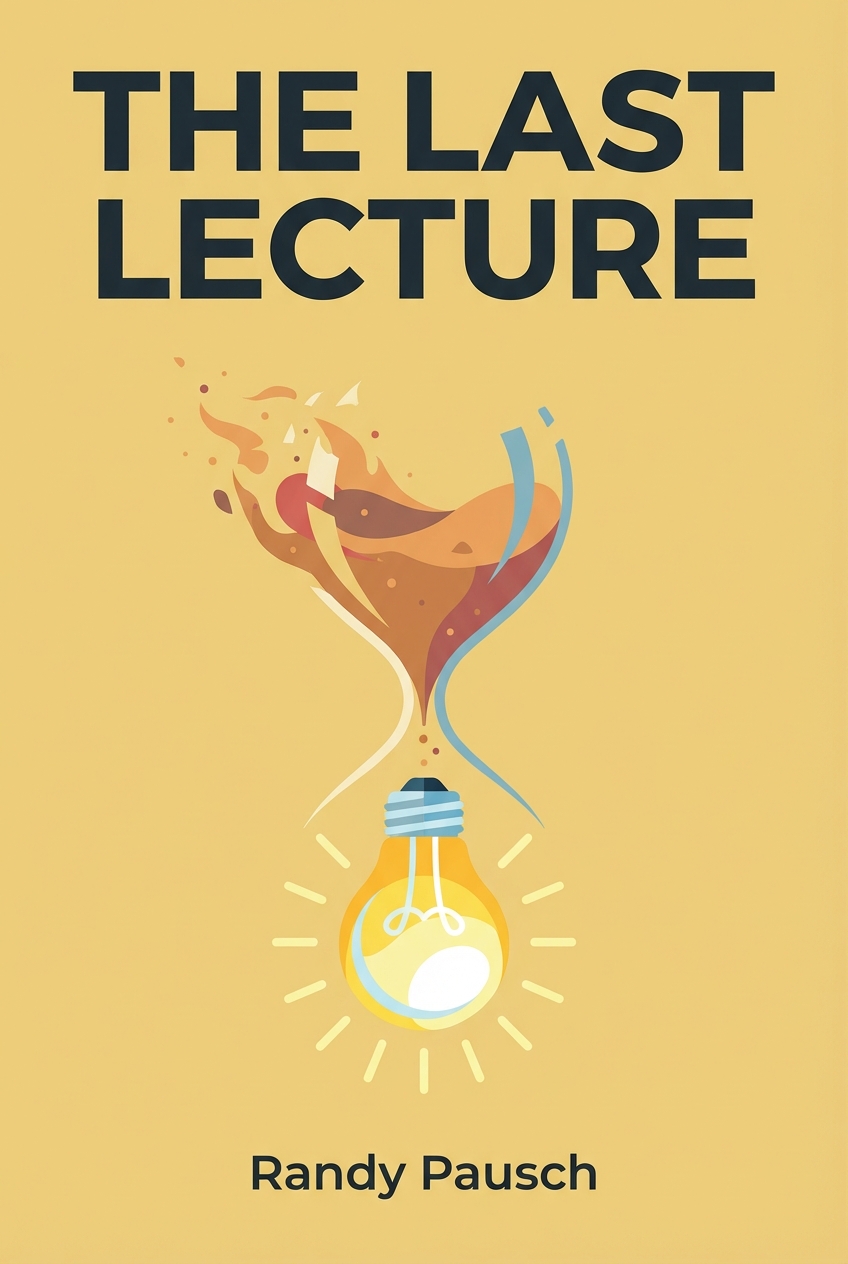
The Last Lecture
A dying professor shares his final lessons on living a joyful life.
- Obstacles ("brick walls") exist to prove how badly you want something.
- Find true fulfillment by enabling the dreams of other people.
- Seize every moment with optimism, gratitude, and a sense of fun.
Anyone wanting to live with more purpose, joy, and gratitude.
A dying professor shares his final lessons on living a joyful life.
Frequently Asked Questions
Life lessons are often hard because they require us to change our perspective, habits, or ego. They typically arise from challenging experiences or mistakes, forcing us into self-reflection and uncomfortable growth, which is an inherently difficult process.
While talent provides a head start, life lessons often determine long-term success and fulfillment. Talent is a raw ability, but life lessons build wisdom, resilience, and character. Many talented people fail from a lack of these qualities, while those who learn from life consistently overcome challenges.
Consistency comes from turning lessons into habits. Start by focusing on one key lesson and creating a small, daily practice around it, like the advice in *Make Your Bed*. Regularly reviewing your goals and reflecting on your progress, perhaps through journaling as suggested in *Greenlights*, also reinforces these lessons over time.