Best Psychology Books
Understanding the human mind is key to unlocking a better life. Learning why is psychology important reveals the hidden forces that shape our decisions, relationships, and well-being. This knowledge provides powerful psychology coping strategies to navigate life's challenges. We've curated the best books on psychology that distill complex theories into actionable advice for everyone, from students to professionals. These must read psychology books will help you master your emotions, build better habits, and unlock your true potential. Curated by the VoxBrief team.
The Body Keeps the Score
Discover how trauma reshapes your body and why healing requires more than talk therapy.
- Trauma alters your brain and nervous system, not just your mind.
- Talk therapy alone is often insufficient for deep healing from trauma.
- Body-based practices like yoga can help release the physical grip of the past.
Individuals struggling with the physical and mental effects of past trauma.
Discover how trauma reshapes your body and why healing requires more than talk therapy.
The Power of Your Subconscious Mind
Learn to reprogram your deepest beliefs to attract the health, wealth, and success you desire.
- Your deep-seated subconscious beliefs shape your external reality.
- You can reprogram your subconscious mind using specific techniques and prayers.
- Overcoming mental blocks is key to unlocking your full potential.
People who feel stuck and want to take control of their life's direction.
Learn to reprogram your deepest beliefs to attract the health, wealth, and success you desire.
The Psychology of Money
Learn why your financial success is driven more by your behavior than by your intelligence.
- Building wealth is more about Psychology and behavior than complex financial knowledge.
- Long-term compounding is more powerful than short-term gains.
- True wealth is having control over your time and choices.
Anyone who wants to build lasting wealth and a healthier relationship with money.
Learn why your financial success is driven more by your behavior than by your intelligence.
Thinking, Fast and Slow
Uncover the two systems of thinking that govern your mind and lead to irrational choices.
- Your mind has two systems: System 1 (fast, intuitive) and System 2 (slow, logical).
- Cognitive biases and mental shortcuts frequently cause errors in judgment.
- Recognizing these biases can help you make clearer, more effective decisions.
Anyone looking to improve their decision-making and avoid common mental errors.
Uncover the two systems of thinking that govern your mind and lead to irrational choices.
Adult Children of Emotionally Immature Parents
Understand why you feel lonely and dismissed by your parents and how to break free.
- Emotionally immature parents create feelings of loneliness and neglect in their children.
- There are four main types of difficult, emotionally immature parents.
- You can set boundaries to stop painful dynamics and build authentic connections.
Adults who feel emotionally neglected or burdened by their parental relationships.
Understand why you feel lonely and dismissed by your parents and how to break free.
Talking to Strangers
Discover why our instincts about new people are so often wrong and how to avoid misjudgment.
- We naturally default to believing others, even when faced with deception.
- Relying on non-verbal cues to judge character is highly unreliable.
- Simple misunderstandings with strangers can lead to disastrous consequences.
Anyone who wants to interact more intelligently and accurately judge new people.
Discover why our instincts about new people are so often wrong and how to avoid misjudgment.
Mindset
Learn how shifting from a 'fixed' to a 'growth' mindset can unlock your true potential.
- A 'fixed mindset' believes abilities are static, limiting potential.
- A 'growth mindset' sees challenges as opportunities to learn and improve.
- You can cultivate a growth mindset to achieve more in any area of life.
Individuals feeling stuck and looking to unlock their potential in any field.
Learn how shifting from a 'fixed' to a 'growth' mindset can unlock your true potential.
Atlas of the Heart
Map your emotions and learn the language to articulate what you're truly feeling.
- There are at least 87 distinct emotions and experiences that shape our lives.
- Learning the vocabulary for your feelings fosters deeper connections.
- Understanding your emotions provides clarity and the power to articulate your needs.
People who want to build a richer emotional vocabulary and improve their connections.
Map your emotions and learn the language to articulate what you're truly feeling.
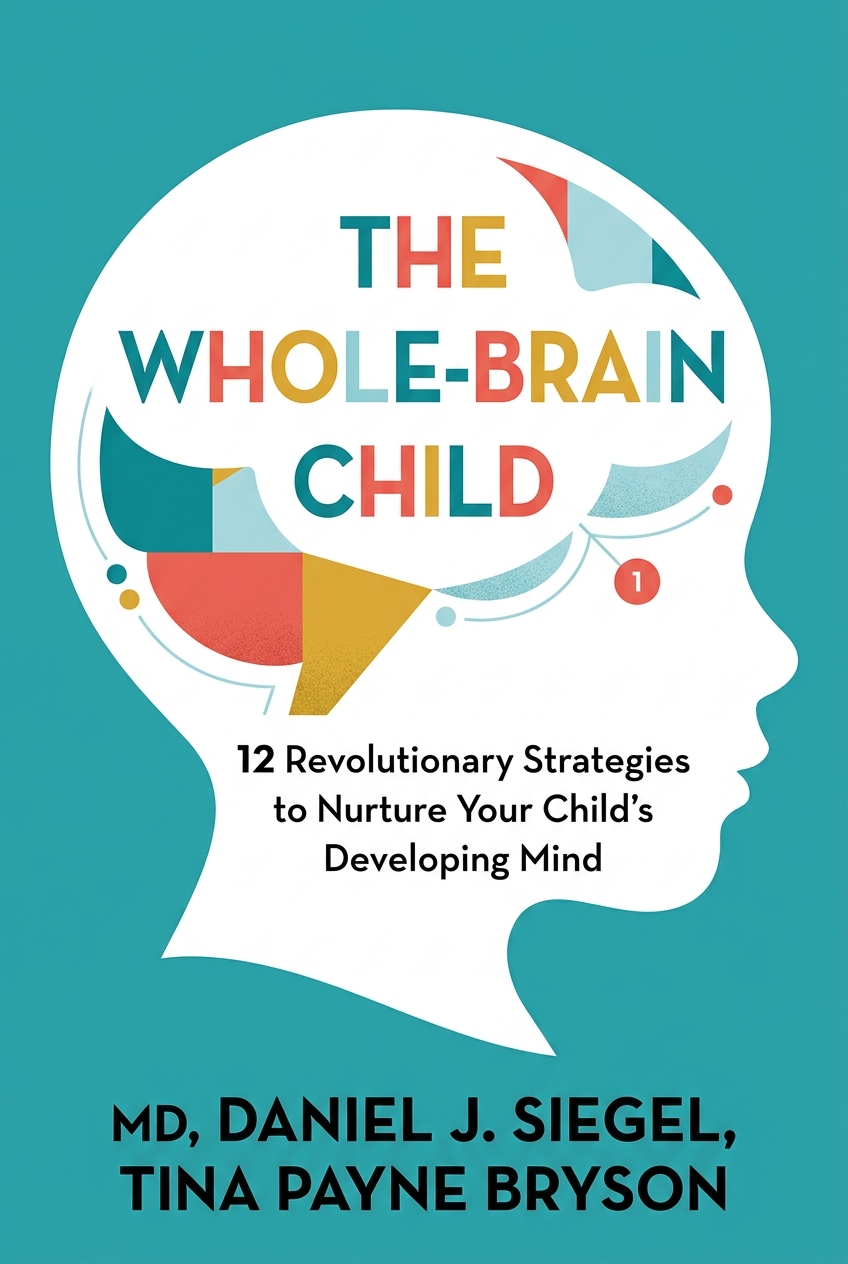
The Whole-Brain Child
Turn parenting challenges into opportunities for growth with 12 brain-based strategies.
- Parenting struggles can be opportunities to help integrate your child's brain.
- Understanding how your child's brain is wired helps you manage their big feelings.
- You can foster calmer, happier, and more resilient kids with simple strategies.
Parents struggling with tantrums and looking for science-backed discipline strategies.
Turn parenting challenges into opportunities for growth with 12 brain-based strategies.
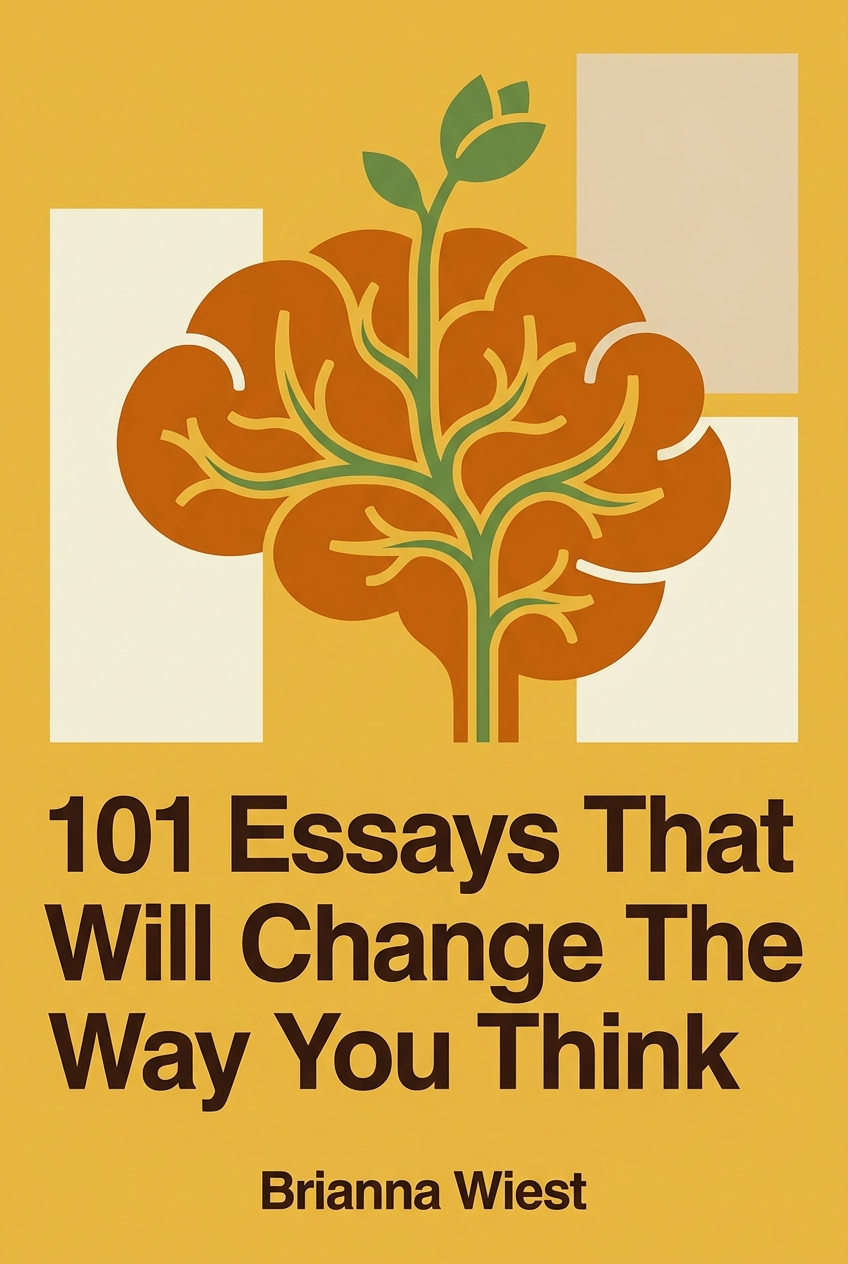
101 Essays That Will Change The Way You Think
Uncover hidden biases and self-sabotaging behaviors that are holding you back in life.
- Pursuing happiness directly often leads to misery.
- Negative thinking can be a powerful tool for personal growth.
- Reframing your past is crucial for building the future you truly want.
Individuals seeking a shift in perspective to overcome self-sabotage.
Uncover hidden biases and self-sabotaging behaviors that are holding you back in life.
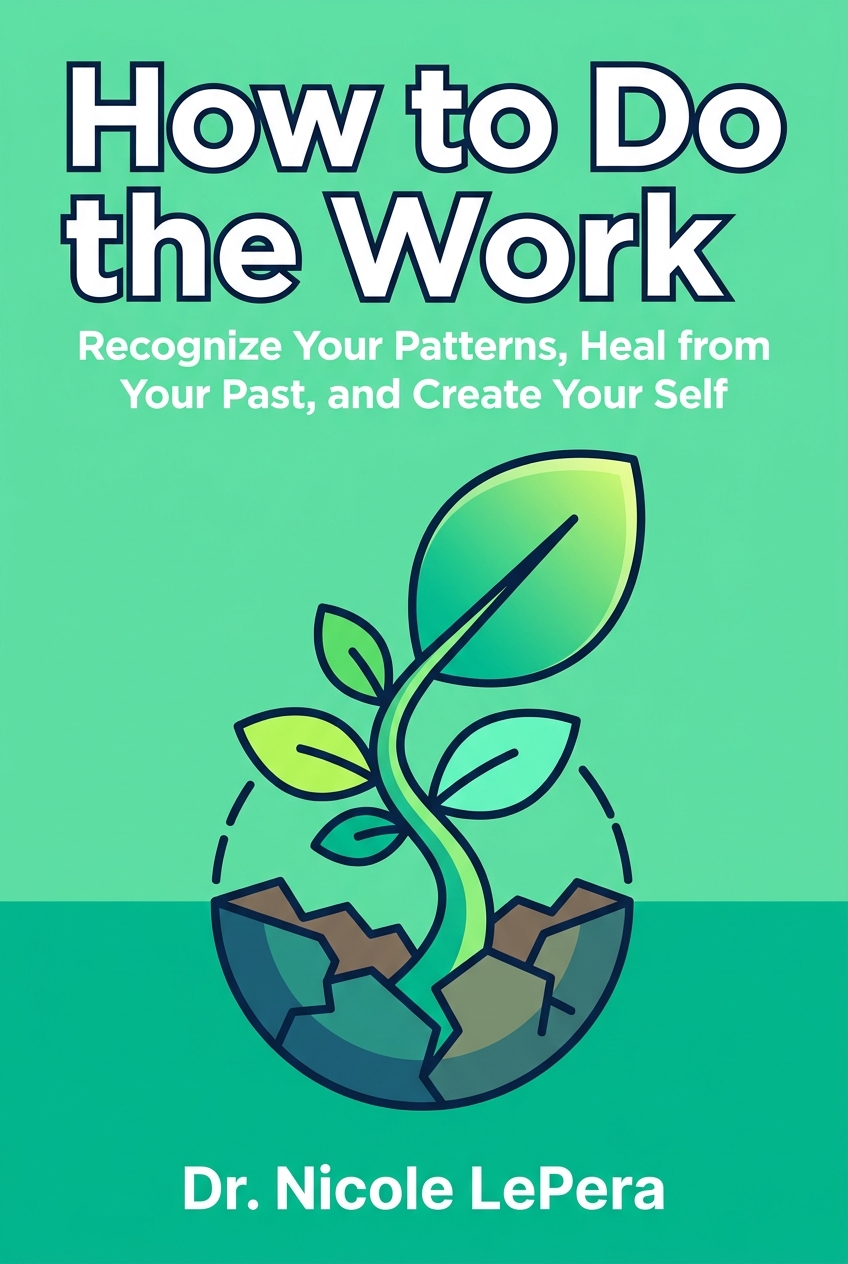
How to Do the Work
Break free from past trauma and consciously create the life you want with a new healing model.
- You can recognize and break free from self-sabotaging patterns rooted in your past.
- Healing involves a holistic approach that connects the mind and body.
- You can learn to 'reparent' your inner child and set healthy boundaries.
Those feeling stuck in damaging cycles and ready to heal from past trauma.
Break free from past trauma and consciously create the life you want with a new healing model.
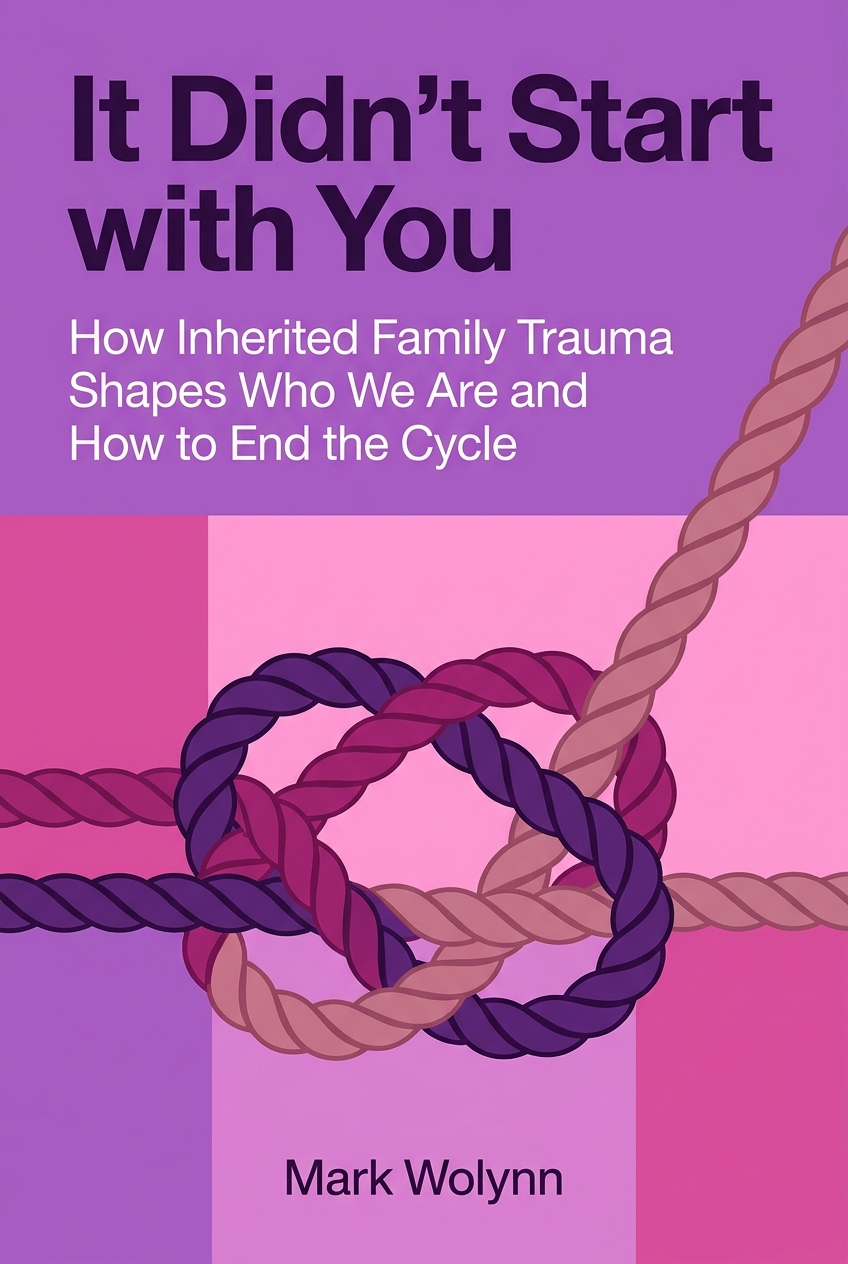
It Didn't Start with You
Discover how your ancestors' trauma could be shaping your life and learn how to break free.
- Trauma and its effects can be passed down through generations.
- Unexplained anxiety or depression may have roots in your family's history.
- There are specific techniques to uncover and heal inherited family trauma.
People experiencing patterns of suffering that don't feel entirely their own.
Discover how your ancestors' trauma could be shaping your life and learn how to break free.
Set Boundaries, Find Peace
Reclaim your time and energy by mastering the art of setting healthy boundaries, guilt-free.
- There are six key types of boundaries needed for a healthy life.
- Setting boundaries is essential for your mental health and personal relationships.
- You can learn to communicate your needs clearly without feeling guilty.
People-pleasers who are tired of saying 'yes' when they want to say 'no'.
Reclaim your time and energy by mastering the art of setting healthy boundaries, guilt-free.
Flow
Learn to intentionally create states of deep enjoyment and total involvement in any activity.
- Flow is a state of optimal experience where you feel your best and perform your best.
- You can structure activities to make achieving a flow state more likely.
- Controlling your inner experience is the key to lasting happiness.
Anyone feeling busy but unfulfilled and wanting more genuine happiness from daily life.
Learn to intentionally create states of deep enjoyment and total involvement in any activity.
How Emotions Are Made
Discover that emotions aren't hardwired, but constructed by your brain on the fly.
- Emotions are not universal reactions; they are actively constructed by your brain.
- Your past experiences, culture, and language shape how you feel.
- Understanding this process gives you more control over your emotional life.
Individuals who want to master their emotions rather than be controlled by them.
Discover that emotions aren't hardwired, but constructed by your brain on the fly.
The Mind-Gut Connection
Explore the powerful, hidden conversation between your brain and your digestive system.
- A constant two-way communication exists between your gut and your brain.
- This connection shapes your moods, decisions, and overall health.
- The food you eat directly impacts your emotional state via your gut microbiome.
Anyone interested in how digestion and gut health influence mood and mental clarity.
Explore the powerful, hidden conversation between your brain and your digestive system.
Psychopathology of Everyday Life
Learn why common slips of the tongue and memory lapses are secret messages from your mind.
- Everyday mistakes like forgetting names are not random accidents.
- These 'Freudian slips' reveal hidden desires, fears, and repressed thoughts.
- Analyzing these errors provides a window into your unconscious mind.
Those curious about psychoanalysis and the hidden meanings behind everyday behavior.
Learn why common slips of the tongue and memory lapses are secret messages from your mind.
Dianetics
Discover techniques to erase painful experiences and unlock your true potential for success.
- The 'reactive mind' is the hidden source of your irrational behaviors and fears.
- A step-by-step auditing process can locate and resolve past traumas.
- You can achieve a state of 'Clear' for greater confidence and happiness.
Seekers of self-improvement looking for a structured system to overcome past pains.
Discover techniques to erase painful experiences and unlock your true potential for success.
Dark Psychology and Manipulation
Learn to spot the hidden scripts manipulators use to protect yourself from their influence.
- Manipulators use specific psychological techniques to control others.
- Recognizing covert influence, gaslighting, and emotional control is a key defense.
- You can build a mental shield against dark psychology tactics.
People who feel they are being taken advantage of and want to spot manipulation.
Learn to spot the hidden scripts manipulators use to protect yourself from their influence.
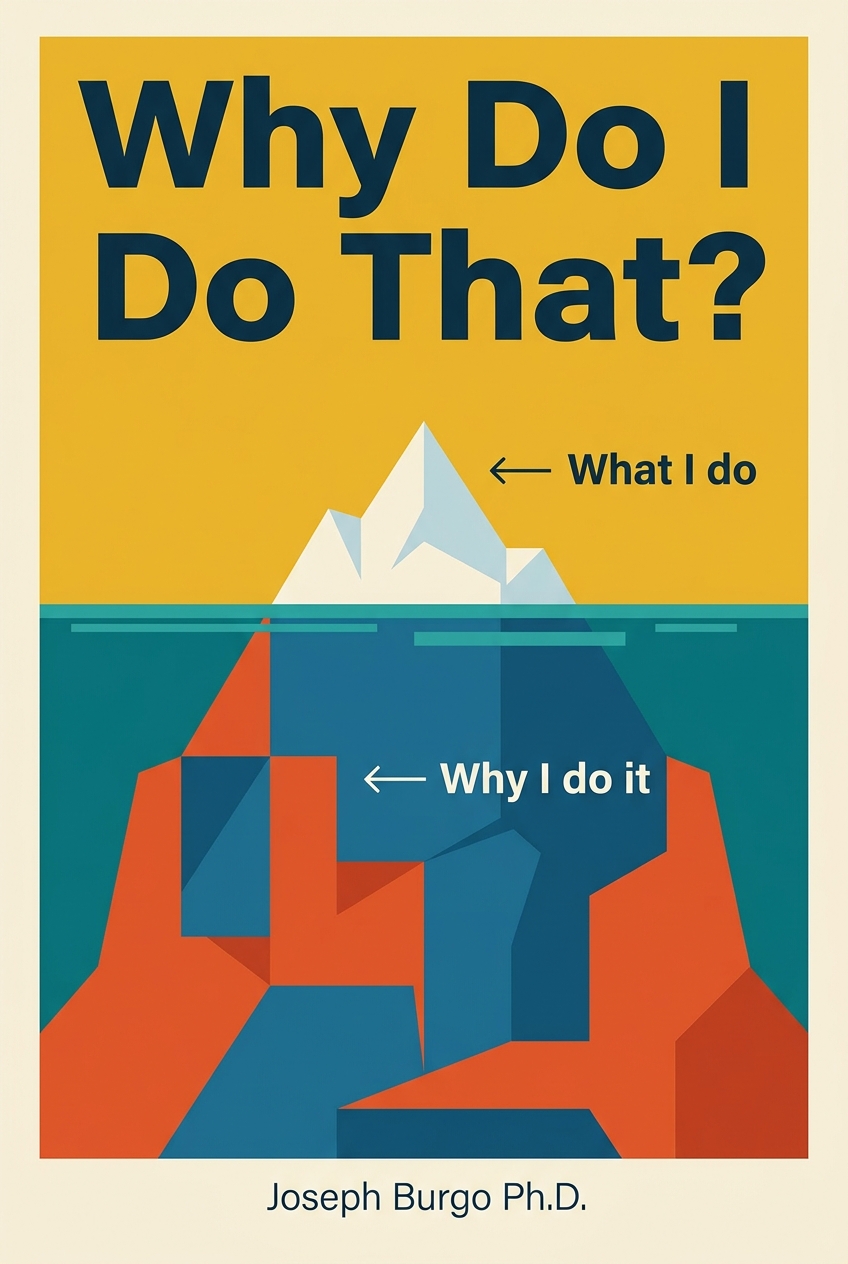
Why Do I Do That?
Uncover the unconscious psychological defenses that secretly drive your choices.
- Behaviors like procrastination and denial are unconscious defense mechanisms.
- These defenses often originate from past experiences and unresolved feelings.
- Identifying your specific defenses is the first step to taking back control.
Individuals who want to understand and stop their own self-sabotaging behaviors.
Uncover the unconscious psychological defenses that secretly drive your choices.
Psychology of the Unconscious
Explore Jung's ideas on archetypes and the collective unconscious to understand your mind.
- The 'collective unconscious' contains universal patterns, or archetypes, we all share.
- Dreams and fantasies are symbolic messages from the deeper parts of your psyche.
- Ancient myths reveal the universal psychological drivers of human behavior.
Those interested in depth psychology, dream analysis, and symbolic meaning.
Explore Jung's ideas on archetypes and the collective unconscious to understand your mind.
How to Make Your Brain Your Best Friend
Use science-backed strategies to rewire your brain for a calmer, more focused life.
- You can train your brain to break free from negative thought loops.
- Simple, practical exercises can boost cognitive function and mental focus.
- Building emotional resilience is a skill that can be learned and strengthened.
Anyone who feels their own mind is their biggest critic and wants actionable change.
Use science-backed strategies to rewire your brain for a calmer, more focused life.
Emotional Intelligence
Discover why emotional intelligence (EQ) is often more important for success than IQ.
- Emotional intelligence is comprised of five key skills, including self-awareness.
- Mastering your emotions is crucial for handling setbacks and motivating yourself.
- High EQ leads to stronger relationships and better leadership.
Professionals who want to improve their leadership skills and personal relationships.
Discover why emotional intelligence (EQ) is often more important for success than IQ.
Man's Search for Meaning
Learn how to find unshakable purpose and strength, even in the midst of great suffering.
- Your primary drive in life is not pleasure, but the discovery of what you find meaningful.
- You can find meaning through work, love, and courage in the face of suffering.
- You always have the freedom to choose your attitude in any given circumstance.
Anyone searching for purpose or struggling to find meaning in difficult times.
Learn how to find unshakable purpose and strength, even in the midst of great suffering.
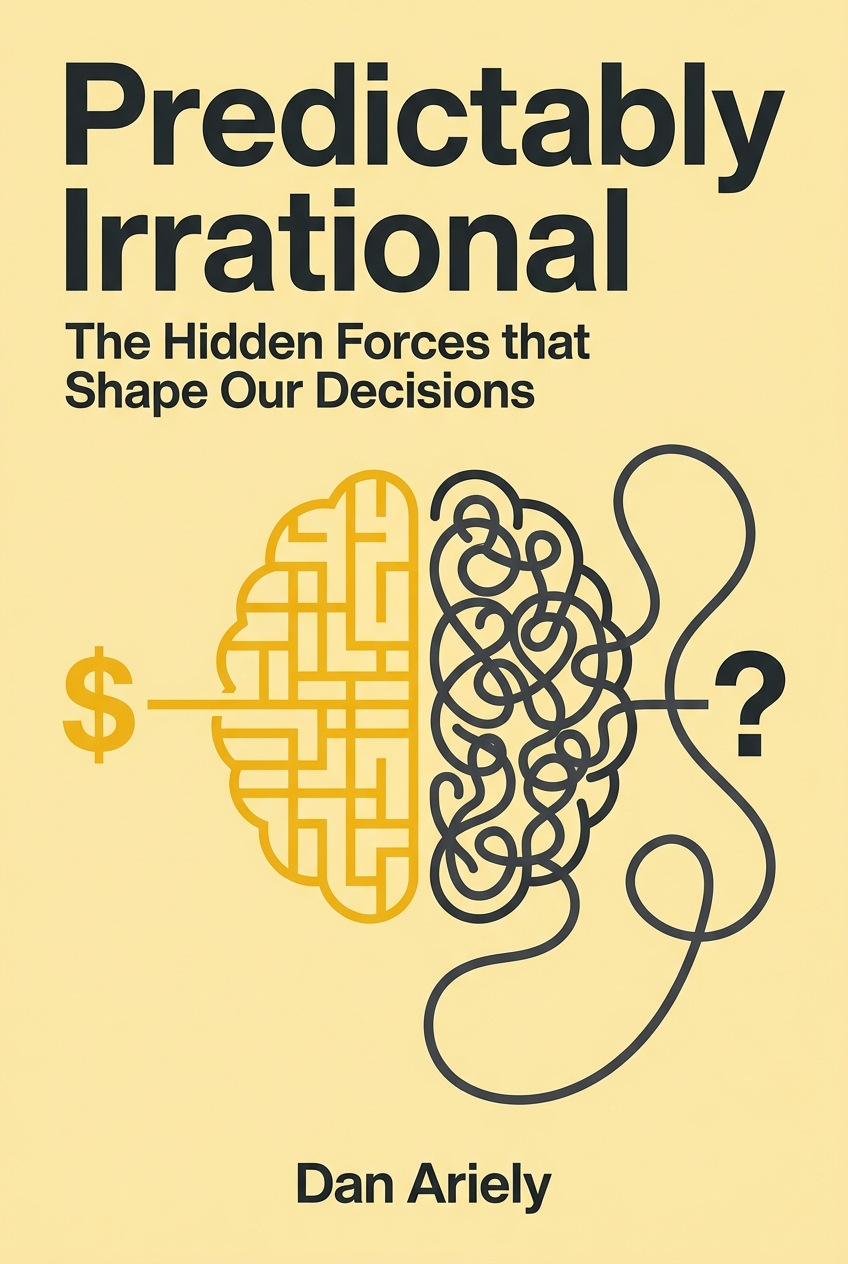
Predictably Irrational
Uncover the hidden psychological forces that make you act against your best interests.
- Your decisions are consistently and predictably irrational, not random.
- The power of "free," social norms, and expectations heavily influence your choices.
- Understanding your biases helps you make smarter, more deliberate decisions.
Consumers and marketers interested in the psychology of decision-making.
Uncover the hidden psychological forces that make you act against your best interests.
Quiet
Harness the hidden strengths of introversion in a world built for extroverts.
- Introversion is about how you respond to stimulation, not about being shy.
- Introverts possess unique strengths in creativity, focus, and leadership.
- Create environments that honor your need for quiet to perform at your best.
Introverts seeking to thrive authentically, both at work and in life.
Harness the hidden strengths of introversion in a world built for extroverts.
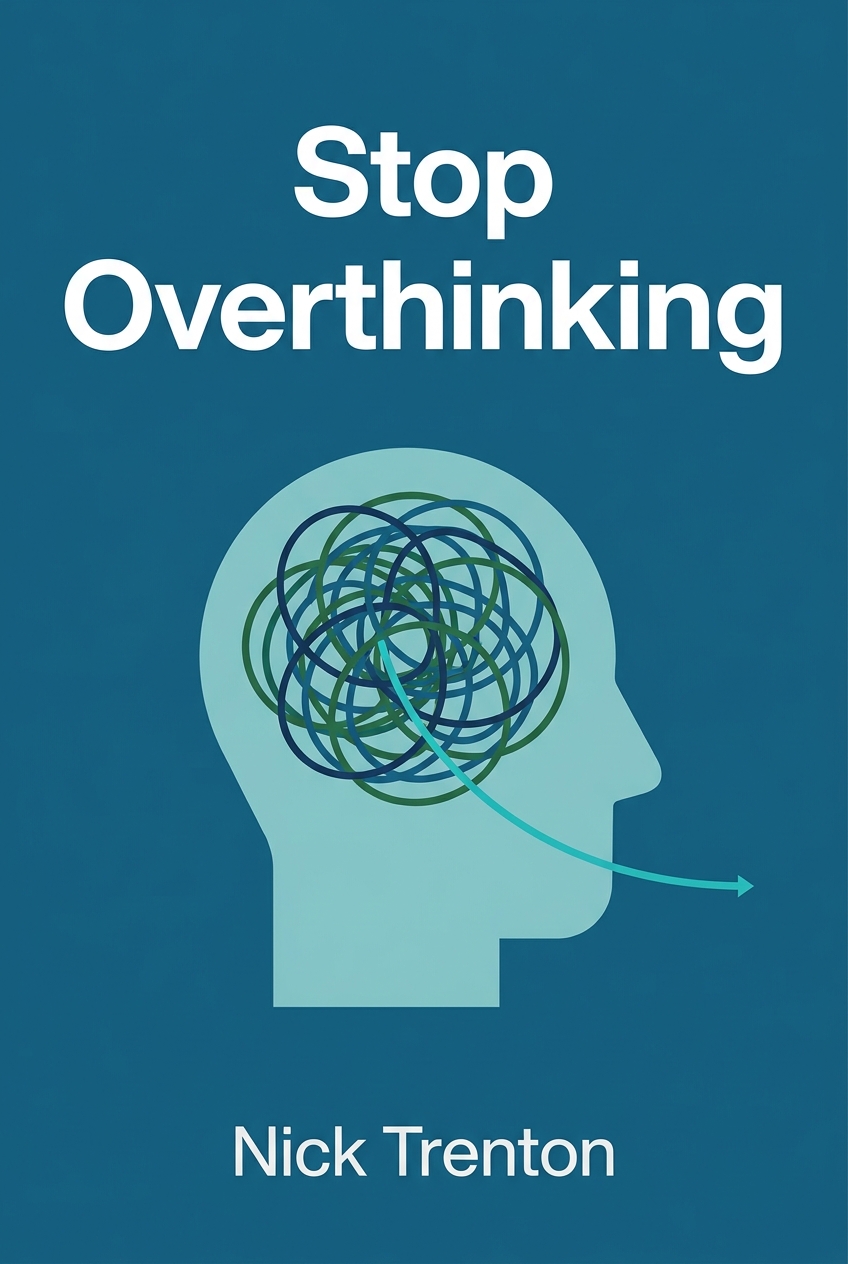
Stop Overthinking
Break free from anxiety loops with 23 science-backed, actionable techniques.
- Recognize and challenge your negative thought spirals before they take control.
- Use mindfulness and grounding techniques to stay anchored in the present moment.
- Reframe your worries to see them from a less threatening, more logical perspective.
Individuals struggling with anxiety and repetitive negative thoughts.
Break free from anxiety loops with 23 science-backed, actionable techniques.
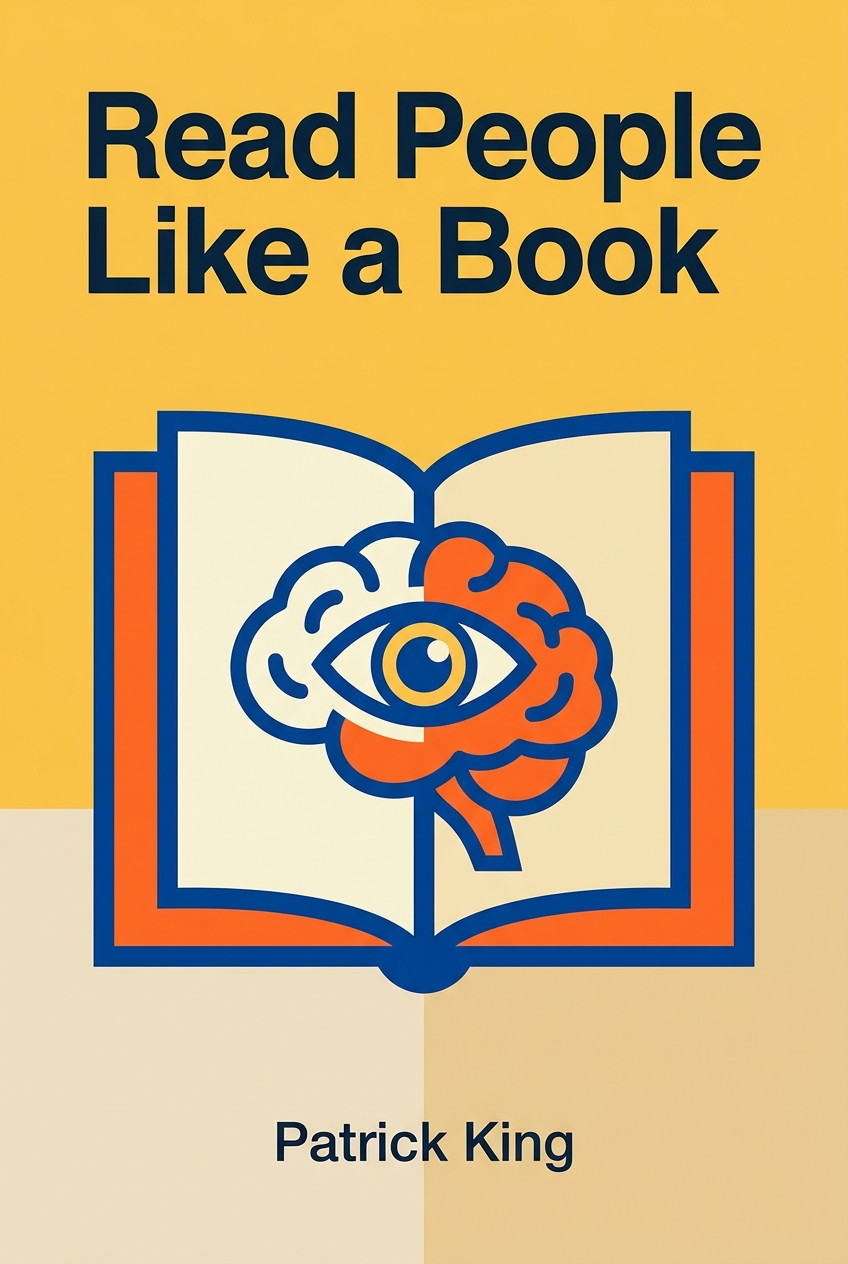
Read People Like a Book
Decode body language and vocal cues to understand people's true intentions.
- Nonverbal cues often reveal more about a person's true feelings than their words.
- Analyze conversational patterns and word choices to detect hidden motivations.
- Understanding others gives you a powerful edge in social and professional settings.
Salespeople, managers, or anyone wanting to improve their social perception.
Decode body language and vocal cues to understand people's true intentions.
Frequently Asked Questions
The top psychology books are typically those that have had a significant impact on the field or in popular understanding. They often introduce groundbreaking research, offer a new framework for thinking about the human mind, or provide highly effective, practical advice that has helped millions of readers improve their lives.
Reading about psychology provides powerful tools for self-understanding and personal growth. It can help you navigate relationships, improve your decision-making, manage your emotions, and understand why you behave the way you do, leading to a more intentional and fulfilling life.
For a great introduction to psychology, 'Thinking, Fast and Slow' by Daniel Kahneman is an excellent choice. It clearly explains the hidden biases that affect everyone's thinking in a way that's accessible and fascinating, providing a solid foundation for understanding cognitive psychology.
A good book about psychology translates complex research into practical, everyday advice without oversimplifying the science. It should offer actionable strategies, be backed by credible studies, and help you understand not just *what* you do, but *why* you do it.
Many people feel this way because our brains are wired with cognitive biases and defense mechanisms developed over a lifetime. Books like "Why Do I Do That?" and "Thinking, Fast and Slow" explain that these patterns are often unconscious. Recognizing them is the first step toward change.
Absolutely. Concepts like neuroplasticity show that the brain can change. Books such as "Mindset" and "Stop Overthinking" provide frameworks and exercises for creating lasting change by rewiring your thought patterns and reinforcing healthier coping strategies.
For those new to the subject, a great starting point is a book that applies to a specific area of your life. When looking for the best psychology books, consider what you want to improve—money habits ("The Psychology of Money"), social skills ("Quiet"), or decision-making ("Predictably Irrational").