Books On Behavioral Psychology
Understanding what is behavioral psychology is the first step to unlocking a better life. It reveals the hidden forces behind our choices, habits, and relationships, which is why is behavioral psychology important for personal growth. This curated list of the best behavioral psychology books explores everything from cognitive biases and emotional intelligence to habit formation. Whether you're decoding your own actions or seeking to understand others, these summaries offer powerful insights and practical tools for lasting change. Curated by the VoxBrief team.
The Psychology of Money
Learn how your mindset, not your income, truly builds long-lasting wealth.
- Financial success is driven by behavior and psychology, not just intelligence.
- Embrace compounding and understand that time is your greatest financial asset.
- Accept the roles of luck and risk in your financial journey.
Anyone wanting to improve their financial habits and mindset.
Learn how your mindset, not your income, truly builds long-lasting wealth.
Behave
Uncover the biological forces that drive your behavior at its best and worst.
- Human behavior is a product of neurobiology, hormones, and evolution.
- Events from seconds to millennia ago shape your current actions.
- Context is crucial for understanding why we act the way we do.
Students and enthusiasts of biology, psychology, or human nature.
Uncover the biological forces that drive your behavior at its best and worst.
Read People Like a Book
Master the art of analyzing behavior to decode what people truly mean.
- Nonverbal cues often reveal more than spoken words.
- Learn to spot inconsistencies between body language and speech.
- Analyze vocal tone and conversational patterns for hidden meanings.
Professionals seeking to improve communication and negotiation skills.
Master the art of analyzing behavior to decode what people truly mean.
How Emotions Are Made
Master your emotional life by learning how your brain actively creates feelings.
- Emotions are not universal but are constructed by your brain.
- Past experiences, culture, and language shape your emotional responses.
- You can increase emotional intelligence by managing these constructions.
Individuals looking to gain control over their emotional responses.
Master your emotional life by learning how your brain actively creates feelings.
Psychopathology of Everyday Life
Discover how everyday mistakes reveal messages from your unconscious mind.
- Slips of the tongue, or 'Freudian slips,' point to repressed thoughts.
- Forgetting names or misplacing objects can be psychologically significant.
- These errors are windows into your hidden desires and anxieties.
Readers curious about Freudian psychoanalysis and the unconscious.
Discover how everyday mistakes reveal messages from your unconscious mind.
Dianetics
Erase painful experiences and self-doubt to unlock your true potential.
- The 'reactive mind' stores past pain and causes irrational behavior.
- An 'auditing' process helps locate and neutralize this past trauma.
- Achieving the state of 'Clear' can boost confidence and ability.
People seeking a structured method to address past trauma and self-doubt.
Erase painful experiences and self-doubt to unlock your true potential.
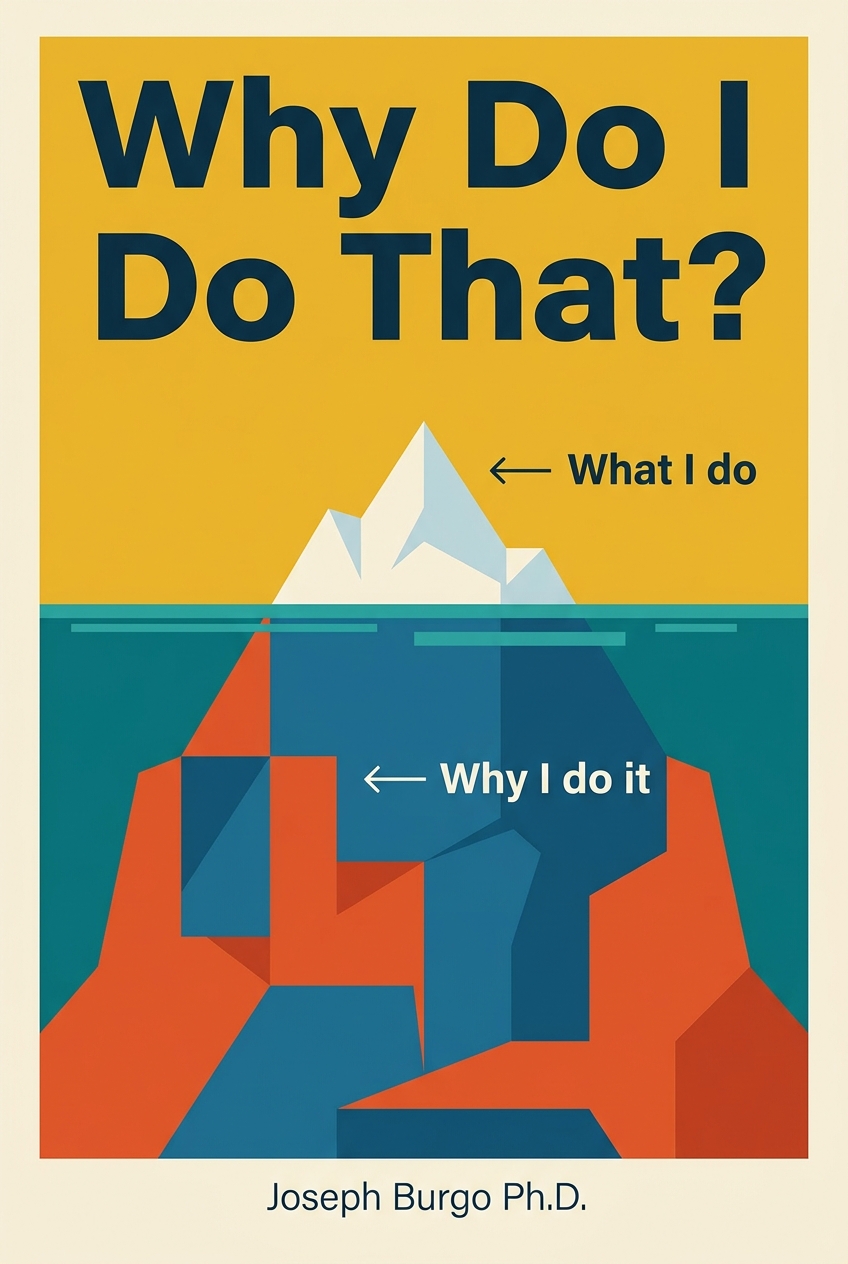
Why Do I Do That?
Uncover the hidden psychological defenses that drive your self-sabotage.
- Defenses like denial and procrastination protect you from emotional pain.
- These defenses often operate unconsciously and cause unintended problems.
- Identifying your defense mechanisms is the first step to changing them.
Anyone who feels stuck in self-defeating patterns of behavior.
Uncover the hidden psychological defenses that drive your self-sabotage.
On Becoming A Person
Unlock your authentic self by embracing personal growth and self-acceptance.
- True growth comes from being genuine and self-directed.
- Empathy and unconditional positive regard are keys to better relationships.
- Trusting your own experience is crucial for becoming 'fully functioning.'
Individuals on a journey of self-discovery and personal development.
Unlock your authentic self by embracing personal growth and self-acceptance.
Psychology of the Unconscious
Explore the hidden symbols and archetypes in your mind that shape your life.
- The unconscious mind communicates through symbols, dreams, and myths.
- Archetypes are universal patterns of behavior within the 'collective unconscious.'
- Integrating your conscious and unconscious minds leads to wholeness.
Those interested in Jungian psychology, dream analysis, and mythology.
Explore the hidden symbols and archetypes in your mind that shape your life.
Thinking, Fast and Slow
Discover the two systems of thought that drive your choices and biases.
- Your mind has two systems: fast, intuitive System 1 and slow, deliberate System 2.
- Cognitive biases from System 1 lead to systematic errors in judgment.
- Recognizing these biases can help you make more rational decisions.
Decision-makers and professionals aiming for clearer thinking.
Discover the two systems of thought that drive your choices and biases.
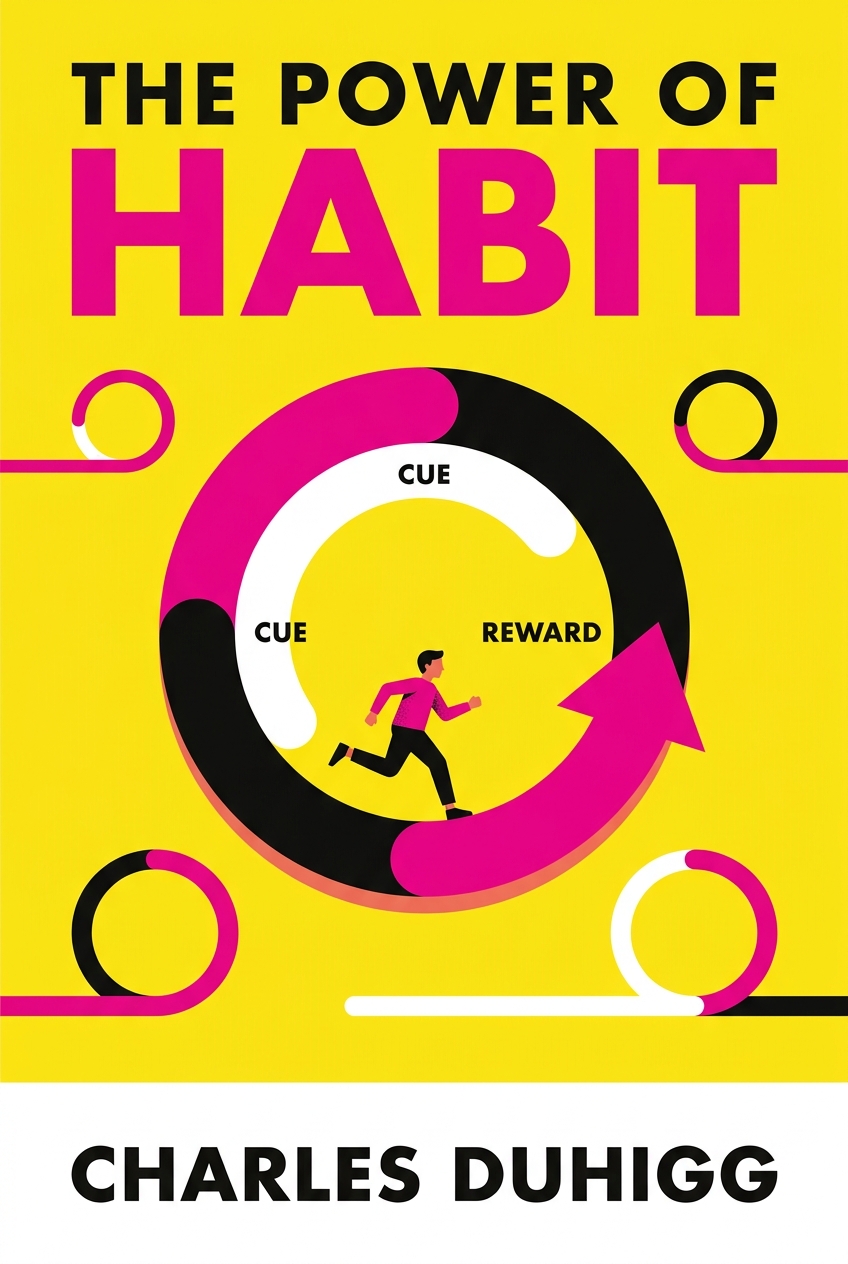
The Power of Habit
Use a simple, scientific framework to break bad habits and build good ones.
- Habits operate on a 'Cue, Routine, Reward' neurological loop.
- You can change a habit by altering the routine, not the cue or reward.
- Understanding this loop can transform individuals, teams, and companies.
Anyone looking for a practical, step-by-step guide to changing habits.
Use a simple, scientific framework to break bad habits and build good ones.
Predictably Irrational
Learn the hidden psychological forces that make your choices irrational.
- Human irrationality is not random but predictable and systematic.
- Concepts like the power of 'free' and relativity heavily influence decisions.
- Understanding these patterns helps you avoid common decision-making traps.
Consumers and marketers interested in the psychology of decision-making.
Learn the hidden psychological forces that make your choices irrational.
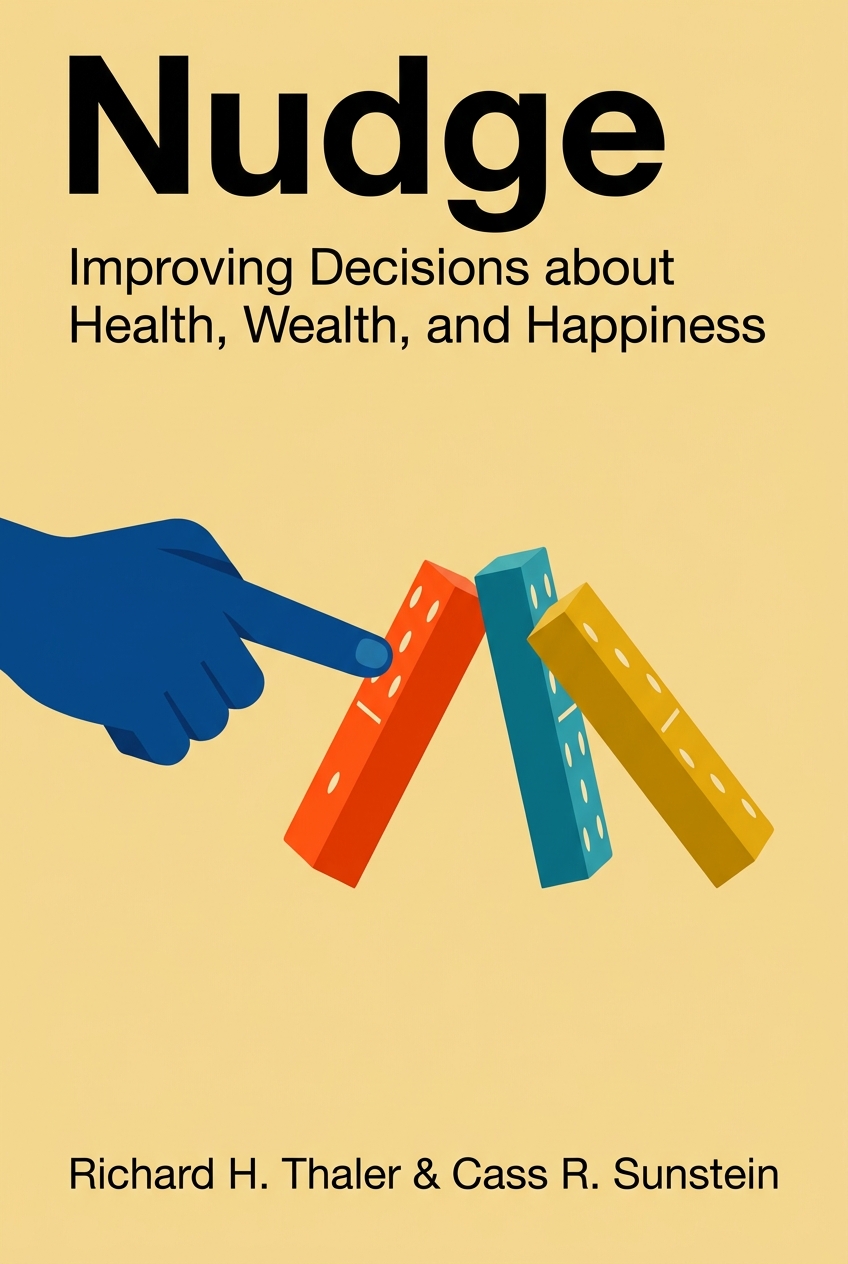
Nudge
Learn how small environmental changes can steer you toward better decisions.
- 'Choice architecture' can guide behavior without restricting freedom.
- Small 'nudges,' like changing default options, have a massive impact.
- These principles can improve choices in health, wealth, and happiness.
Policymakers, managers, and anyone designing systems for others.
Learn how small environmental changes can steer you toward better decisions.
Frequently Asked Questions
Yes. While challenging, behavioral patterns can be changed. Books like *The Power of Habit* show that by understanding the underlying mechanisms, such as cue-routine-reward loops, you can consciously implement new behaviors and weaken old ones over time.
This is often driven by unconscious defense mechanisms or deeply ingrained habits. Books like *Why Do I Do That?* explain that these behaviors may protect you from emotional pain, while *Thinking, Fast and Slow* shows how cognitive biases can lead to irrational choices.
Long-term change relies on consistency and strategy, not just willpower. Creating systems, as discussed in *Nudge*, is key. This involves changing your environment to make good choices easier and building sustainable routines by understanding your behavioral cues and rewards.
For beginners, *The Power of Habit* is an excellent, practical starting point for understanding and changing your own actions. If you're interested in why we make irrational decisions, *Predictably Irrational* is accessible and eye-opening.
For students, *Behave* by Robert M. Sapolsky provides a comprehensive and scientific look at the biological underpinnings of behavior. Daniel Kahneman's *Thinking, Fast and Slow* is also foundational for understanding cognitive psychology and behavioral economics, making them essential reads for any student in the field.