Great Educational Books
The quest for knowledge is a lifelong journey, and books are our most trusted guides. Our list of great educational books covers everything from the wonders of science for kids to the complexities of philosophy for adults. This collection offers clear, engaging summaries that make learning accessible and exciting for everyone. These educational book recommendations are designed to spark curiosity, answer tough questions, and expand your understanding of the world. Curated by the VoxBrief team.
National Geographic Little Kids First Big Book of Why
Turn your child's endless "why" questions into fun learning adventures.
- Explain complex topics like the human body and nature in simple terms.
- Use storytelling and analogies to make learning engaging for kids.
- Build your child's curiosity and a foundation for lifelong learning.
Parents of curious young children (ages 3-7) seeking engaging answers.
Turn your child's endless "why" questions into fun learning adventures.
Mistakes That Worked
Discover how the world's biggest blunders led to amazing inventions.
- Many everyday items like potato chips were accidental discoveries.
- Failure is often a necessary step on the path to innovation and success.
- Shifting your perspective can help you find opportunity in mistakes.
Anyone looking to reframe their fear of failure into a creative force.
Discover how the world's biggest blunders led to amazing inventions.
The Way Things Work
Understand the hidden genius behind everyday objects and complex machines.
- Technology from zippers to smartphones can be understood through simple principles.
- Analogies and clear explanations demystify complex engineering concepts.
- Gain a new appreciation for the ingenuity of the modern world.
Curious minds who want to know how things around them function.
Understand the hidden genius behind everyday objects and complex machines.
The Berenstain Bears' Big Book of Science and Nature
Make learning about science a fun family adventure with the Berenstain Bears.
- Learn simple ways to explain weather, plants, and astronomy to children.
- Find practical tips for hands-on nature activities and seasonal observations.
- Turn everyday moments into exciting and memorable learning opportunities.
Parents looking for fun, story-based ways to teach science to young kids.
Make learning about science a fun family adventure with the Berenstain Bears.
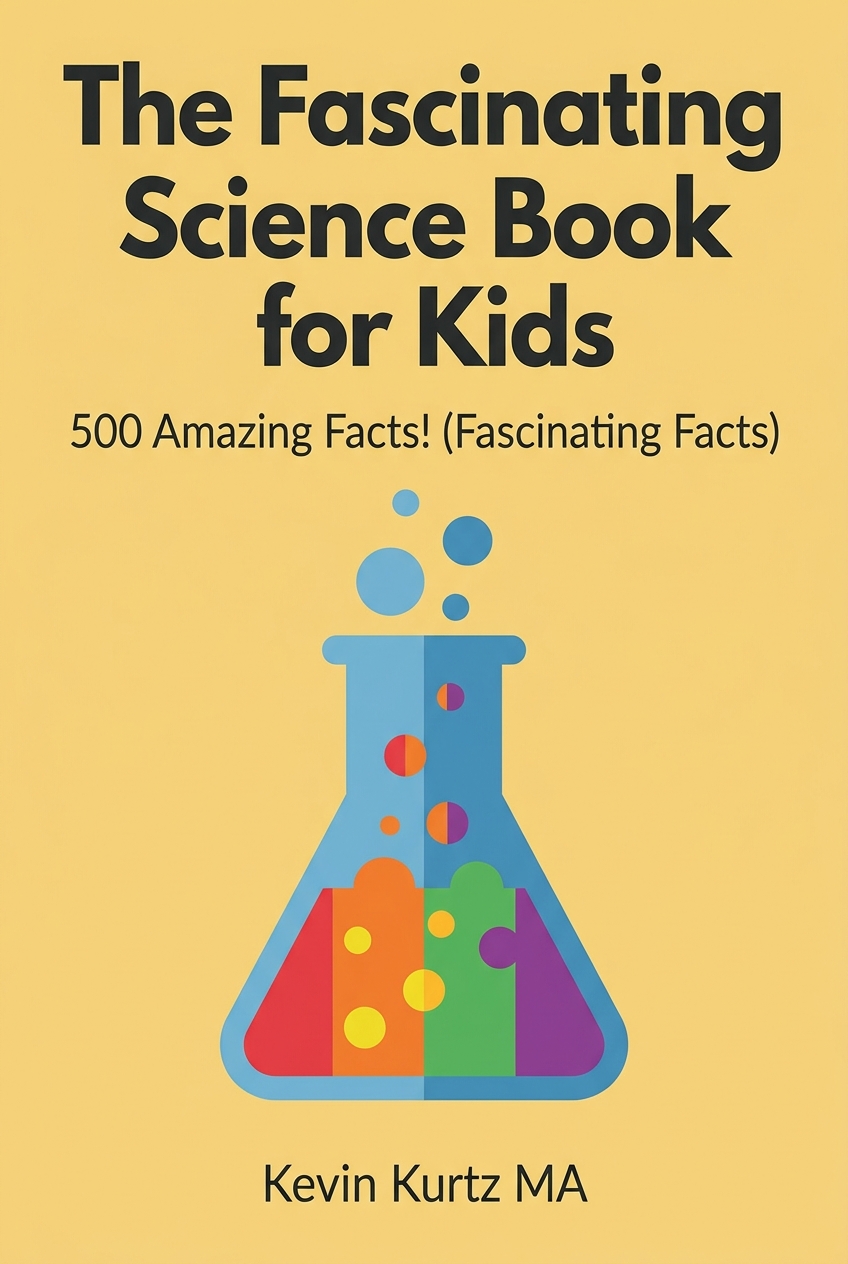
The Fascinating Science Book for Kids
Spark your child's curiosity with hundreds of mind-blowing science facts.
- Complex science topics are made accessible and exciting for young minds.
- Learn bizarre facts about space, deep-sea creatures, and everyday objects.
- Encourage kids to ask questions and explore the world around them.
Parents and educators who want to make science fun for kids aged 9-12.
Spark your child's curiosity with hundreds of mind-blowing science facts.
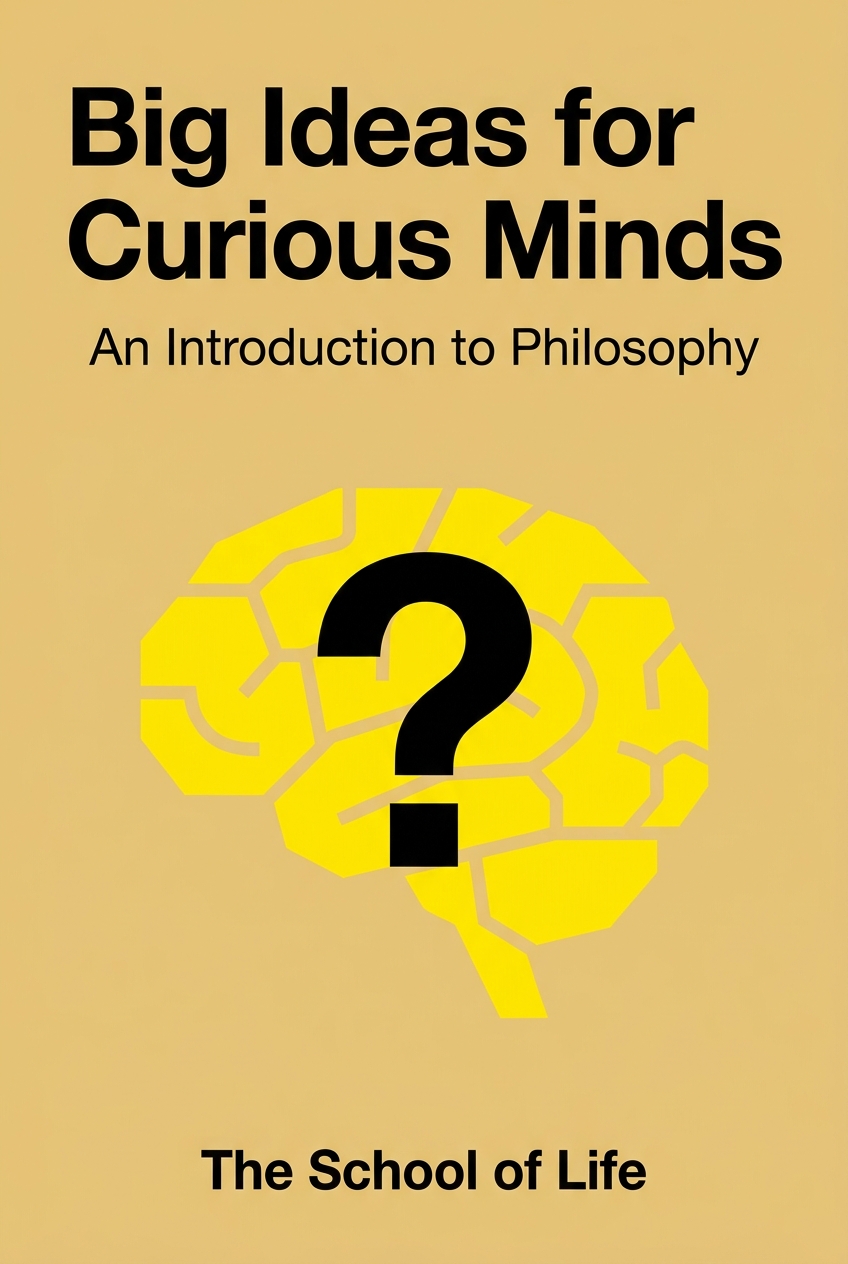
Big Ideas for Curious Minds
Use wisdom from the world's greatest thinkers to navigate modern life.
- Philosophy is a practical tool for understanding emotions and relationships.
- Learn to manage anxiety and find meaning by applying philosophical insights.
- Timeless ideas from figures like Socrates can help solve everyday problems.
Adults and teens seeking practical wisdom for life's big questions.
Use wisdom from the world's greatest thinkers to navigate modern life.
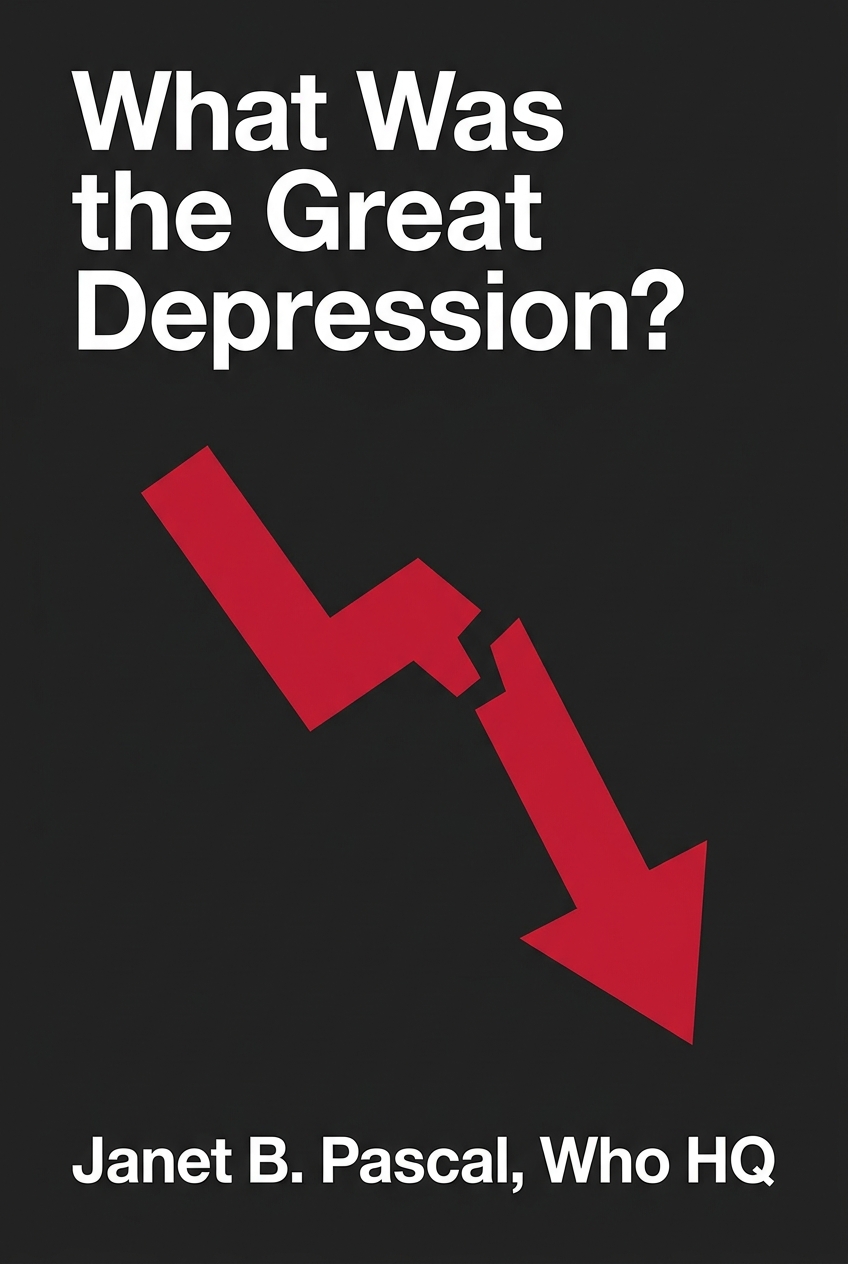
What Was the Great Depression?
Learn how America went from roaring success to economic collapse overnight.
- The 1929 stock market crash was a key trigger for the Great Depression.
- FDR's "New Deal" programs were implemented to provide relief and reform.
- The Depression had a profound, lasting impact on the lives of everyday people.
Students and history buffs looking for a concise overview of this key event.
Learn how America went from roaring success to economic collapse overnight.
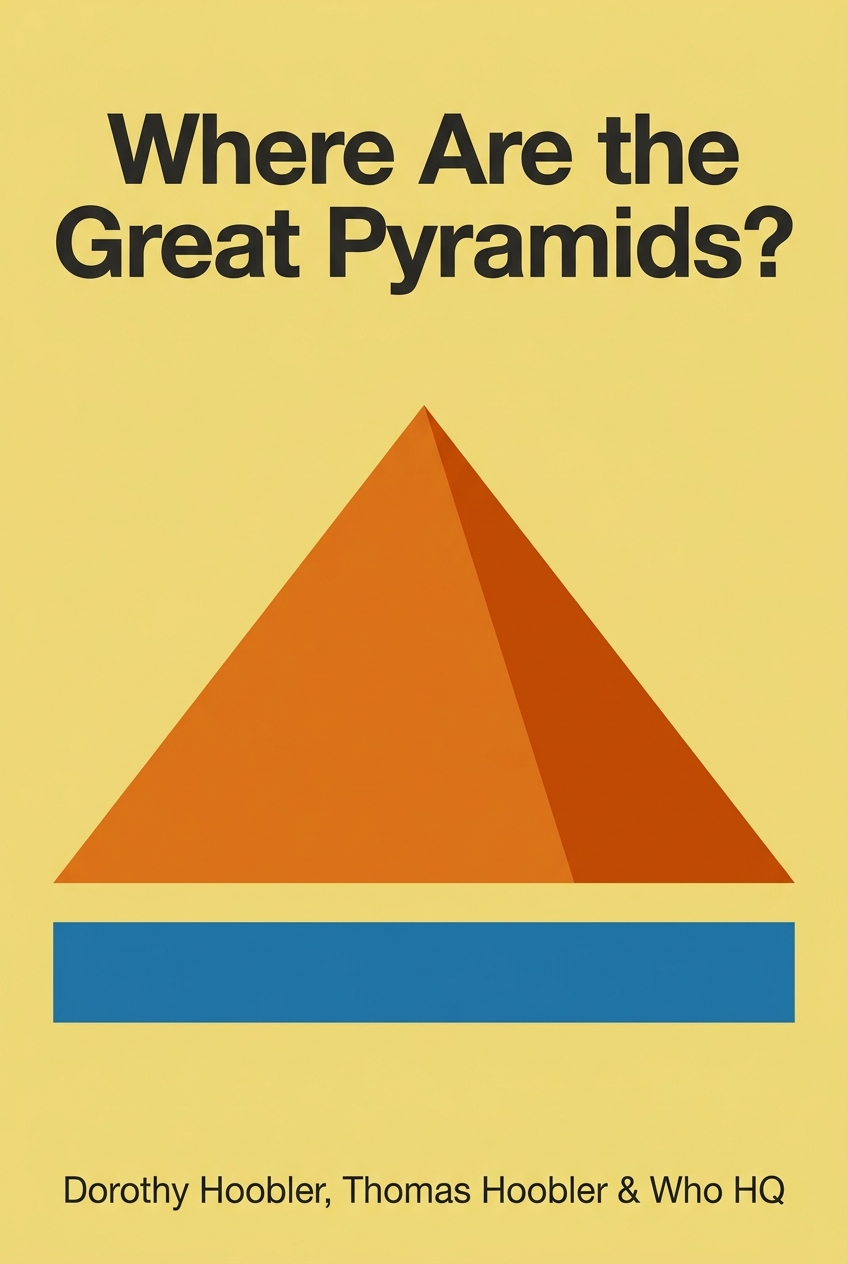
Where Are the Great Pyramids?
Uncover the secrets of how ancient Egyptians built these massive wonders.
- The Pyramids were built using ingenious engineering techniques with simple tools.
- They served as tombs for pharaohs, driven by beliefs about the afterlife.
- Construction involved thousands of workers over several decades.
Young readers and anyone curious about ancient Egyptian history and engineering.
Uncover the secrets of how ancient Egyptians built these massive wonders.
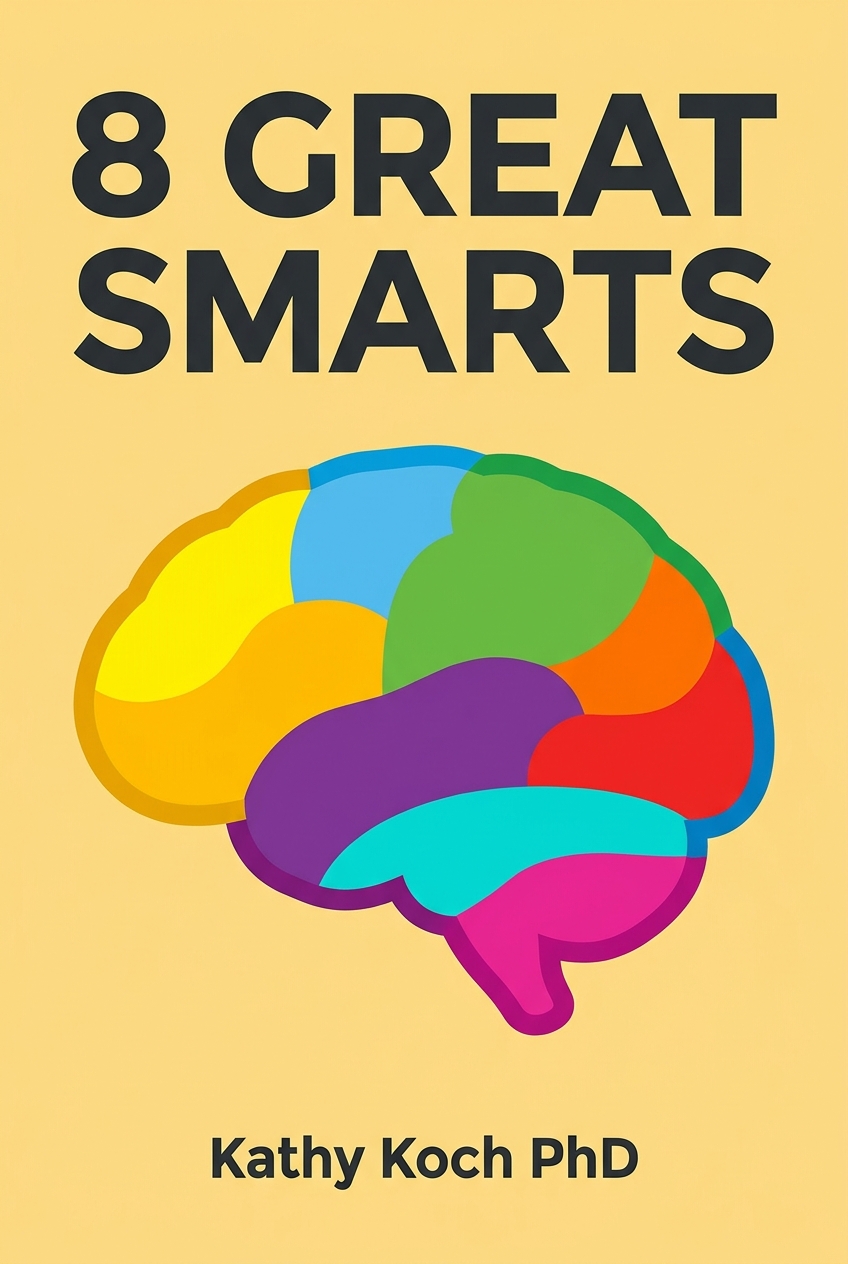
8 Great Smarts
Discover that every child is smart—you just need to find their unique way.
- Intelligence isn't just about academics; there are eight distinct "smarts."
- Identify and nurture your child's specific talents, from logic to people skills.
- Turn a child's struggles into strengths by understanding their unique intelligence.
Parents and educators worried about a child's academic performance.
Discover that every child is smart—you just need to find their unique way.
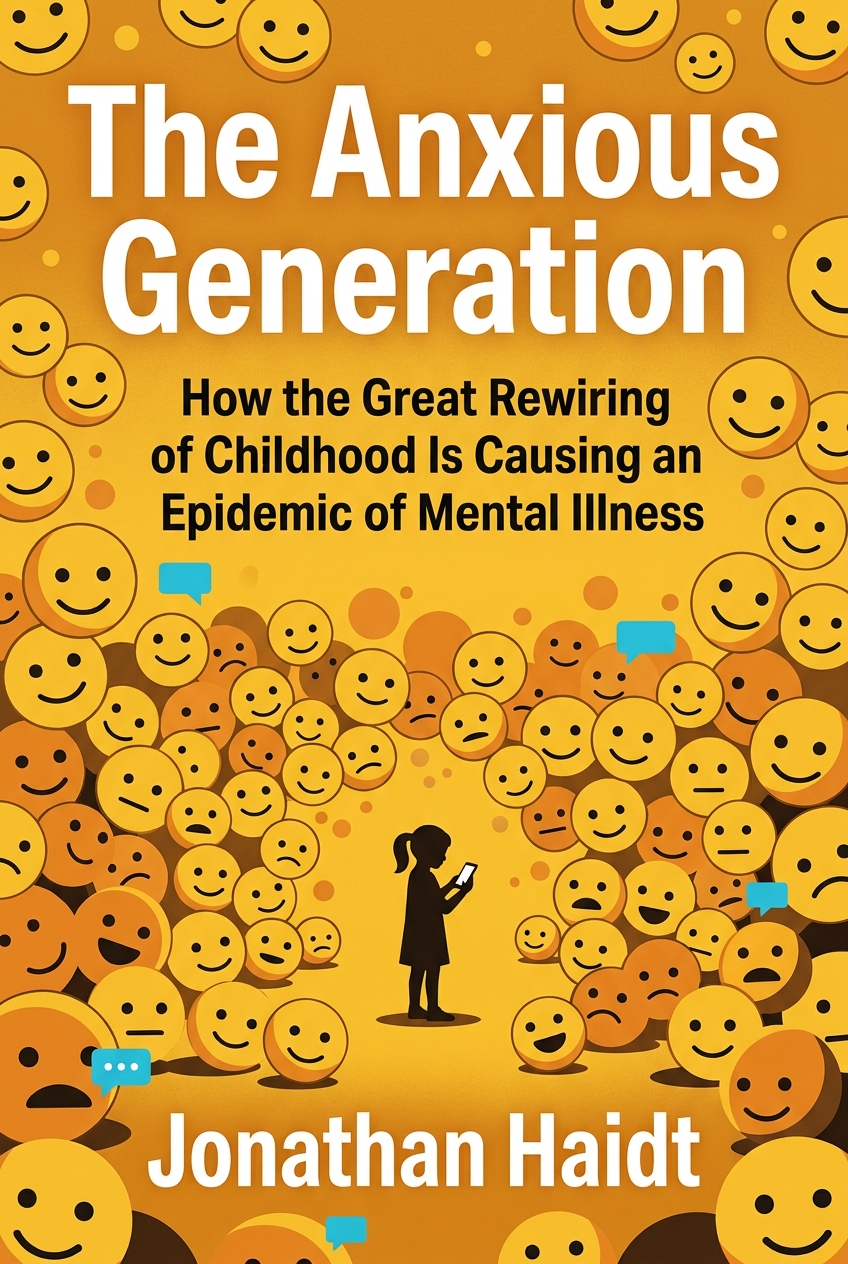
The Anxious Generation
Learn how smartphones and a lack of play fuel a youth mental health crisis.
- The shift to a phone-based childhood has had negative psychological effects.
- A lack of unsupervised free play hinders the development of resilience in kids.
- We can create a healthier childhood by promoting real-world interaction.
Parents, educators, and leaders concerned about youth mental health.
Learn how smartphones and a lack of play fuel a youth mental health crisis.
Frequently Asked Questions
An educational book is designed to impart knowledge, teach a new skill, or explain a complex subject in an accessible way. It goes beyond entertainment to provide factual information, historical context, or practical wisdom that helps readers understand the world and themselves more deeply.
Reading educational books is a powerful way to expand your knowledge, develop critical thinking, and gain new perspectives. They provide structured learning on topics you're curious about, from science and history to personal development, helping to foster lifelong curiosity and intellectual growth.
Audiobook summaries are a great solution. They distill the core ideas from great educational books into a short, digestible format, perfect for listening to during a commute or workout. This way, you can absorb key knowledge without needing to find hours to sit down and read.
Yes, this list includes a wide variety of titles suitable for different age groups. You'll find engaging books designed for young children, concise historical accounts for students, and thought-provoking philosophy for adults. Each book is chosen to make learning accessible for its intended audience.